
Loading, please wait...

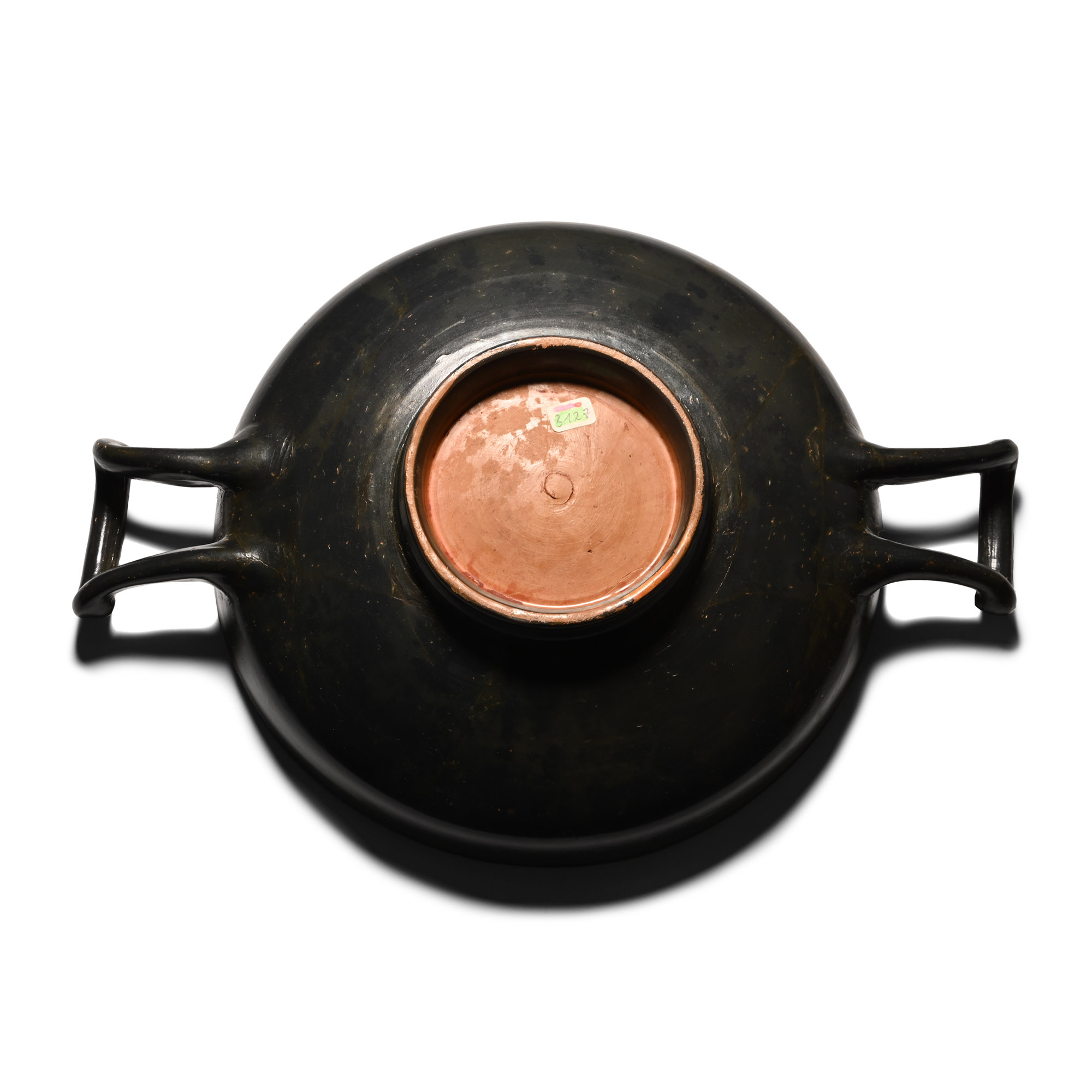
LOT 0065
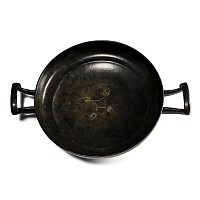
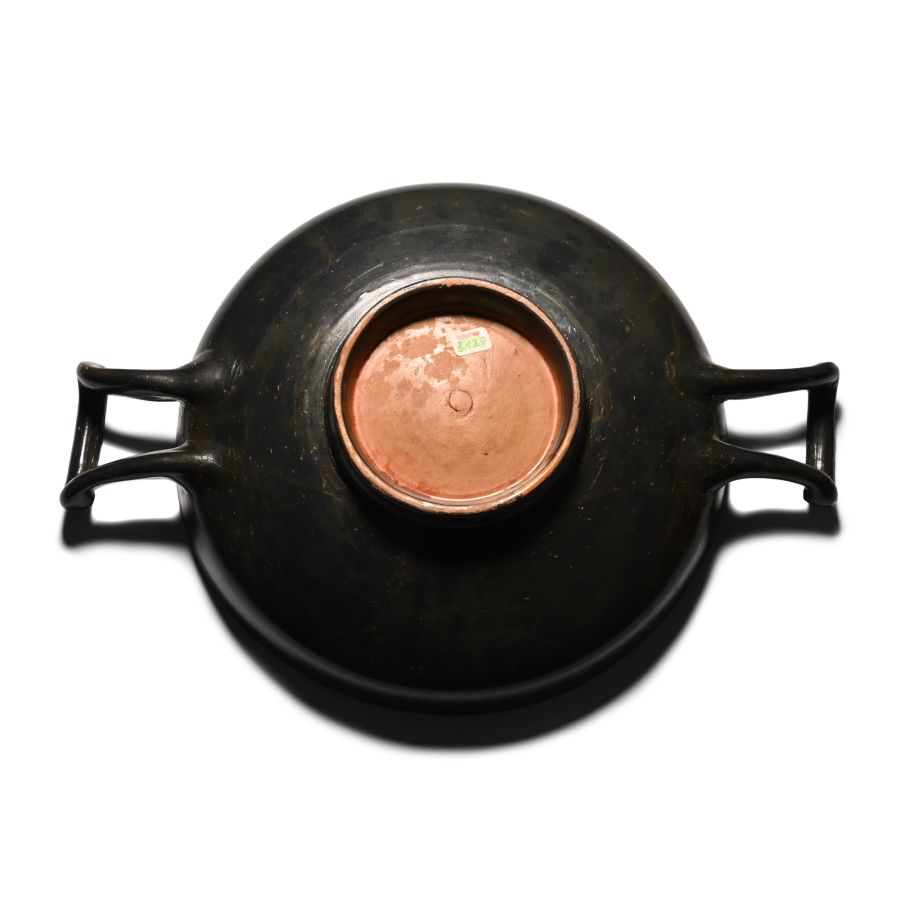
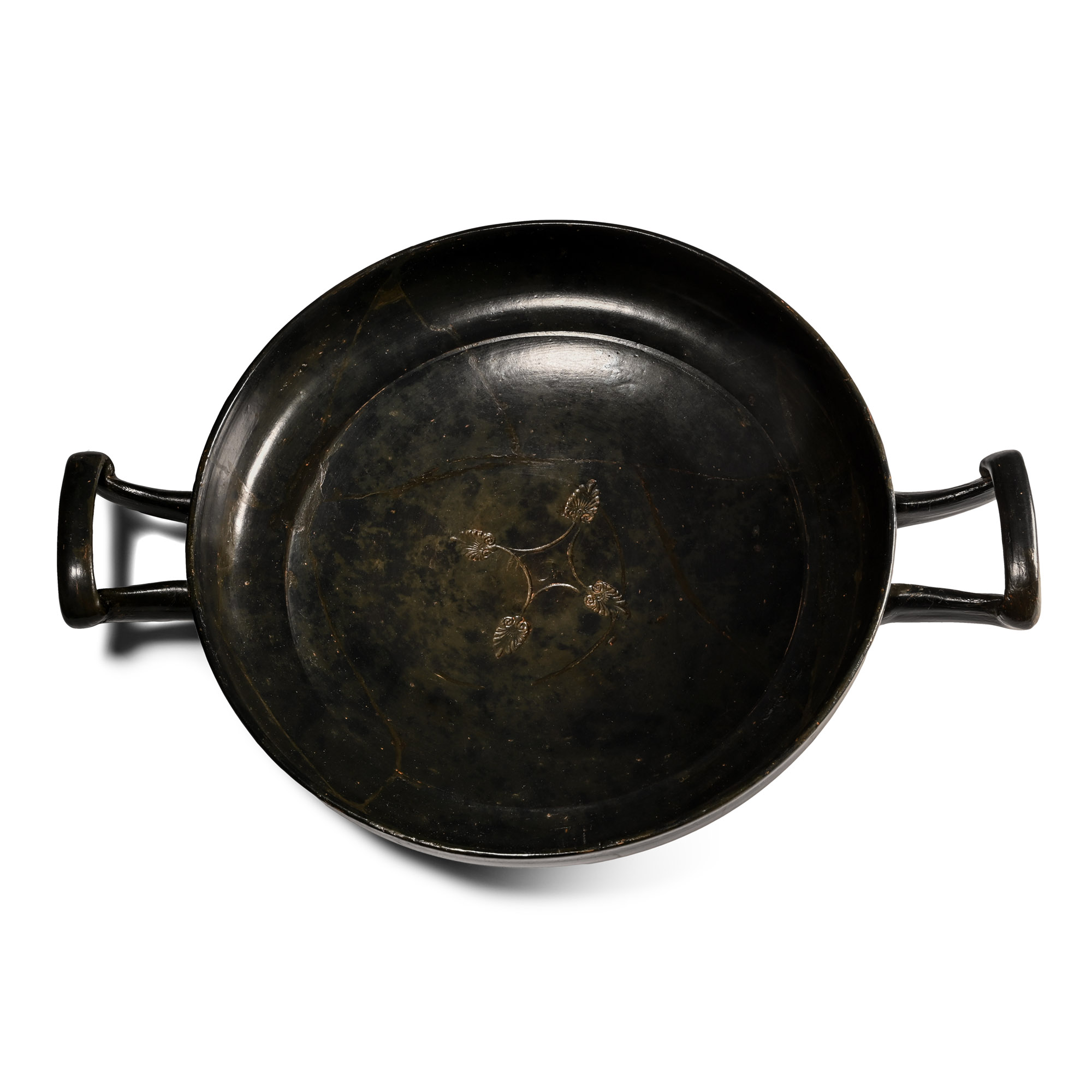
Greek Terracotta Black-Glazed Stemless Cup
CAMPANIAN, 4TH CENTURY B.C.
10 in. (323 grams, 25.4 cm).
Comprising a low foot of rare profile, with two toruses; traces of red paint inside foot; four interconnected palmettes to the tondo; accidental imprint of the bowl stacked above it in the kiln; concentric rib on the interior, looped handles; restored.
ProvenanceEstate of Philippe Stoll, Strasbourg.
Accompanied by a copy of an Art Loss Register certificate no.S00044863.
This lot is accompanied by an illustrated lot declaration signed by the Head of the Antiquities Department, Dr Raffaele D’Amato.
TimeLine Auctions follows a vetting process to ensure the authenticity and legality of all items, reinforcing our commitment to integrity and responsible trading. Each antiquity, antique, and coin lot undergoes thorough examination by a vetting committee of at least ten external specialists, professional trade association members, scientists, and archaeologists: Our Vetting Process
AUCTIONS:
TimeLine is a leading auction house specialising in antiquities, ancient art, collectables, natural history, coins, medals, and books. Our auctions offer museums, collectors, historians, and enthusiasts the opportunity to acquire unique and historically significant pieces.
-
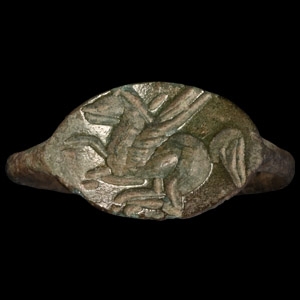
Greek Bronze Ring with Pegasus
5th-3rd century B.C.Sold for (Inc. bp): £286
Lentoid bezel with incuse winged horse motif. 1.33 grams, 19.42 mm overall, 16.97 mm internal diameter (approximate size British L, USA 5 3/4, Europe 11.24, Japan 10)
Ex German art market, 2000s. Acquired from an EU collector living in London. From the collection of Surrey, UK, gentleman. This lot is accompanied by an illustrated lot declaration signed by the Head of the Antiquities Department, Dr Raffaele D’Amato. -
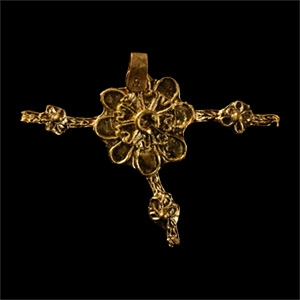
Greek Re-used Gold Filigree Cross Pendant
4th-1st century B.C.Sold for (Inc. bp): £98
A sheet gold pendant formed as an octofoil rosette with applied filigree detailing, three radiating ropework arms each with a rosette close to the end, suspension strap. 1.22 grams, 37.7 mm
Property of a professional collector; acquired before 1990. Property of a Californian, USA, collector. This lot is accompanied by an illustrated lot declaration signed by the Head of the Antiquities Department, Dr Raffaele D’Amato. -
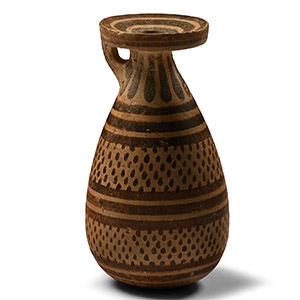
Corinthian Piriform Aryballos
Circa 625-600 B.C.Sold for (Inc. bp): £182
With short strap handle below mouth, piriform body, painted radiating and horizontal bands and pellets; mouth with painted bands to rim and base. 39.1 grams, 79 mm
Private collection, London, acquired in the 1960s, by descent. English art market, prior 2022. This lot is accompanied by an illustrated lot declaration signed by the Head of the Antiquities Department, Dr Raffaele D’Amato.
