
Loading, please wait...
LOT 1825
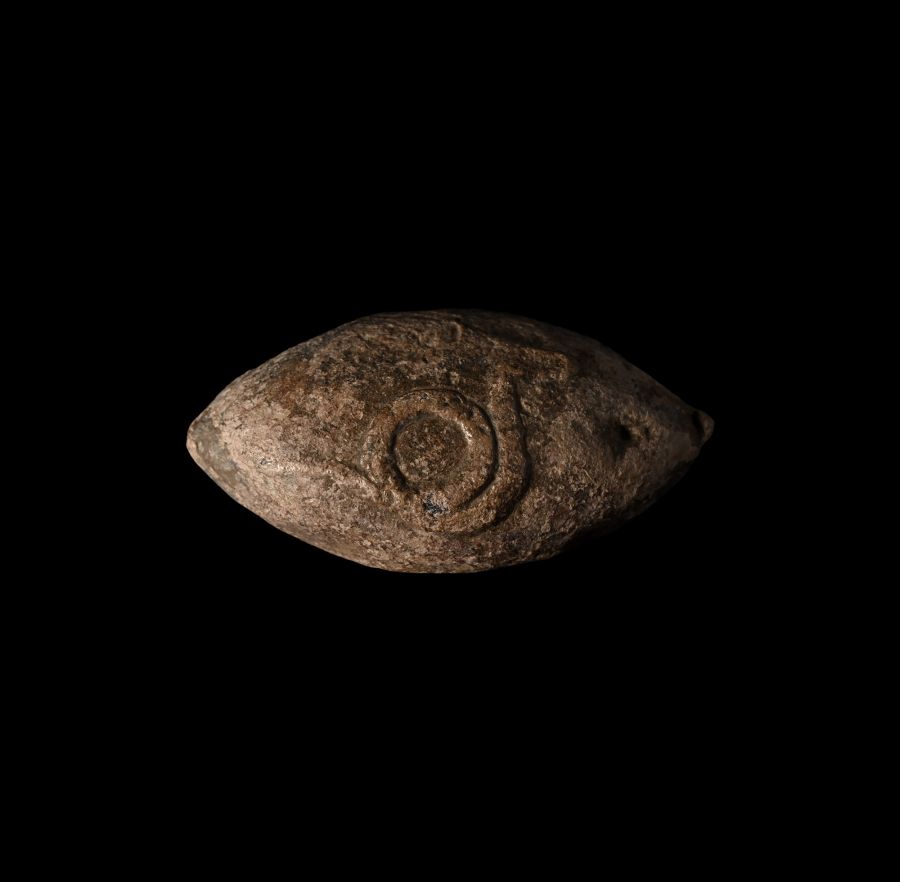
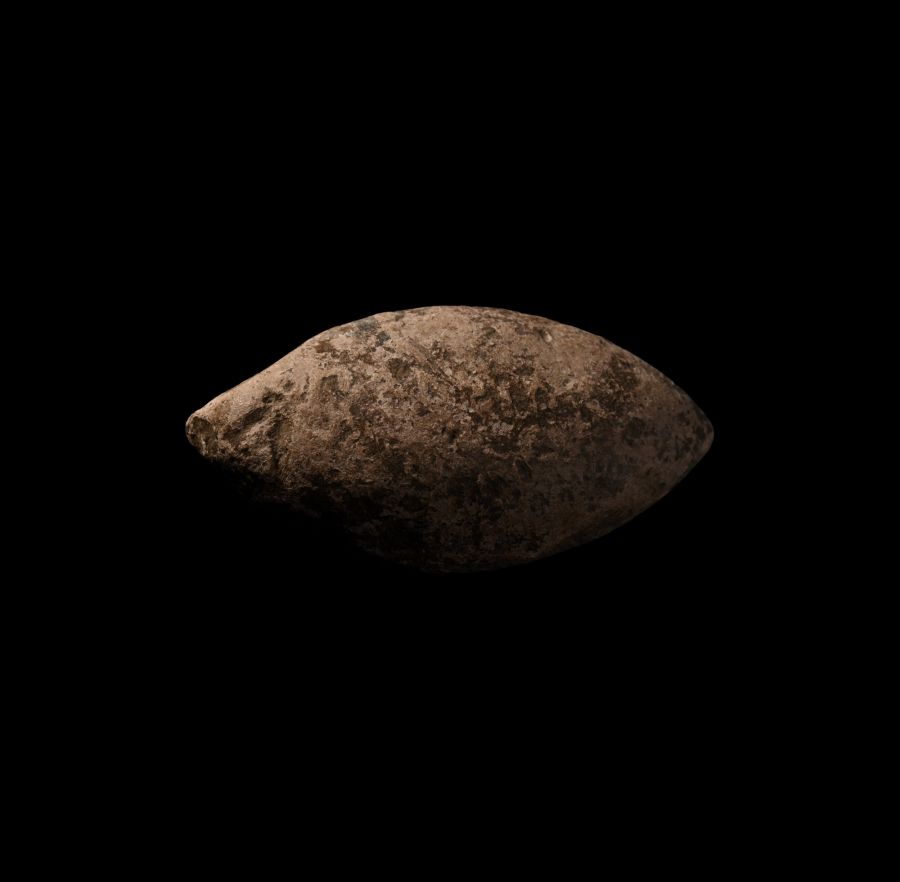
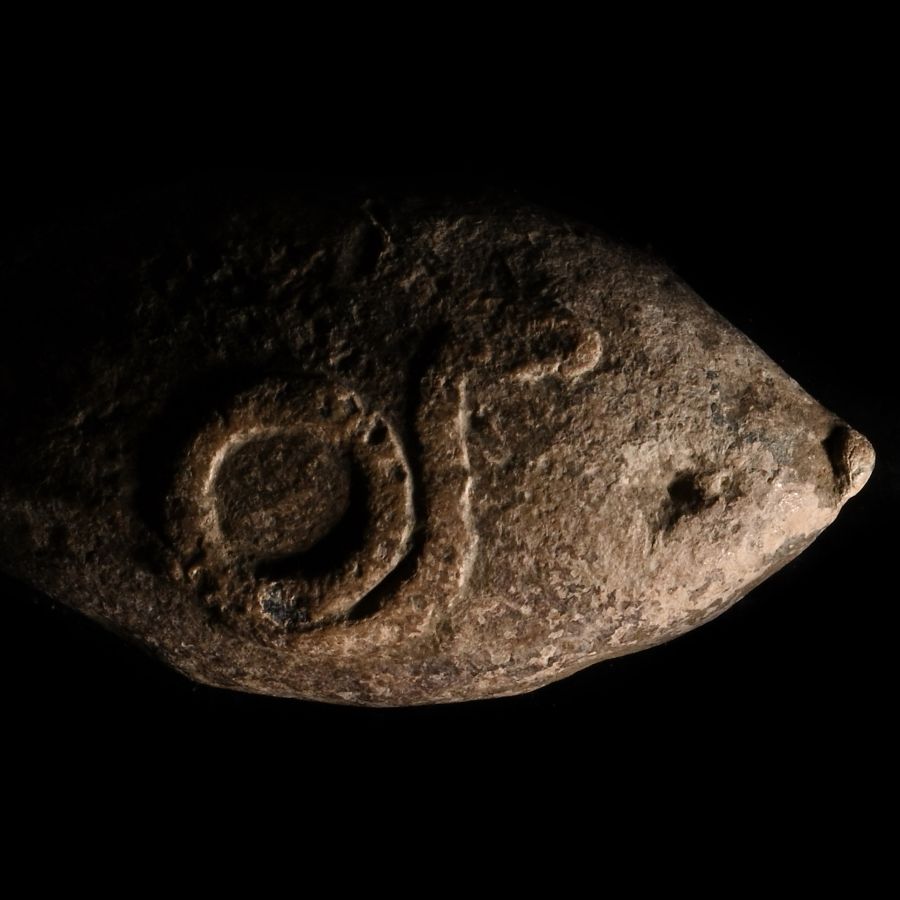
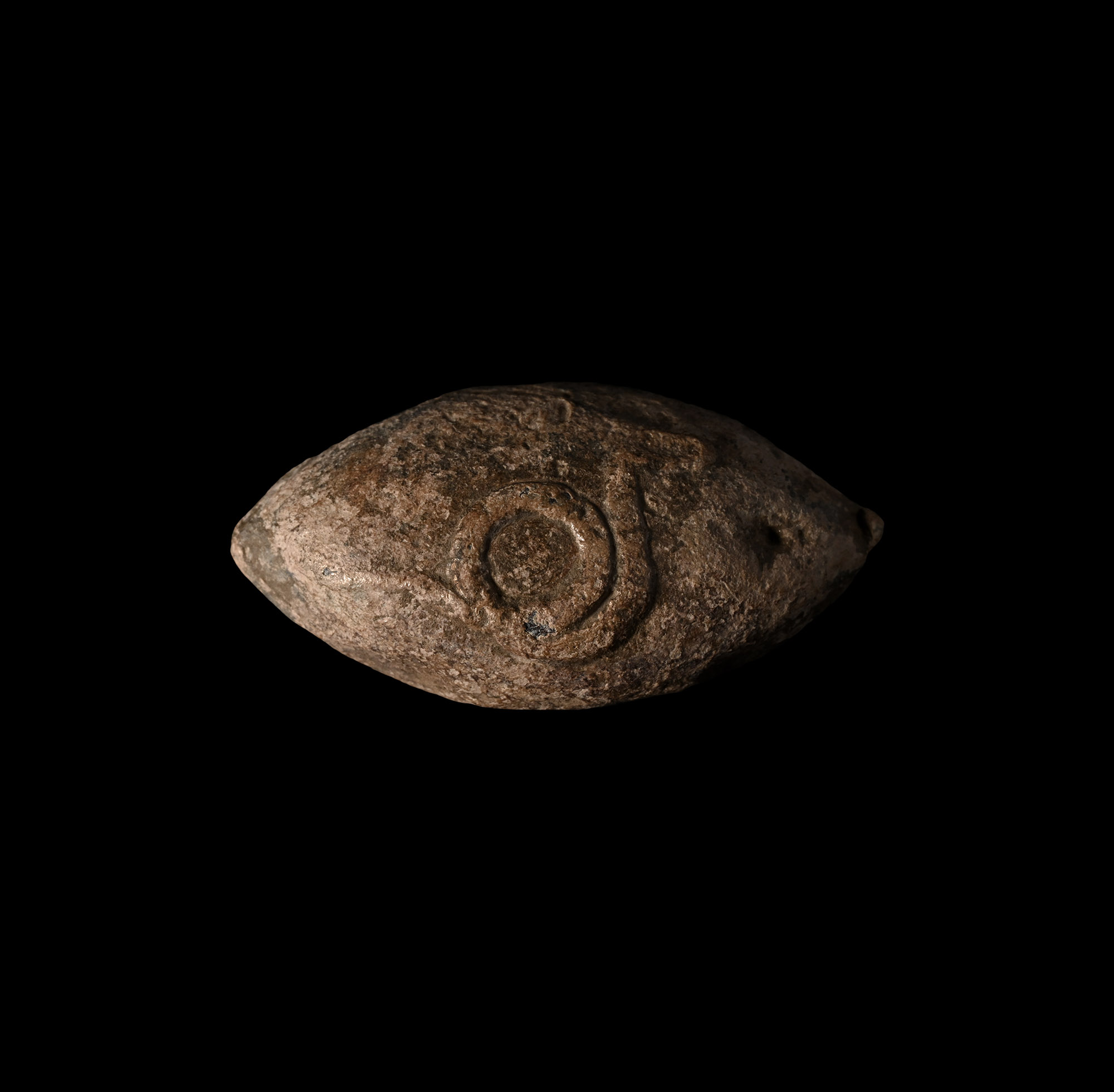
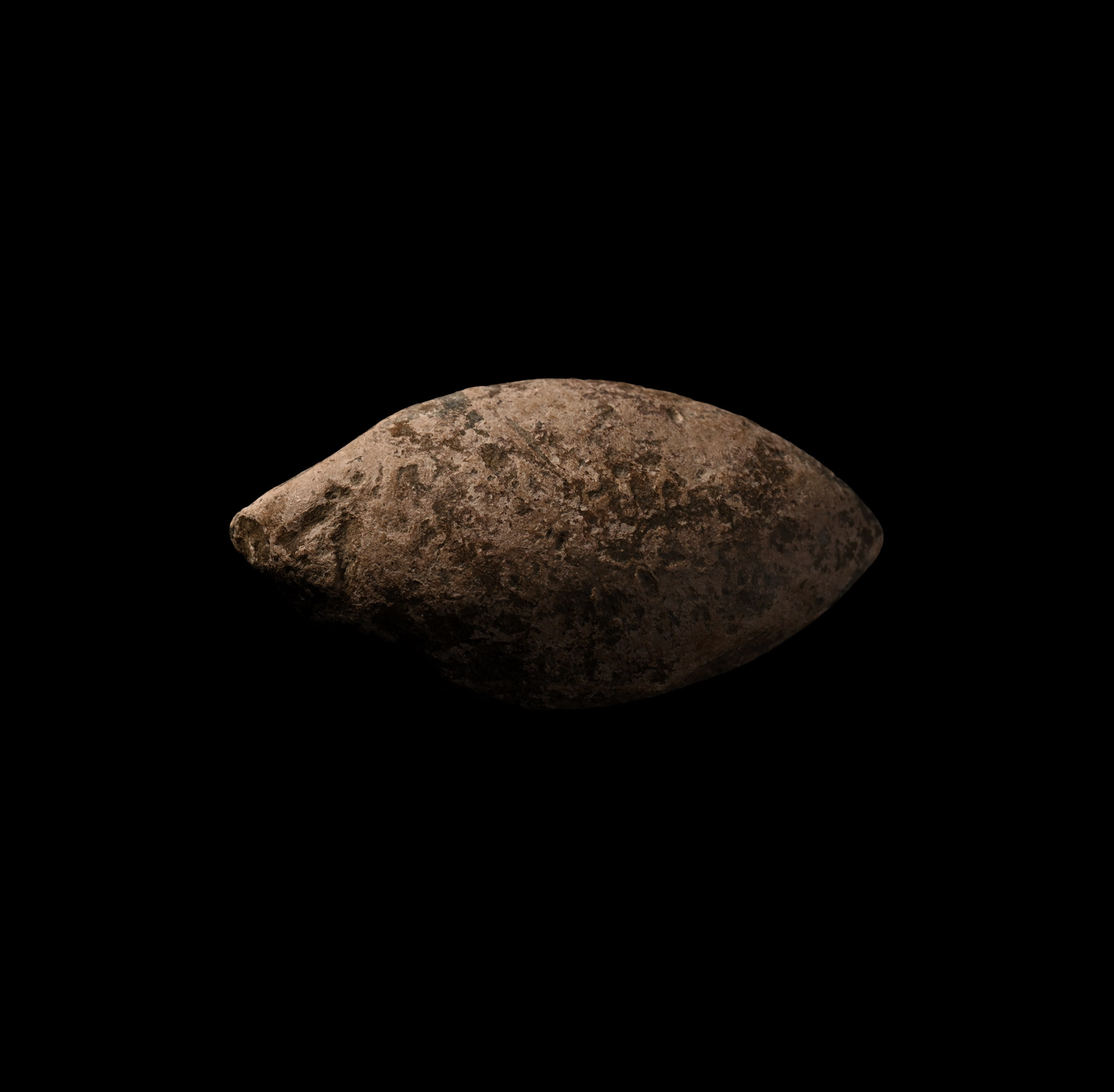
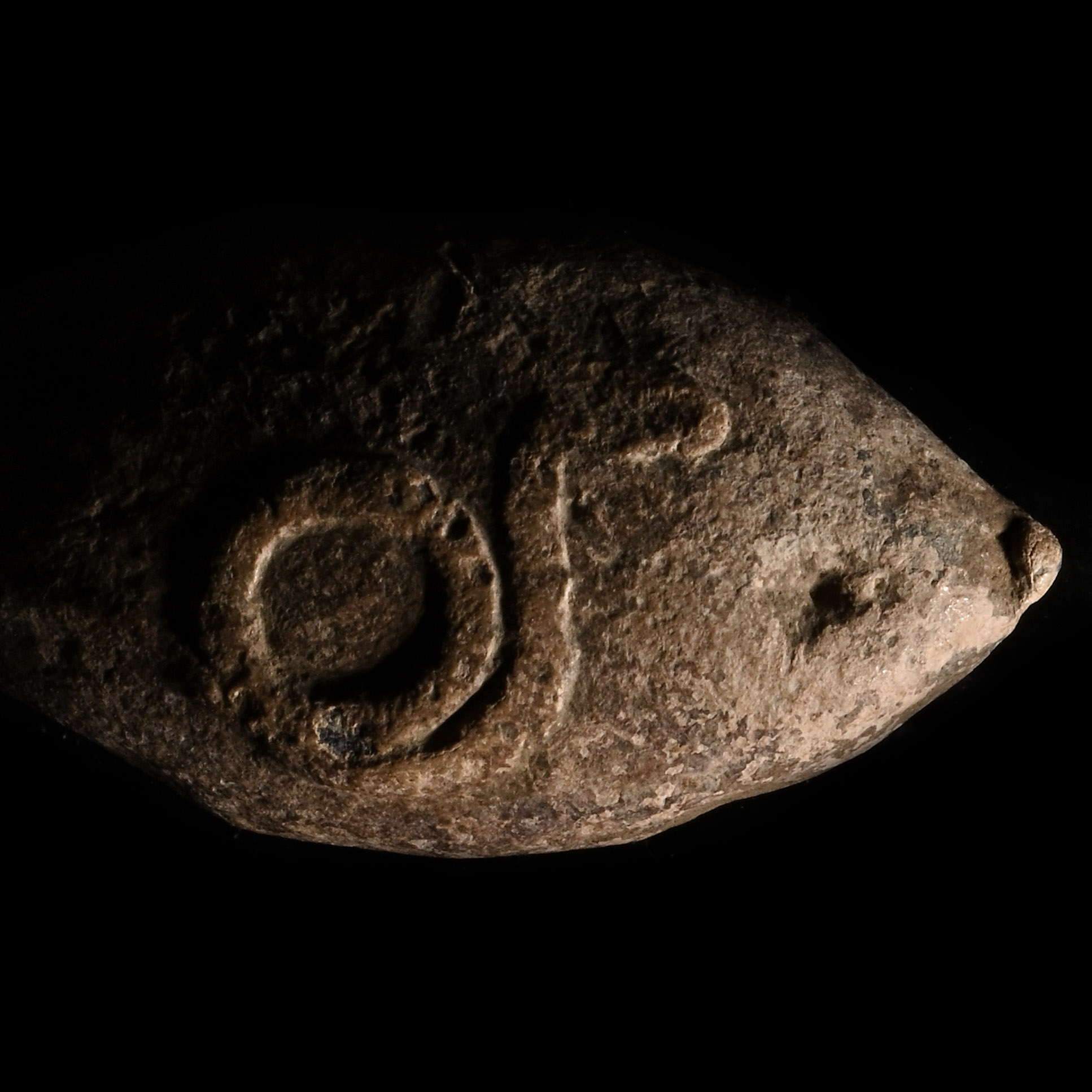
Greek Slingshot with Snake
4TH-1ST CENTURY B.C.
1 1/4 in. (31.2 grams, 31 mm).
Lentoid in form with raised figure of a coiled snake to one face, possible legend to reverse.
ProvenancePrivate collection, Austria.
Private collection, Europe.
Cf. Manov, M., Torbov, N. Inscribed Lead Sling Bullets with the name of Alexander the Great and with other Names and Symbols found in Thrace in Archaeologia Bulgarica XX, 2 (2016), pp.29-43, fig.14, for a shot with a similar symbol.
CONDITIONTimeLine Auctions follows a vetting process to ensure the authenticity and legality of all items, reinforcing our commitment to integrity and responsible trading. Each antiquity, antique, and coin lot undergoes thorough examination by a vetting committee of at least ten external specialists, professional trade association members, scientists, and archaeologists: Our Vetting Process
AUCTIONS:
TimeLine is a leading auction house specialising in antiquities, ancient art, collectables, natural history, coins, medals, and books. Our auctions offer museums, collectors, historians, and enthusiasts the opportunity to acquire unique and historically significant pieces.
LOT 1825
Greek Slingshot with Snake
Estimate £200 - 300€230 - 350 (for guidance only)$270 - 410 (for guidance only)
-
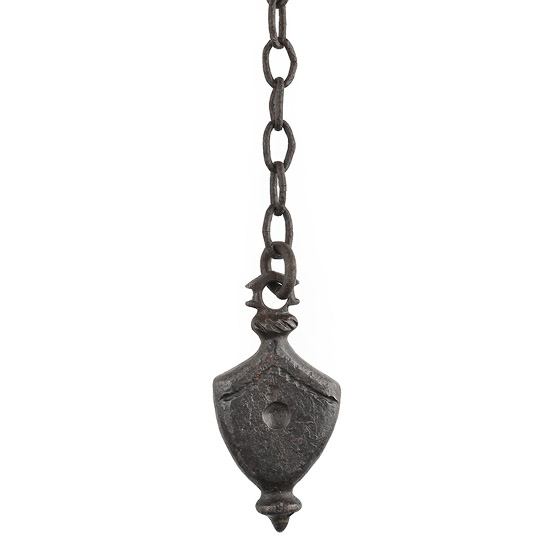
Medieval Socketted Iron Tournament Flail
Circa 15th century A.D.Sold for (Inc. bp): £676
Comprising: tubular socket with segmented lower ends pieced to accept attachment pins, decorative ring above; short length of chain with butted iron links; heater shield-shaped striker with knop finial and torque to the neck, punched design of a chevron and central pellet; one face with possible maker's mark above the pellet. 364 grams, 52.1 cm
Ex North American private collection, 1970s-1990s. -
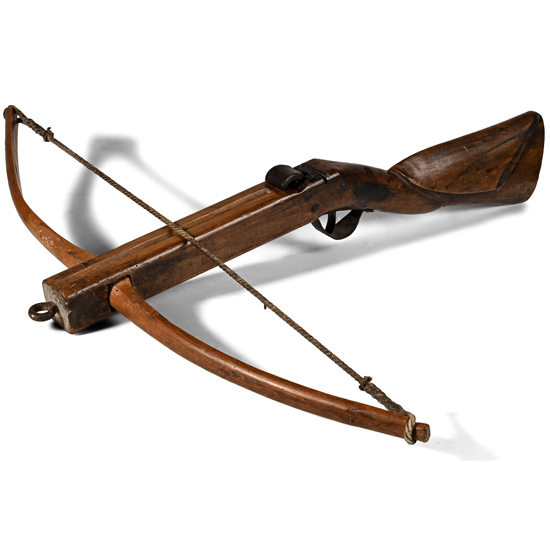
Antique Wooden Crossbow
19th century A.D.Sold for (Inc. bp): £78
Carved, stocky body with an iron suspension ring, rope cable and iron trigger. 1.38 kg, 75 cm wide
Private collection, London, UK. (For sale only to bidders of at least 18 years of age. UK buyers only.) -
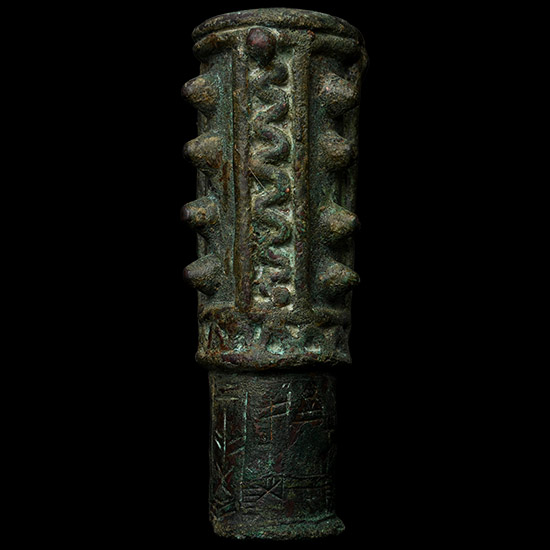
Elamite Bronze Macehead Inscribed 'To Nin’azu, Bala, son of Lugal-kare-si'
Early Dynastic IIIB Period, circa 2500-2340 B.C.Sold for (Inc. bp): £2,340
Comprising a cylindrical shaft with a narrow flanged base, the upper section with three vertical relief panels decorated by round spikes alternated with a wavy pattern, divided and bordered by parallel ridges, engraved with five lines of Sumerian cuneiform text around the socket, a votive inscription translating to: 'To Nin’azu, Bala, son of Lugal-kare-si, the merchant, has presented (it)'. 350 grams, 11.6 cm
Acquired before 1983. Ex London gallery, 1990s. Private collection, London, UK. This lot has been checked against the Interpol Database of stolen works of art and is accompanied by search certificate number no.13257-253385.
This gorz mace head belongs to the category of truncheon-shaped mace heads, a type developed on the Iranian plateau during the Bronze Age, used by Elamite and Luristan warriors since the 3rd millennium B.C. This category of objects was also interpreted as a part of a shaft or cudgel, but most scholars agree on the interpretation of use as a mace.
