
Loading, please wait...



LOT 0576
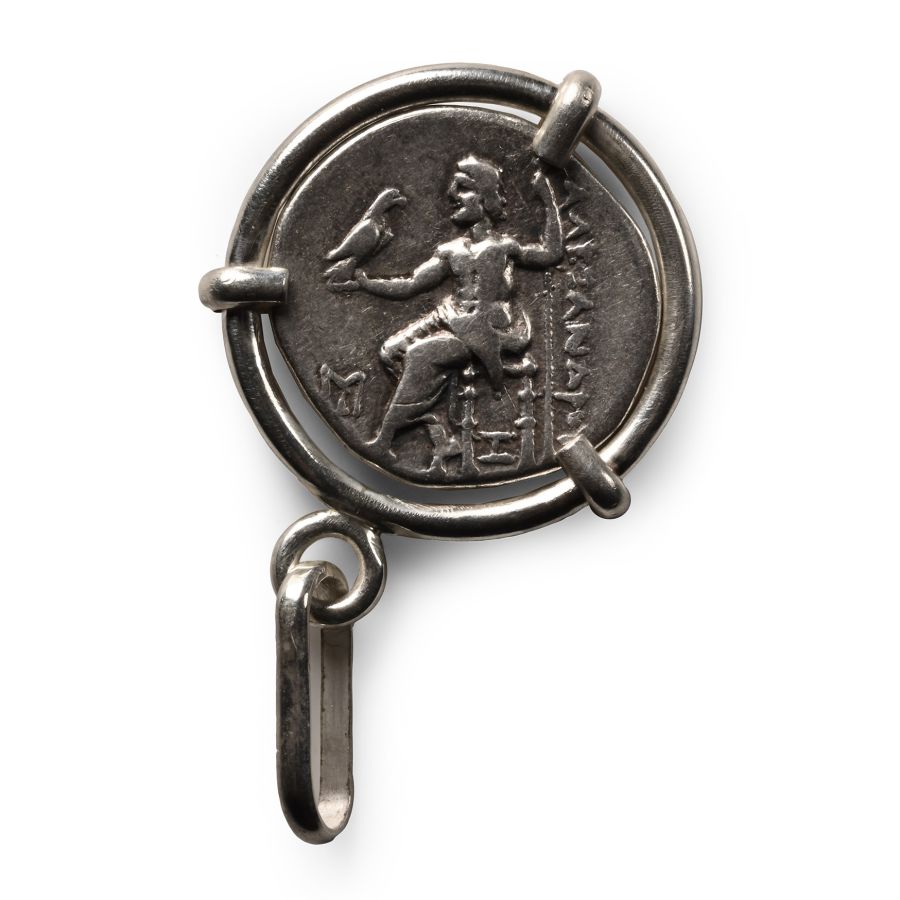
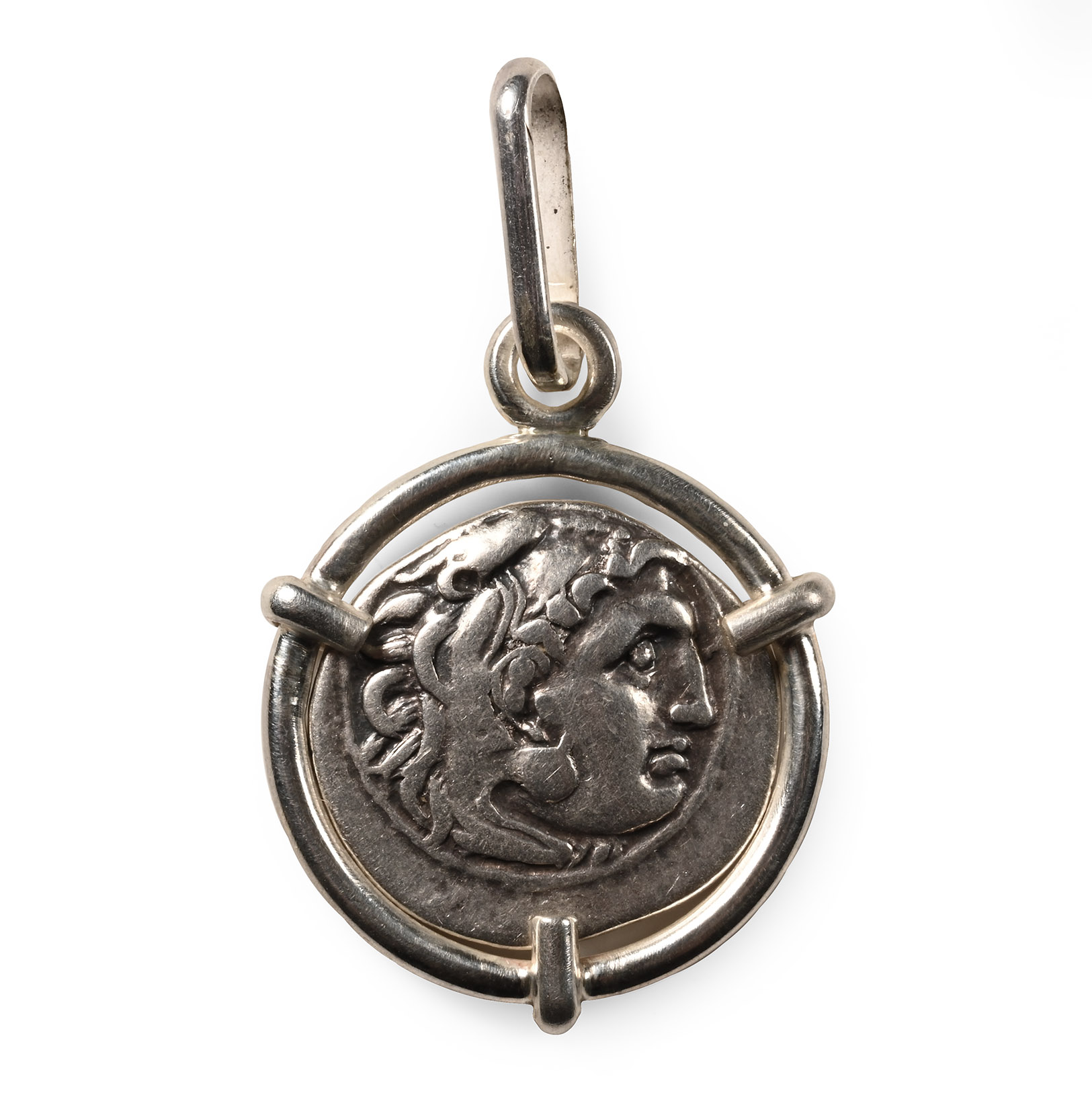
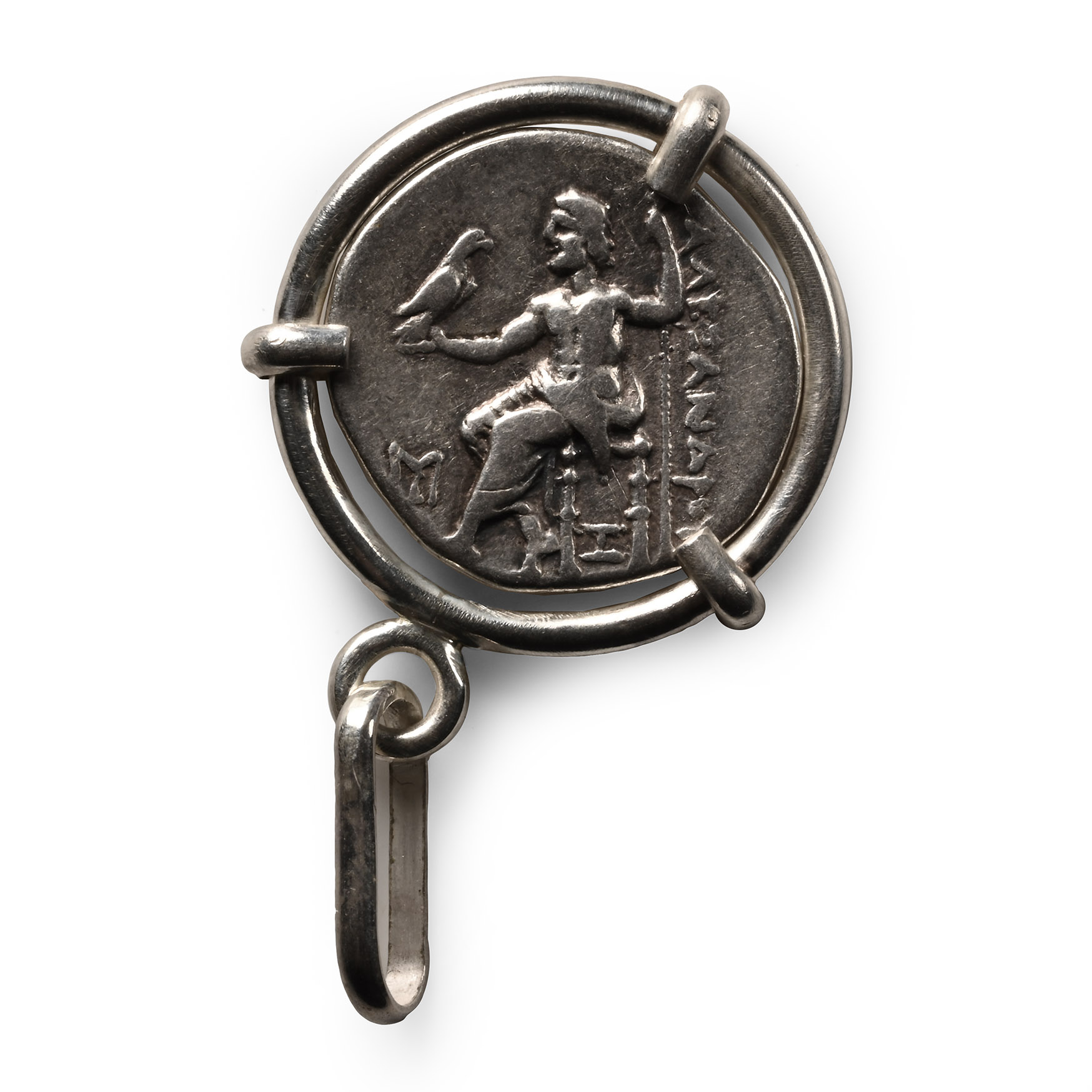
Greek Silver Alexander the Great Drachm Pendant
3RD CENTURY B.C. AND LATER
1 5/8 in. (7.26 grams, 41 mm).
Drachm with profile bust of Herakles to obverse, seated figure of Zeus with eagle to reverse; clasp-mounted in a modern silver frame with ring and loop.
ProvenanceEx German art market, 2000s.
Acquired from an EU collector living in London.
From the collection of Surrey, UK, gentleman.
TimeLine Auctions follows a vetting process to ensure the authenticity and legality of all items, reinforcing our commitment to integrity and responsible trading. Each antiquity, antique, and coin lot undergoes thorough examination by a vetting committee of at least ten external specialists, professional trade association members, scientists, and archaeologists: Our Vetting Process
AUCTIONS:
TimeLine is a leading auction house specialising in antiquities, ancient art, collectables, natural history, coins, medals, and books. Our auctions offer museums, collectors, historians, and enthusiasts the opportunity to acquire unique and historically significant pieces.
-
Greek and Other Terracotta Vessel Collection
Mid 1st millennium B.C.-early 1st millennium A.D.Sold for (Inc. bp): £130
Including a piriform redware vase, small ewer with strap handle and other items. 500 grams total, 9.3-12 cm
From a family collection mostly formed in the 1940s-1950s, thence by descent. -
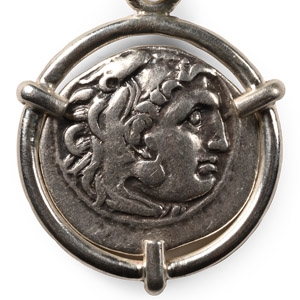
Greek Silver Alexander the Great Drachm Pendant
3rd century B.C. and laterSold for (Inc. bp): £221
Drachm with profile bust of Herakles to obverse, seated figure of Zeus with eagle to reverse; clasp-mounted in a modern silver frame with ring and loop. 7.26 grams, 41 mm
Ex German art market, 2000s. Acquired from an EU collector living in London. From the collection of Surrey, UK, gentleman. -
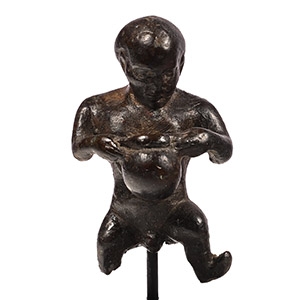
Hellenistic or Roman Bronze Statuette of a Grotesque Holding a Jar
Alexandria, 1st century B.C.-3rd century A.D.Sold for (Inc. bp): £156
Modelled standing nude in a contorted pose with legs spread, holding a jar or bag to his chest; mounted on a custom-made stand. 73.7 grams total, 68 mm including stand
From a collection acquired on the UK art market from various auction houses and collections mostly before 2000. From an important Cambridgeshire estate; thence by descent.
Such figures are often described as ‘grotesques’, yet typically constituted overstated representations of people with dwarfism. Such individuals are invariably shown with exaggerated features such as pot bellies, hunched backs, bald heads, large phalli and angry facial expressions.
