
Loading, please wait...
LOT 0543
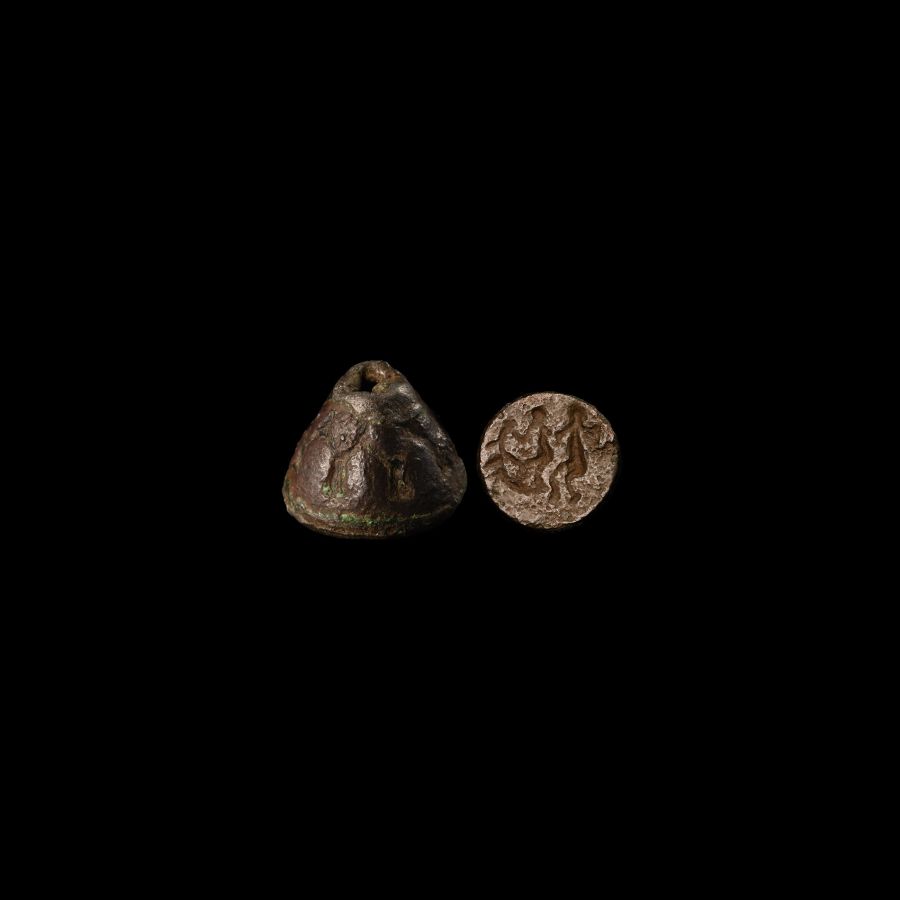
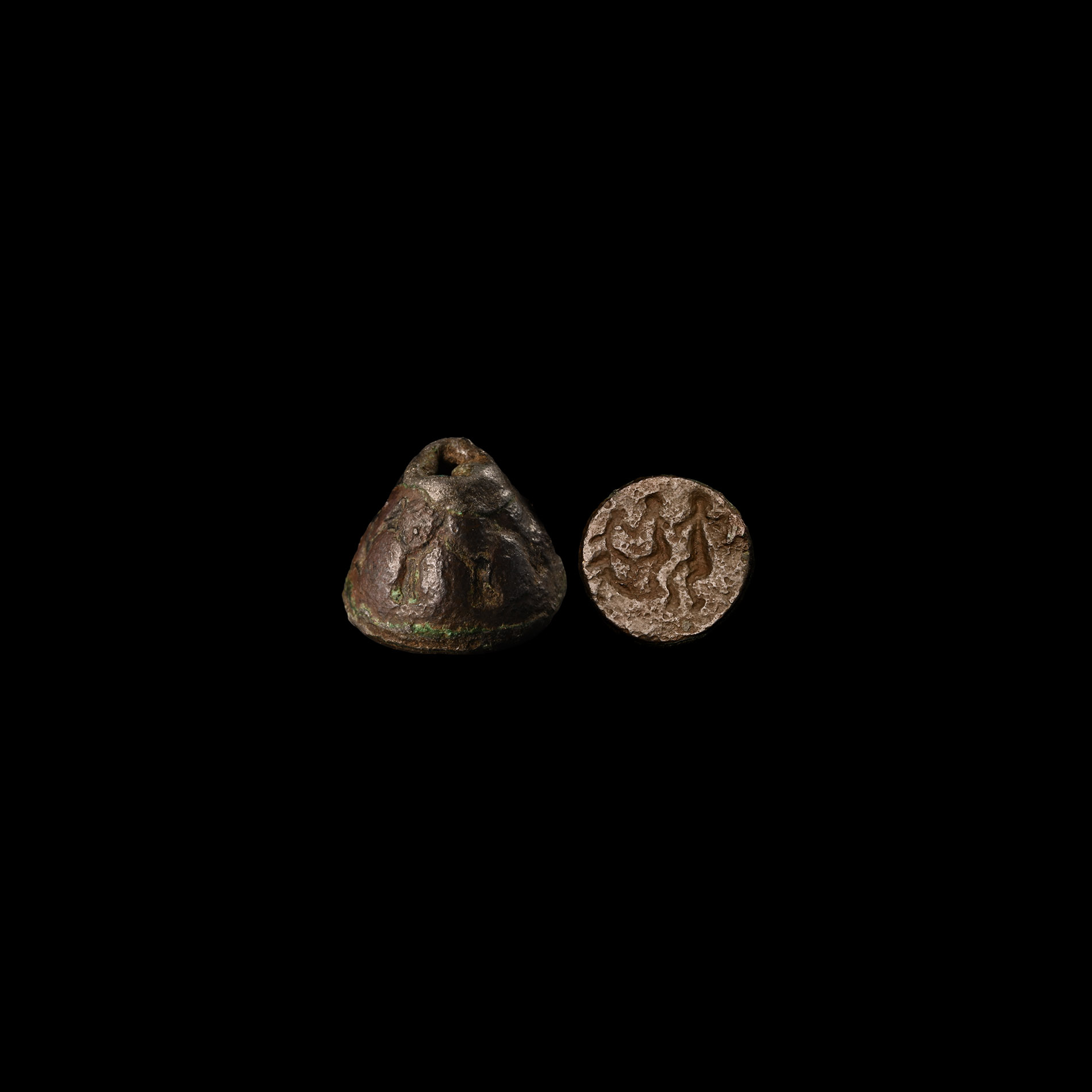
Greek Seal with Erotic Scene
2ND CENTURY B.C. OR LATER
1/2 in. (3.13 grams, 13 mm).
A conoid copper-alloy(?) seal bearing a geometric frieze in relief around the body; base with incuse erotic figural scene. [No Reserve]
ProvenanceAcquired 1969-1999.
London collection of the late Mr S.M., thence by descent.
TimeLine Auctions follows a vetting process to ensure the authenticity and legality of all items, reinforcing our commitment to integrity and responsible trading. Each antiquity, antique, and coin lot undergoes thorough examination by a vetting committee of at least ten external specialists, professional trade association members, scientists, and archaeologists: Our Vetting Process
AUCTIONS:
TimeLine is a leading auction house specialising in antiquities, ancient art, collectables, natural history, coins, medals, and books. Our auctions offer museums, collectors, historians, and enthusiasts the opportunity to acquire unique and historically significant pieces.
-
Hellenistic Silver Decorated Bowl
3rd century B.C.-1st century A.D.Estimate: £4,000 - 6,000 (‡+bp*)
Opening Bid: £2,000
A squat sheet-silver bowl with carinated profile, rolled rim, raised circumferential bands to the inner face and centre. 437 grams, 20 cm wide
cracked
Private Swiss collection, acquired 1999. Ex Surena collection, London, UK. Private European collection. This lot has been checked against the Interpol Database of stolen works of art and is accompanied by search certificate no.11617-199030. -
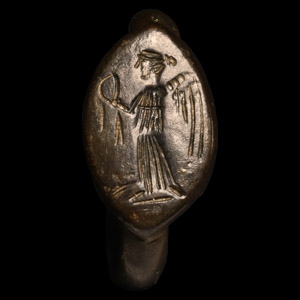
Hellenistic Ring with Nike
2nd-1st century B.C.Sold for (Inc. bp): £208
A bronze finger ring with carinated hoop and stud to the underside, scaphoid bezel with intaglio winged Nike holding a wreath. 6.83 grams, 24.80 mm overall, 20.31 mm internal diameter (approximate size British R 1/2, USA 8 3/4, Europe 19.38, Japan 18)
Acquired before 2000. From the collection of a European gentleman living in the UK. -
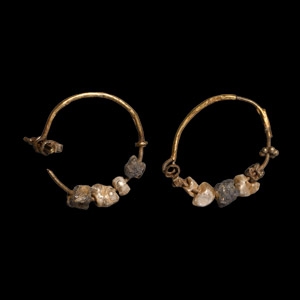
Greek Gold Hoop Earrings with Pearls
5th-3rd century B.C.Sold for (Inc. bp): £305
A matched pair of gold earrings, each composed of a round-section hoop, onto which are threaded pearl and filigree beads; one end detached. 1.4 grams total, 18-20 mm
Fine condition.
Acquired 1970-2010. Collection of a late Japanese gentleman.
