
Loading, please wait...
LOT 0055
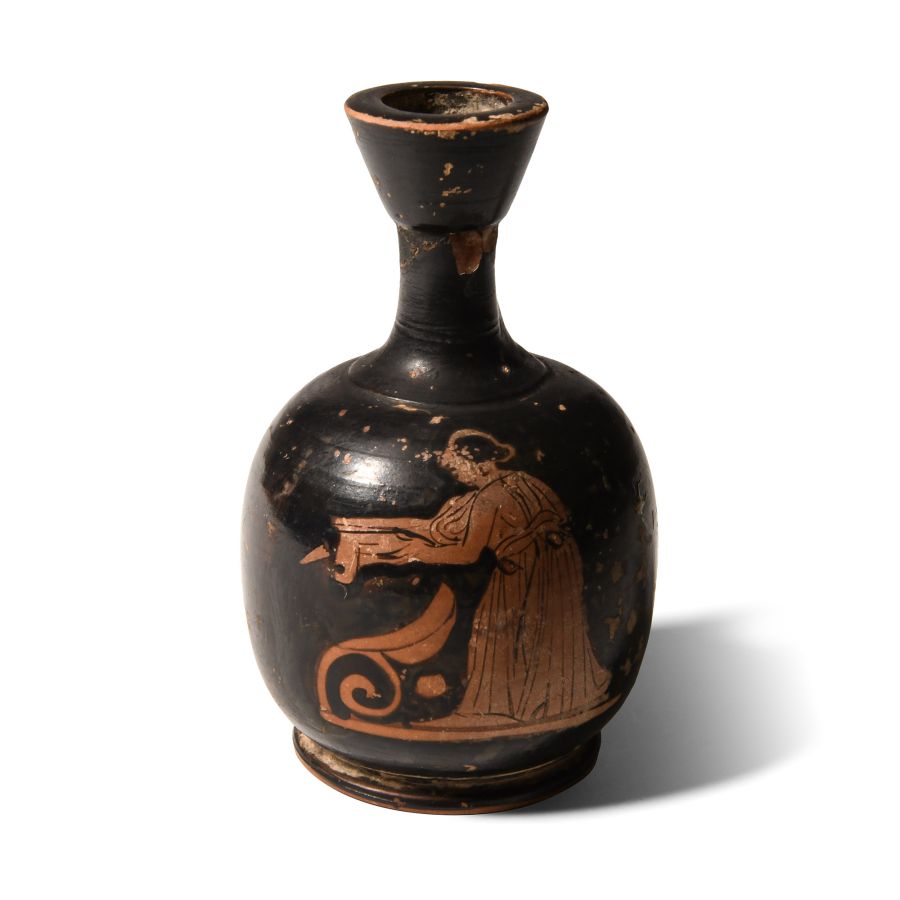
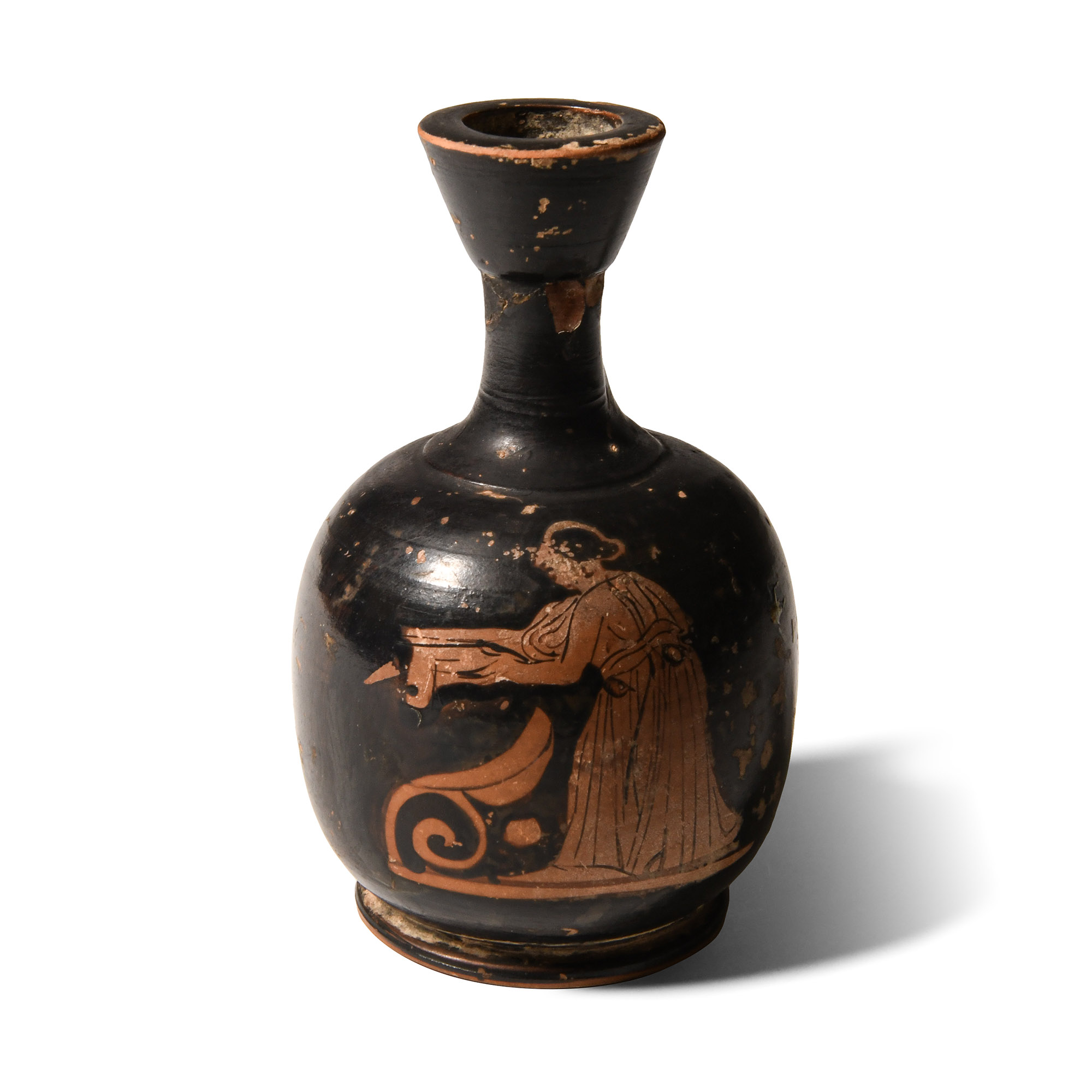
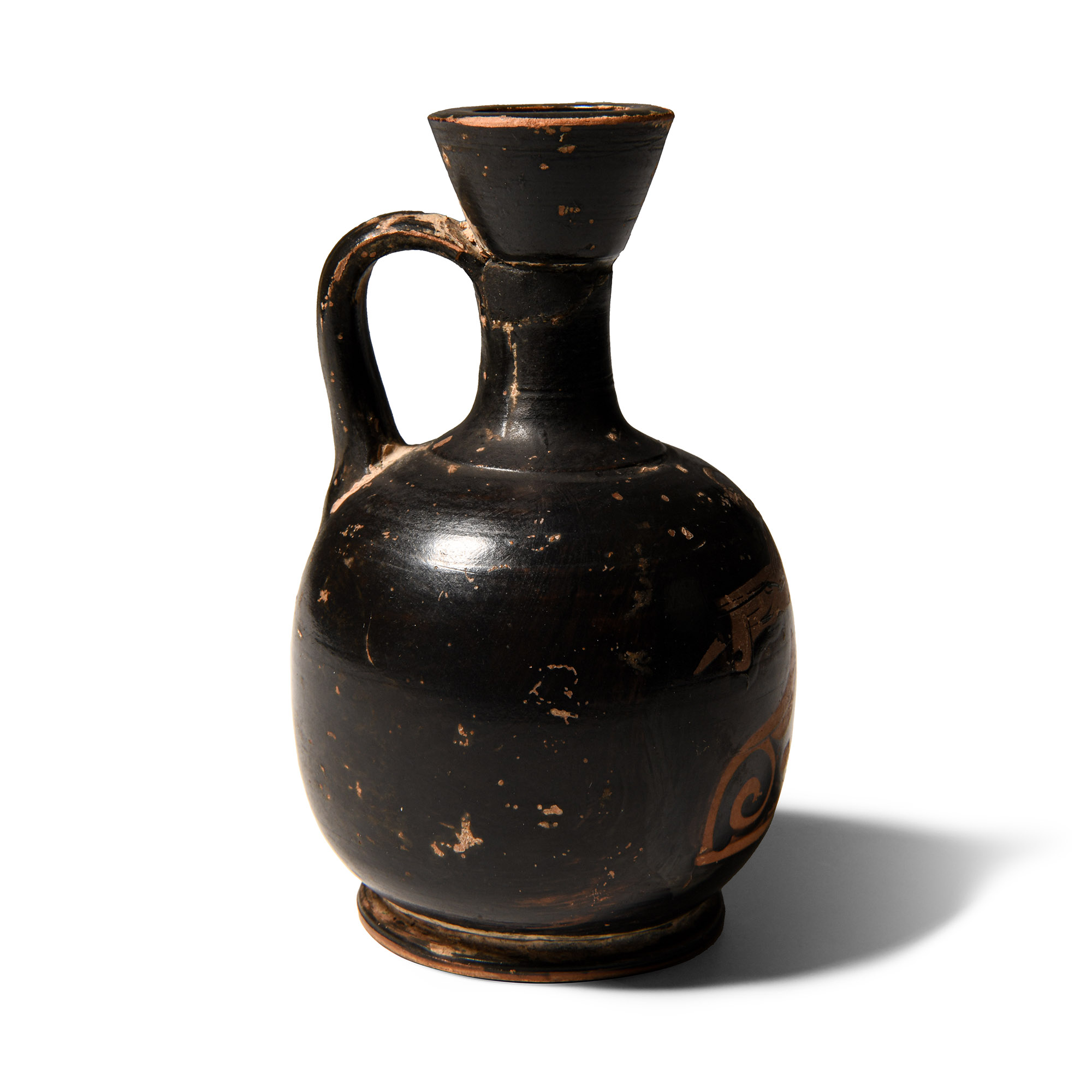
Greek Red-Figure Lekythos
5TH CENTURY B.C.
4 3/8 in. (106 grams, 11 cm).
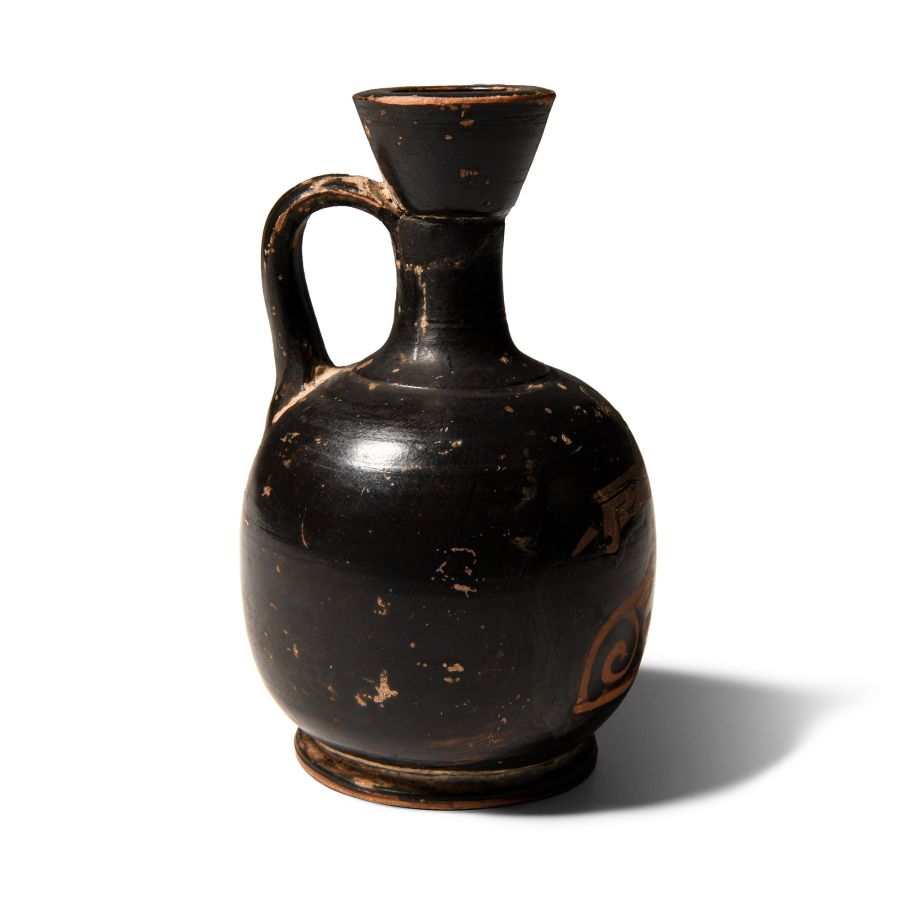
Of ovoid form with trumpet-shaped spout and strap handle, reserved image of a lady wearing a large himation, on a baseline with scrolled foliage.
ProvenanceEx German collection, 1970.
with Galerie Chenel, Paris, 22 July 2008.
This lot is accompanied by an illustrated lot declaration signed by the Head of the Antiquities Department, Dr Raffaele D’Amato.
Cf. similar item (undecorated) in the Metropolitan Museum of Art, New York, under accession no.41.162.237; cf. also a lekythos with image of an Amazon in Isler, H.P., Archäologische Sammlung der Universität Zürich. Jahresbericht Nr. 33, 2006-2007, Zürich, 2007, p.6, under nos.1259-1292.
FootnotesThe word lekythos had a wide meaning in ancient Greece, probably generally meaning all oil jugs, including the athletes' oil bottle (now called aryballos) as well as the types now given this name by archaeologists. Certain lekythoi resemble certain oenochoe superficially, at a first glance. Oenochoes, however, were wine-pitchers and in most cases were larger than the lekythoi, which were small jugs for oil, perfumes, etc.
CONDITIONTimeLine Auctions follows a vetting process to ensure the authenticity and legality of all items, reinforcing our commitment to integrity and responsible trading. Each antiquity, antique, and coin lot undergoes thorough examination by a vetting committee of at least ten external specialists, professional trade association members, scientists, and archaeologists: Our Vetting Process
AUCTIONS:
TimeLine is a leading auction house specialising in antiquities, ancient art, collectables, natural history, coins, medals, and books. Our auctions offer museums, collectors, historians, and enthusiasts the opportunity to acquire unique and historically significant pieces.
-
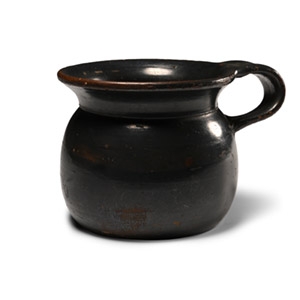
Greek Attic Black-Glazed Terracotta Mug
5th century B.C.Estimate: £400 - 600 (‡+bp*)
Opening Bid: £180
Squat, flat-bottomed with everted rim and single strap handle; reserved underside offset by a groove at its edge, pierced at its centre within a small glazed circle. 102 grams, 93 mm wide
From an American estate, acquired between 1970-1989. Accompanied by a copy of an Art Loss Register certificate no.S00075794. This lot is accompanied by an illustrated lot declaration signed by the Head of the Antiquities Department, Dr Raffaele D’Amato. -
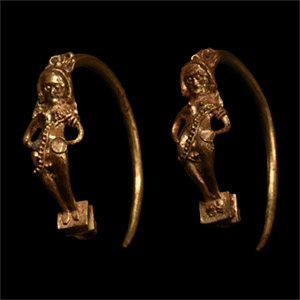
Hellenistic Gold Earring Pair with Nude Figures
5th-3rd century B.C.Sold for (Inc. bp): £1,430
Matched pair, each with a nude female standing on a tiered base with hands on her hips, rosette above her head. 7.59 grams total, 29 mm each
Acquired before 1983. Ex London gallery, 1990s. This lot is accompanied by an illustrated lot declaration signed by the Head of the Antiquities Department, Dr Raffaele D’Amato. -
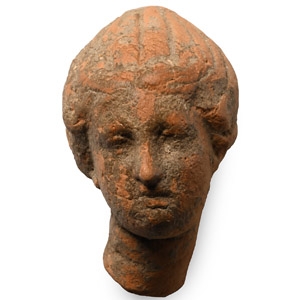
Greek Terracotta Head of a Female
Tarentine, 3rd-1st century B.C.Sold for (Inc. bp): £221
Female head moulded with a segmented conical cap with earlobes visible beneath; the head slightly turned and tilted downwards on a long slender neck. 43 grams, 56 mm
Acquired in the mid 1980s-1990s. Private collection, Switzerland, thence by descent. Private collection, since the late 1990s. This lot is accompanied by an illustrated lot declaration signed by the Head of the Antiquities Department, Dr Raffaele D’Amato.
