
Loading, please wait...
LOT 1503
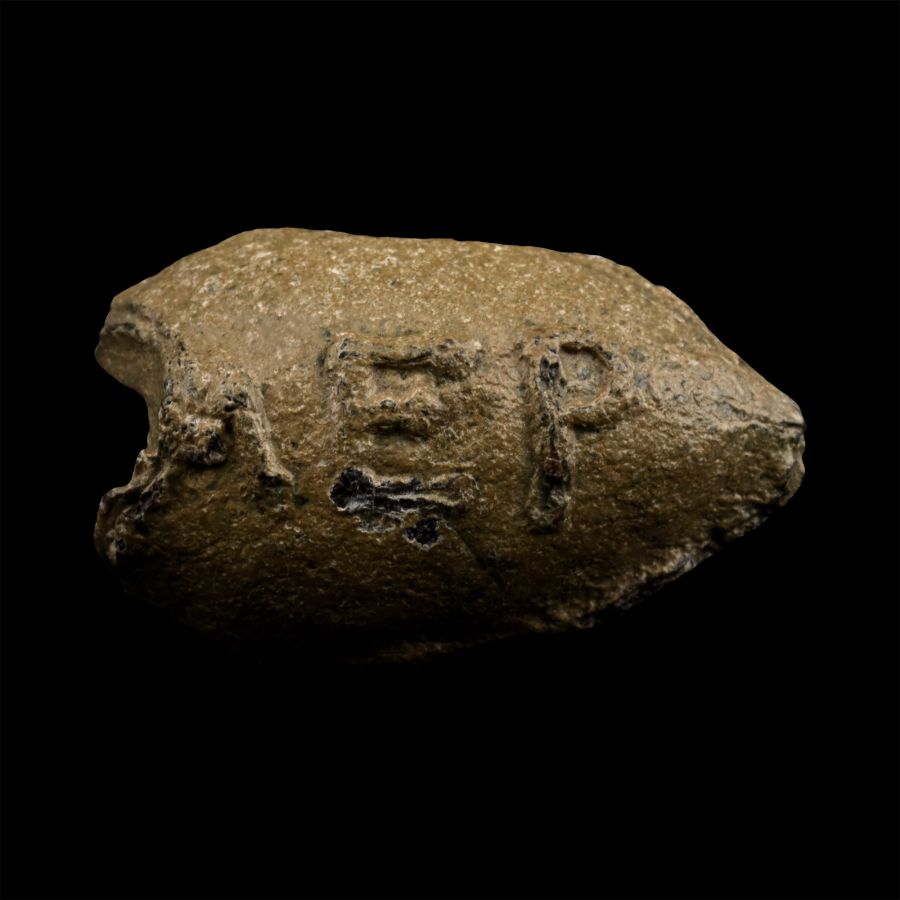
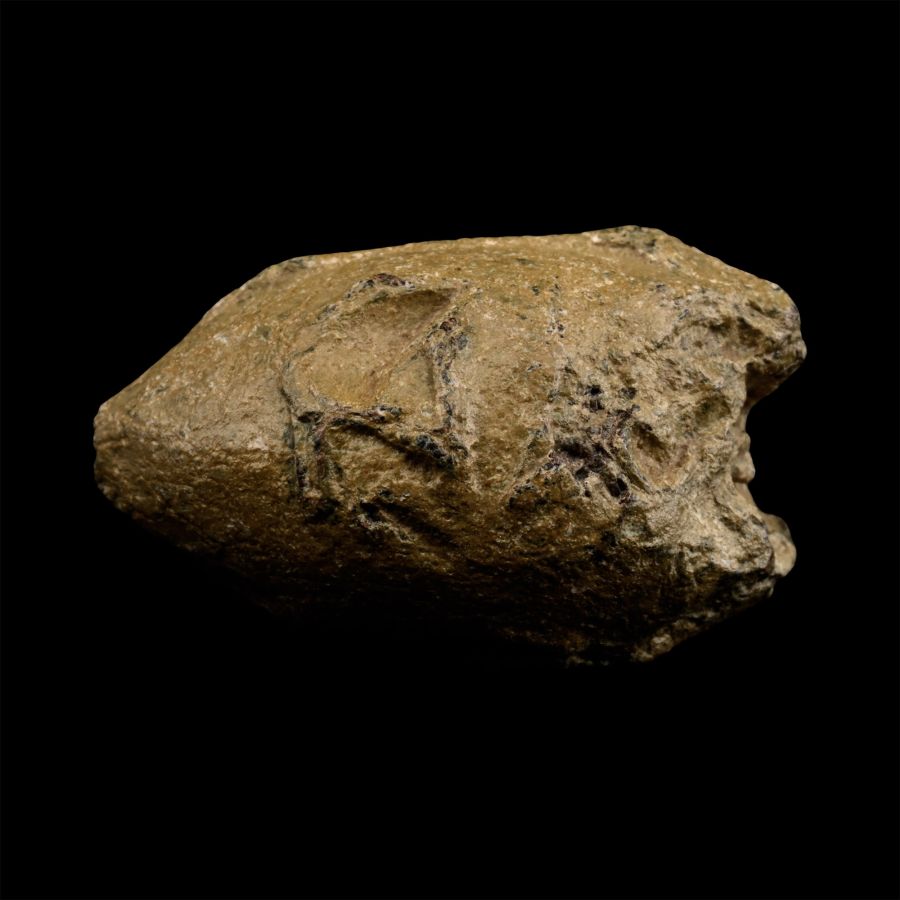
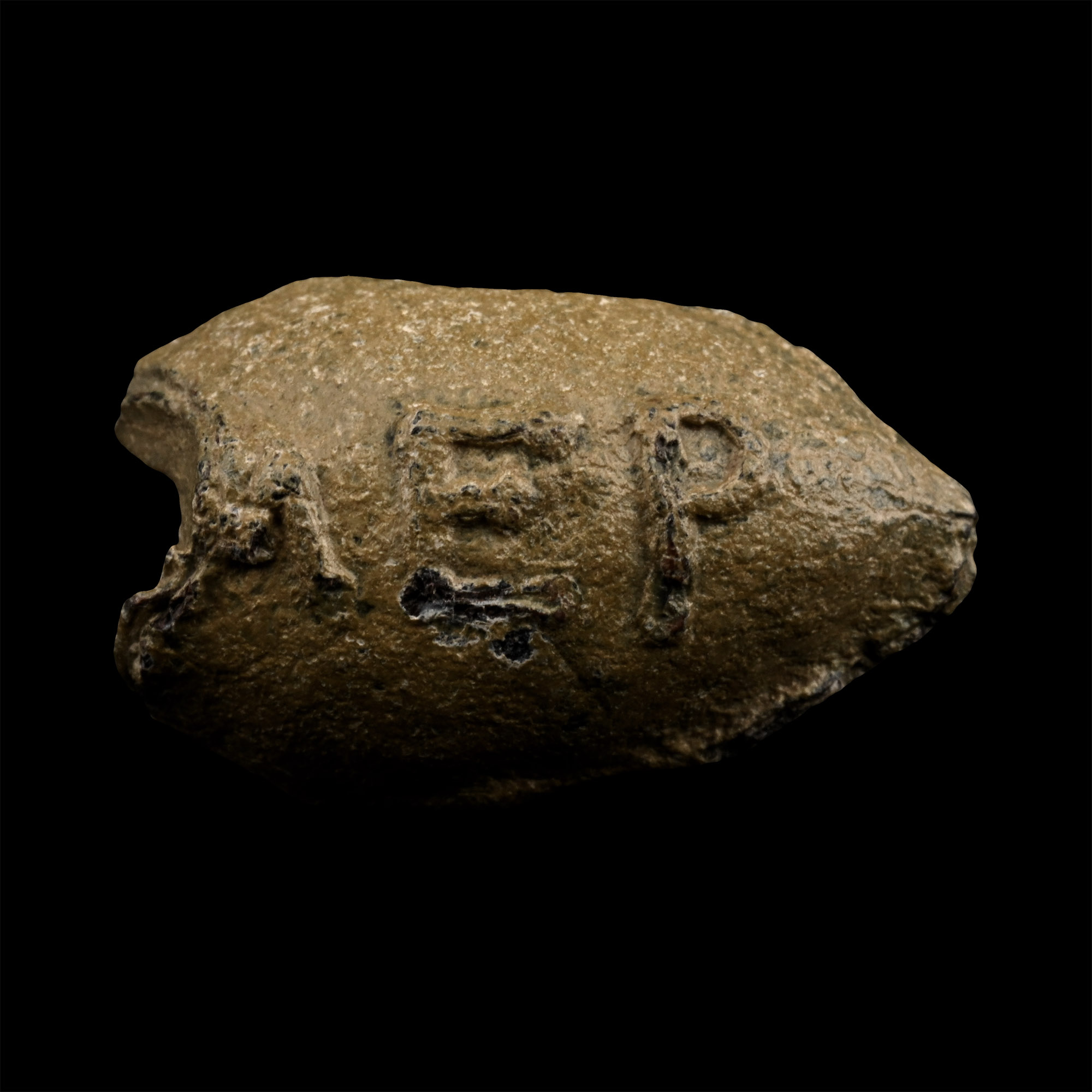
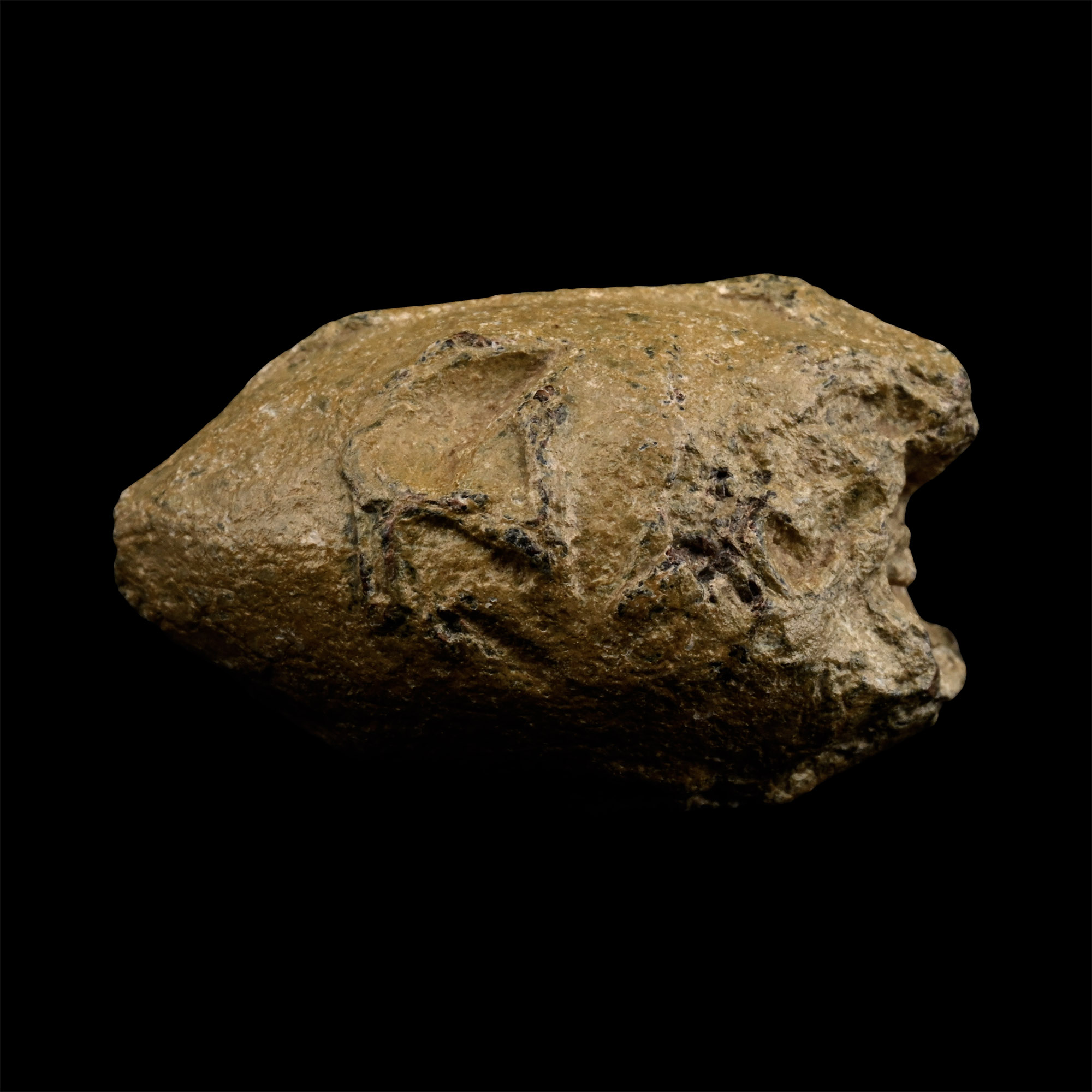
Greek Macedonian Lead Impacted Slingshot
4TH-3RD CENTURY B.C.
1 in. (26.6 grams, 25 mm).
Lentoid type with one end deformed on impact; raised legend '[.]MEP' to one face and 'NA[..]' to the other. [No Reserve]
ProvenanceEx German art market, 2000s.
Acquired from an EU collector living in London.
From the collection of a Surrey, UK, gentleman.
TimeLine Auctions follows a vetting process to ensure the authenticity and legality of all items, reinforcing our commitment to integrity and responsible trading. Each antiquity, antique, and coin lot undergoes thorough examination by a vetting committee of at least ten external specialists, professional trade association members, scientists, and archaeologists: Our Vetting Process
AUCTIONS:
TimeLine is a leading auction house specialising in antiquities, ancient art, collectables, natural history, coins, medals, and books. Our auctions offer museums, collectors, historians, and enthusiasts the opportunity to acquire unique and historically significant pieces.
-
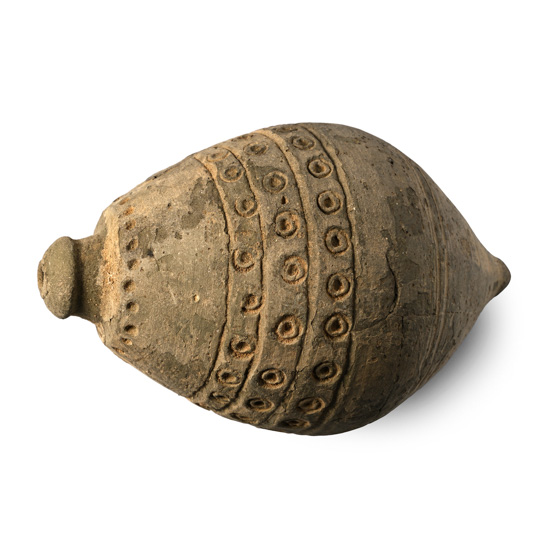
Byzantine 'Greek Fire' Fire Bomb or Hand Grenade
9th-11th century A.D.Sold for (Inc. bp): £91
A piriform vessel with short neck, domed lip and conical base, bands to the shoulder with impressed annulets and other detailing; intended to be filled with explosive liquid and a wick, and used as a hand grenade. 885 grams, 16.3 cm
Fine condition.
From the collection of a North London gentleman, latterly with a London gallery as a display collection exhibiting the wide range of decorative types; accompanied by an academic paper by military specialist Dr Raffaele D'Amato, dated 15 July 2019 and titled Eastern Roman Empire - Greek Fire Bomb or Hand Grenade (μεσαίον kακάβιον) 9th-11th century AD. -
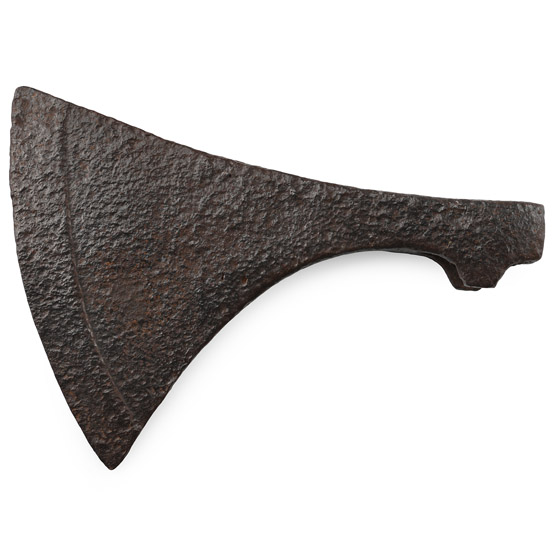
Viking Iron Fighting Broad Axehead
Circa 9th-11th century A.D.Sold for (Inc. bp): £715
With triangular spurs below the square socket, medium-broad flaring triangular-section blade extending to a curved edge, hammer extension to the rear. 280 grams, 15 cm
Ex North American private collection, 1970s. -
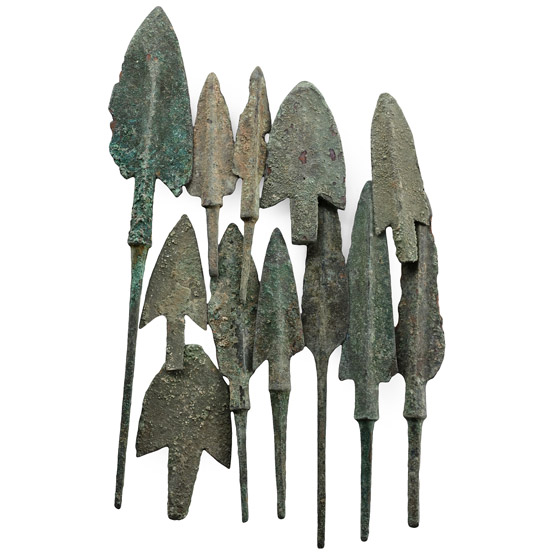
Western Asiatic Bronze Arrowhead Collection
1st millennium B.C.Sold for (Inc. bp): £117
Including triangular, barbed, leaf-shaped and other types. 266 grams total, 6-19.5 cm
Ex London, UK, collection, 1990s.
