
Loading, please wait...
LOT 1844
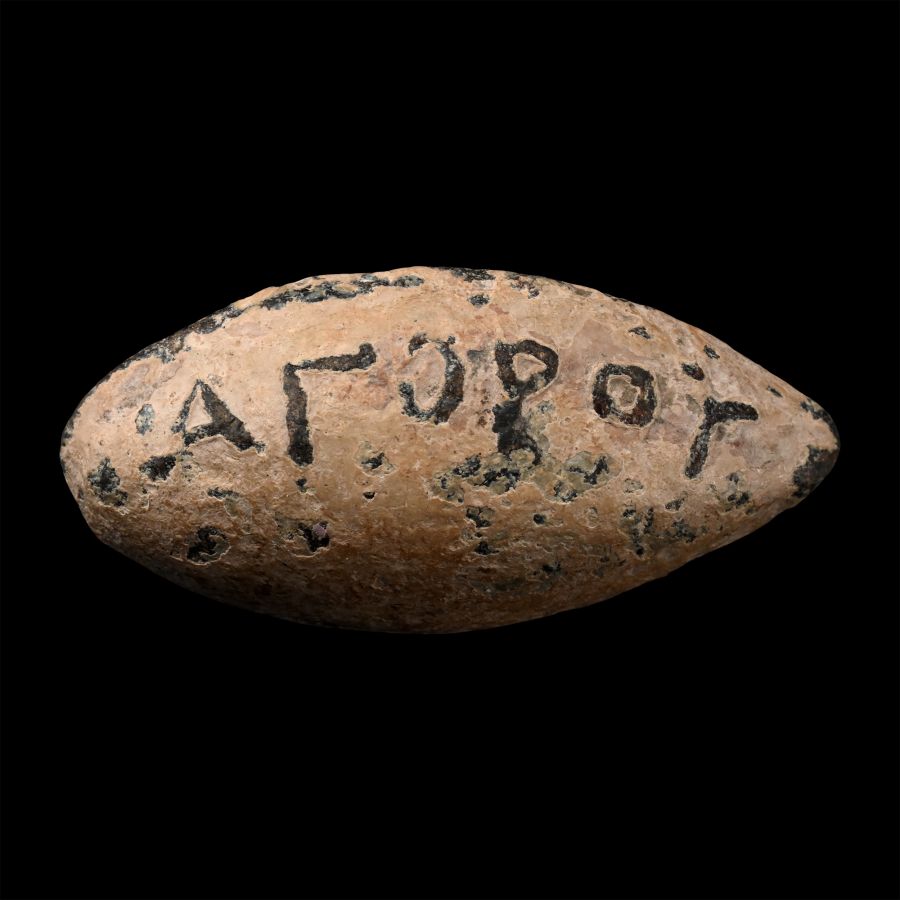
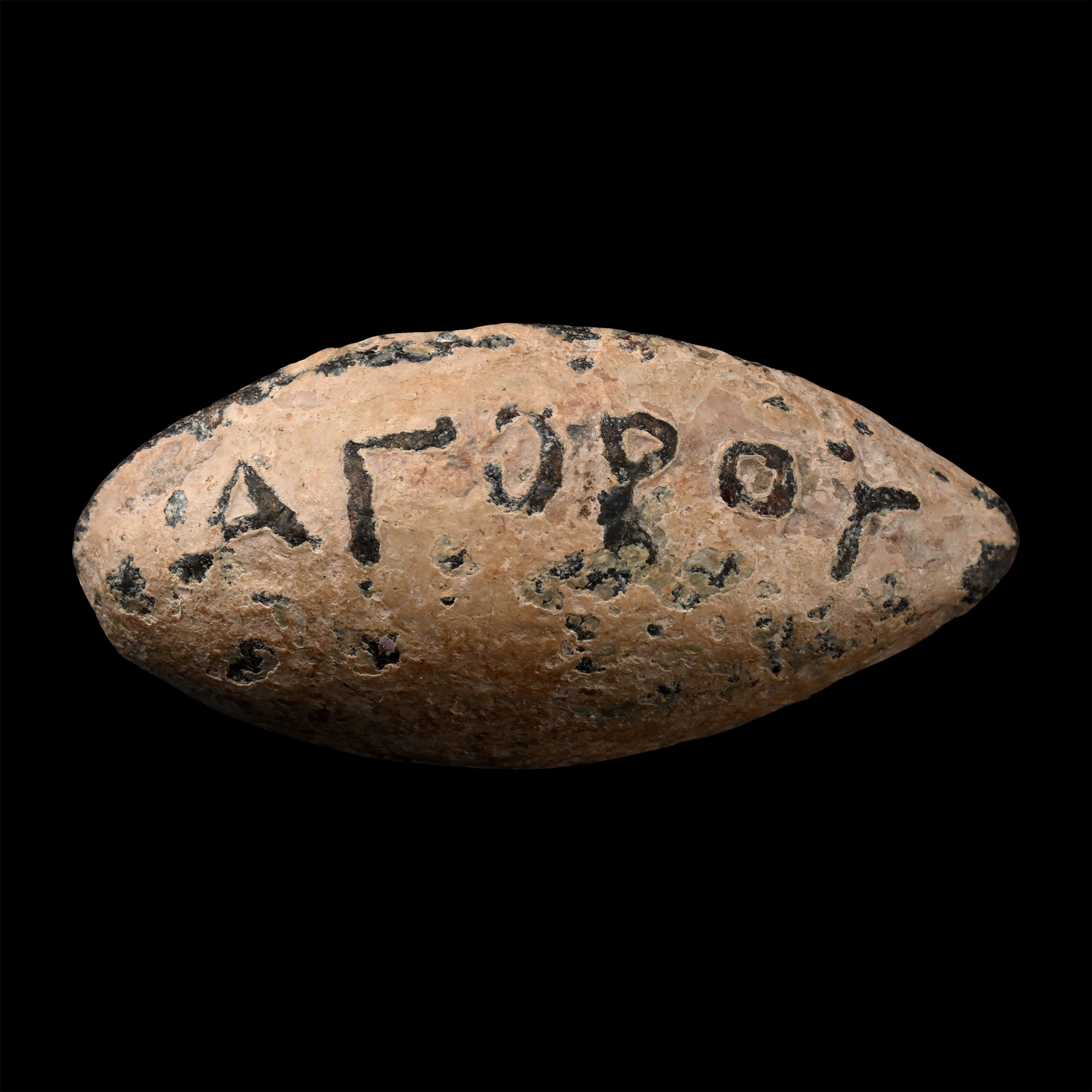
Greek Lead Slingshot with Inscription
4TH-3RD CENTURY B.C.
1 1/4 in. (32.7 grams, 31 mm).
Lenticular type with casting seam to the rim, raised 'AΓΟΡΟΥ' legend (genitive for Agouros = immature, unripe).
ProvenanceEx German art market, 2000s.
Acquired from an EU collector living in London.
From the collection of a Surrey, UK, gentleman.
Cf. for similar bullets (different inscription) Tsaravopoulos, A., ‘Evidence of war in a Pirates’City of the Hellenistic Period (Island Antikythera/Aigilia Greece)’ in Sirbu, V., Schuster, C., Hortopan, D., Warriors and their weapons in bronze and iron ages, Proceedings of the 21st International Colloquium of Funerary Archaeology 25th-28th May, 2023, Târgu Jiu, Gorj County (Romania), Braila, 2023, pp.301-320, figs.15-18.
FootnotesSometimes the bullet carries a joke for the enemy. Here, the bullet bears the inscription ‘immature’, signifying that the enemy will receive not a nice fruit to eat, but an unripe fruit, a fruit he never wants to get.
CONDITIONTimeLine Auctions follows a vetting process to ensure the authenticity and legality of all items, reinforcing our commitment to integrity and responsible trading. Each antiquity, antique, and coin lot undergoes thorough examination by a vetting committee of at least ten external specialists, professional trade association members, scientists, and archaeologists: Our Vetting Process
AUCTIONS:
TimeLine is a leading auction house specialising in antiquities, ancient art, collectables, natural history, coins, medals, and books. Our auctions offer museums, collectors, historians, and enthusiasts the opportunity to acquire unique and historically significant pieces.
-
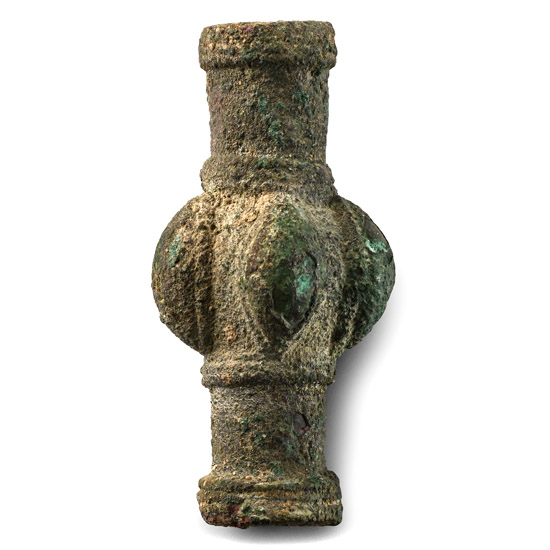
Western Asiatic Bronze Macehead
2nd-1st millennium B.C.Estimate: £150 - 200 (+bp*)
Opening Bid: £75
Tubular in plan with collar to mouth and base, five radiating bulbs. 138 grams, 74 mm
From the collection of a gentleman, acquired on the London art market in the 1990s. -
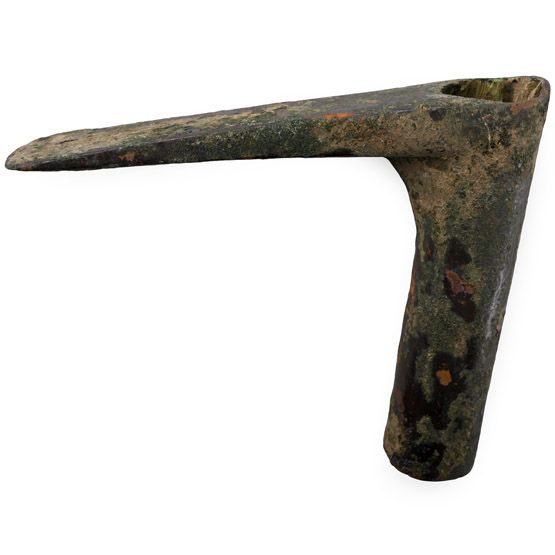
Luristan Bronze Socketted Adze
2nd-1st millennium B.C.Sold for (Inc. bp): £111
Long tubular socket, rectangular-section tapering blade with convex cutting edge. 355 grams, 14.2 cm
Ex Abelita family collection, 1980s-2000s. -
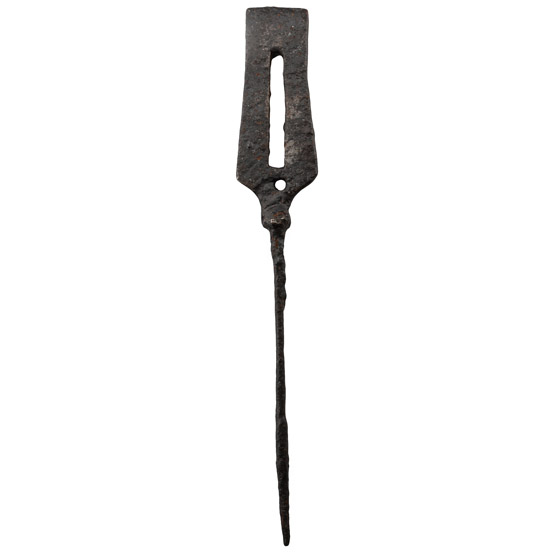
Large Medieval Tanged Iron Incendiary Fire Arrowhead
Circa 13th-15th century A.D.Sold for (Inc. bp): £169
Comprising a long slender tang and balustered neck, rectangular head with 'chisel' blade, median slot and hole for attachment of flammable material. 31.9 grams, 16.9 cm
Acquired from a USA private collector in the 1990s. Ex Buckinghamshire, UK, collection.
