
Loading, please wait...
LOT 1480
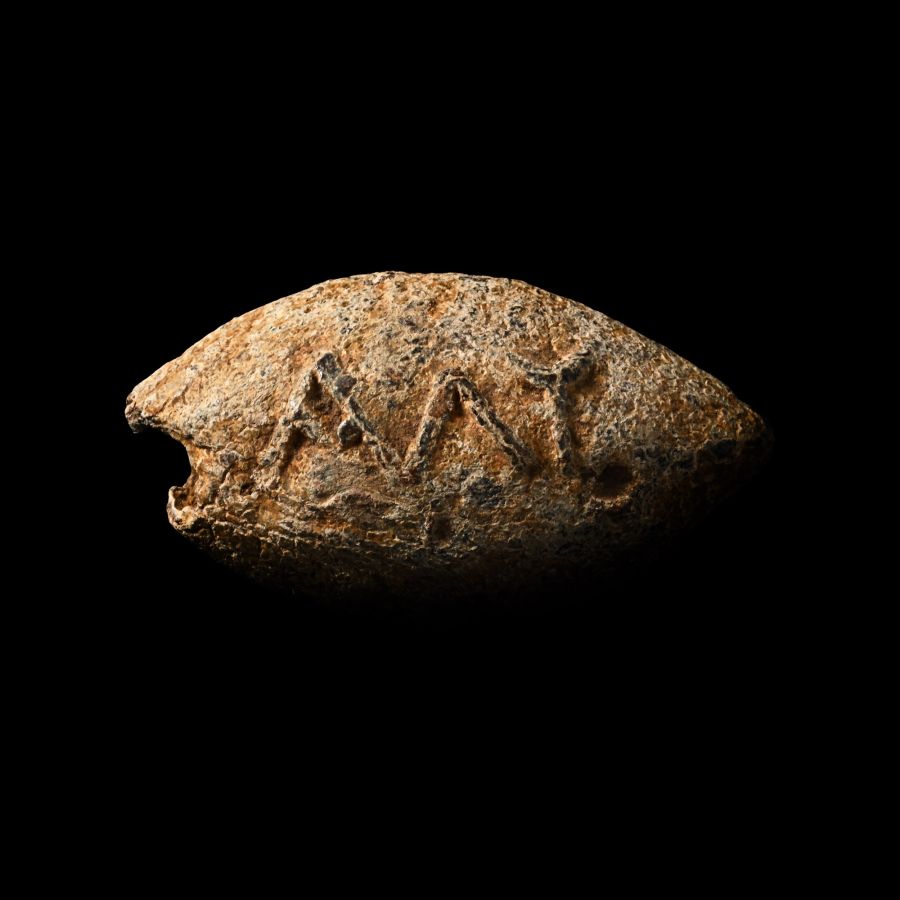
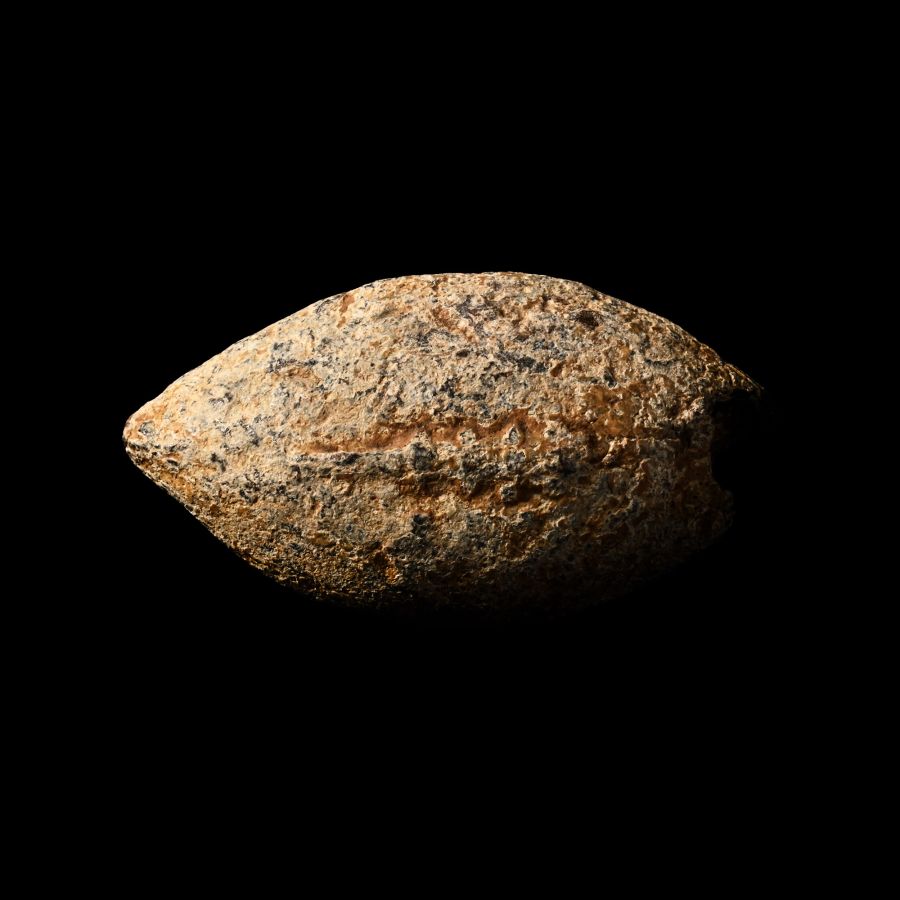
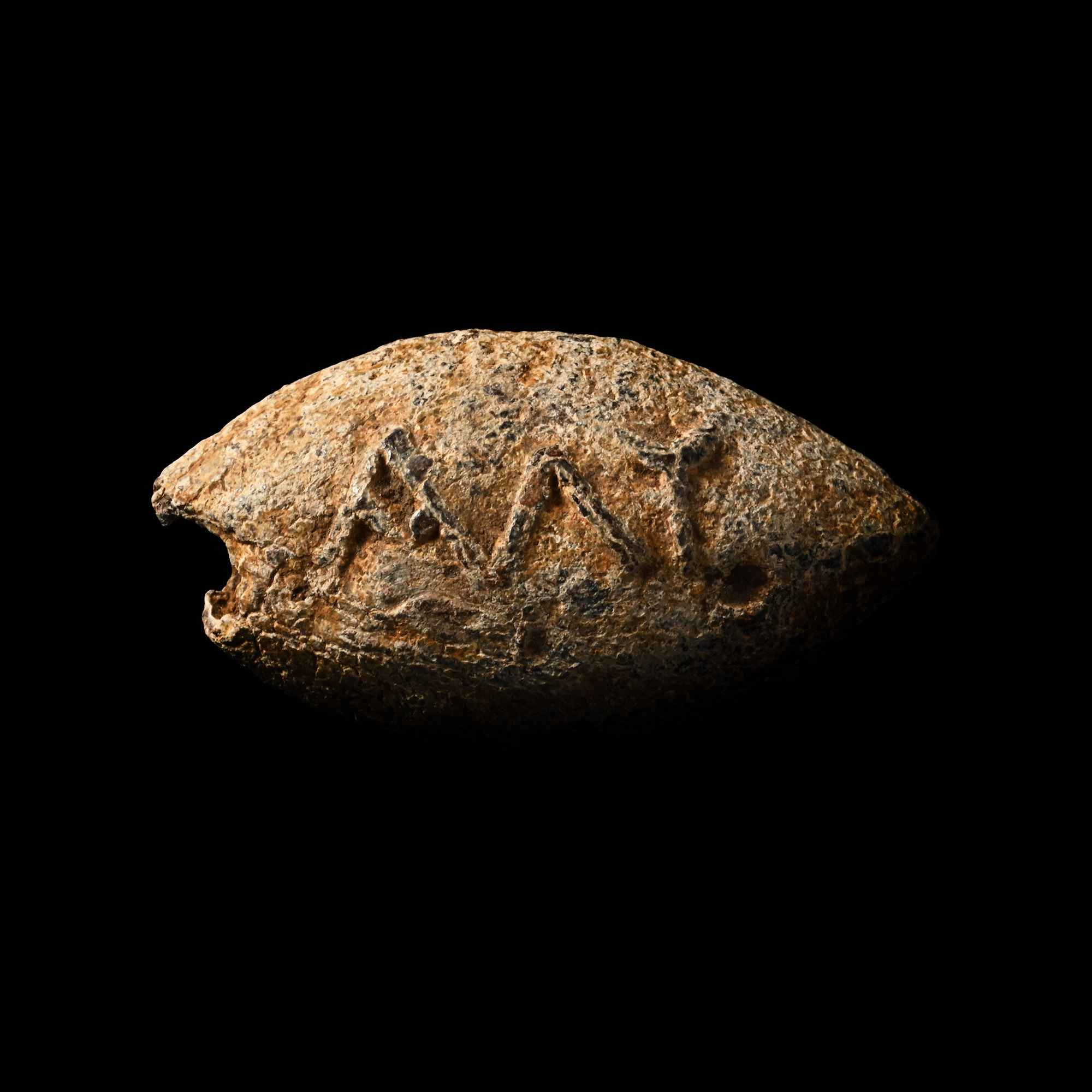
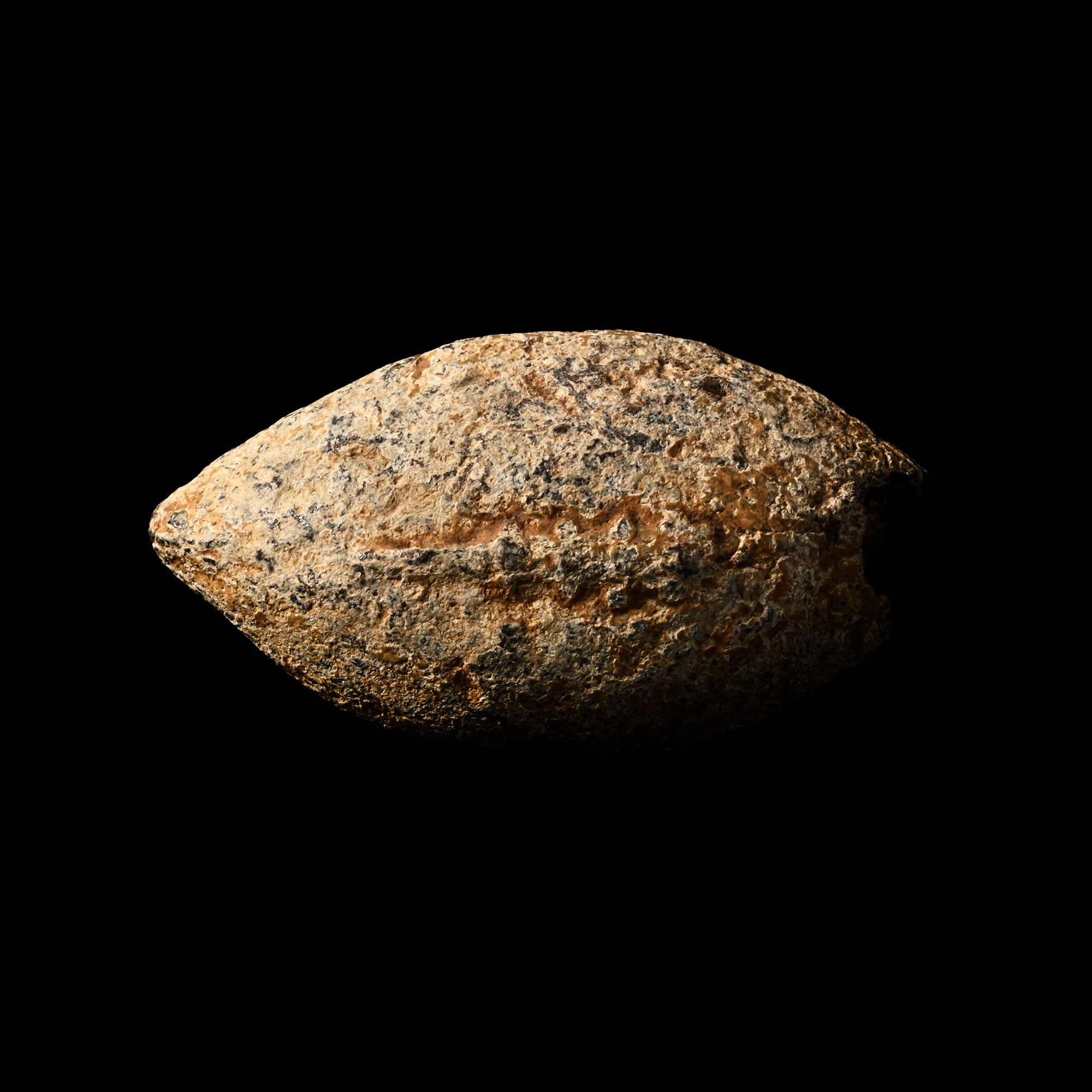
Greek Lead Slingshot of Alexander the Great
3RD-1ST CENTURY B.C.
1 1/4 in. (29.6 grams, 30 mm).
Biconical in profile with casting seam and reserved legend 'ΑΛ[EXANΔΡΟ]Υ.', the club of Herakles on the other side. [No Reserve]
ProvenanceAcquired on the German art market before 2000.
Private collection, Munich, Germany.
See Akat Özenir, S., ‘Some Inscribed Lead Sling Bullets from Miletos’ in Epigraphica Anatolica 50 (2017), pp. 167–178, nos.19-21, for similar.
FootnotesThe presence of the club of Herakles connects the slingshot with the Macedonian Dynasty. Similar slingshots were found in Miletos.
CONDITIONTimeLine Auctions follows a vetting process to ensure the authenticity and legality of all items, reinforcing our commitment to integrity and responsible trading. Each antiquity, antique, and coin lot undergoes thorough examination by a vetting committee of at least ten external specialists, professional trade association members, scientists, and archaeologists: Our Vetting Process
AUCTIONS:
TimeLine is a leading auction house specialising in antiquities, ancient art, collectables, natural history, coins, medals, and books. Our auctions offer museums, collectors, historians, and enthusiasts the opportunity to acquire unique and historically significant pieces.
-
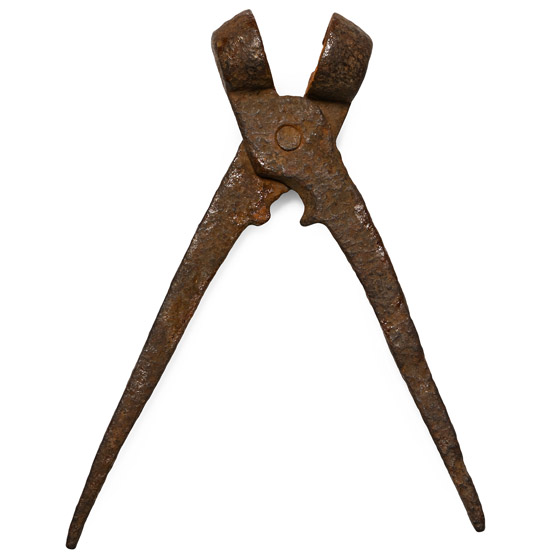
Post Medieval Iron Pistol Ball Scissor Mould
17th-19th century A.D.Sold for (Inc. bp): £20
Comprising a two-part mould with pivoting handles. 50.5 grams, 11.3 cm
Found Suffolk, UK. Property of a Suffolk, UK, gentleman. -
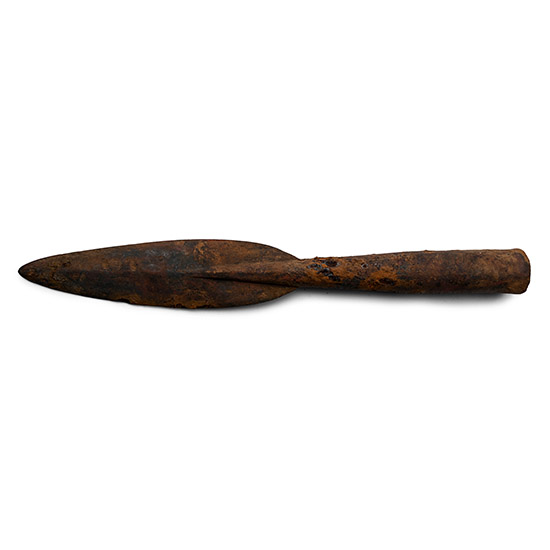
Large Greek Socketted Iron Spearhead
Sarissa, circa 3rd-2nd century B.C.Sold for (Inc. bp): £247
Comprising a leaf-shaped lentoid-section blade and long tubular socket. 826 grams, 38.5 cm
Ex Hermann Historica, 7 October 2009, no.207 (Part). Private collection, Germany. Kept in the UK from 2016. -
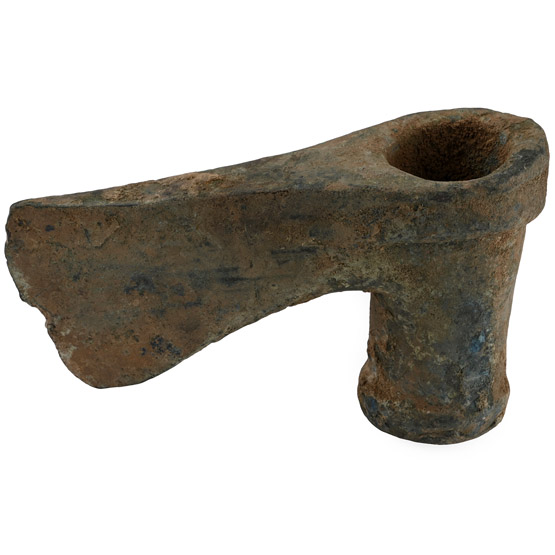
Large Luristan Bronze Socketted Axehead
2nd-1st millennium B.C.Sold for (Inc. bp): £117
With convex cutting edge and prominent round socket. 955 grams, 14.4 cm
Ex Abelita family collection, 1980s-2000s.
