
Loading, please wait...
LOT 0100
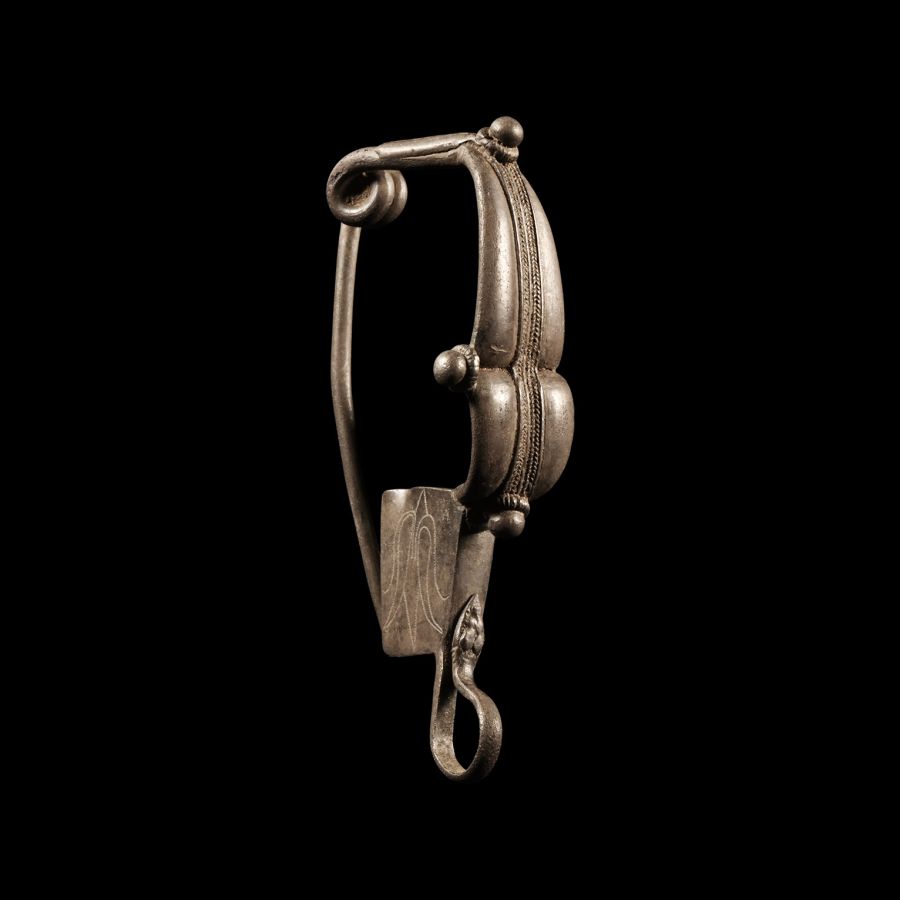
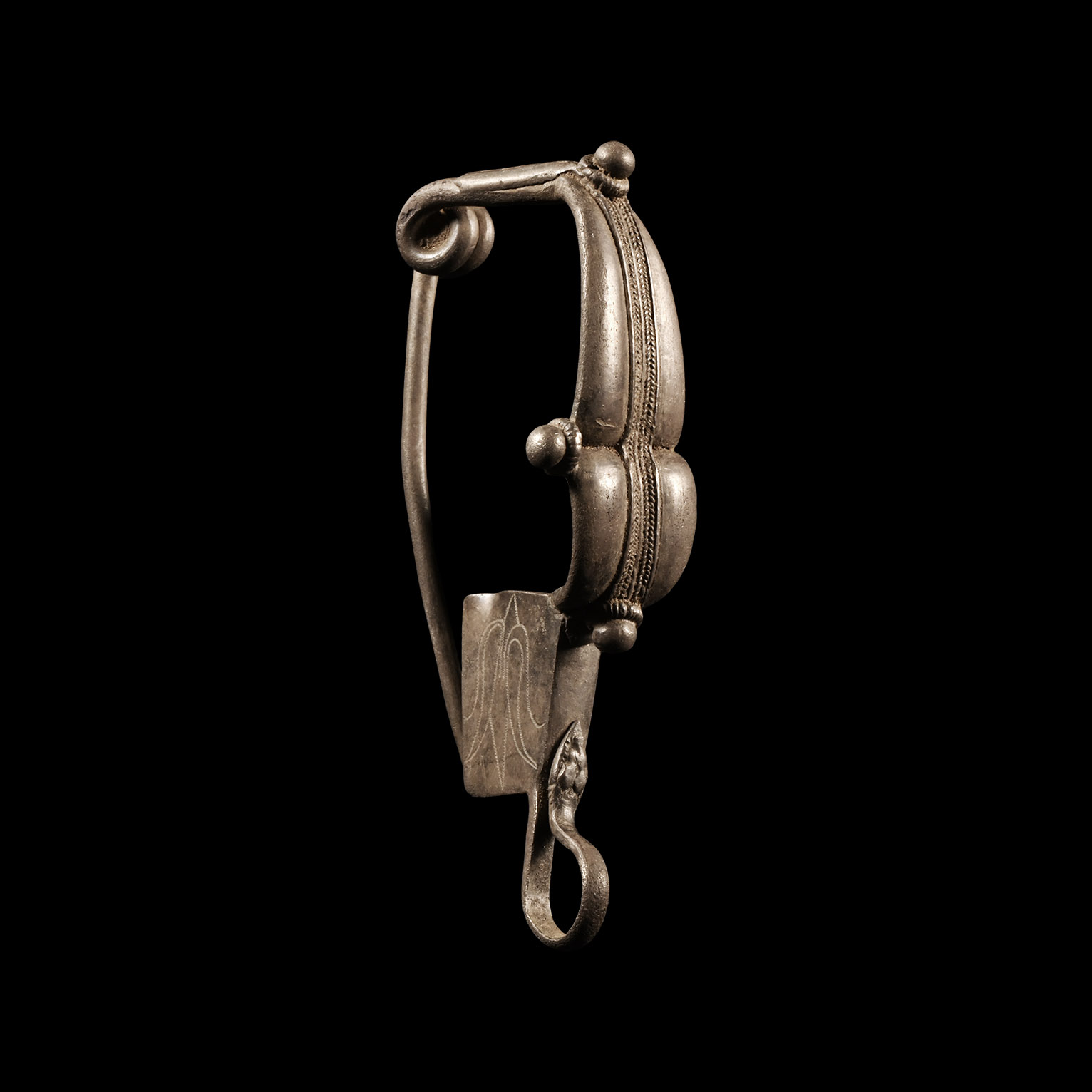
Greek Italic Silver Fibula
5TH-4TH CENTURY B.C.
2 1/2 in. (13.5 grams, 63 mm).
Segmented body with central filigree wiring, collared knops to three corners, integral coiled pin and trapezoidal catchplate with lotus flower engraved to the outer face, loop with stylised serpentine head to base.
ProvenanceAcquired in Europe before 1994.
European collection.
TimeLine Auctions follows a vetting process to ensure the authenticity and legality of all items, reinforcing our commitment to integrity and responsible trading. Each antiquity, antique, and coin lot undergoes thorough examination by a vetting committee of at least ten external specialists, professional trade association members, scientists, and archaeologists: Our Vetting Process
AUCTIONS:
TimeLine is a leading auction house specialising in antiquities, ancient art, collectables, natural history, coins, medals, and books. Our auctions offer museums, collectors, historians, and enthusiasts the opportunity to acquire unique and historically significant pieces.
LOT 0100
Greek Italic Silver Fibula
Estimate £600 - 800€700 - 930 (for guidance only)$810 - 1,080 (for guidance only)
-
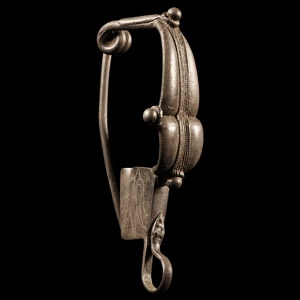
Greek Italic Silver Fibula
5th-4th century B.C.Estimate: £600 - 800 (‡+bp*)
Opening Bid: £300
Segmented body with central filigree wiring, collared knops to three corners, integral coiled pin and trapezoidal catchplate with lotus flower engraved to the outer face, loop with stylised serpentine head to base. 13.5 grams, 63 mm
Acquired in Europe before 1994. European collection. -
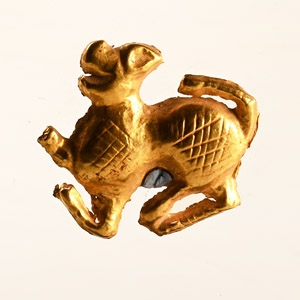
Scythian Gold Appliqué
Late 1st millennium B.C.Sold for (Inc. bp): £546
Formed using sheet-gold in the shape of an animal bounding left, incised detailing to the coat; accompanied by a display mount. 33.78 grams total, 71 mm including stand
Ex Symes Gallery, Mayfair, London, UK. Exhibited in 'Schythian Gold', pre 1999. -
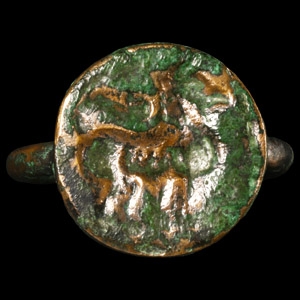
Greek Bronze Ring with Animal
3rd-2nd century B.C.Sold for (Inc. bp): £130
With round-section hoop, the round bezel with a standing quadruped with its tail curved above its back. 7.80 grams, 26.32 mm overall, 20.45 mm internal diameter (approximate size British U 1/2, USA 10 1/4, Europe 23.15, Japan 22)
Ex old English collection. London art market, 1980s.
