
Loading, please wait...
LOT 0497
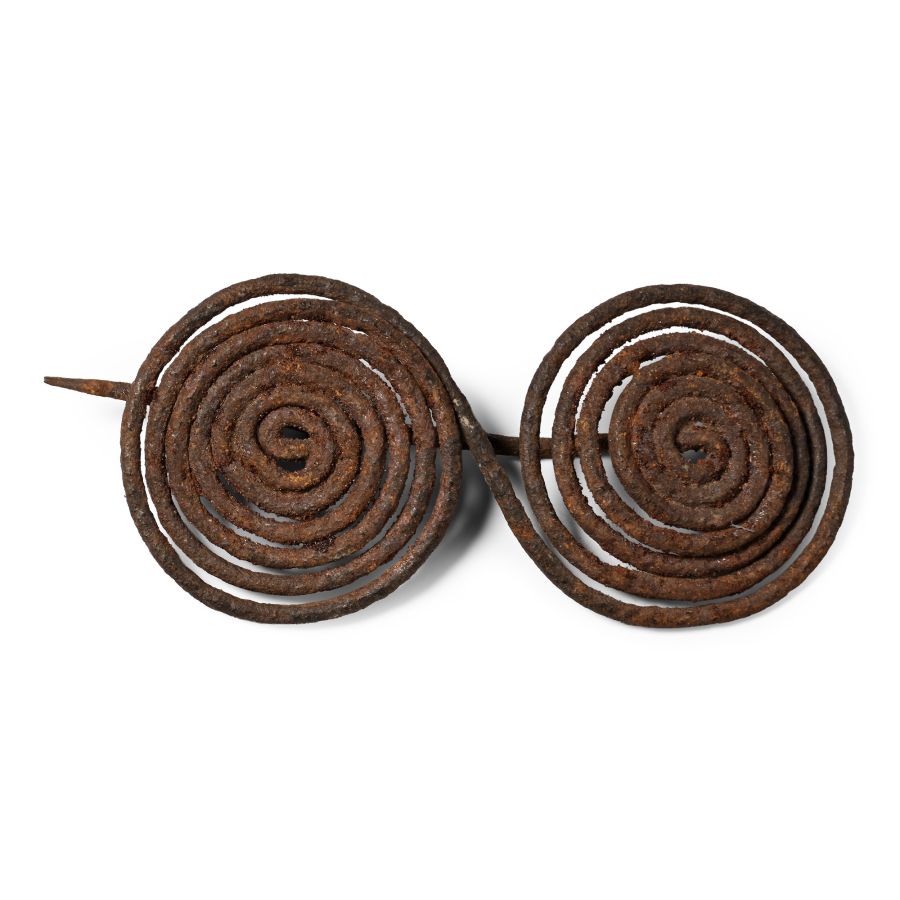
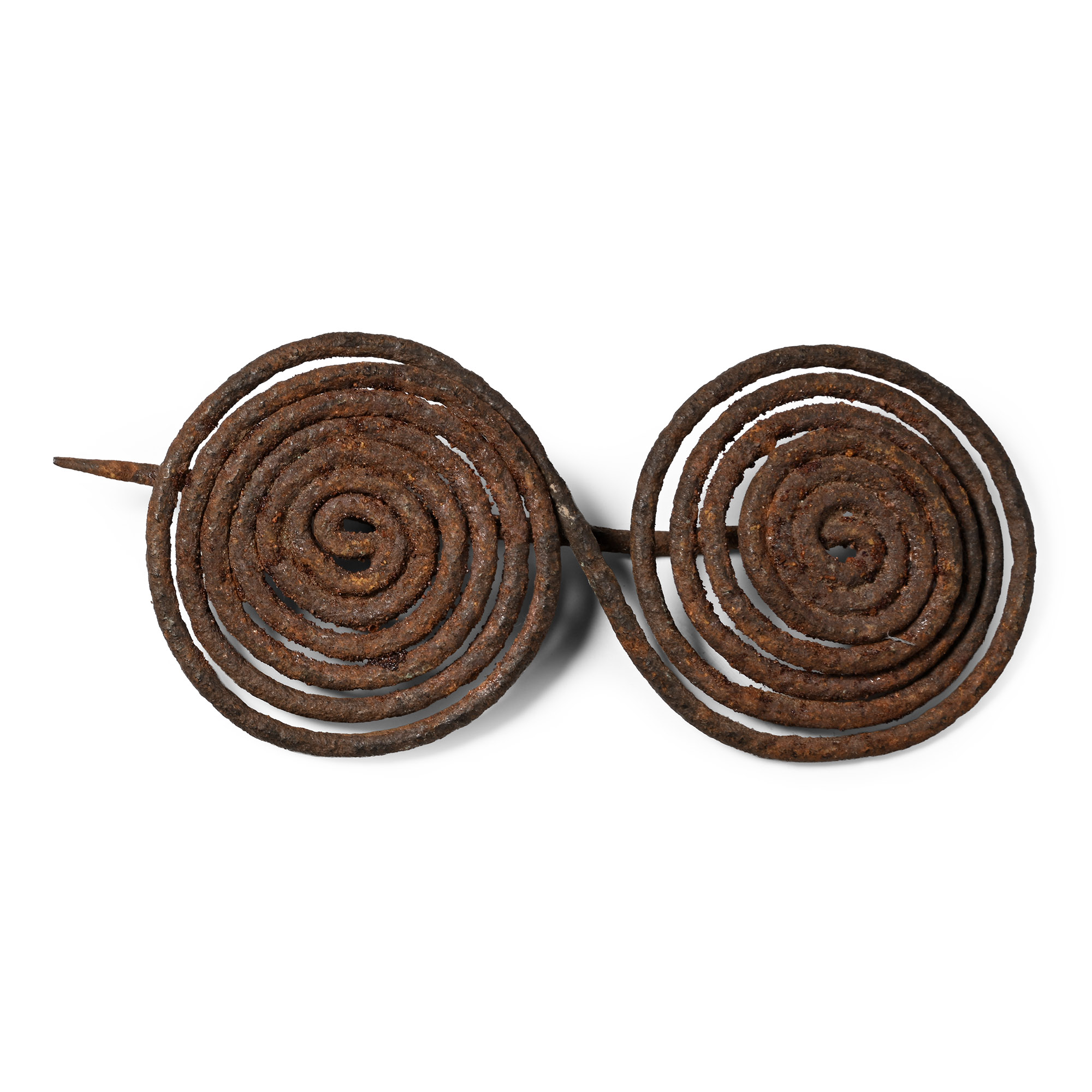
Greek Iron Spectacle Brooch with Pin
IRON AGE, CIRCA 4TH CENTURY B.C.
4 1/4 in. (48.3 grams, 10.8 cm).
Formed as a single rod in two large tightly-wound coils with integral pin and catch to reverse.
ProvenanceFrom a UK collection formed in the 1980s.
Property of an Essex, UK, gentleman.
Cf. The Metropolitan Museum of Art, accession number 37.11.18, for similar.
CONDITIONTimeLine Auctions follows a vetting process to ensure the authenticity and legality of all items, reinforcing our commitment to integrity and responsible trading. Each antiquity, antique, and coin lot undergoes thorough examination by a vetting committee of at least ten external specialists, professional trade association members, scientists, and archaeologists: Our Vetting Process
AUCTIONS:
TimeLine is a leading auction house specialising in antiquities, ancient art, collectables, natural history, coins, medals, and books. Our auctions offer museums, collectors, historians, and enthusiasts the opportunity to acquire unique and historically significant pieces.
-
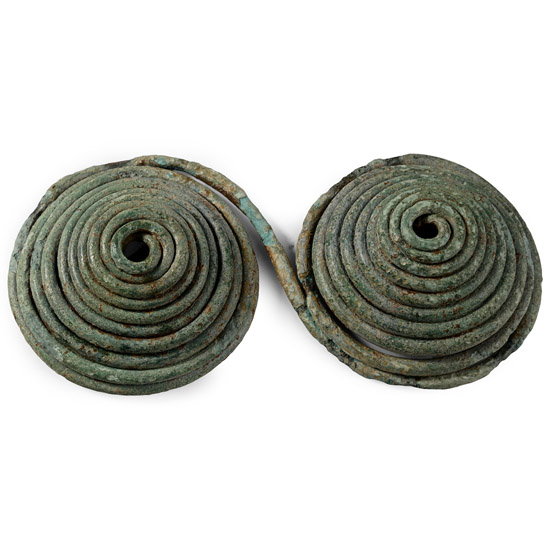
Greek Bronze Spectacle Brooch
Bronze Age, circa 8th century B.C.Sold for (Inc. bp): £169
Formed as a single rod in two large tightly-wound domed coils with integral catch to reverse of each dome. 121 grams, 12 cm
From a UK collection formed in the 1980s. Property of an Essex, UK, gentleman. -
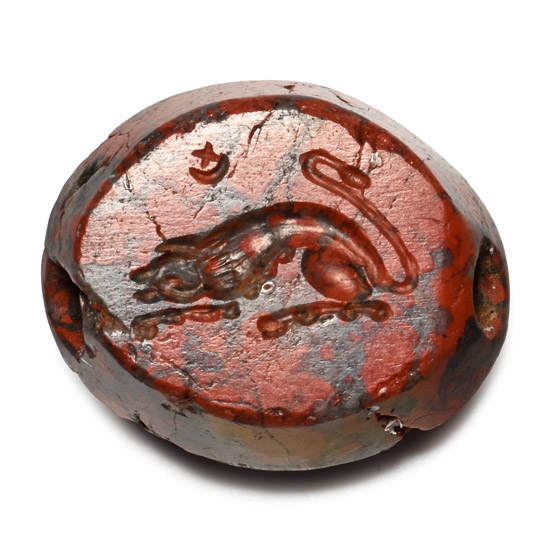
Greek Red Variegated Gemstone with Lioness
6th-4th century B.C.Sold for (Inc. bp): £169
Scaraboid type with incuse design to the underside of a lioness crouching in profile with star and crescent moon above; supplied with a museum-quality impression. 1.94 grams, 15 mm
From the private collection of a European gentleman (1942-2024), formed since the 1970s. -
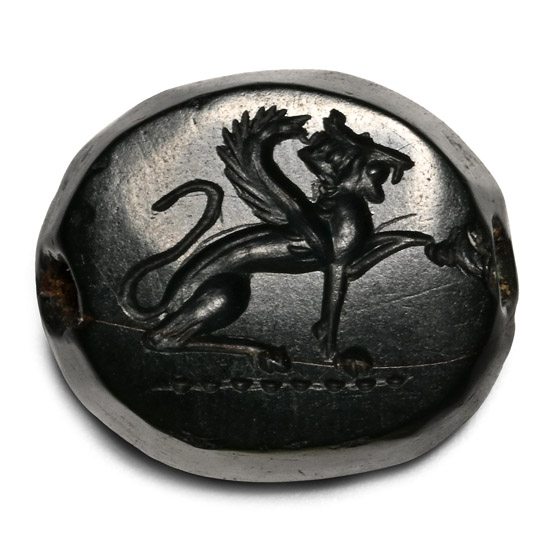
Eastern Greek Scaraboid Gemstone with Gryphon
4th-2nd century B.C. or laterSold for (Inc. bp): £650
Scaraboid type with incuse design to the underside of a winged gryphon with one foreleg raised; supplied with a museum-quality impression. 1.24 grams, 13 mm
From the private collection of a European gentleman (1942-2024), formed since the 1970s.
