Loading, please wait...

Use mousewheel to zoom in and out, click to enlarge

Details

LOT 1482

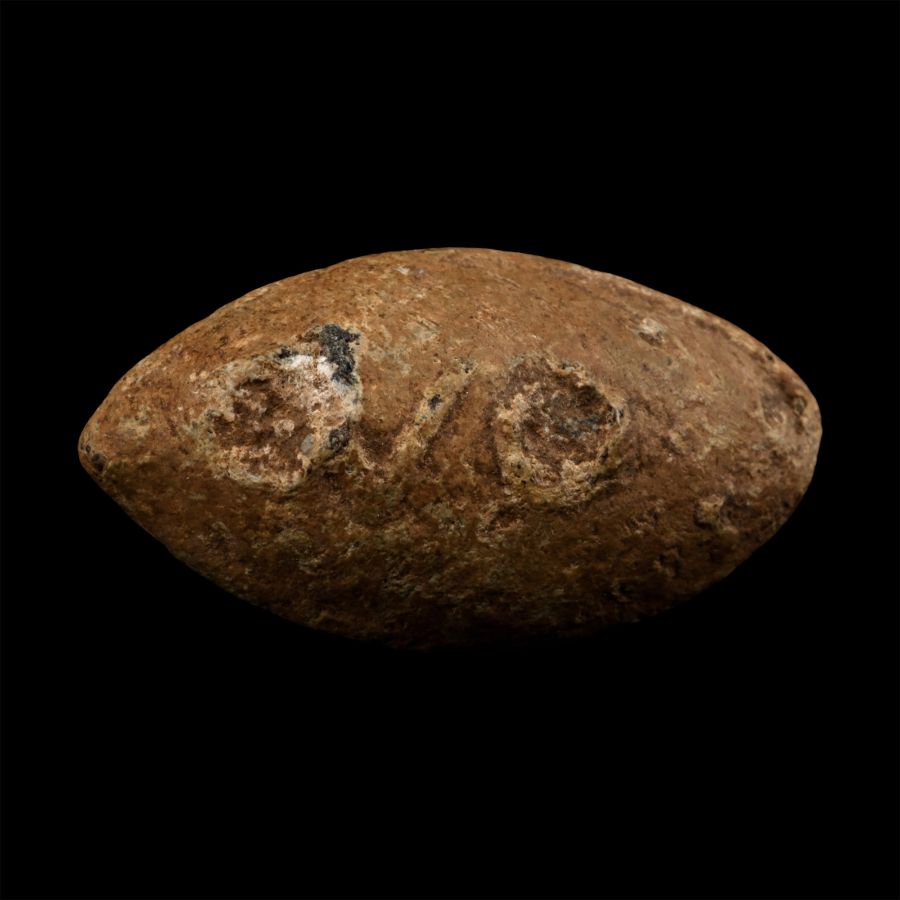
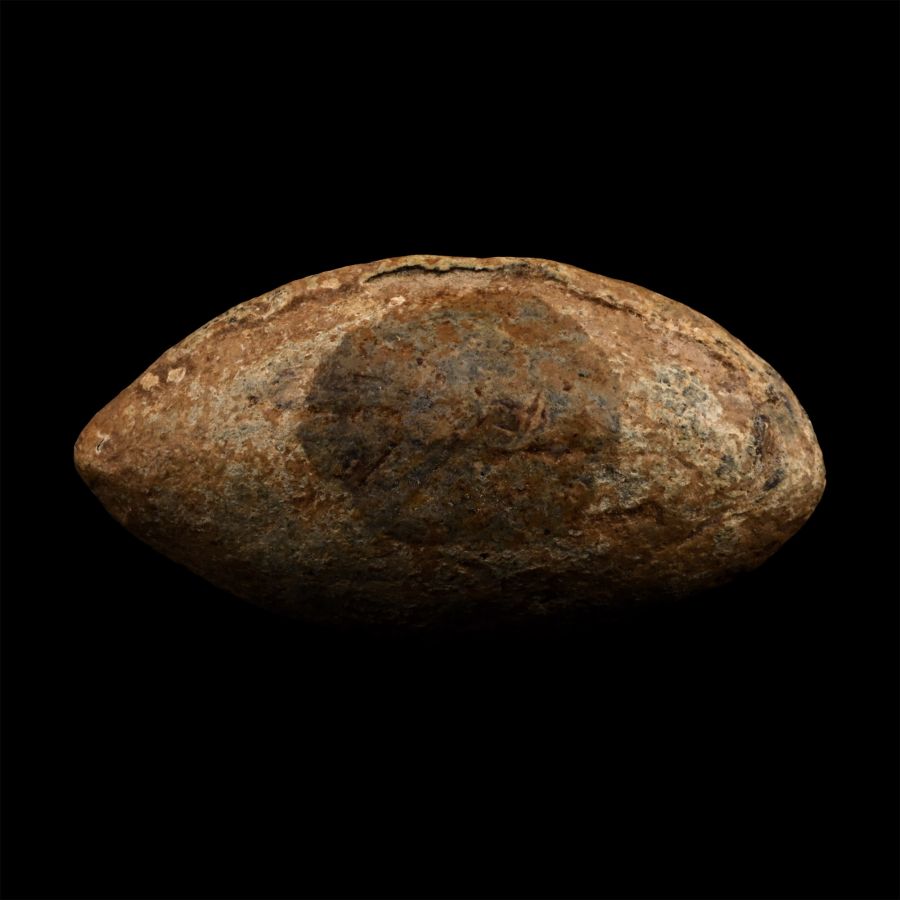
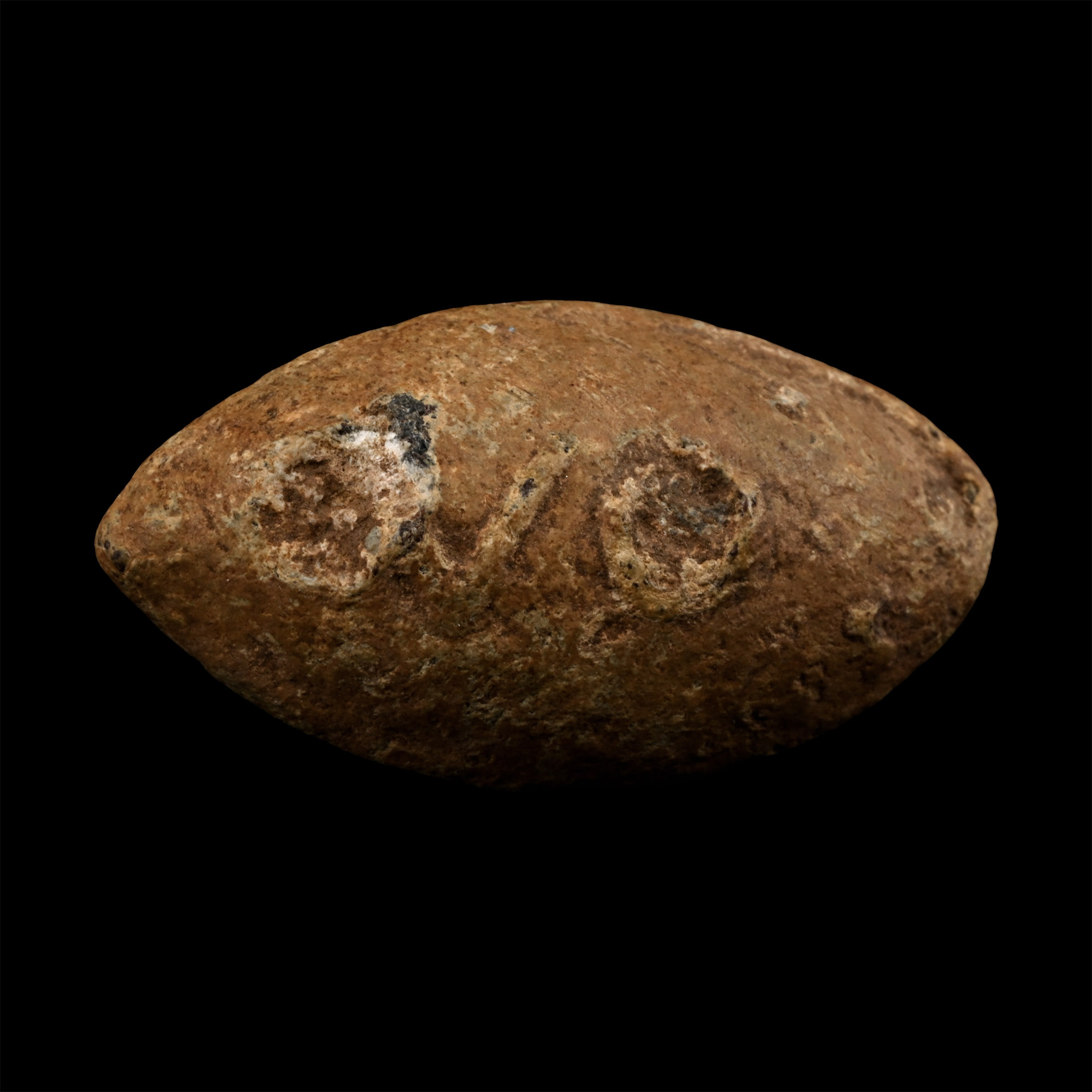
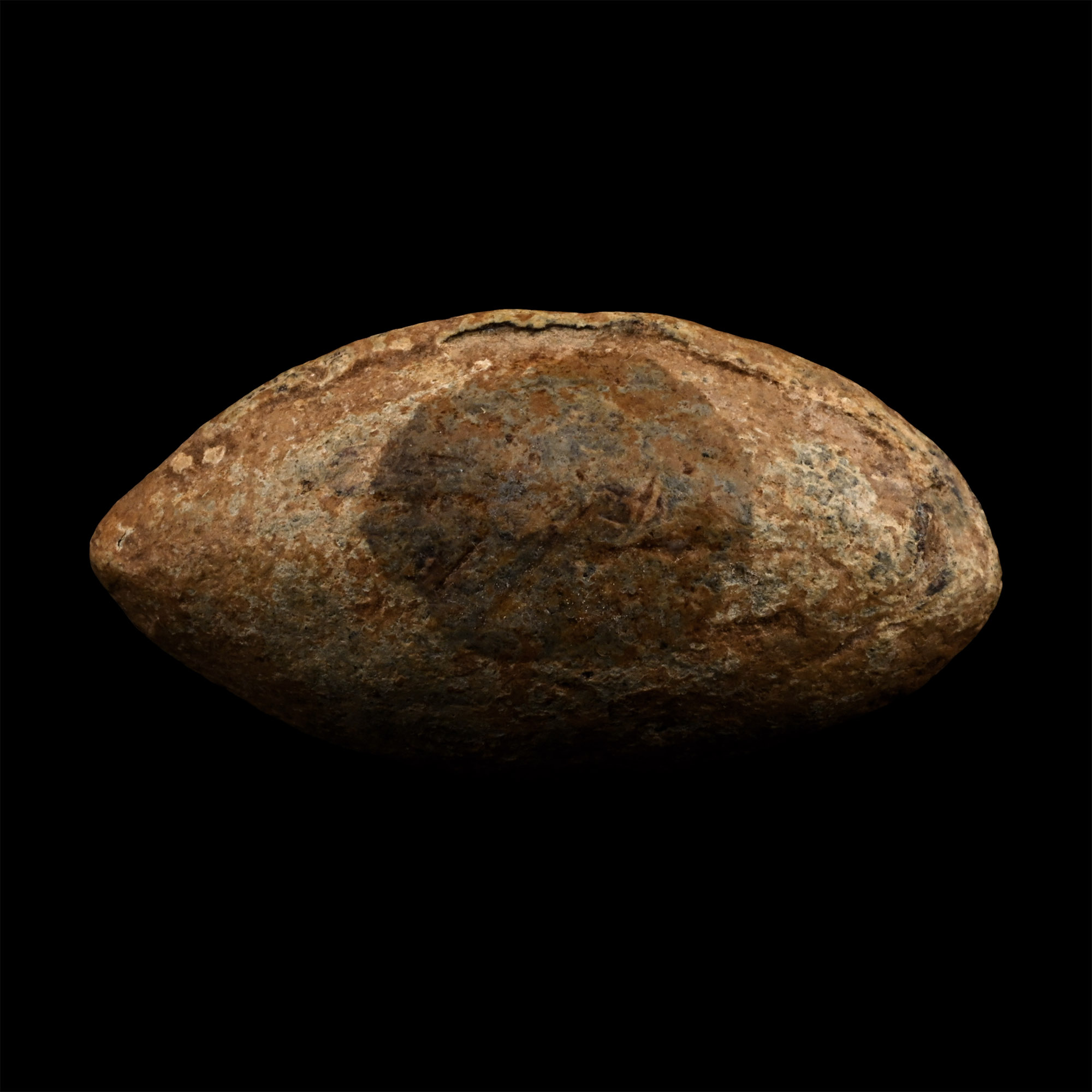
Greek Hellenic Inscribed Lead Slingshot

3RD CENTURY B.C.

1 1/4 in. (4.53 grams, 34 mm).

Lenticular type with casting seam to the rim, raised 'OΛO' legend; with old dealer's ticket. [No Reserve]

Provenance

From Asia.
Acquired on the UK art market.
From the private collection of an East Anglian, UK, Specialist Collector.

Accompanied by a copy of a previous catalogue entry.

CONDITION

VETTING:

TimeLine Auctions follows a vetting process to ensure the authenticity and legality of all items, reinforcing our commitment to integrity and responsible trading. Each antiquity, antique, and coin lot undergoes thorough examination by a vetting committee of at least ten external specialists, professional trade association members, scientists, and archaeologists: Our Vetting Process


AUCTIONS:

TimeLine is a leading auction house specialising in antiquities, ancient art, collectables, natural history, coins, medals, and books. Our auctions offer museums, collectors, historians, and enthusiasts the opportunity to acquire unique and historically significant pieces.

LOT 1482

Greek Hellenic Inscribed Lead Slingshot

Sold for (Inc. bp): £130

Print page

RELATED LOTS

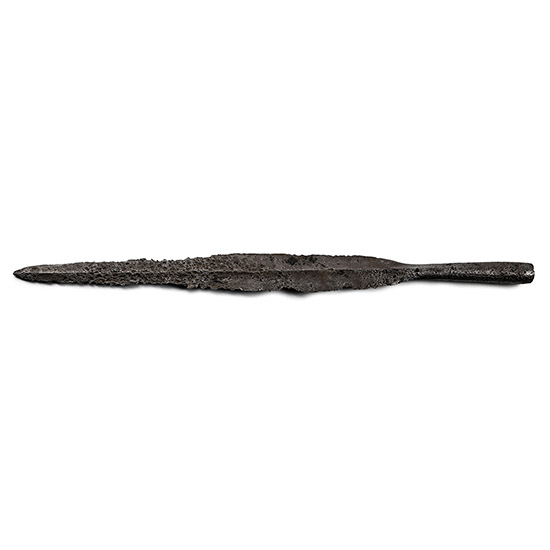
  • Large Greek Socketted Iron Spearhead
    Large Greek Socketted Iron Spearhead
    Sarissa, circa 3rd-2nd century B.C.

    Sold for (Inc. bp): £247

    Comprising a leaf-shaped lentoid-section blade and long tubular socket. 826 grams, 38.5 cm


    Ex Hermann Historica, 7 October 2009, no.207 (Part). Private collection, Germany. Kept in the UK from 2016.

    Lot Details

  • Viking Iron Pattern-Welded Sword
    Viking Iron Pattern-Welded Sword
    8th-9th century A.D.

    Sold for (Inc. bp): £8,450

    Double-edged cutting sword of Petersen type A with a finely tapering blade, showing pattern-welding; upper and lower guards with strongly curved sides; the cross-guard boat-shaped with an acute tapering tang; the pommel attached with two nails to the original boat-shaped upper guard. 809 grams, 85.5 cm


    From the private collection of a London gentleman, from his grandfather's collection formed before the early 1970s. Accompanied by an academic report by Dr Raffaele D’Amato. This lot has been checked against the Interpol Database of stolen works of art and is accompanied by search certificate no. 13064-249347.

    Petersen originally individuated eight examples of this sword’s typology, one of the first categories of Viking swords, although these swords were also widely used in the Carolingian Empire and widespread among the Italic population as well (frescoes from the Necropolis of S.Andrea Priu, Sardegna, 8th or 9th century AD), where specimens are still attested in the 10th century A.D (D’Amato-Salimbeti, 2020, p.23). The evenly wide, three-sided pommel, narrower than the guard, was the most characteristic element of such swords, and in some cases it was divided into three segments, or even seven segments (swords from Neri, Opstryn s., Stryn, Nordfjord). Thes tend to be confused with the similar pommels of the swords of H typology (Petersen, 1919, pp.89ff.), but in these latter swords the guards are wider and with an elliptical cross-section.

    Lot Details

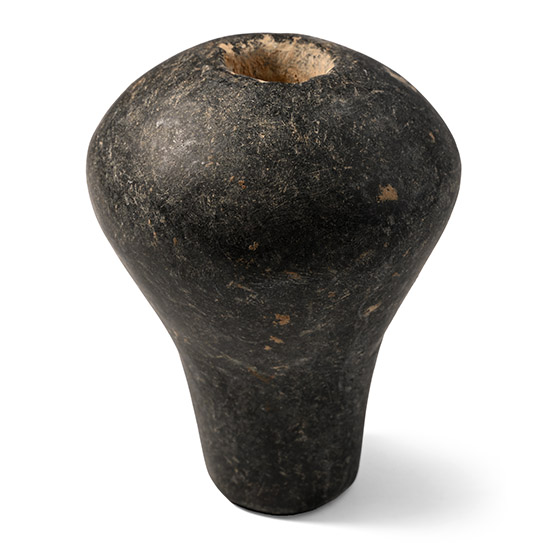
  • Naval Officers Dress Sword with Belt
    Naval Officer's Dress Sword with Belt
    19th century A.D.

    Sold for (Inc. bp): £260

    Classic 1827 Pattern dress sword in scabbard, comprising brass lion-head pommel, half-basket-hilt with folding guard and fouled anchor motif to underside, wire-bound fishskin grip, sword-knot tied through slot in the knuckle-bow; etched, pipe-backed steel blade with the Royal Arms and Crown/Anchor, housed in a leather scabbard with brass fittings; suspension straps and waist-belt with navy-pattern buckle. 1.34 kg, 94.7 cm


    From a Cambridgeshire, UK, collection.

    Lot Details

Stay up-to-date with the latest from TimeLine Auctions by joining our mailing list