
Loading, please wait...

LOT 0095
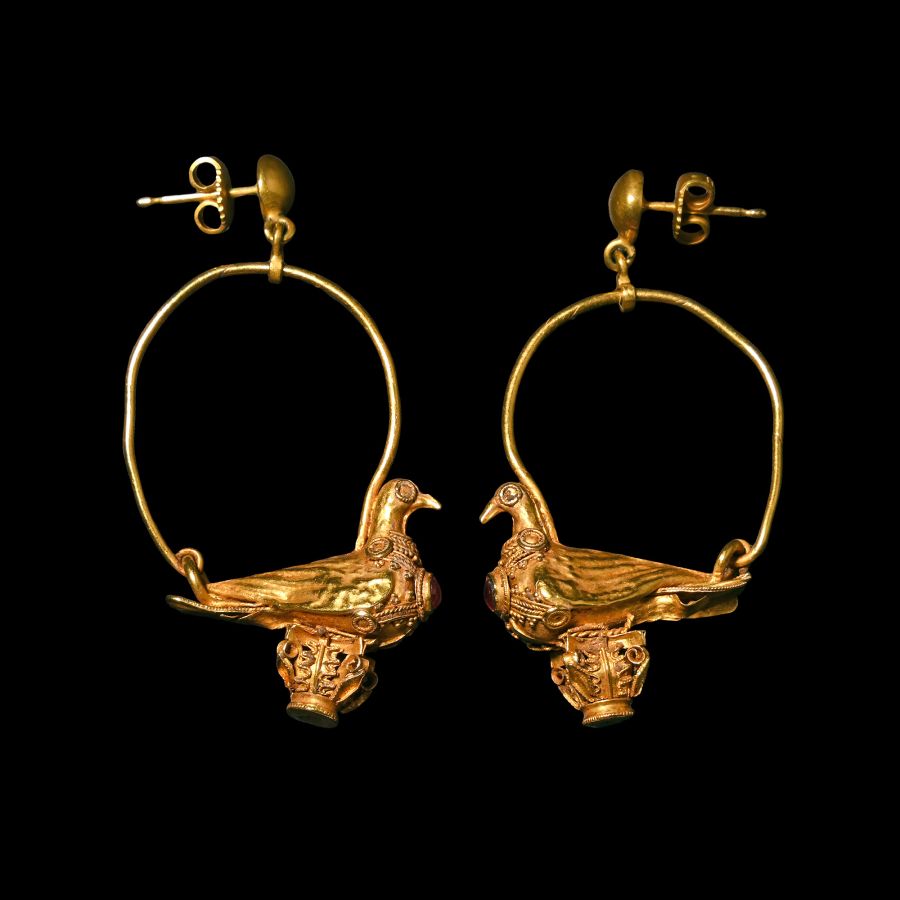
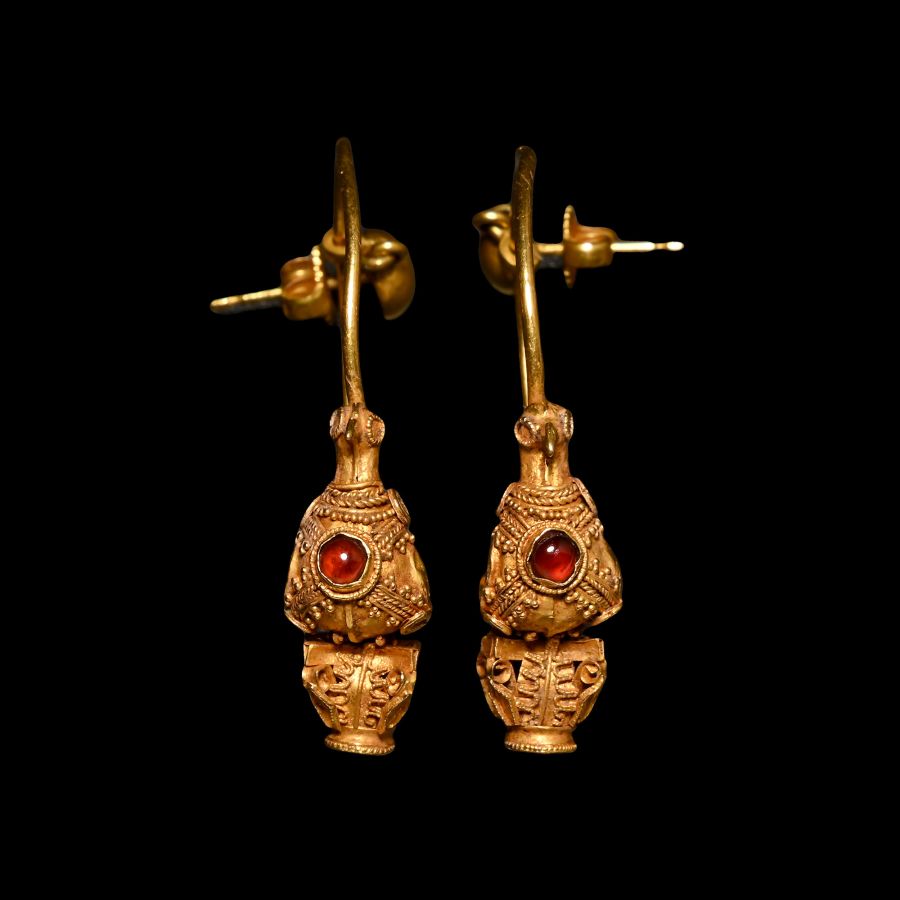
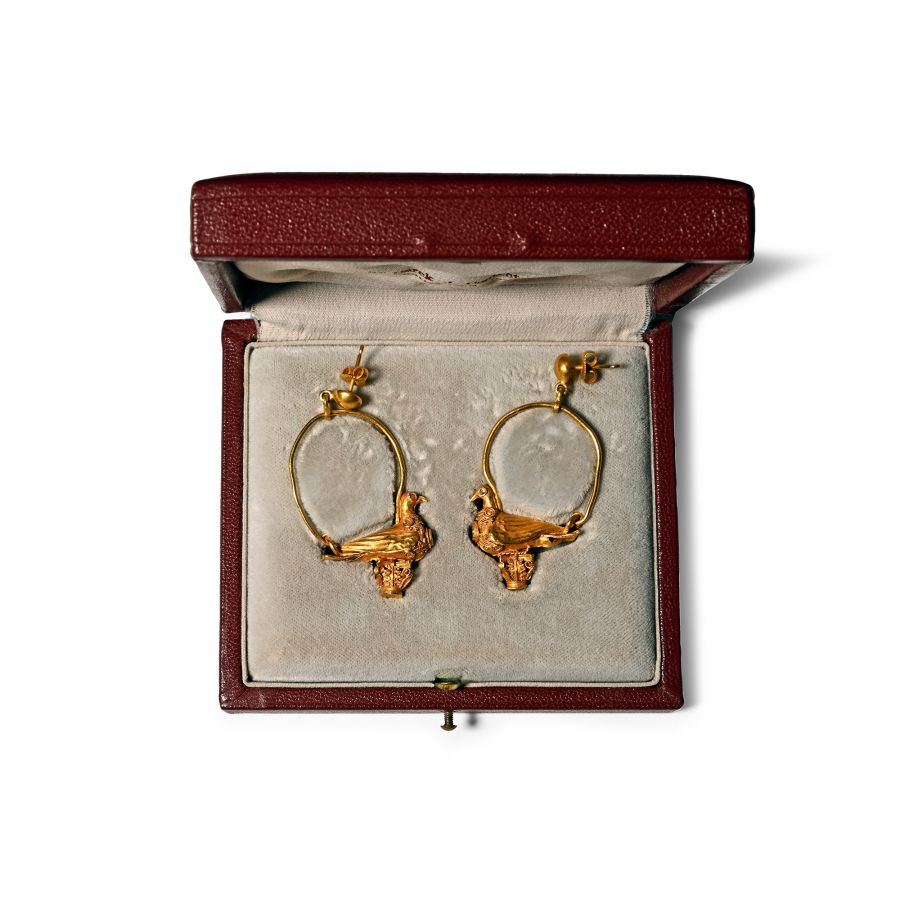
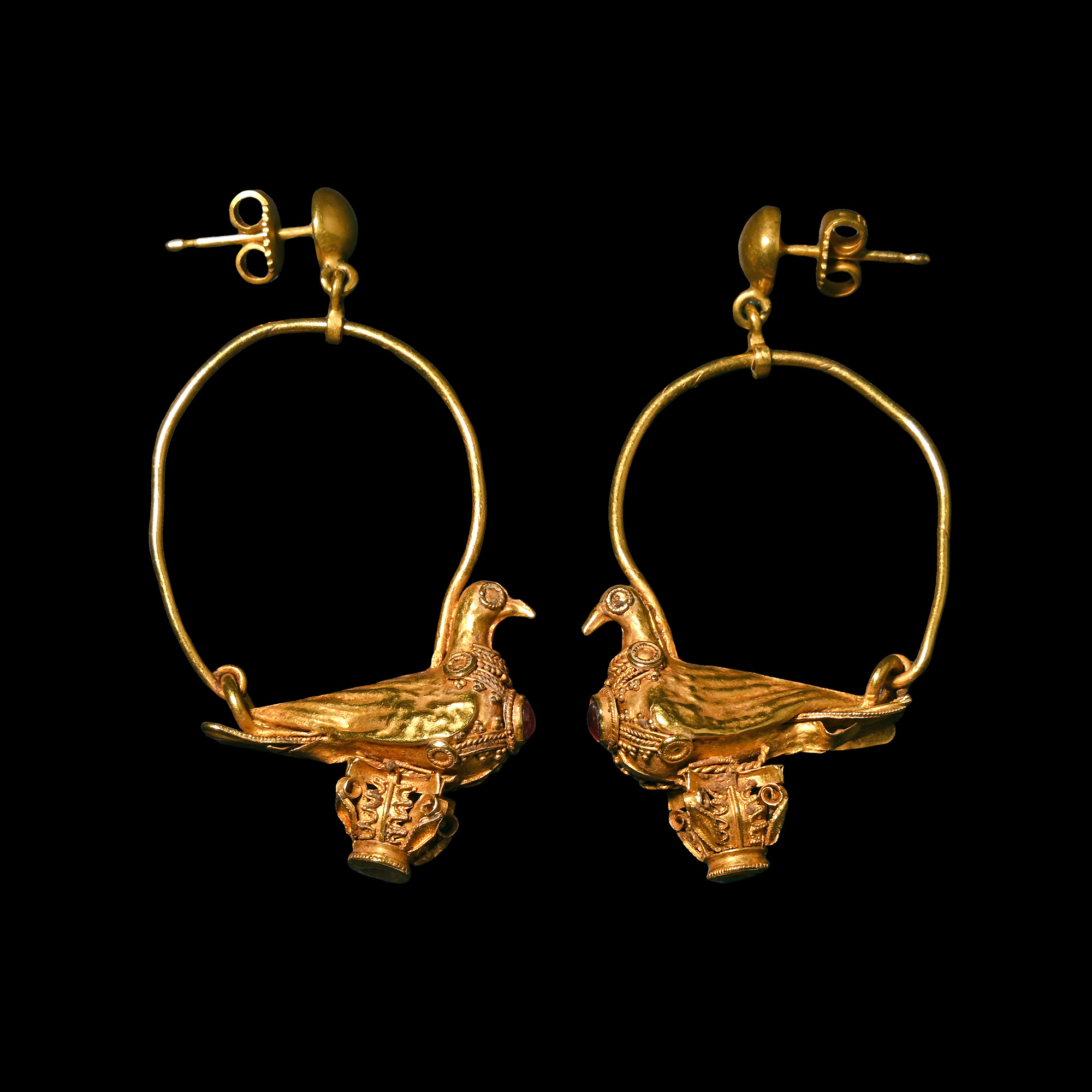
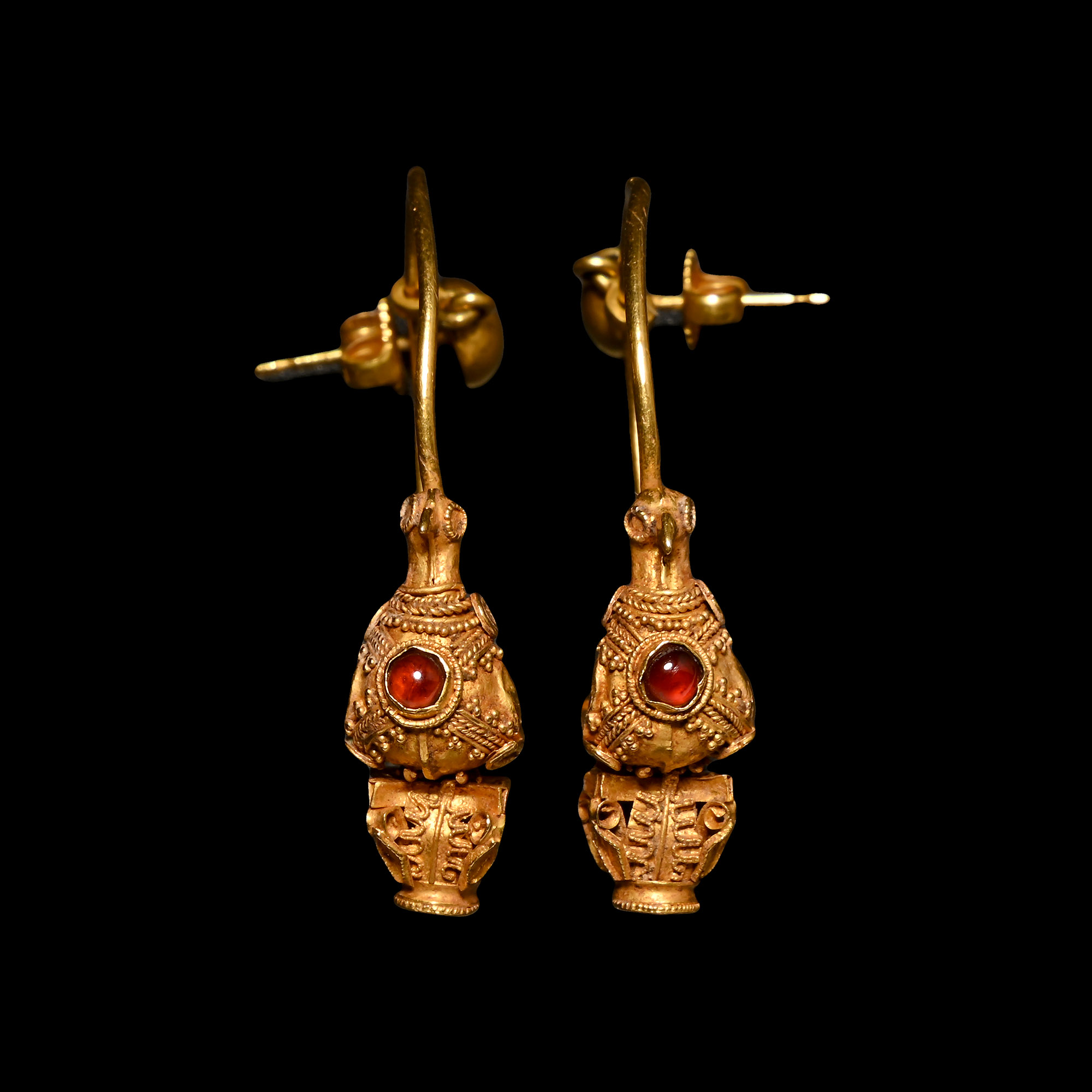
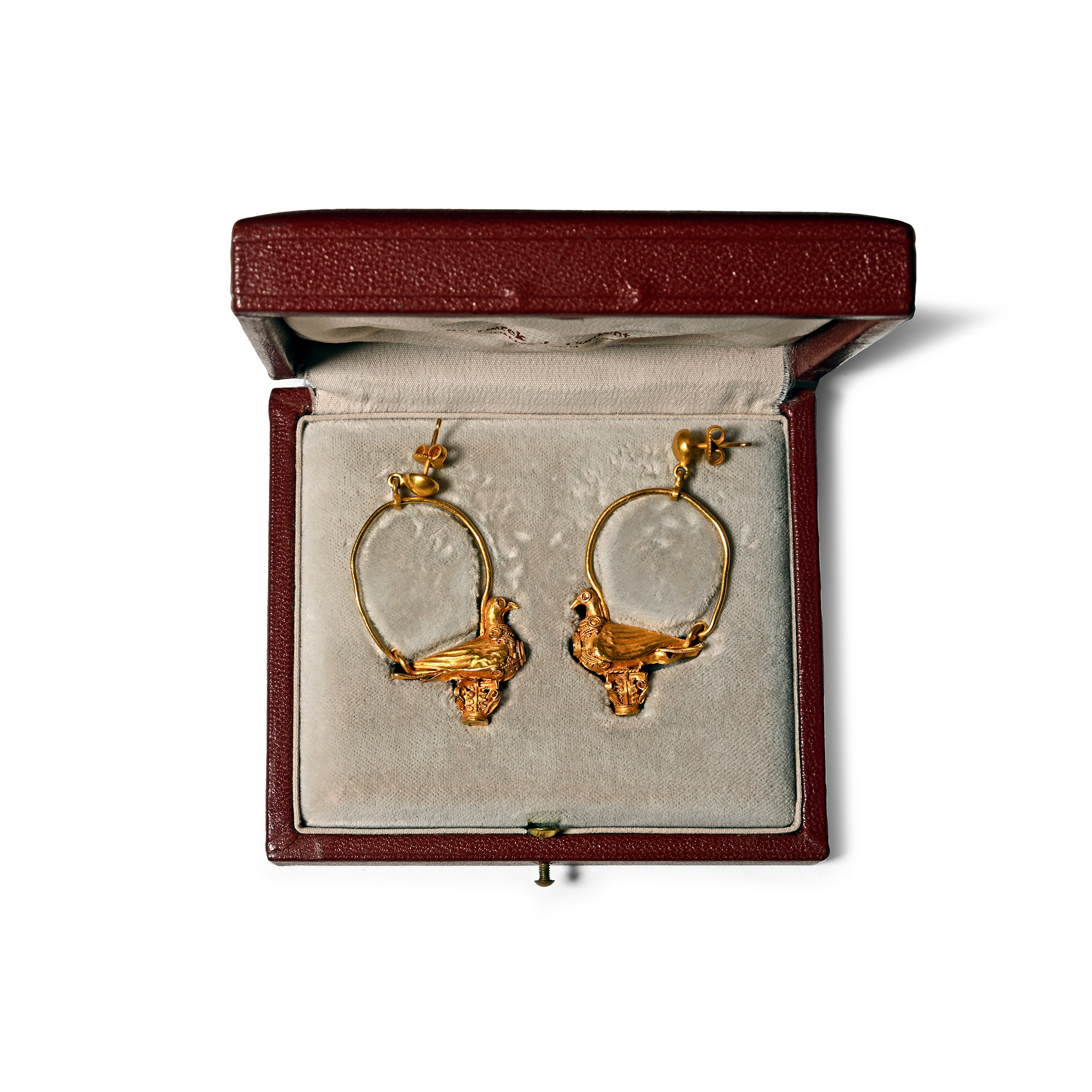
Greek Gold Earring Pair with a Dove above a Corinthian Capital
HELLENISTIC, CIRCA 3RD-2ND CENTURY B.C.
2 in. (10.08 grams total, 51-52 mm).
Each a filigree hoop with a hollow-formed sheet-gold dove with applied filigree and granulation collar, a cell to the chest with inset garnet cabochon, perching on the scrolled capital of a column; supplied with modern earring attachments so that they can be worn, with a presentation box. [2]
ProvenanceAcquired from Derek Content, 8 July 1976 ($3,800).
Private collection of Kal Noselson, New York, acquired between 1976 and the late 1990s; thence by descent.
Accompanied by a handwritten invoice/letter with references from Derek Content for the piece, dated 8 July 1976.
This lot has been checked against the Interpol Database of stolen works of art and is accompanied by search certificate no.13421-259832.
Cf. Marshall, F.H., Catalogue of the Jewellery, Greek, Etruscan and Roman, in the Department of Antiquities, British Museum, London, 1911, item 1926, for type, and for the typologies of birds nos.1919,1921-22.
FootnotesThe earrings belong to the class of figure-pendant type, which was popular in Greece from the 4th century B.C. The Hellenistic period shows a distinctive spirit in the varied designs of these little earrings. One of the most employed motifs was that of the dove, which owed its popularity in close connection with the cult of Aphrodite.
CONDITIONTimeLine Auctions follows a vetting process to ensure the authenticity and legality of all items, reinforcing our commitment to integrity and responsible trading. Each antiquity, antique, and coin lot undergoes thorough examination by a vetting committee of at least ten external specialists, professional trade association members, scientists, and archaeologists: Our Vetting Process
AUCTIONS:
TimeLine is a leading auction house specialising in antiquities, ancient art, collectables, natural history, coins, medals, and books. Our auctions offer museums, collectors, historians, and enthusiasts the opportunity to acquire unique and historically significant pieces.
LOT 0095
Greek Gold Earring Pair with a Dove above a Corinthian Capital
Estimate £3,000 - 4,000€3,480 - 4,640 (for guidance only)$4,050 - 5,400 (for guidance only)
-
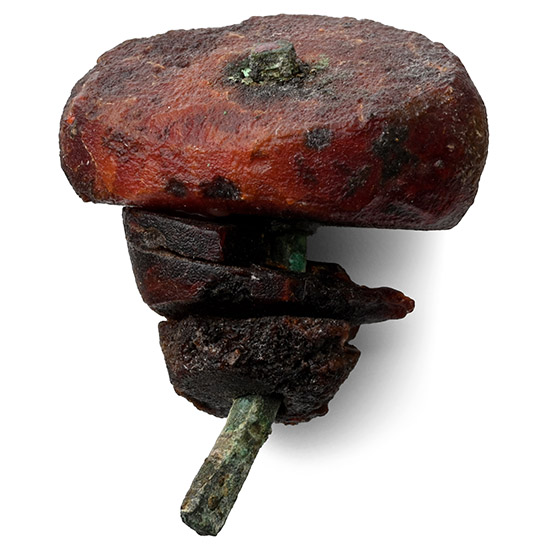
Etruscan Bronze Bracelet Fragment with Three Amber Beads
Etruscan or Italic, 7th-5th century B.C.Estimate: £70 - 90 (+bp*)
Opening Bid: £5
Comprising three irregular dark red amber beads on a square-section rod. 15.65 grams, 48 mm
Formerly in the Kuizenga collection, The Netherlands; the collection formed from the 1970s onwards. Acquired from Helios Gallery Antiquities, Wiltshire, UK. Property of a North Lincolnshire, UK, gentleman. Accompanied by a copy of the Helios Gallery Antiquities certificate of authenticity with stock no.H3955x6. -
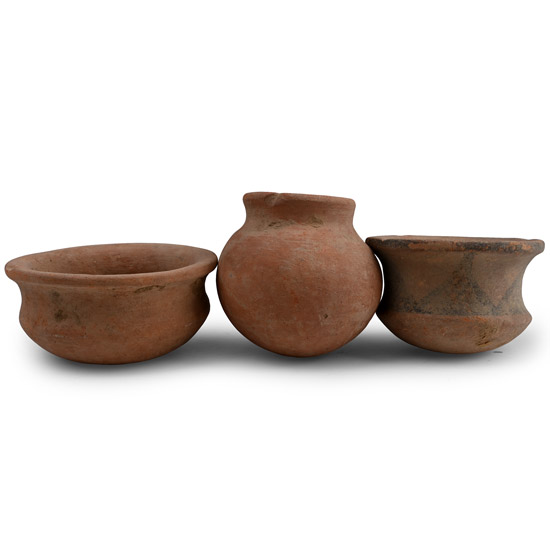
Parthian Terracotta Vessel Group
2nd century B.C.-2nd century A.D.Estimate: £80 - 100 (+bp*)
Opening Bid: £5
Comprising two palm-cups with broad everted rim to the mouth, and a bulbous jar with rounded rim. 198 grams total, 78-94 mm
Acquired on the UK art market since the 1990s. From the property of a late Lincolnshire, UK, gentleman; thence by descent. -

Greek Gold and Bead Drop Earrings
Hellenistic, 2nd-1st century B.C.Estimate: £7,000 - 9,000 (‡+bp*)
Opening Bid: £3,500
Matched pair of hooked wire earrings, each with an inset cabochon, articulated dangles and other ornaments. 5.15 grams total, 46 mm each
Private American collection, 1970s-1980s. with Robert Haber, New York, USA, circa 1990s. Private collection, Europe. Accompanied by a copy of an Art Loss Register certificate, 8 September 2004. This lot has been checked against the Interpol Database of stolen works of art and is accompanied by search certificate no.13187-249264.
This pair belongs to the Hellenistic group of earrings with pendants, a broad group including pendants shaped as amphorae, birds, erotes and other exotic elements. Most of them come from sites around the Aegean or the Eastern Mediterranean and were probably produced in workshops in these regions. They usually date from the 2nd to the 1st centuries B.C.
