
Loading, please wait...
LOT 1597
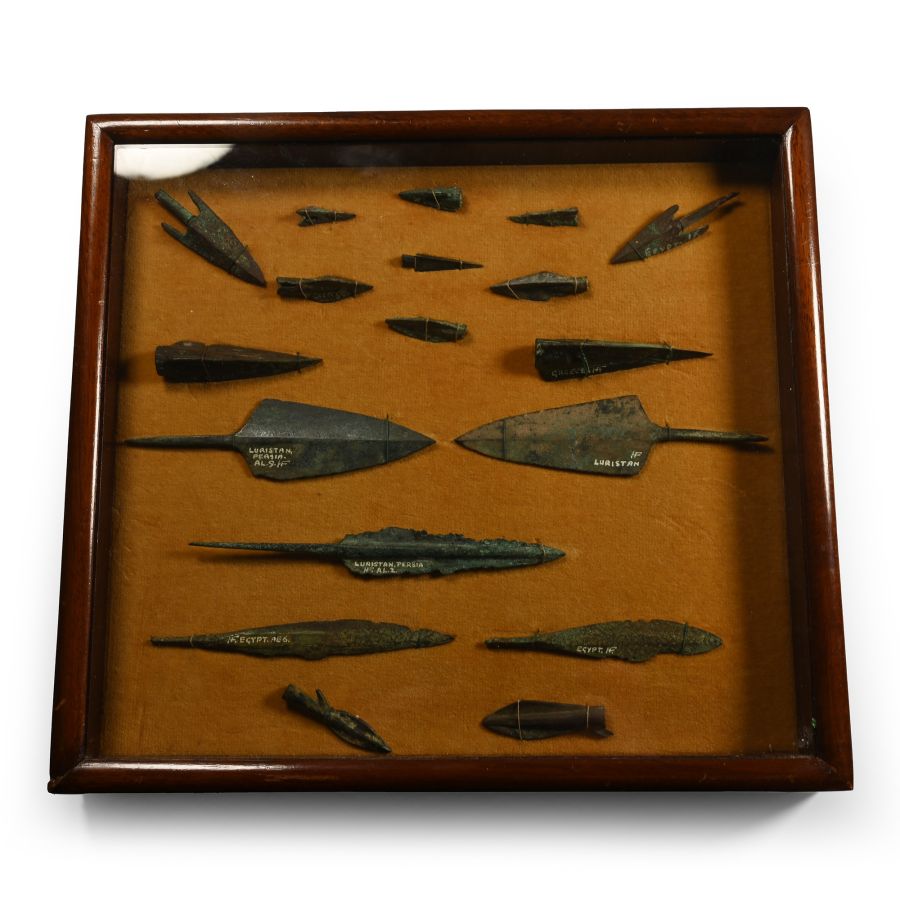
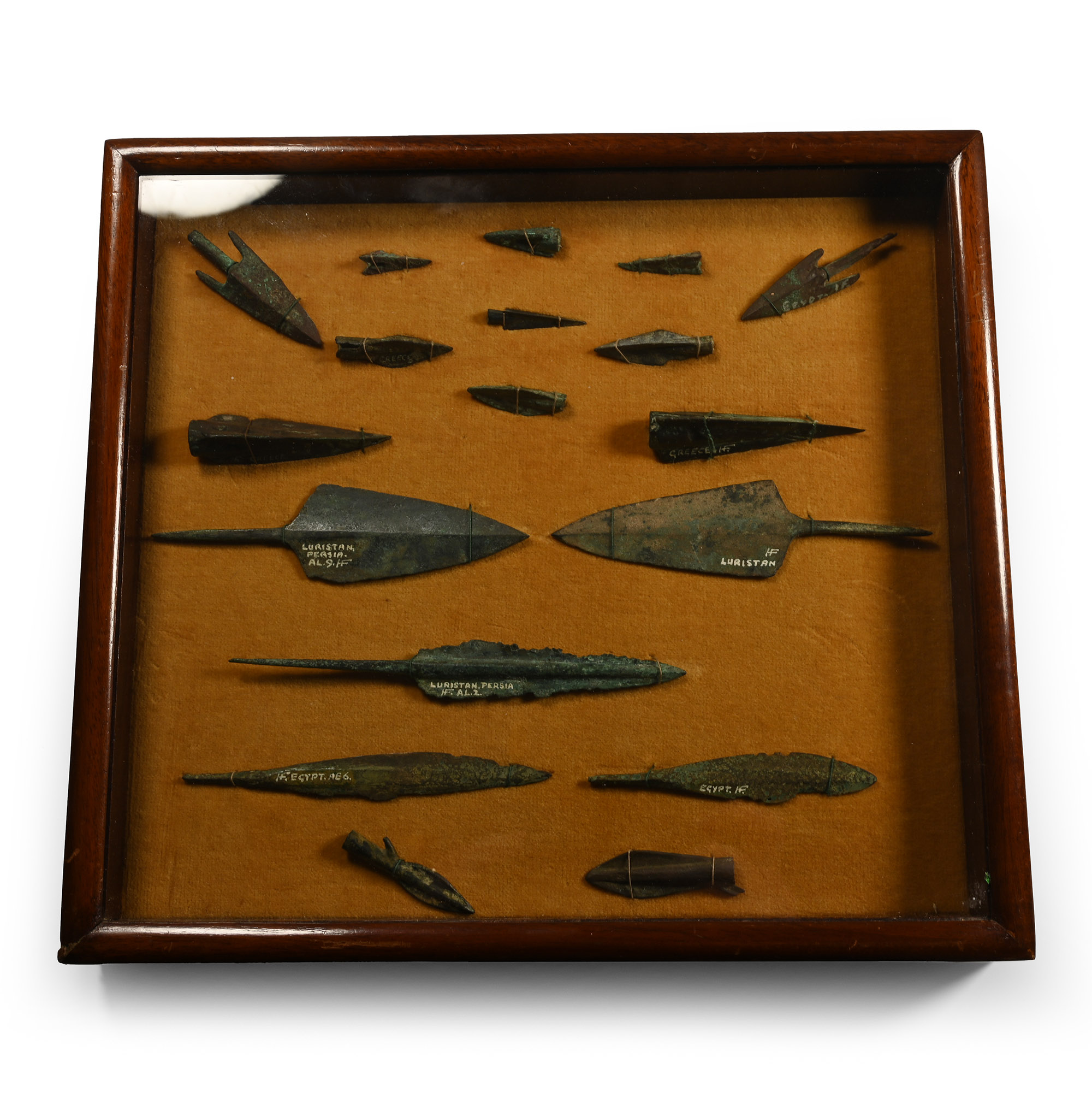
Greek, Egyptian and Luristan Bronze Arrowhead Collection in Display Case
2ND-1ST MILLENNIUM B.C.
10 1/4 x 9 1/2 in. (965 grams total, 26.2 x 24 cm).
Including triangular-section, leaf-shaped, barbed-and-tanged and other types, some with inked find spot and accession data, wired onto a velvet board in a glazed wooden frame. [No Reserve]
ProvenanceFrom the collection of Dr Hugh Alderson Fawcett (1891-1982).
Acquired Oxford, UK.
From the private collection of Kenneth Machin (1936-2020), Buckinghamshire, UK; with collection no.BA21; his collection of antiquities and natural history was formed since 1948; thence by descent.
This lot is accompanied by an illustrated lot declaration signed by the Head of the Antiquities Department, Dr Raffaele D’Amato.
Dr Hugh Alderson Fawcett (1891-1982) was a general practitioner and antiquarian who built up an important collection of ancient implements, weapons and ornaments that eventually numbered some eight thousand items. It was he who alerted the British Museum to the discovery of the fabulous Mildenhall treasure after being shown it by Sydney Ford during Easter in 1946. The bulk of his collection is now in the Bristol Museum and Art Gallery, but Fawcett previously sold or traded many pieces in order to improve his collection.
CONDITIONTimeLine Auctions follows a vetting process to ensure the authenticity and legality of all items, reinforcing our commitment to integrity and responsible trading. Each antiquity, antique, and coin lot undergoes thorough examination by a vetting committee of at least ten external specialists, professional trade association members, scientists, and archaeologists: Our Vetting Process
AUCTIONS:
TimeLine is a leading auction house specialising in antiquities, ancient art, collectables, natural history, coins, medals, and books. Our auctions offer museums, collectors, historians, and enthusiasts the opportunity to acquire unique and historically significant pieces.
LOT 1597
Greek, Egyptian and Luristan Bronze Arrowhead Collection in Display Case
Sold for (Inc. bp): £845
-
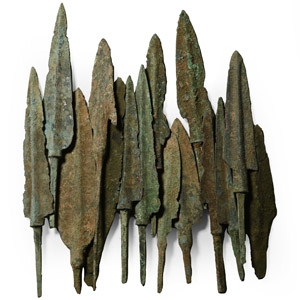
Luristan Bronze Arrowhead Group
13th-6th century B.C.Sold for (Inc. bp): £234
Comprising triangular types with thick midrib, leaf-shaped and other types. 400 grams total, 9.7-16.2 cm
Acquired 1980-2015. Ex Abelita family collection. This lot is accompanied by an illustrated lot declaration signed by the Head of the Antiquities Department, Dr Raffaele D’Amato. -
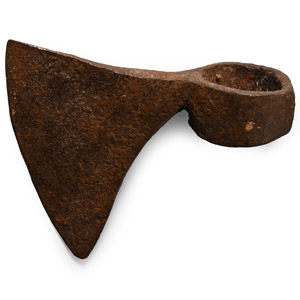
Medieval Iron Triangular Axehead
Circa 15th-16th century A.D.Sold for (Inc. bp): £65
With a wide curved blade and a circular socket. 251 grams, 12 cm
Ex North American private collection, 1970s-1990s. This lot is accompanied by an illustrated lot declaration signed by the Head of the Antiquities Department, Dr Raffaele D’Amato. -
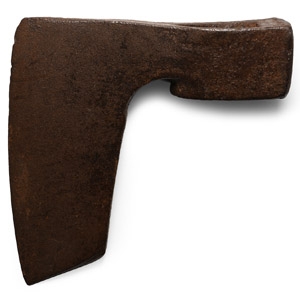
Medieval Iron Bearded Axehead
Circa 15th-16th century A.D.Sold for (Inc. bp): £39
With a long narrow blade and short neck, tongue-shaped socket. 540 grams, 11.7 cm
Ex North American private collection, 1970s-1990s. This lot is accompanied by an illustrated lot declaration signed by the Head of the Antiquities Department, Dr Raffaele D’Amato.
