
Loading, please wait...
LOT 0597
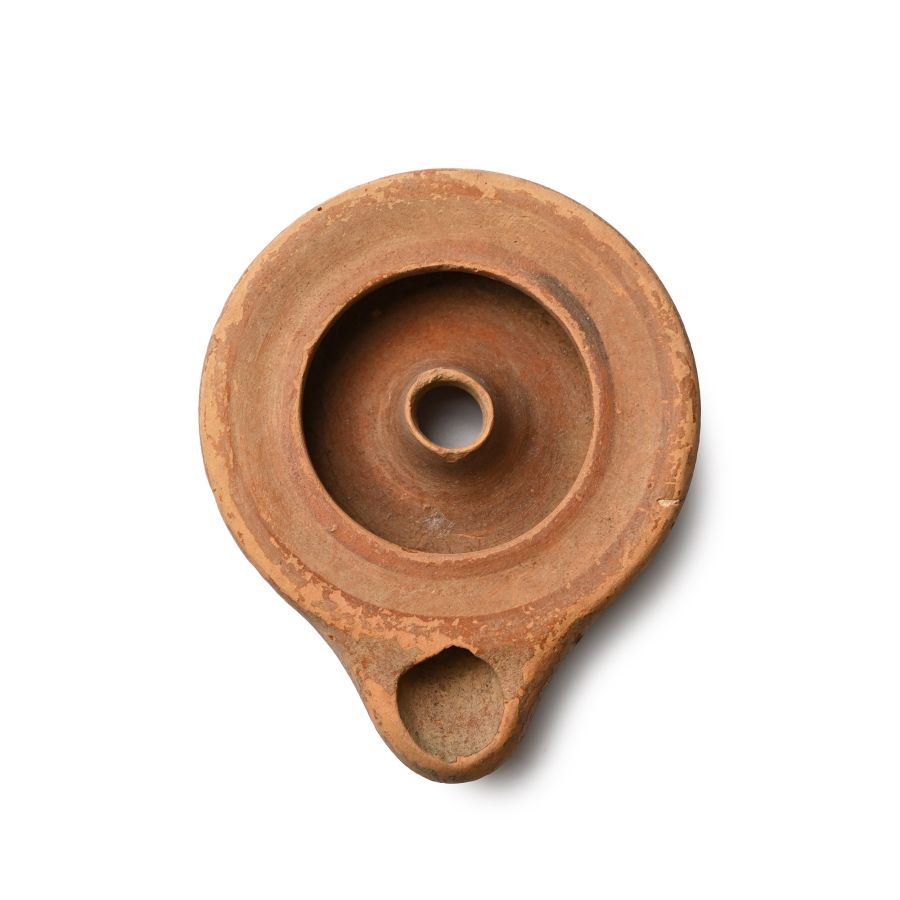
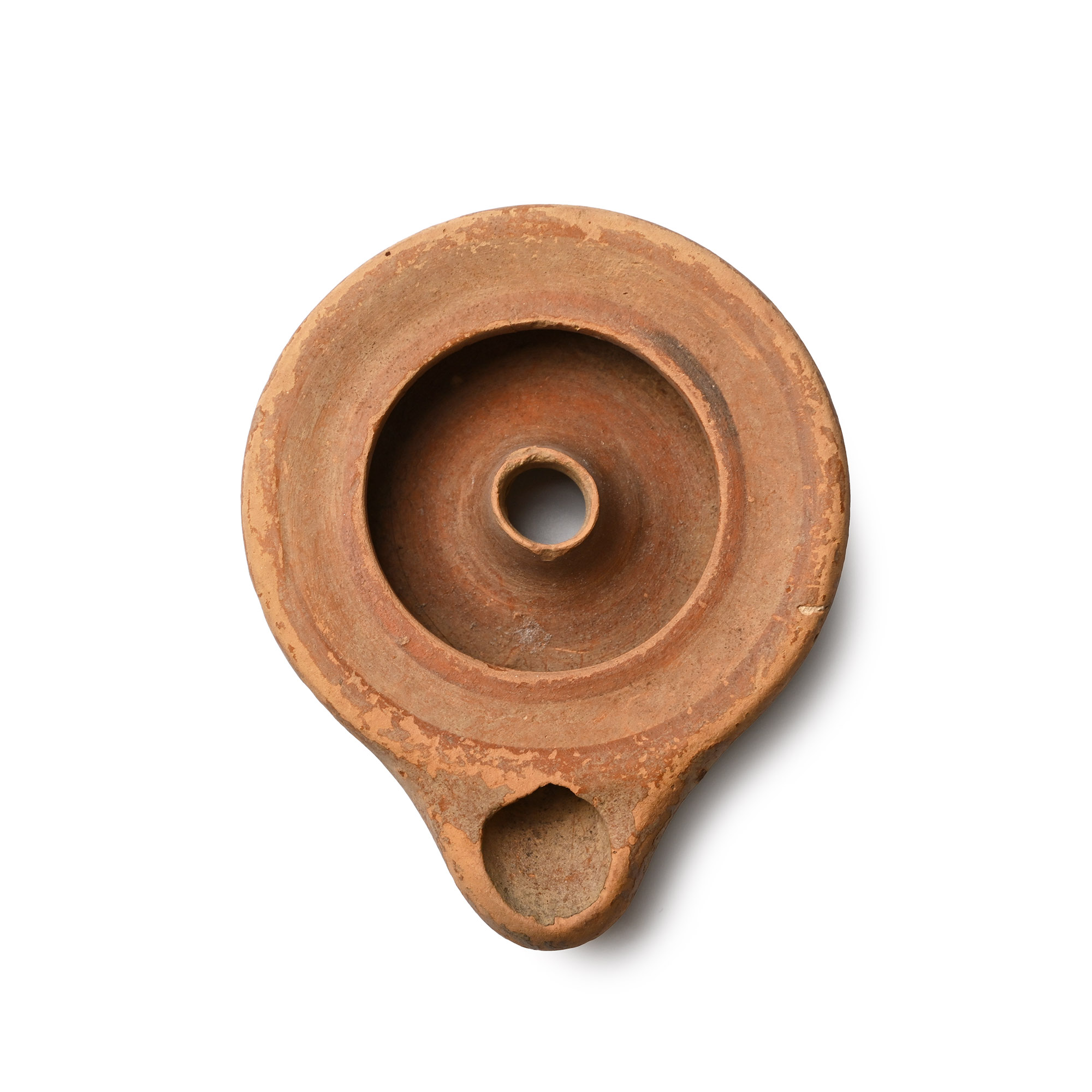
Greek Corinthian Terracotta Oil Lamp
6TH CENTURY B.C.
4 in. (157 grams, 10.3 cm).
With broad discus, D-shaped nozzle, central tubular projection into the oil chamber. [No Reserve]
ProvenanceFrom the private collection of a Canadian gentleman living in Essex, UK, formed since the 1920s-circa 1990.
Property of an Essex lady until the late 1990s; thence by descent.
From the private collection of an Essex gentleman since the late 1990s.
This lot is accompanied by an illustrated lot declaration signed by the Head of the Antiquities Department, Dr Raffaele D'Amato.
TimeLine Auctions follows a vetting process to ensure the authenticity and legality of all items, reinforcing our commitment to integrity and responsible trading. Each antiquity, antique, and coin lot undergoes thorough examination by a vetting committee of at least ten external specialists, professional trade association members, scientists, and archaeologists: Our Vetting Process
AUCTIONS:
TimeLine is a leading auction house specialising in antiquities, ancient art, collectables, natural history, coins, medals, and books. Our auctions offer museums, collectors, historians, and enthusiasts the opportunity to acquire unique and historically significant pieces.
-
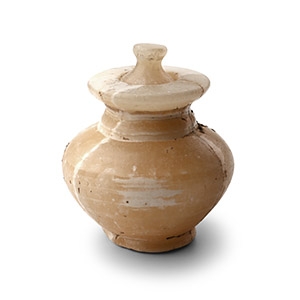
Greek Alabaster Pyxis
Mid 1st millennium B.C.Estimate: £400 - 600 (‡+bp*)
Opening Bid: £200
Barrel-shaped in profile with flared foot, broad shoulder and gusseted neck, flange to the mouth; knop handle to lid. 168 grams, 68 mm
Collection Mr. K. Ex collection Mr. H, acquired in Switzerland in the early 2000. Private collection, 2010. This lot is accompanied by an illustrated lot declaration signed by the Head of the Antiquities Department, Dr Raffaele D'Amato. -
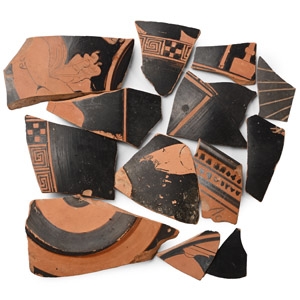
Greek Red-Figure Ware Pottery Collection
5th-4th century B.C.Sold for (Inc. bp): £650
Comprising fragments of vessels, most with decorative motifs, including one with a boar's head and another with lower part of the body of Ephebus. 64 grams total, 24-71 mm
From a deceased estate, UK. Acquired on the UK art market. This lot is accompanied by an illustrated lot declaration signed by the Head of the Antiquities Department, Dr Raffaele D'Amato.
Although Athens remains a prime source for red figure, the export trade, notable to Italy, shows a very wide distribution of this pottery far beyond the Greek world. -
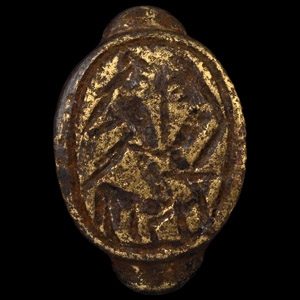
Parthian Bronze Ring with Courtship Scene
247 B.C.-224 A.D.Sold for (Inc. bp): £124
With stepped shoulders flanking an ellipsoid bezel, incised scene of two opposed figures embracing above a quadruped. 5.63 grams, 24.15 mm overall, 19.99 mm internal diameter (approximate size British O, USA 7, Europe 14.98, Japan 14)
Acquired on the European art market in the 1990s. From the collection of G.M.R.H., London, UK. This lot is accompanied by an illustrated lot declaration signed by the Head of the Antiquities Department, Dr Raffaele D'Amato.
