
Loading, please wait...
LOT 0584
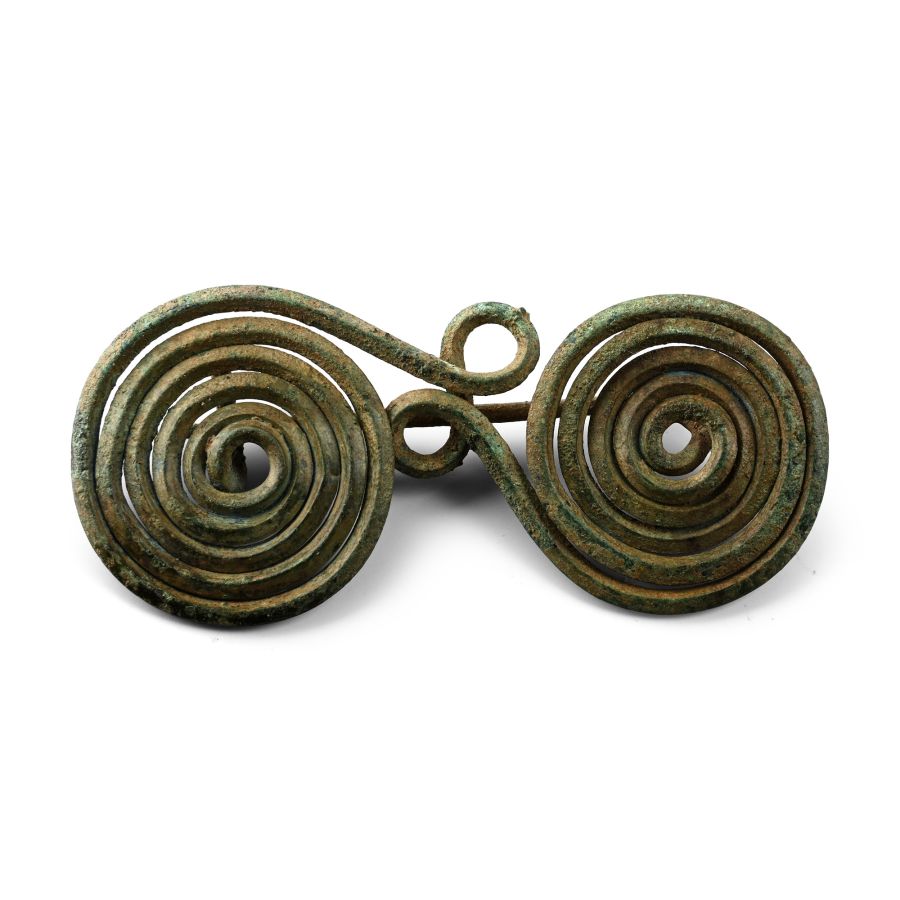
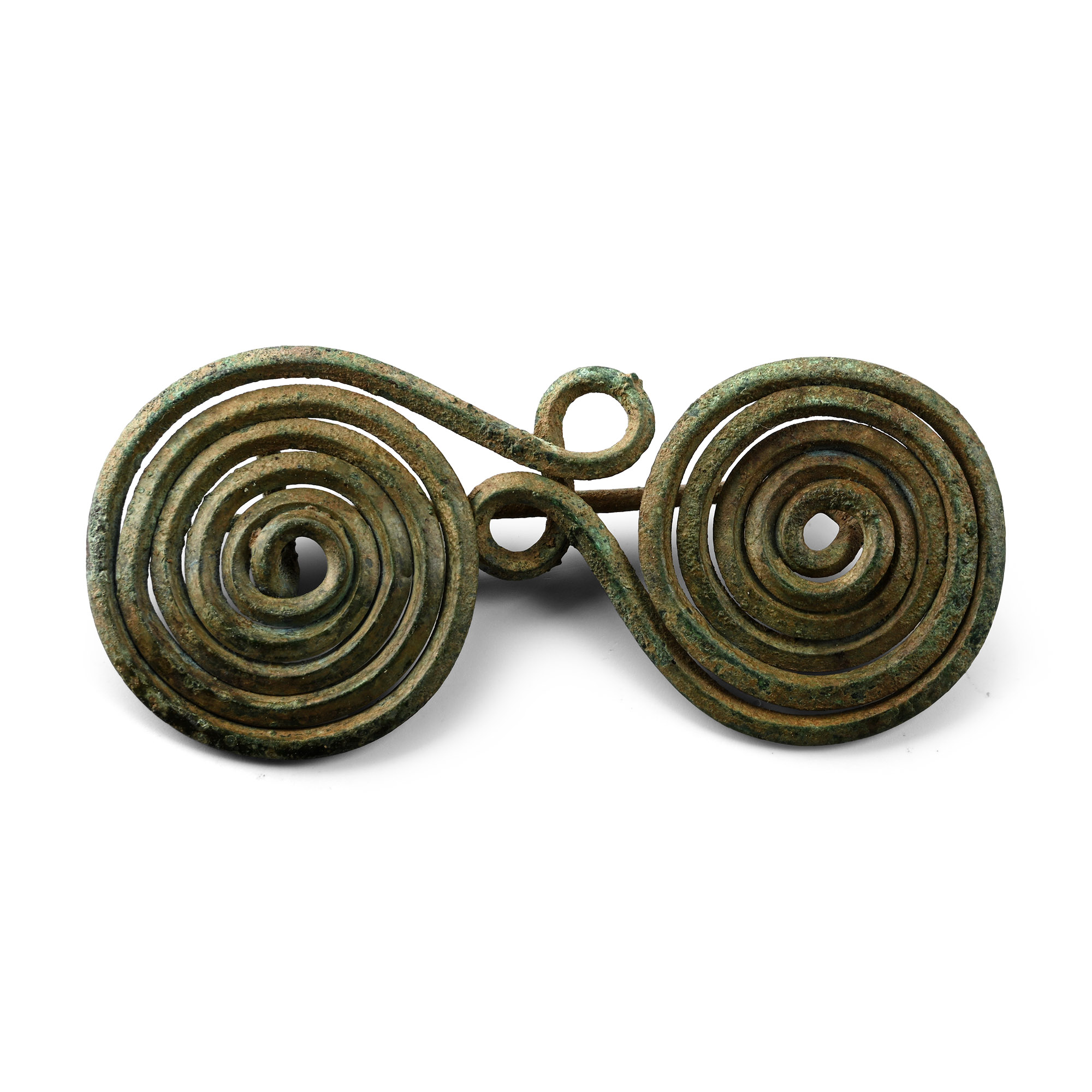
Greek Bronze Spiral Fibula
GEOMETRIC, 8TH-6TH CENTURY B.C.
3 1/8 in. (25.8 grams, 80 mm).
Formed from a single filament rolled into two 'spectacle' discs; one of the spirals terminating in a long pin, the other in a hook serving as the catch; openwork figure-of-eight at the centre. [No Reserve]
ProvenanceEx collection Mr. K.H., Germany, Private collection, acquired in 2012.
LiteratureCf. Cassani, S., Art of the Italic People from 3000-300 B.C., Naples, 1993, p.295, no.188, for similar.
CONDITIONTimeLine Auctions follows a vetting process to ensure the authenticity and legality of all items, reinforcing our commitment to integrity and responsible trading. Each antiquity, antique, and coin lot undergoes thorough examination by a vetting committee of at least ten external specialists, professional trade association members, scientists, and archaeologists: Our Vetting Process
AUCTIONS:
TimeLine is a leading auction house specialising in antiquities, ancient art, collectables, natural history, coins, medals, and books. Our auctions offer museums, collectors, historians, and enthusiasts the opportunity to acquire unique and historically significant pieces.
-
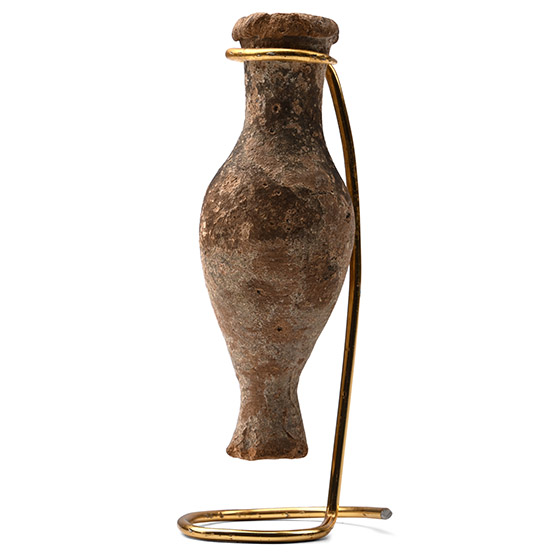
Greek Terracotta Spindle Flask
Hellenistic, late 2nd-1st century B.C.Sold for (Inc. bp): £78
With a narrow neck and carinated mouth, developing to a biconical body and flared foot; mounted on a custom-made stand. 24 grams total, 80 mm high, 93 mm including stand
From a Scottish gentleman’s collection, Glasgow, formed from the early 2000s. -
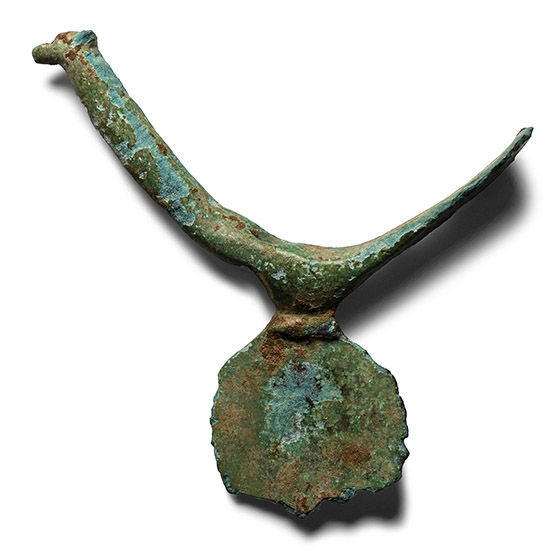
Greek Geometric Votive Gift in the Form of a Bird
8th century B.C.Estimate: £100 - 140 (‡+bp*)
Opening Bid: £45
Comprising a columnar neck with pinched detailing to the head and spatulate tail, discoid plate below. 8.47 grams, 46 mm
with Christie's, London, 25 January 2001, no.263 [Part]. Accompanied by a copy of an Art Loss Register certificate no.S00034403. -
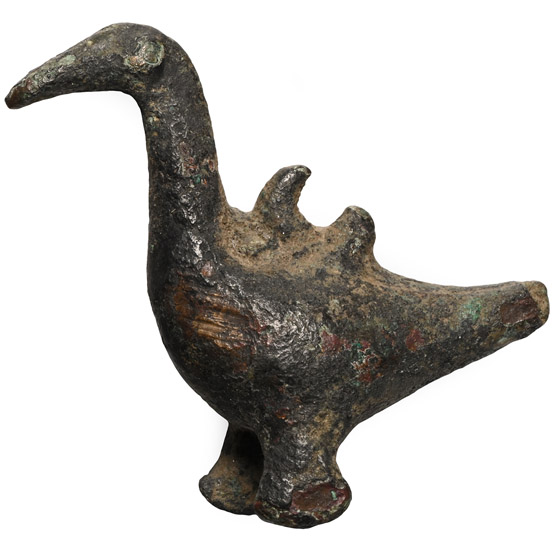
Greek Bronze Bird Figure
8th century B.C.Sold for (Inc. bp): £94
Amuletic pendant formed as a perching bird with long neck and stub legs, loop to the back. 21.9 grams, 42 mm
Acquired in the mid 1980s-1990s. Private collection, Switzerland, thence by descent. Private collection, since the late 1990s.
