
Loading, please wait...
LOT 0574
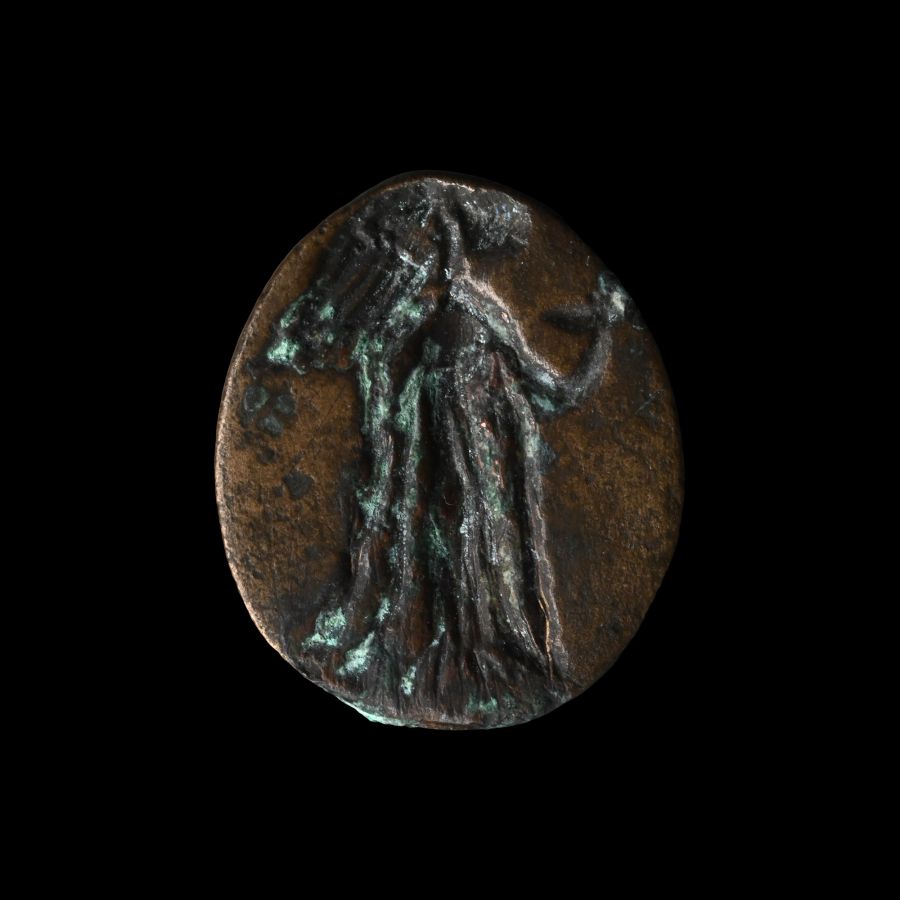
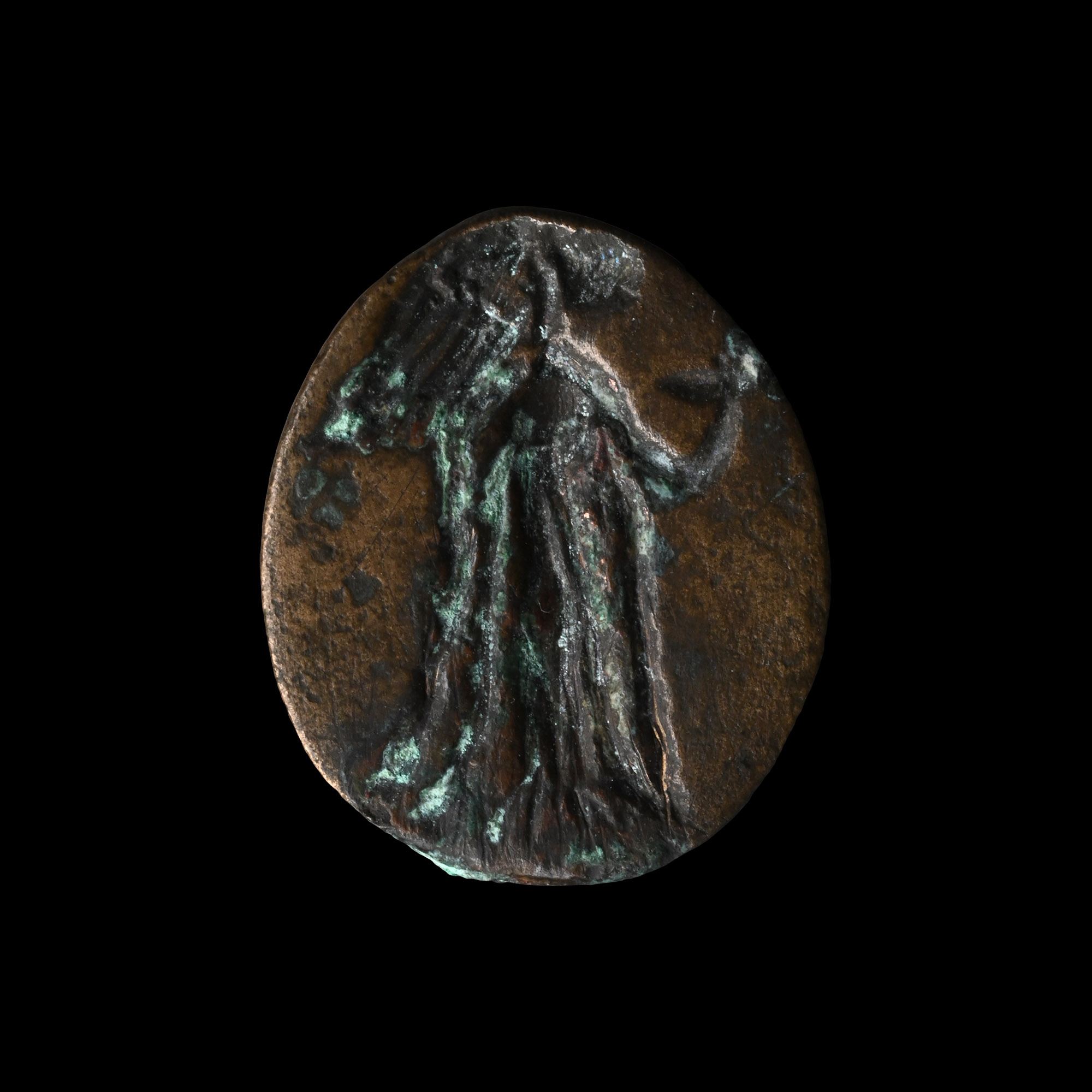
Greek Bronze Signet Ring Bezel with Goddess
HELLENISTIC, 2ND-1ST CENTURY B.C.
3/4 in. (3.3 grams, 19 mm).
Ellipsoid in plan with remains of the hoop to the underside at each end, intaglio standing winged figure with one arm raised. [No Reserve]
ProvenanceFrom the collection of a gentleman, acquired on the London art market in the 1990s.
LiteratureCf. Chadour, A.B., Rings. The Alice and Louis Koch Collection, volume I, Leeds, 1994, item 68, for type.
CONDITIONTimeLine Auctions follows a vetting process to ensure the authenticity and legality of all items, reinforcing our commitment to integrity and responsible trading. Each antiquity, antique, and coin lot undergoes thorough examination by a vetting committee of at least ten external specialists, professional trade association members, scientists, and archaeologists: Our Vetting Process
AUCTIONS:
TimeLine is a leading auction house specialising in antiquities, ancient art, collectables, natural history, coins, medals, and books. Our auctions offer museums, collectors, historians, and enthusiasts the opportunity to acquire unique and historically significant pieces.
-
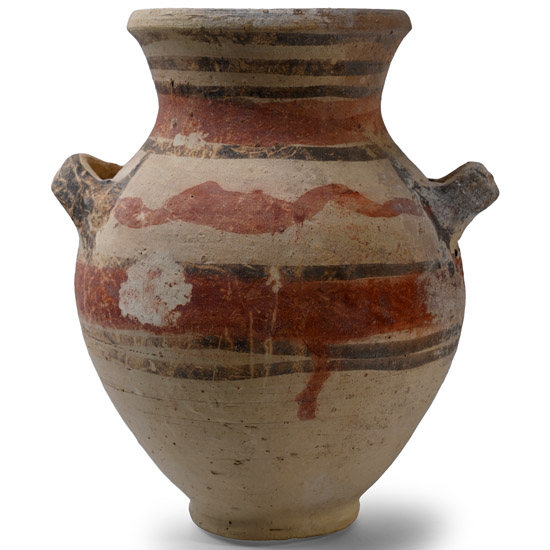
Eastern Mediterranean Two-Handled Vase
Iron Age, circa 6th century B.C. or laterSold for (Inc. bp): £221
With piriform body, broad neck and flared mouth with rolled rim, two lateral loop handles to the shoulder; painted circumferential bands. 593 grams, 19.3 cm
Property of a Northamptonshire collector. Acquired on the UK art market at auction in 2012. Property of a West Northamptonshire, UK, gentleman. -
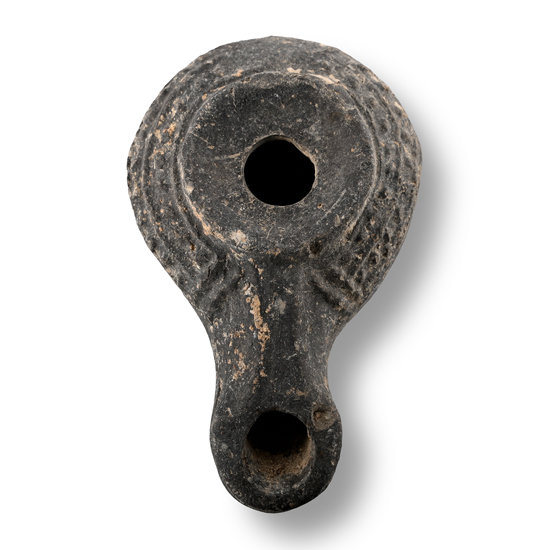
Greek Terracotta Oil Lamp
Hellenistic, late 2nd-1st century B.C.Sold for (Inc. bp): £91
Piriform in plan with raised carination around the filler hole and volute nozzle, herringbone band decoration to the shoulder. 67 grams, 10.4 cm
From a collection of lamps from a late Scottish gentleman, 1970-1990s. -
.jpg)
Etruscan Bronze Statue of a Satyr
Circa 6th century B.C.Estimate: £4,000 - 6,000 (‡+bp*)
Opening Bid: £2,000
Modelled in the round in energetic pose with left hand resting on the hip and right arm raised, head tilted slightly upwards, tail curled gracefully over the rump; on a square base with papyrus stalk detailing; on a later gilt-metal stand mounted on a polished stone cube. 679 grams total, 20.4 cm including stand
Iris Cornelia Love (1933–2020), New York, collection primarily formed in the 1950s-1970s.
