
Loading, please wait...
LOT 0508
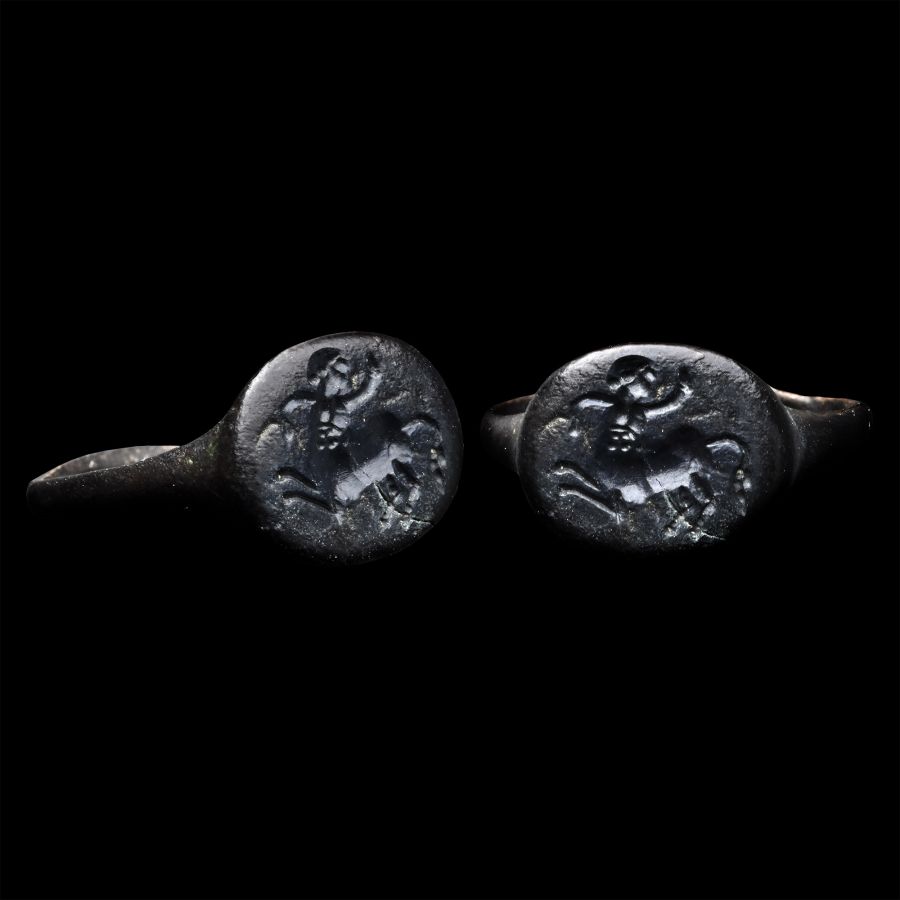
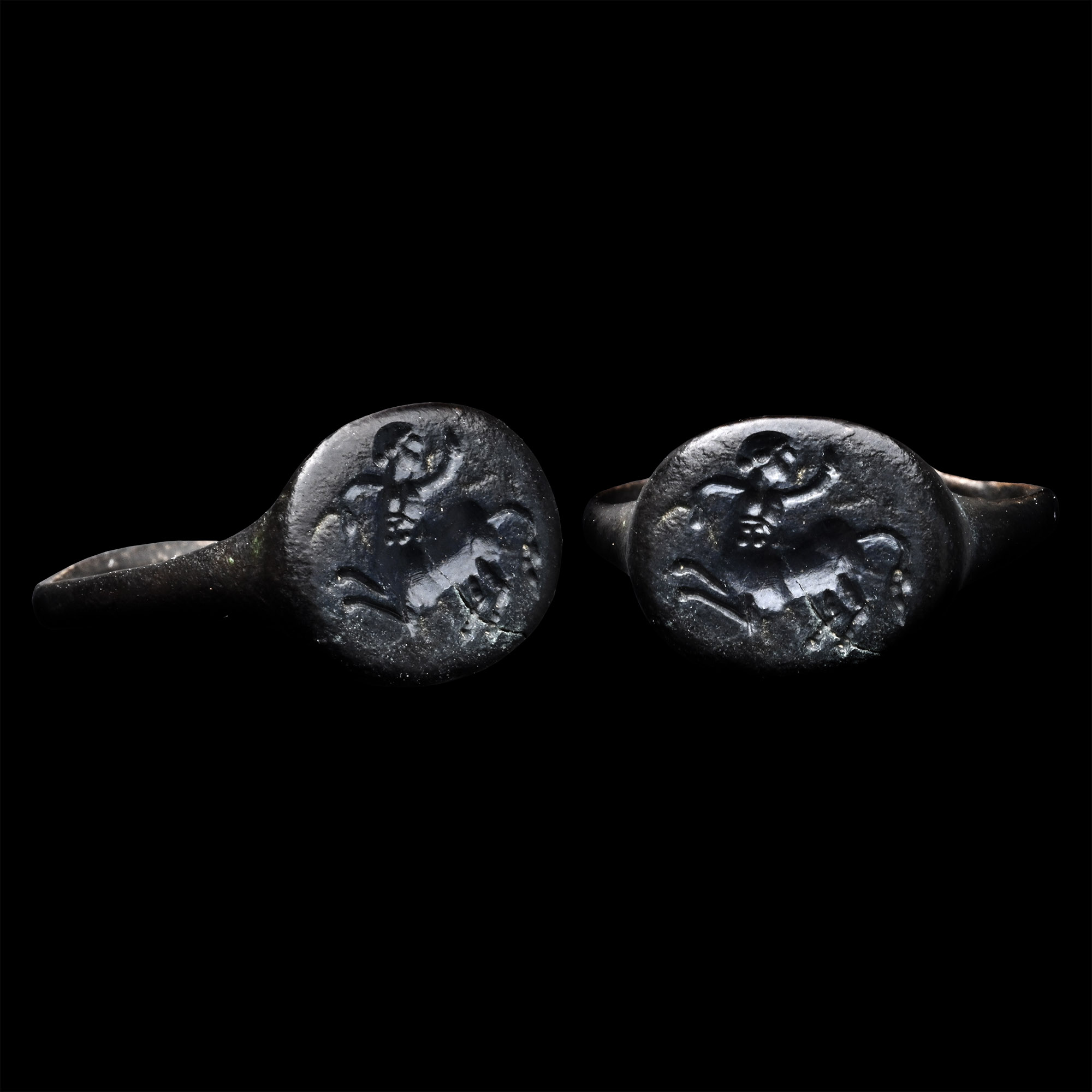
Greek Bronze Ring with Centaur
3RD-2ND CENTURY A.D.
7/8 in. (3.40 grams, 22.48 mm overall, 18.34 mm internal diameter (approximate size British Q, USA 8, Europe 17.49, Japan 16)).
With a slender hoop and an oval bezel with a galloping centaur facing back with his arms raised.
ProvenanceEx German art market, 2000s.
Acquired from an EU collector living in London.
From the collection of a Surrey, UK, gentleman.
TimeLine Auctions follows a vetting process to ensure the authenticity and legality of all items, reinforcing our commitment to integrity and responsible trading. Each antiquity, antique, and coin lot undergoes thorough examination by a vetting committee of at least ten external specialists, professional trade association members, scientists, and archaeologists: Our Vetting Process
AUCTIONS:
TimeLine is a leading auction house specialising in antiquities, ancient art, collectables, natural history, coins, medals, and books. Our auctions offer museums, collectors, historians, and enthusiasts the opportunity to acquire unique and historically significant pieces.
-
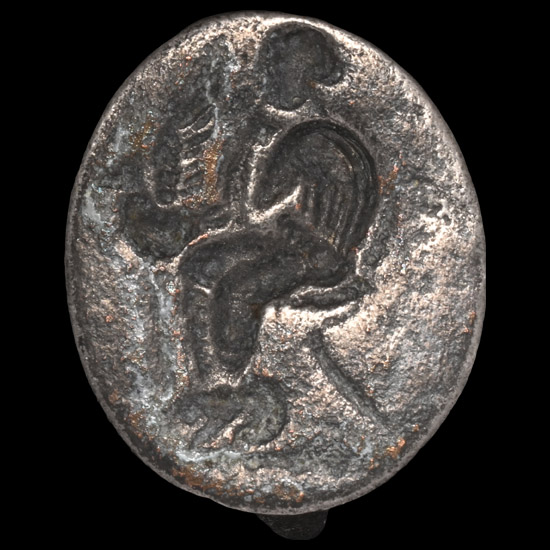
Greek Silver Ring with Seated Goddess Holding a Dove
Hellenistic, 4th-2nd century B.C.Sold for (Inc. bp): £260
Featuring a round-section hoop and a large oval bezel with a seated goddess holding a dove with open wings. 6.35 grams, 23.20 mm overall, 19.55 x 12.60 mm internal diameter (approximate size British I, USA 4 1/4, Europe 7.44, Japan 7)
From the private collection of a European gentleman (1942-2024), formed since the 1970s. -
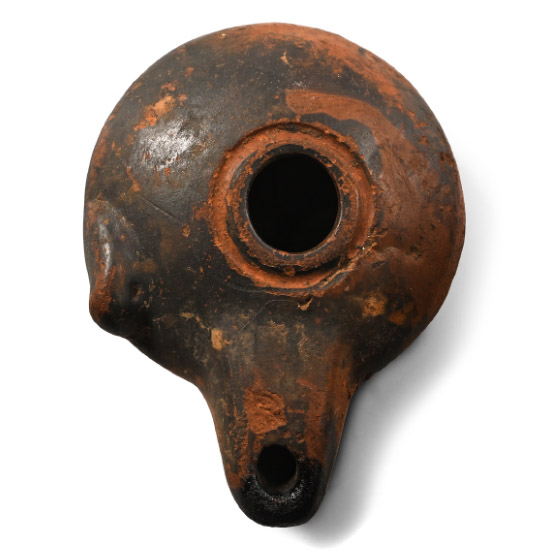
Greek Terracotta Oil Lamp
Hellenistic, circa 3rd-2nd century B.C.Sold for (Inc. bp): £59
Rounded body with large central filler hole and pointed lug on the shoulder, the rim with a low-relief ovolo decoration, elongated nozzle with scooped nozzle; low basal ring. 103 grams, 99 mm
From a UK collection formed in the 1980s. Property of an Essex, UK, gentleman. -
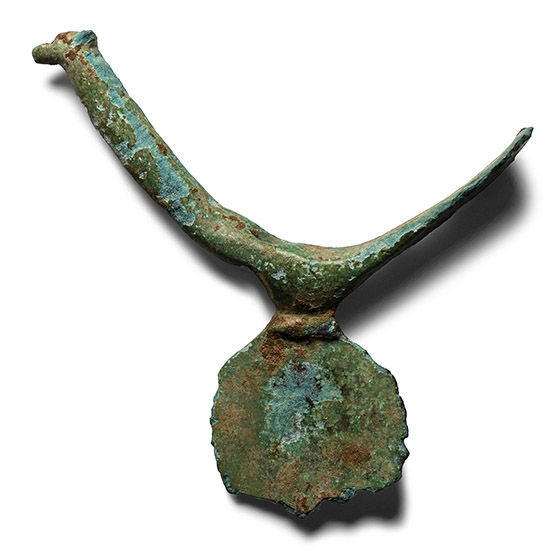
Greek Geometric Votive Gift in the Form of a Bird
8th century B.C.Sold for (Inc. bp): £72
Comprising a columnar neck with pinched detailing to the head and spatulate tail, discoid plate below. 8.47 grams, 46 mm
Acquired from a London auction house, circa 2001. Property of a Swiss gentleman.
