
Loading, please wait...

LOT 0571
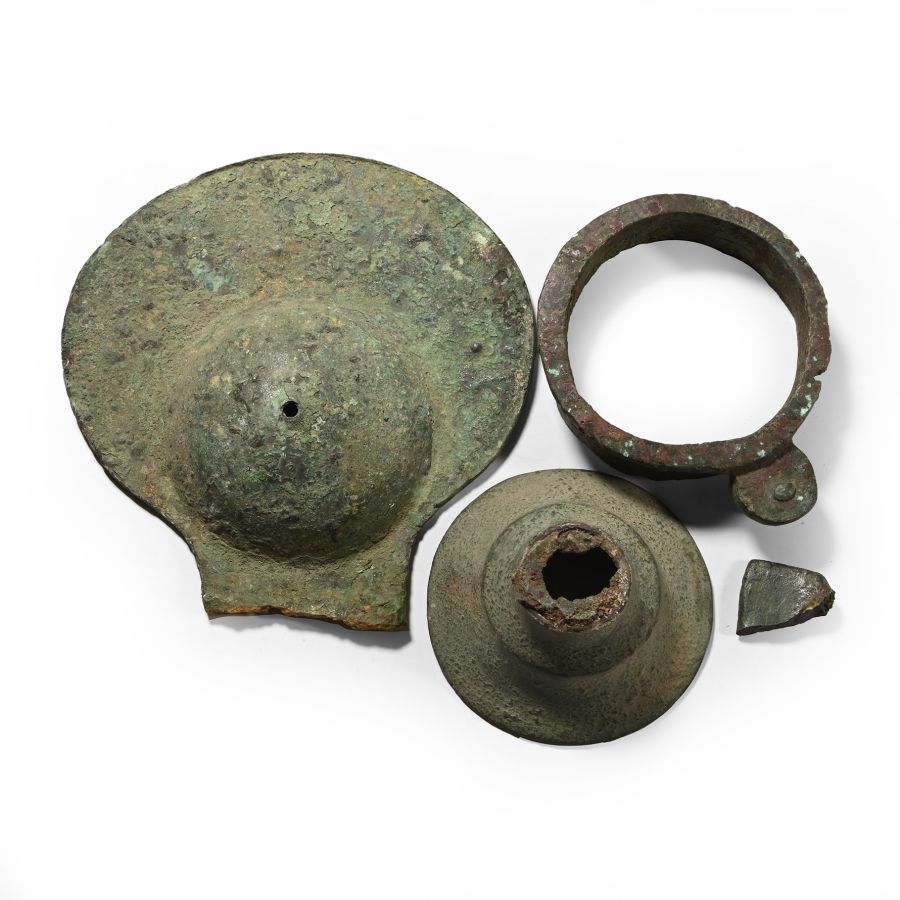
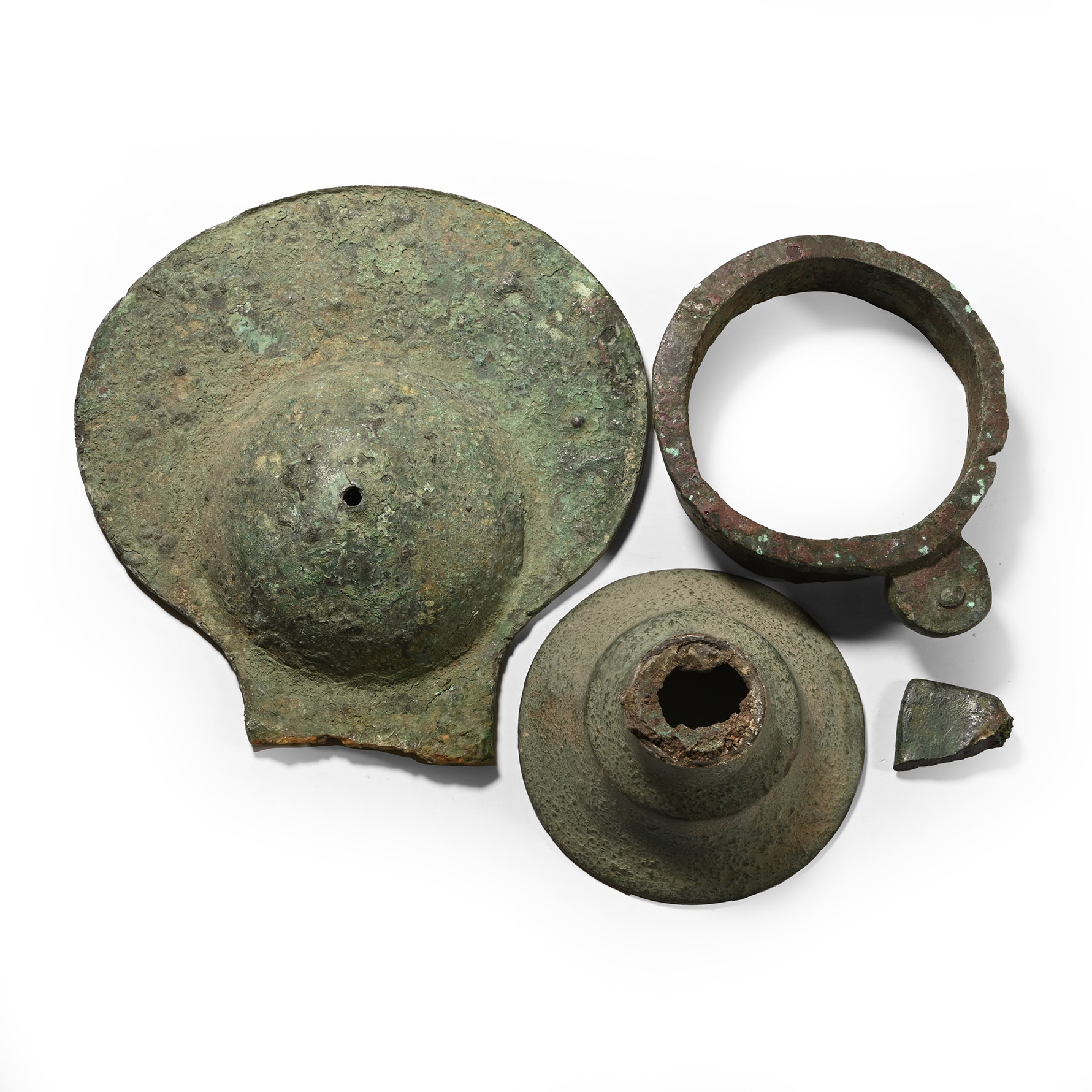
Greek Bronze Fragmentary Artefact Group
CIRCA 4TH-2ND CENTURY B.C.
1 - 5 5/8 in. (496 grams total, 2.6-14.4 cm).
Including a stepped statue base and other items. [4, No Reserve]
ProvenanceEx property of the late Mr S.M., London, UK, 1969-1999, thence by descent.
CONDITIONTimeLine Auctions follows a vetting process to ensure the authenticity and legality of all items, reinforcing our commitment to integrity and responsible trading. Each antiquity, antique, and coin lot undergoes thorough examination by a vetting committee of at least ten external specialists, professional trade association members, scientists, and archaeologists: Our Vetting Process
AUCTIONS:
TimeLine is a leading auction house specialising in antiquities, ancient art, collectables, natural history, coins, medals, and books. Our auctions offer museums, collectors, historians, and enthusiasts the opportunity to acquire unique and historically significant pieces.
-
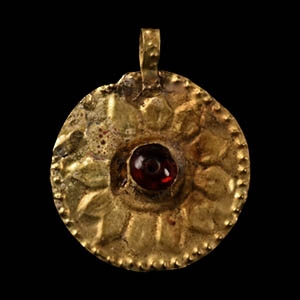
Greek Floral Gold Pendant with Garnet
Hellenistic, 2nd-1st century B.C.Sold for (Inc. bp): £468
Sheet-gold disc with integral loop, repoussé design of twelve radiating petals, pellets to the rim and loop, central cell with inset garnet bead. 0.92 grams, 25 mm
Formerly with Lyon & Turnbull, UK. Ex Surrey, UK, collection, 2000s. -
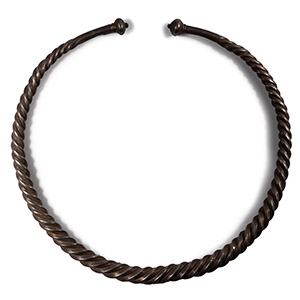
Thracian Twisted Silver Torc
4th-2nd century B.C.Estimate: £2,000 - 3,000 (‡+bp*)
Opening Bid: £1,000
Formed of twisted rods, each square in section, tapering towards the hammered finials, each with an onion-knop terminal. 157 grams, 15 cm
with Christie's, New York, 5 June 1998, no.209. Private collection, Europe. Accompanied by an academic report by Dr Raffaele D'Amato. Accompanied by copies of the relevant Christie's catalogue pages. This lot has been checked against the Interpol Database of stolen works of art and is accompanied by a search certificate number no.12381-226710. -
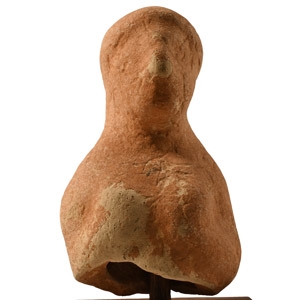
Greek Terracotta Bust of Goddess
4th-3rd century B.C.Sold for (Inc. bp): £59
Hollow-formed bust with arms drawn across the body and right hand cupping the breast; old collector's inked accession number to reverse 'SR.3590/65'; mounted on a custom-made stand. 232 grams total, 14.5 cm including stand
From a family collection mostly formed in the 1940s-1950s, thence by descent.
