
Loading, please wait...
LOT 0628
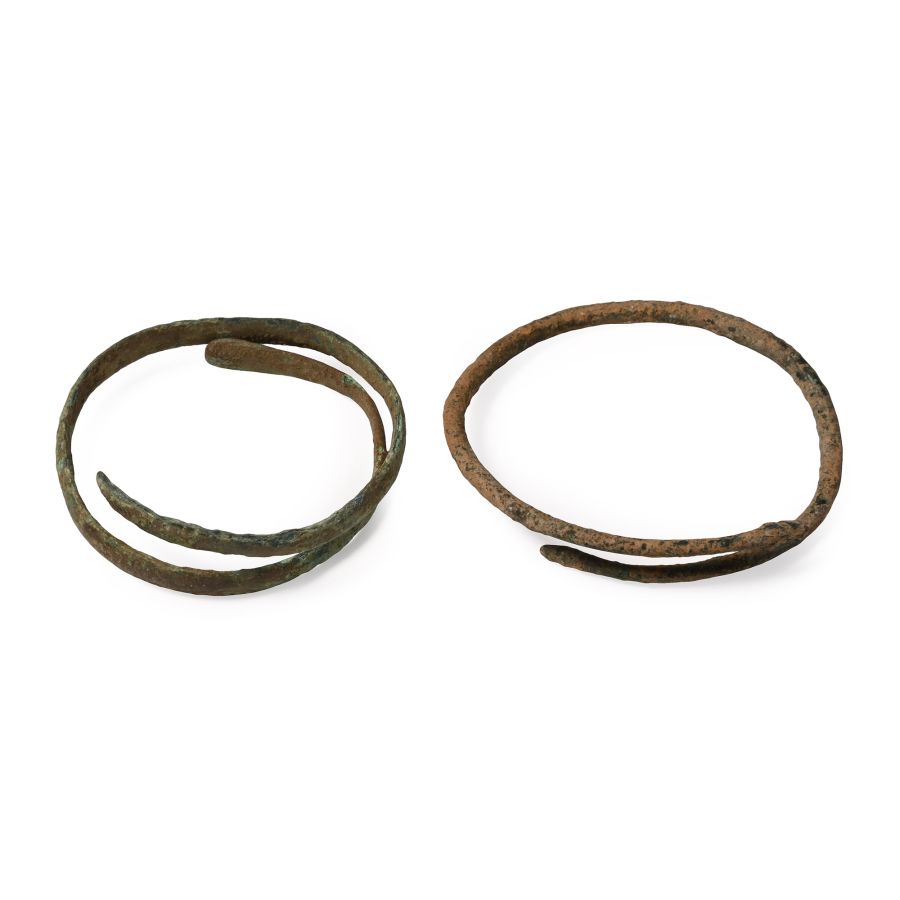
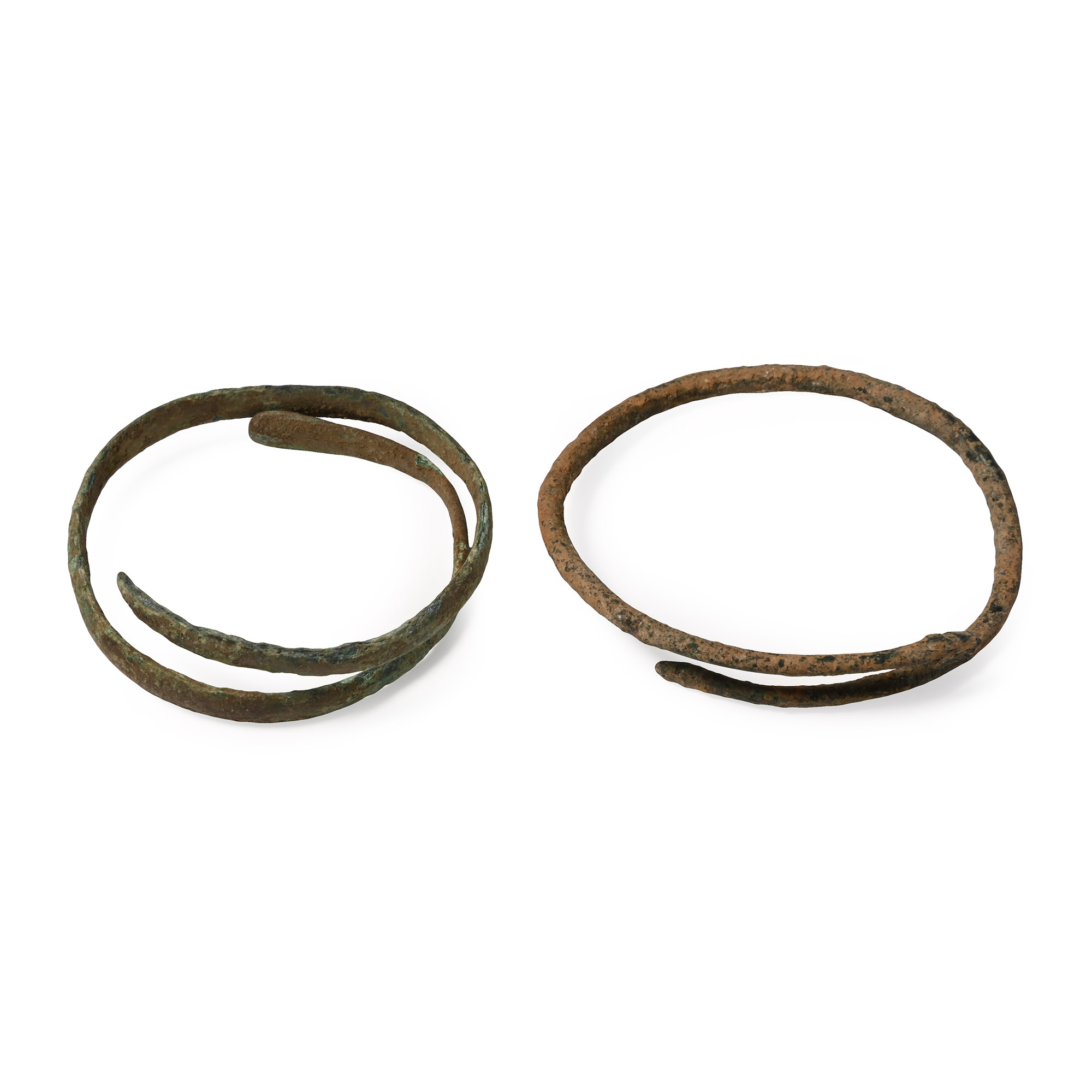
Greek Bronze Child's Bracelet Group
8TH-2ND CENTURY B.C.
1 7/8 - 2 in. (17.88 grams total, 48-53 mm).
Comprising one with serpent-head finials, and another D-shaped in section. [2, No Reserve]
ProvenanceEx collection Mr K.H., Germany.
Private collection, acquired in 2012.
TimeLine Auctions follows a vetting process to ensure the authenticity and legality of all items, reinforcing our commitment to integrity and responsible trading. Each antiquity, antique, and coin lot undergoes thorough examination by a vetting committee of at least ten external specialists, professional trade association members, scientists, and archaeologists: Our Vetting Process
AUCTIONS:
TimeLine is a leading auction house specialising in antiquities, ancient art, collectables, natural history, coins, medals, and books. Our auctions offer museums, collectors, historians, and enthusiasts the opportunity to acquire unique and historically significant pieces.
-
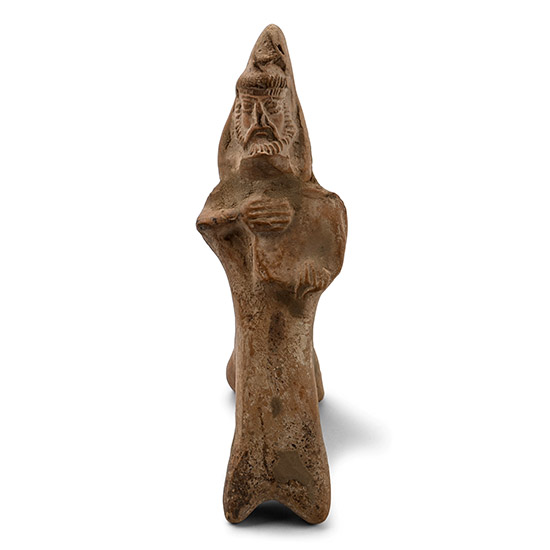
Parthian Horse and Rider Figurine
1st century B.C.-3rd century A.D.Estimate: £150 - 200 (+bp*)
Opening Bid: £75
Formed as a stylised horseman on four splayed legs, with finely modelled facial features and beard; the head of the horse integrated into the rider's body. 97 grams, 12.9 cm
Acquied on the UK art market. Private collection, London, UK. -
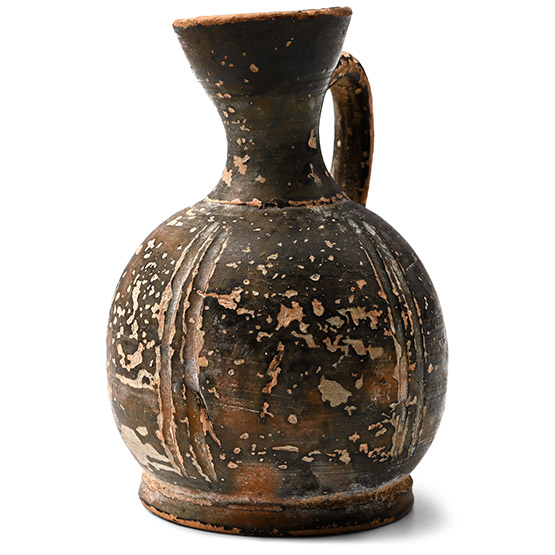
Greek Terracotta Handled Lekythos
4th-3rd century B.C.Sold for (Inc. bp): £124
Ovoid in profile with trumpet-shaped spout and strap handle, incised vertical bands to the bulbous body. 44.3 grams, 64 mm
From a Scottish gentleman’s collection, Glasgow, formed from the early 2000s. -
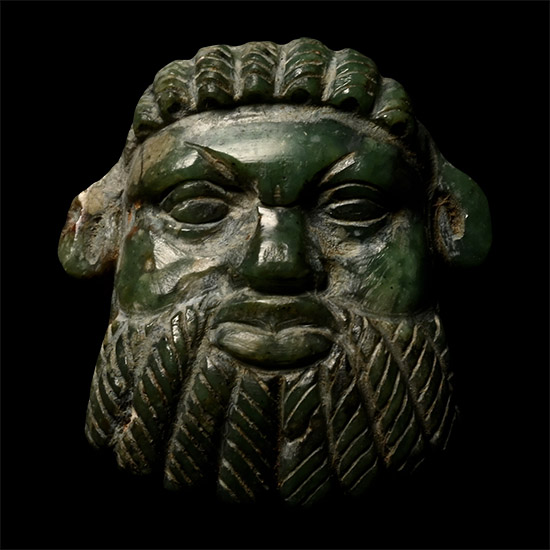
Greek Green Stone Bearded Face Amulet
400-300 B.C.Sold for (Inc. bp): £338
Finely carved head, featuring narrow eyes, a snub nose, full lips, a broad, stranded beard, and tightly curled hair rows; with a suspension loop behind the head. 4.16 grams, 20 mm
Private collection, England.
The facial features closely resemble those of Bes; the absence of Bes's characteristic plumed headdress is also evident in other amulets (Cf. Reisner, G.A., Catalogue général des antiquités égyptiennes du Musée du Caire, Nos.12528-13595, Vol. II, Amulets, Cairo, 1958, p. 16 (CG12649), pl. IV).
