
Loading, please wait...
LOT 0573
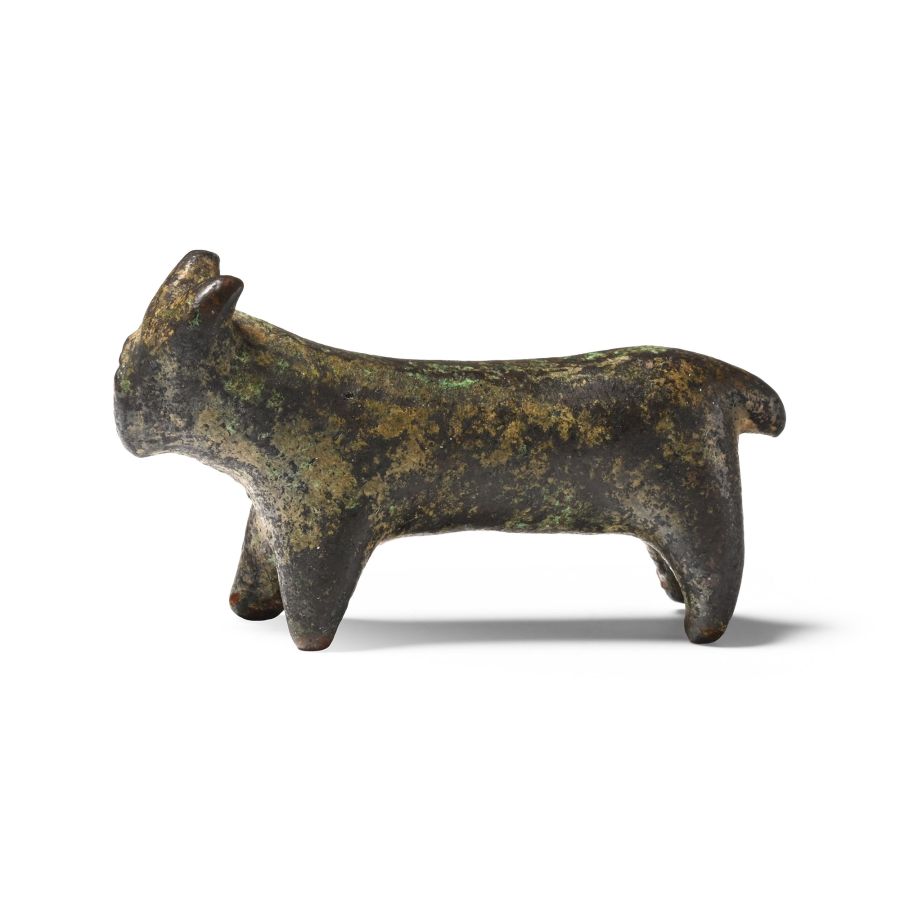
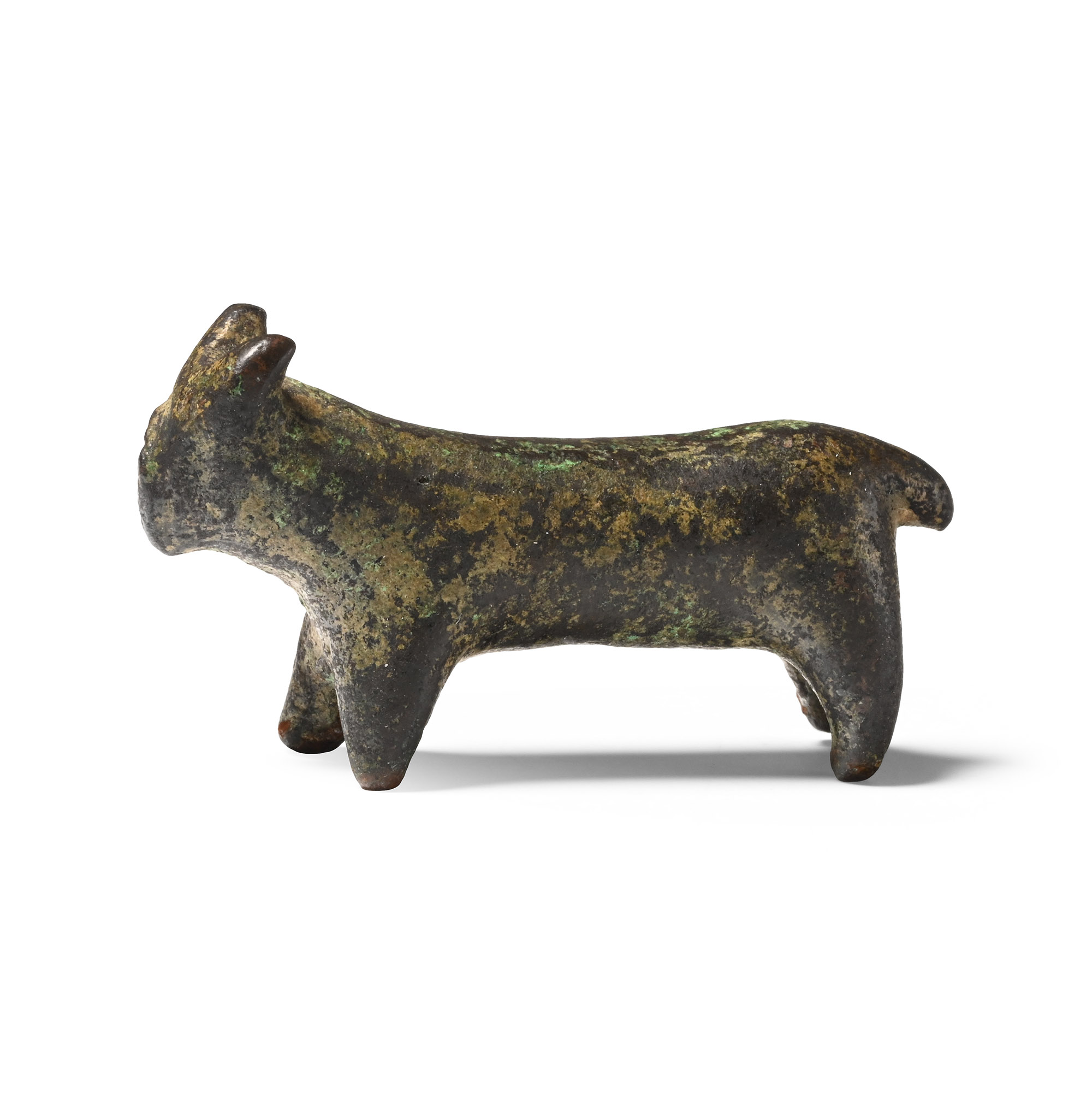
Greek Bronze Animal Statuette
4TH-1ST CENTURY B.C.
2 1/8 in. (60 grams, 53.5 mm).
Modelled in the round, standing on splayed legs, with a small tail and long body, curving ears. [No Reserve]
ProvenanceFrom the private collection of a European gentleman (1942-2024), formed since the 1970s.
CONDITIONTimeLine Auctions follows a vetting process to ensure the authenticity and legality of all items, reinforcing our commitment to integrity and responsible trading. Each antiquity, antique, and coin lot undergoes thorough examination by a vetting committee of at least ten external specialists, professional trade association members, scientists, and archaeologists: Our Vetting Process
AUCTIONS:
TimeLine is a leading auction house specialising in antiquities, ancient art, collectables, natural history, coins, medals, and books. Our auctions offer museums, collectors, historians, and enthusiasts the opportunity to acquire unique and historically significant pieces.
-
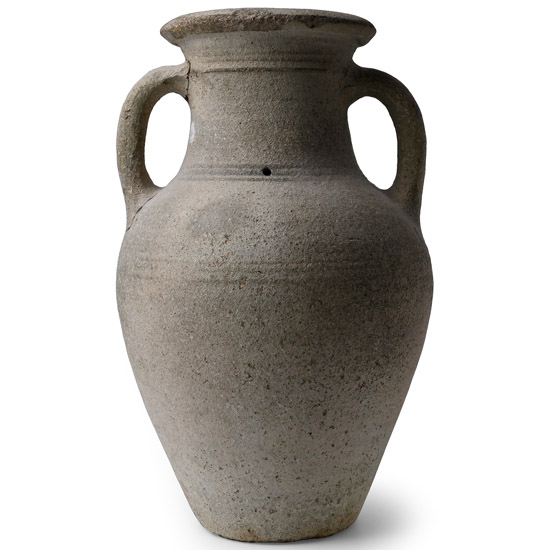
Punic Buff Ware Two-Handled Vase
Circa 100 B.C.Sold for (Inc. bp): £143
Ovoid body with flat base and a cylindrical neck with flared rim, two handles on the sides and three groups of circumferential bands on the neck and body; repaired. 1.22 kg, 26.4 cm
From the private collection of Mr Brian Edwards, New Malden, Surrey, UK, formed from the late 1970s-early 1980s; thence by descent. Accompanied by the original collector's data sheet with reference no.A83. -
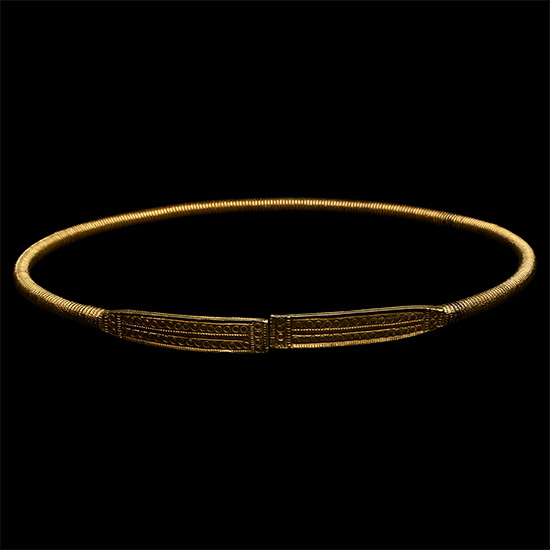
Scythian Gold-Clad Ribbed Torc with Decorated Terminals
4th-3rd century B.C.Sold for (Inc. bp): £9,360
Round in section with ribbing, rectangular finials with billeting to the borders and edges, and rows of impressed roundels. 481 grams, 28 cm
Private collection, Wagner family, Germany, 1955. Private collection, London. This lot has been checked against the Interpol Database of stolen works of art and is accompanied by a search certificate number no.12389-226870. -
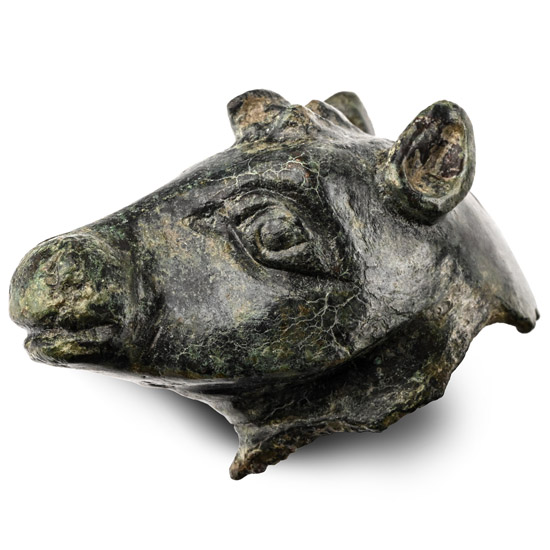
Greek Bronze Horse Head Mount
Circa 4th-3rd century B.C.Estimate: £200 - 300 (+bp*)
Opening Bid: £100
Modelled in the round with large almond-shaped eyes and pricked ears. 34.8 grams, 38 mm
Ex German art market, 2000s. Acquired from an EU collector living in London. From the collection of a Surrey, UK, gentleman.
