
Loading, please wait...
LOT 0571
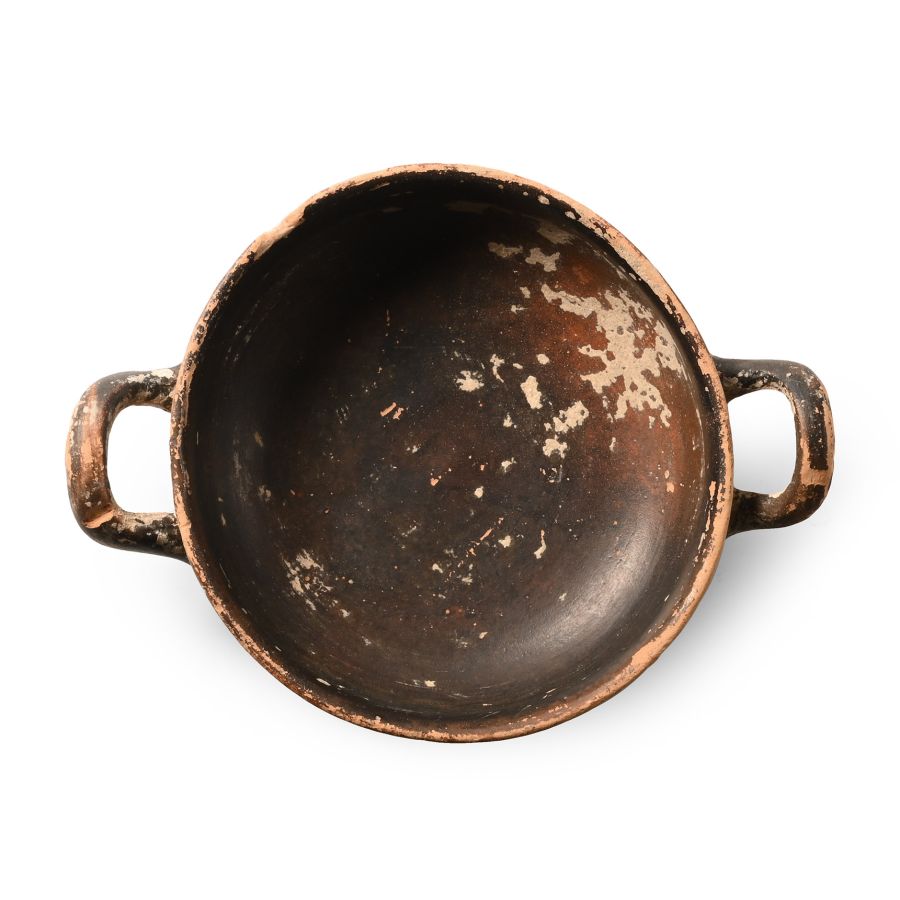
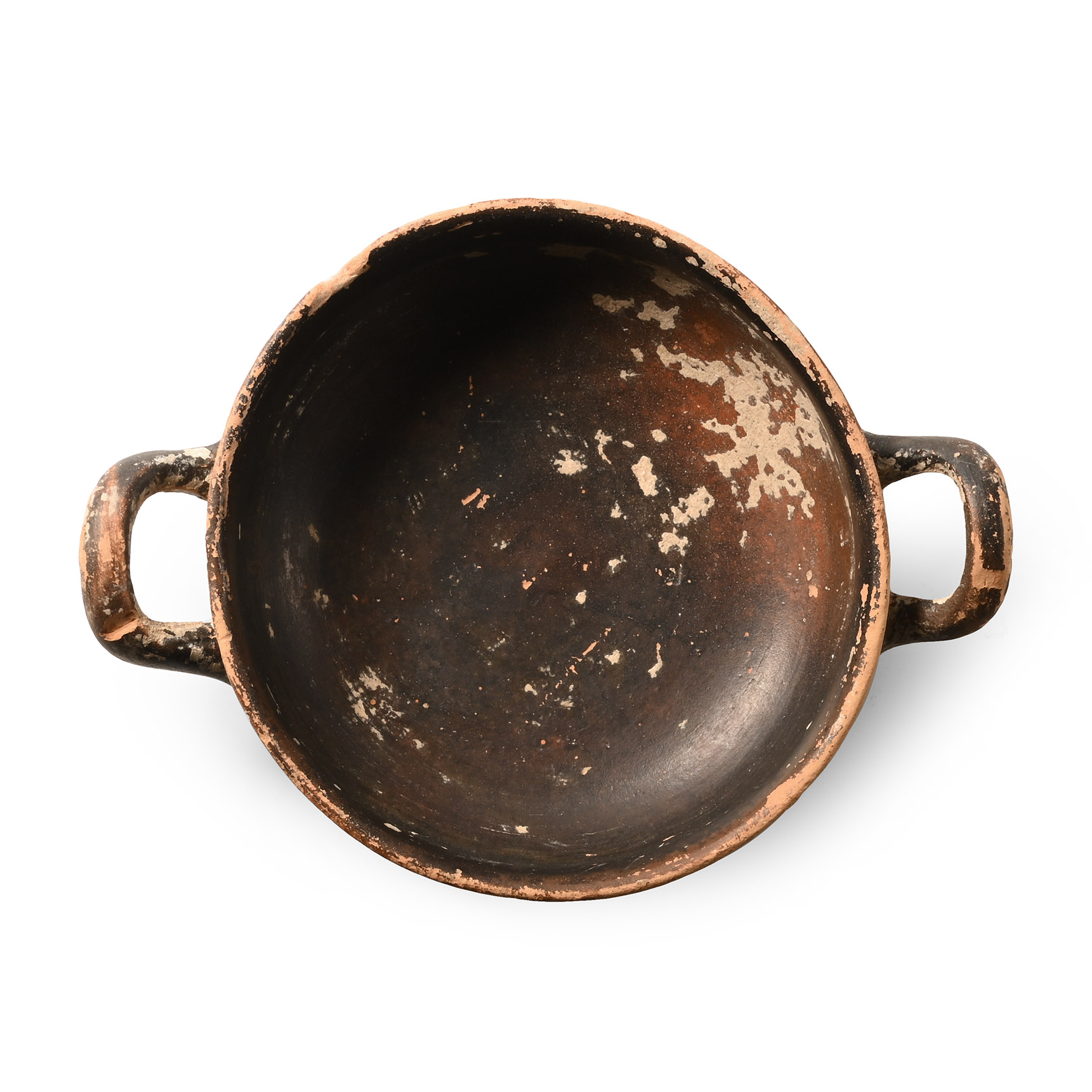
Greek Black-Glazed Skyphos
SOUTH ITALIAN, 5TH-4TH CENTURY B.C.
4 in. (36 grams, 10.2 cm wide).
Broad and squat with carination below the rim, two lateral loop handles, basal ring.
ProvenanceAcquired in Münich in 2012.
European private collection.
This lot is accompanied by an illustrated lot declaration signed by the Head of the Antiquities Department, Dr Raffaele D’Amato.
This lot is accompanied by an illustrated lot declaration signed by the Head of the Antiquities Department, Dr Raffaele D'Amato.
Cf. similar item in the Metropolitan Museum of Art, accession no.66.111.
CONDITIONTimeLine Auctions follows a vetting process to ensure the authenticity and legality of all items, reinforcing our commitment to integrity and responsible trading. Each antiquity, antique, and coin lot undergoes thorough examination by a vetting committee of at least ten external specialists, professional trade association members, scientists, and archaeologists: Our Vetting Process
AUCTIONS:
TimeLine is a leading auction house specialising in antiquities, ancient art, collectables, natural history, coins, medals, and books. Our auctions offer museums, collectors, historians, and enthusiasts the opportunity to acquire unique and historically significant pieces.
-
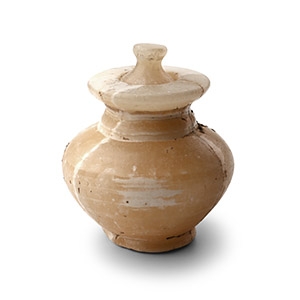
Greek Alabaster Pyxis
Mid 1st millennium B.C.Estimate: £400 - 600 (‡+bp*)
Opening Bid: £200
Barrel-shaped in profile with flared foot, broad shoulder and gusseted neck, flange to the mouth; knop handle to lid. 168 grams, 68 mm
Collection Mr. K. Ex collection Mr. H, acquired in Switzerland in the early 2000. Private collection, 2010. This lot is accompanied by an illustrated lot declaration signed by the Head of the Antiquities Department, Dr Raffaele D'Amato. -
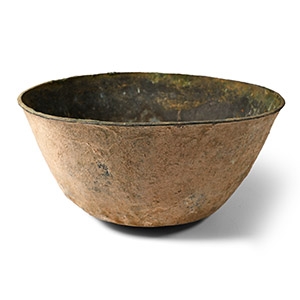
Villanovan Bronze Cup
750-730 B.C.Sold for (Inc. bp): £182
Hemispherical in profile with flat rim. 183 grams, 12.9 cm
Ex London, UK, collections, 1990s-2000s. This lot is accompanied by an illustrated lot declaration signed by the Head of the Antiquities Department, Dr Raffaele D'Amato.
In the necropolises of Southern Etruria, around the second half of the 8th century B.C., new technologies were used, which also involved metalworking. Alongside simple bronze cups intended for everyday use, similar magnificent examples containing a flourish of impressed or engraved geometric motifs were made. -
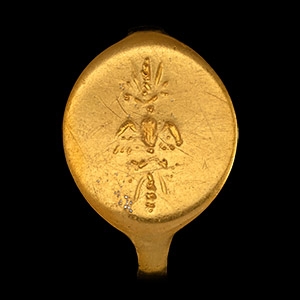
Greek Gold Ring with Thunderbolt
4th-3rd century B.C.Sold for (Inc. bp): £1,690
Flat-section hoop expanding to a flat discoid bezel with engraved stylised Zeus's thunderbolt. 3.78 grams, 21.88 mm overall, 20.32 mm internal diameter (approximate size British R 1/2, USA 8 3/4, Europe 19.38, Japan 18)
UK private collection before 2000. Acquired on the UK art market. Private collection, London, UK. This lot has been cleared against the Art Loss Register database, and is accompanied by an illustrated lot declaration signed by the Head of the Antiquities Department, Dr Raffaele D'Amato.
