
Loading, please wait...
LOT 0108
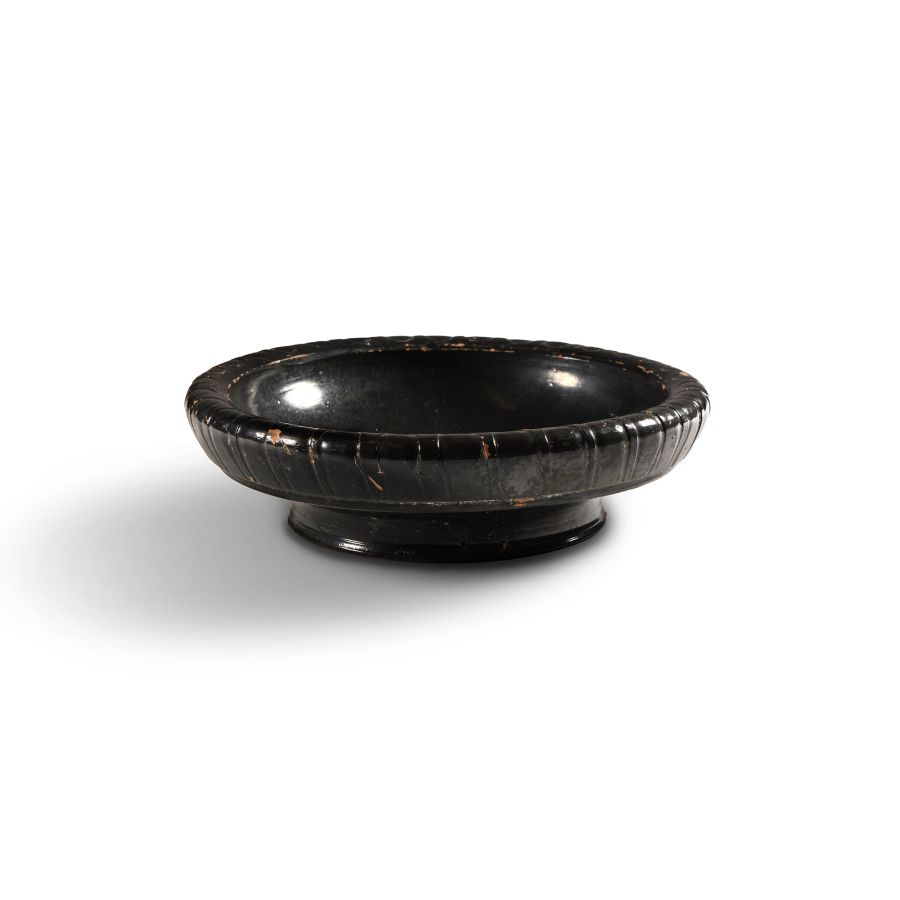
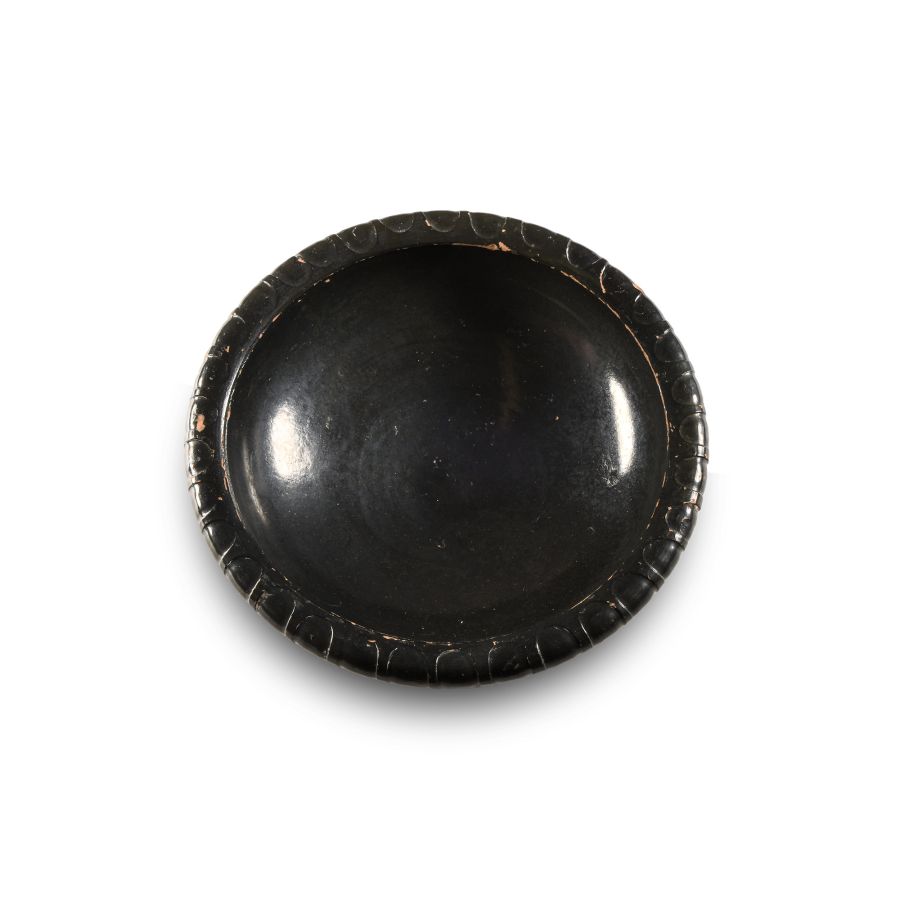
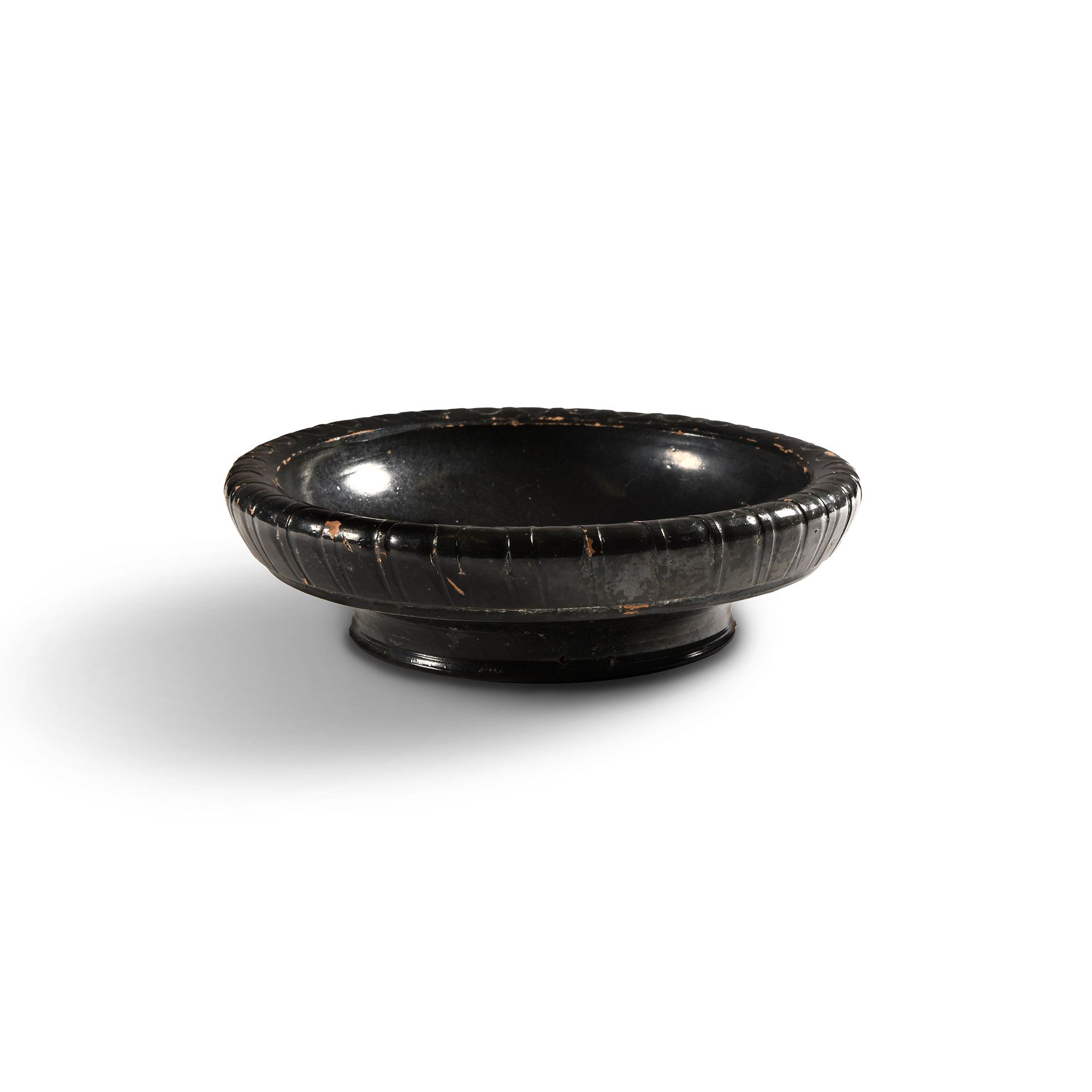
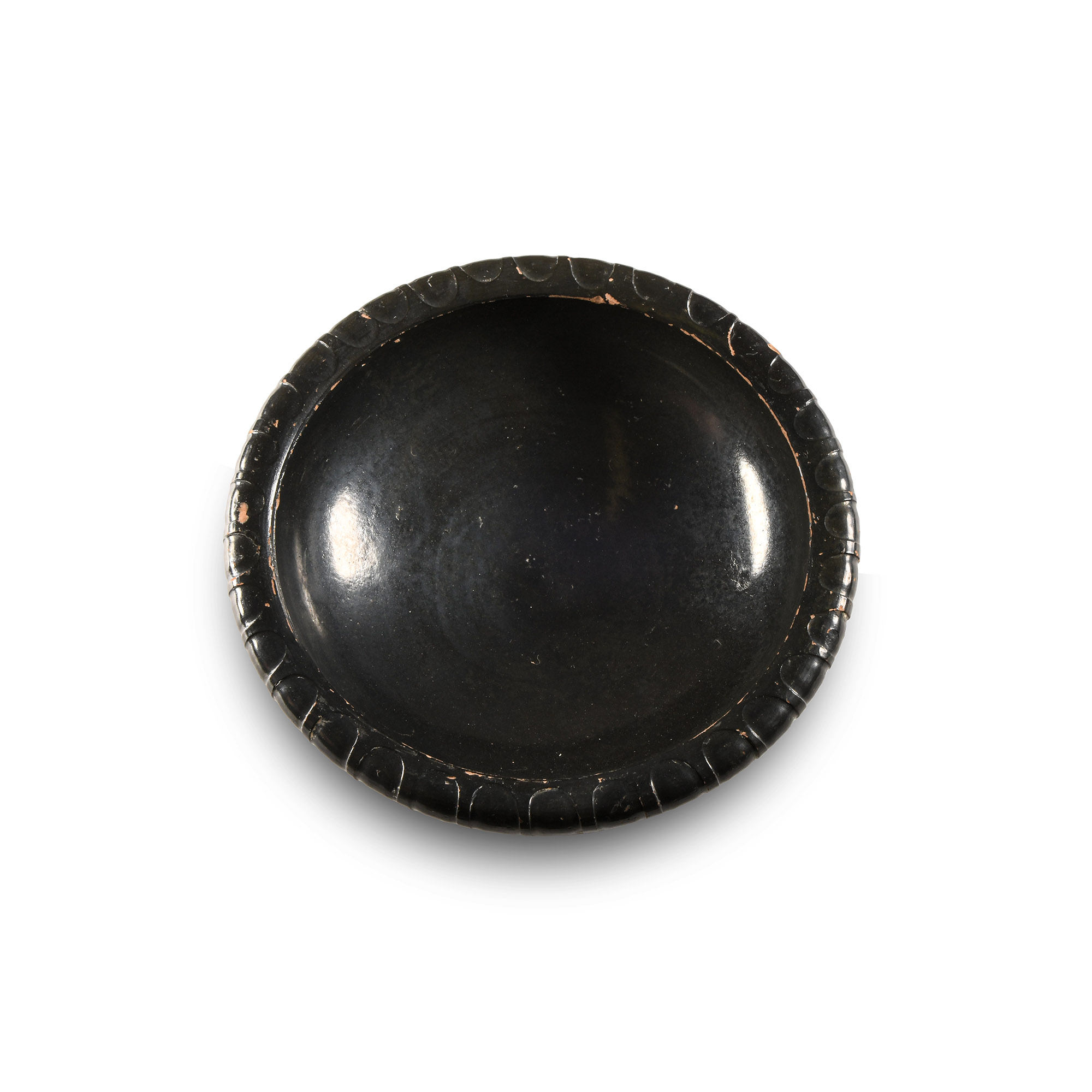
Greek Black-Glazed Plate
5TH-4TH CENTURY B.C.
5 in. (192 grams, 12.7 cm wide).
Shallow-bodied with broad foot; incised fluting around the exterior body and rim.
ProvenanceAcquired in the 1960s-1970s.
Ex European private collection.
TimeLine Auctions follows a vetting process to ensure the authenticity and legality of all items, reinforcing our commitment to integrity and responsible trading. Each antiquity, antique, and coin lot undergoes thorough examination by a vetting committee of at least ten external specialists, professional trade association members, scientists, and archaeologists: Our Vetting Process
AUCTIONS:
TimeLine is a leading auction house specialising in antiquities, ancient art, collectables, natural history, coins, medals, and books. Our auctions offer museums, collectors, historians, and enthusiasts the opportunity to acquire unique and historically significant pieces.
LOT 0108
Greek Black-Glazed Plate
Estimate £500 - 700€580 - 810 (for guidance only)$680 - 950 (for guidance only)
-
Greek Black-Glazed Plate
5th-4th century B.C.Estimate: £500 - 700 (‡+bp*)
Opening Bid: £250
Shallow-bodied with broad foot; incised fluting around the exterior body and rim. 192 grams, 12.7 cm wide
Acquired in the 1960s-1970s. Ex European private collection. -
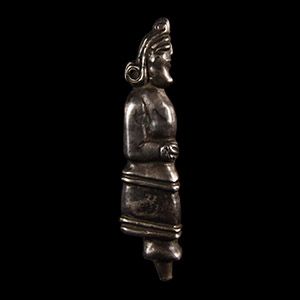
Parthian Figural Silver Dagger Hilt
3rd-1st century B.C.Estimate: £500 - 700 (+bp*)
Opening Bid: £212
Formed as a standing male figure with swept back, shoulder-length hair, hands held at the waist; mounting lug below. 66 grams, 86 mm
with a London, UK gallery 1971-early 2000s.
This hilt was probably for an acinaces blade, usually 14-18 inches long and used throughout a vast swath of territory encompassing the eastern Mediterranean, the Near East and central Asia, by such diverse cultures as the Parthians, the Medes, the Greeks, and the Scythians. -
.jpg)
Hellenistic Gold Earrings with Lapis and Mother of Pearl
4th-2nd century B.C.Sold for (Inc. bp): £19,500
Comprising a shallow disc with central flower motif inlaid with carnelian and lapis lazuli, surrounded by a beaded border, the outer pearled border inlaid with mostly replicant lapis lazuli, and mother of pearl inserts; three pendants to the lower edge, two with chain and carnelian bead, the central pendant formed as a miniature amphora with filigree, repaired; housed in a custom-made display box. 10.23 grams total, 57-61 mm
Acquired by Tuyet Nguyet in the 1970s-1980s. From the jewellery collection of Tuyet Nguyet and Stephen Markbreiter. Important North West London collection. Accompanied by an academic report by Dr Raffaele D’Amato. This lot has been checked against the Interpol Database of stolen works of art and is accompanied by search certificate number no.11777-204568.
