Loading, please wait...

Greek Black-Glazed Plate Greek Black-Glazed Plate Greek Black-Glazed Plate Greek Black-Glazed Plate Greek Black-Glazed Plate Greek Black-Glazed Plate
Use mousewheel to zoom in and out, click to enlarge
Details

LOT 0532

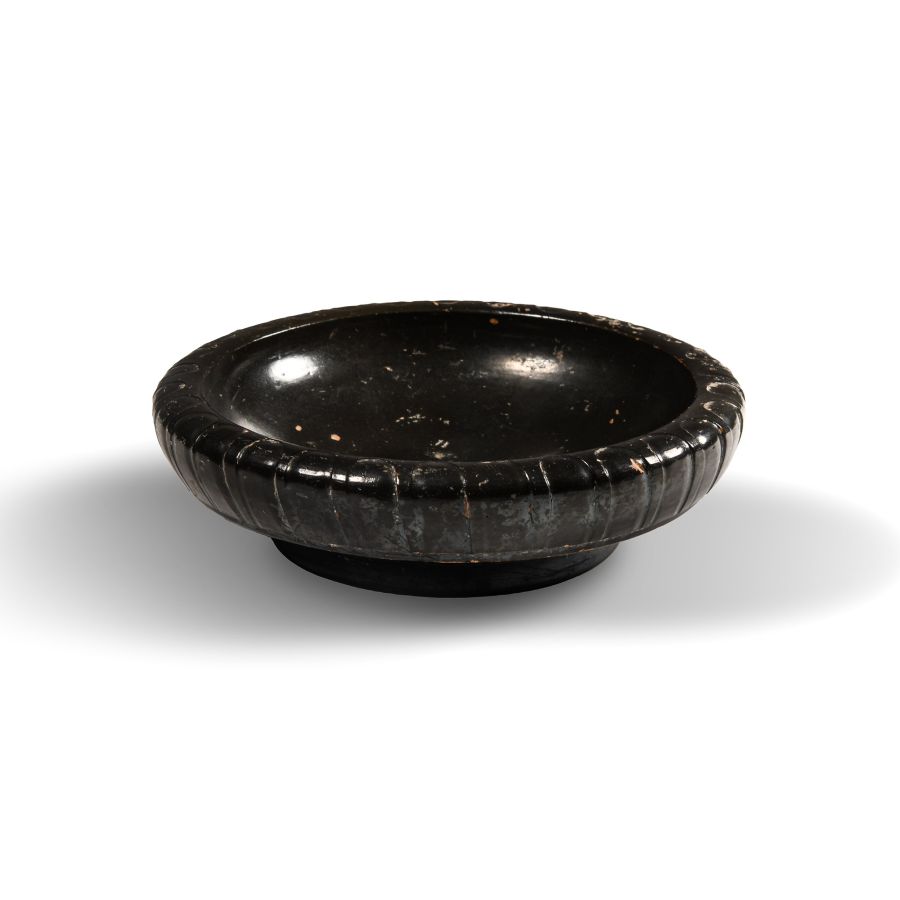
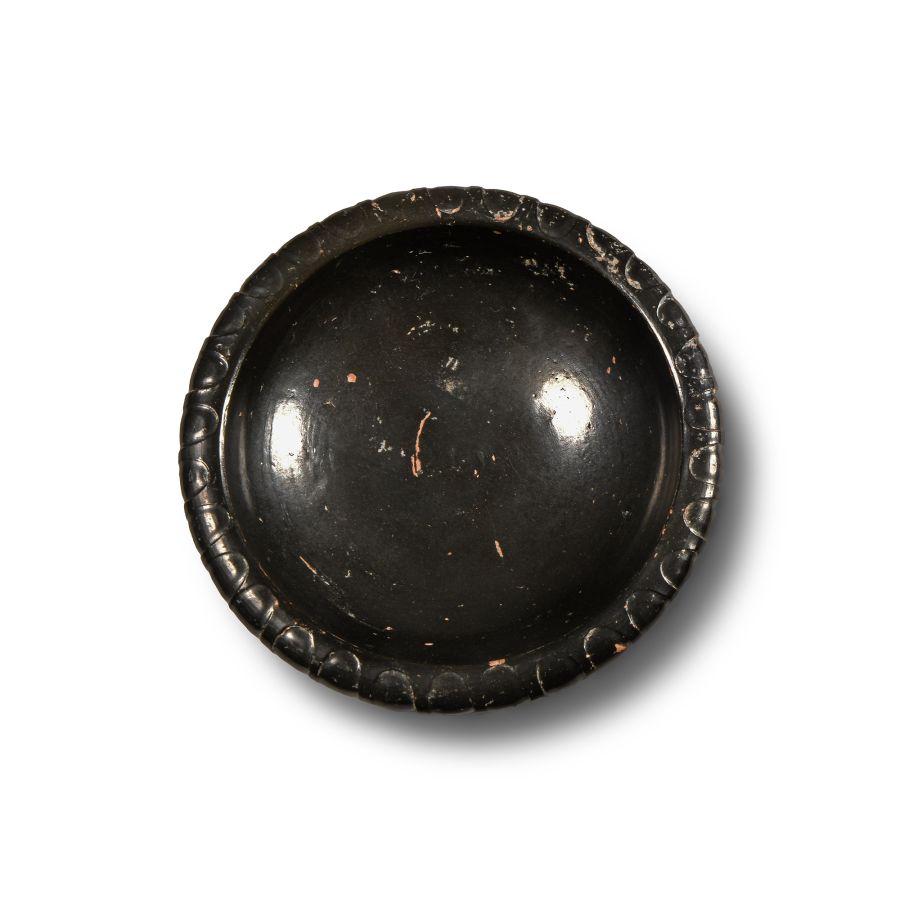
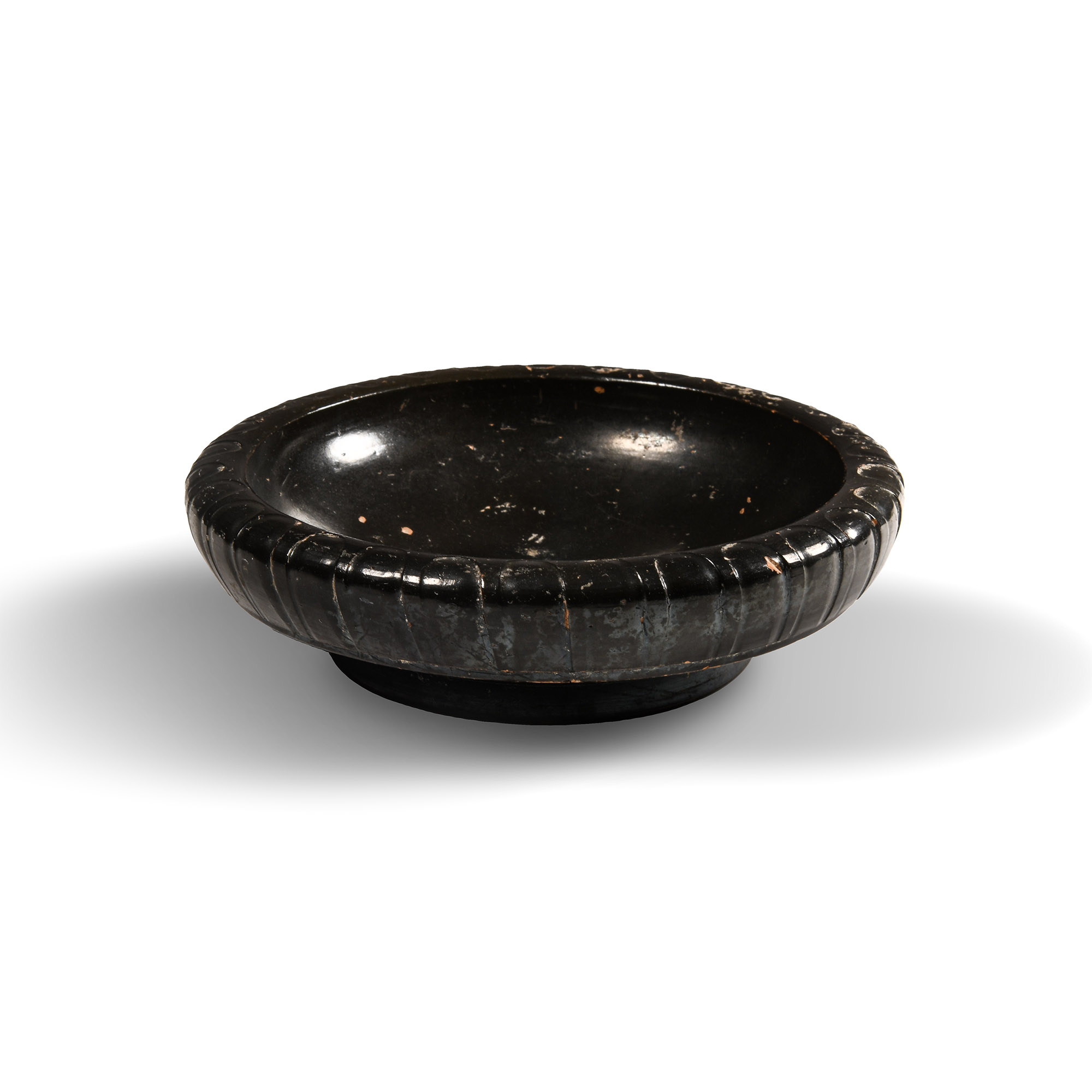
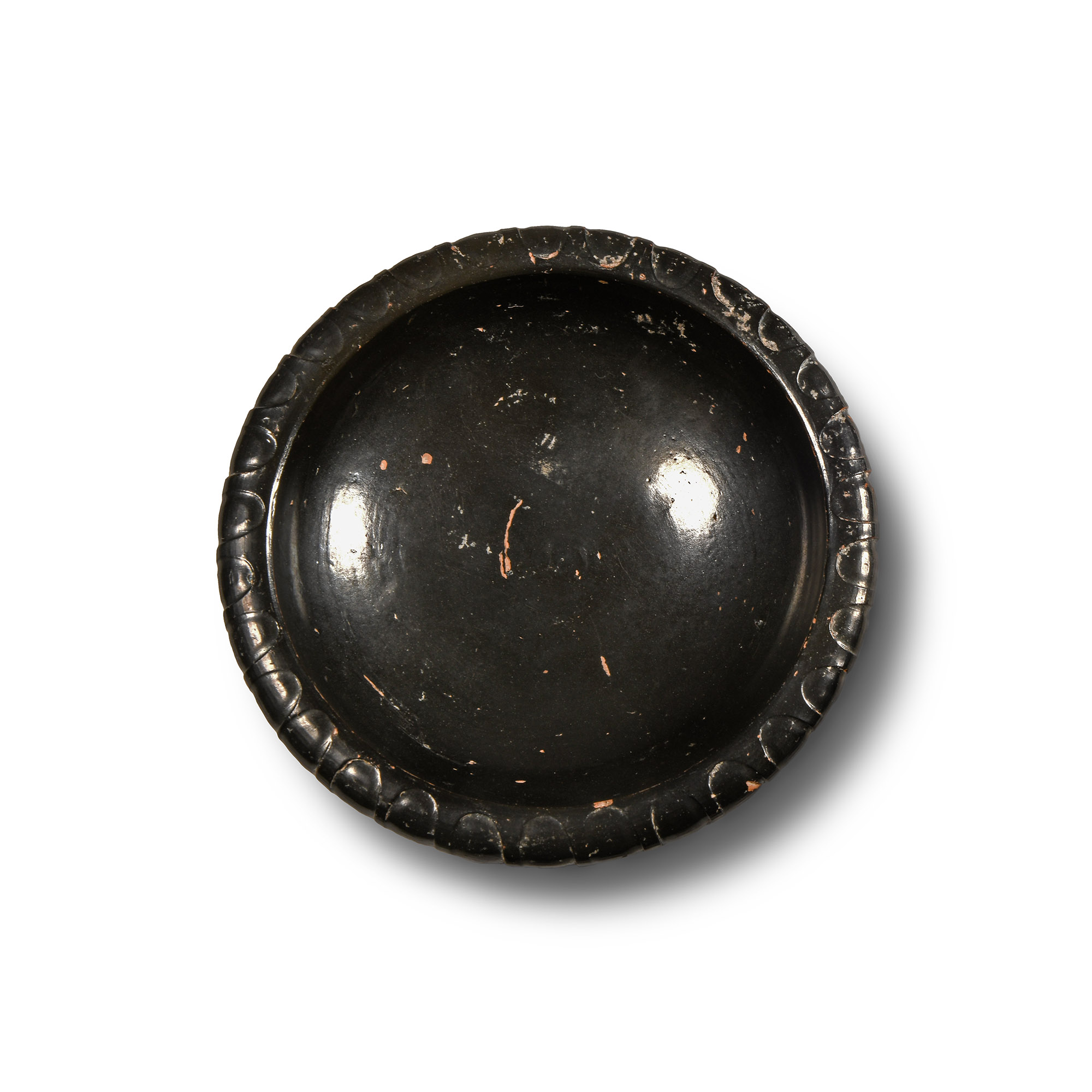
Greek Black-Glazed Plate

5TH-4TH CENTURY B.C.

4 3/4 in. (216 grams, 12 cm wide).

Shallow-bodied with broad foot; incised fluting around the exterior body and rim.

Provenance

Acquired in the 1960s-1970s.
Ex European private collection.

CONDITION
VETTING:

TimeLine Auctions follows a vetting process to ensure the authenticity and legality of all items, reinforcing our commitment to integrity and responsible trading. Each antiquity, antique, and coin lot undergoes thorough examination by a vetting committee of at least ten external specialists, professional trade association members, scientists, and archaeologists: Our Vetting Process


AUCTIONS:

TimeLine is a leading auction house specialising in antiquities, ancient art, collectables, natural history, coins, medals, and books. Our auctions offer museums, collectors, historians, and enthusiasts the opportunity to acquire unique and historically significant pieces.

LOT 0532

Greek Black-Glazed Plate

Estimate £500 - 700€580 - 810 (for guidance only)$680 - 950 (for guidance only)

Print page

RELATED LOTS
  • Greek Aryballos Perfume Jar
    Greek Aryballos Perfume Jar
    Circa 6th century B.C.

    Sold for (Inc. bp): £2,210

    Bulbous-bodied with dished rim ad short strap handle, decorative painted trail to the lip, spots to the shoulder and incised cross-hatching to the lower body; accompanied by a custom-made display stand. 104 grams, 63 mm (149 grams total, 82 mm high including stand)


    Ex Swiss private collection, C.A., Geneva (1961-2000). Thence in a French collection. with Charles Ede Limited, catalogue 183, item number 31, 2011. Accompanied by a copy of French cultural passport number 116789, dated 15 April 2010. Accompanied by a copy of an Art Loss Register certificate no.S00048851, dated 3 June 2011.

    Lot Details

  • Greek Terracotta Head Collection
    Greek Terracotta Head Collection
    3rd-2nd century B.C.

    Sold for (Inc. bp): £1,690

    Each modelled in the round and and derived from a larger female figure, some wearing diadems and some with draped heads; each mounted on a custom-made display base. 491 grams total, 9.5-13.5 cm high including stand


    Acquired in the 1970s. Ex European private collection. This lot has been checked against the Interpol Database of stolen works of art and is accompanied by search certificate no.11795-206534.

    These figurines reflect sculptural prototypes. Interestingly the head of one of the women is draped in a himation, and the head is turned slightly to the right like the terracotta of Amisos which represents a dancer. These figurines were most probably manufactured in Hellenistic cities by craftsmen who used either light yellow or dark brown clay. After the firing, the surface of the clay became reddish, while the core became grey-brown. The majority of the figurines were made from untreated clay with many impurities, such as coarse grain. Due to the quality of the clay the surface of the figurines was often rugged, despite the retouch, but were painted with vivid colours, as is still visible on the pink polos on one of the heads.

    Lot Details

  • Hellenistic Terracotta Head of a Youth
    Hellenistic Terracotta Head of a Youth
    3rd century B.C.

    Sold for (Inc. bp): £18,200

    Tousled curly hair, strong aquiline nose and full mouth; the deep eyes marked by raised eyelids and prominent semi-circular eyebrows; the hair arranged in overlapping rows of locks; repaired; mounted on a later porphyry plinth. 1.40 kg total, 23.5 cm high including stand


    From the estates of the late Adrian Stanford and Norman St John-Stevas, Baron St John of Fawsley. with the previous owner since 1982. with Christie's, London, South Kensington, 22 February 2017, lot 10. Accompanied by an academic report by Dr Raffaele D’Amato. This lot has been checked against the Interpol Database of stolen works of art and is accompanied by search certificate number no.11774-204595.

    The head represents a Hellenistic portrait of a young man, whose characteristics seem to suggest a reference to a youthful portrait of Alexander the Great. Another possibility is that it represents the portrait of Alexander’s companion, Hephaestion.

    Lot Details

Stay up-to-date with the latest from TimeLine Auctions by joining our mailing list