
Loading, please wait...
LOT 0048
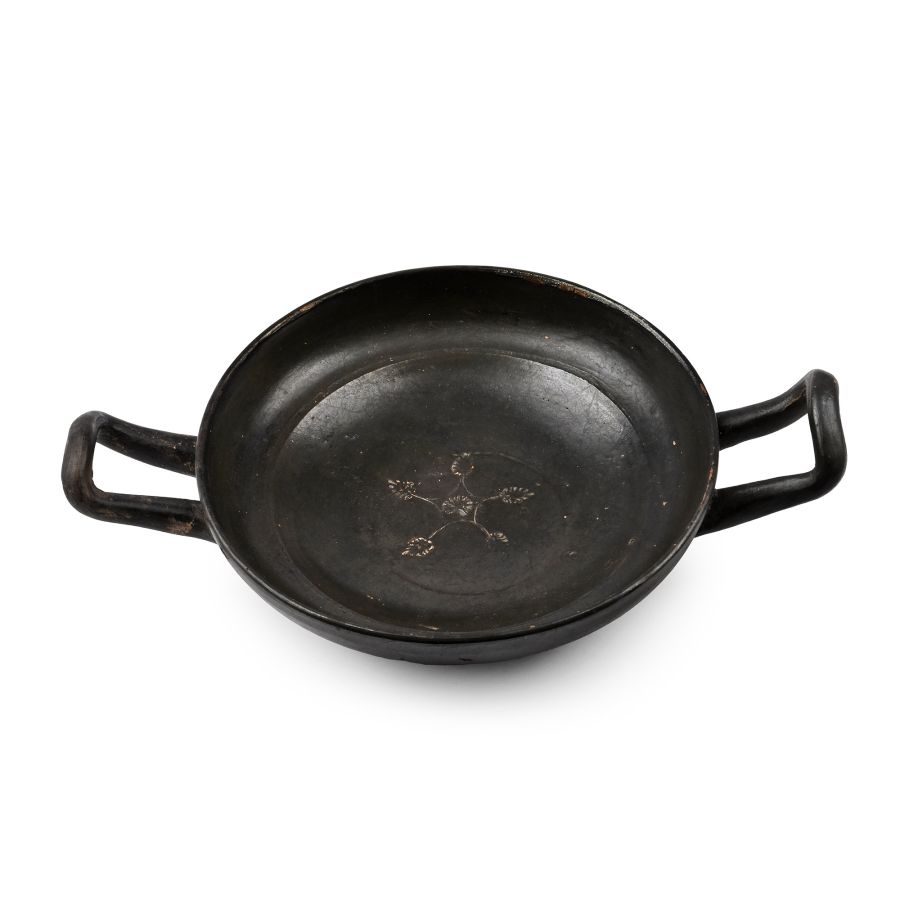
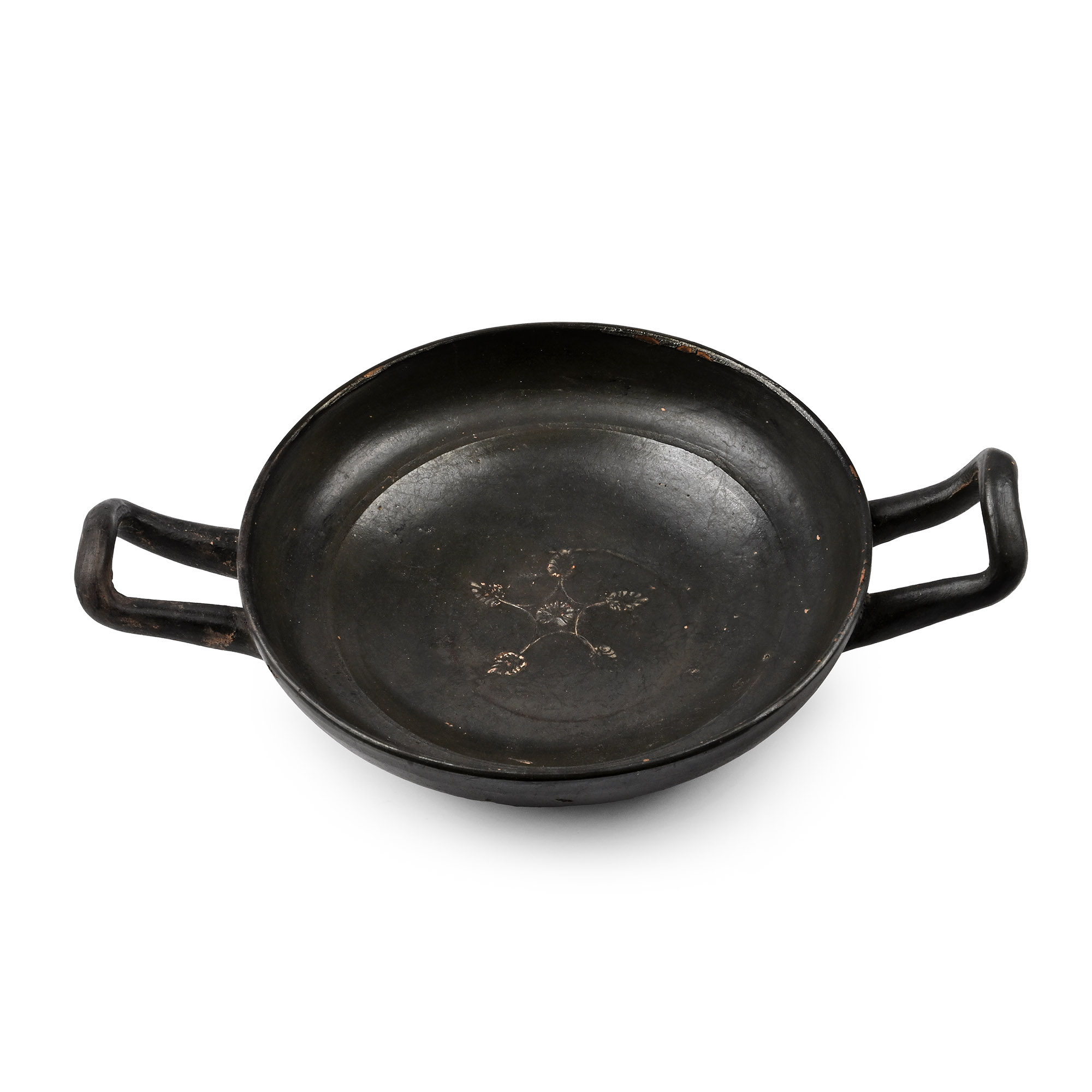
Greek Black-Glazed Kylix with Floral Design
CAMPANIAN, CIRCA 4TH CENTURY B.C.
8 7/8 in. (283 grams, 22.5 cm).
Comprising a low foot of rare profile, with two toruses; five interconnected palmettes to the tondo; concentric rib on the interior, looped handles. [No Reserve]
ProvenanceFrom the private collection of a Canadian gentleman living in Essex, UK, formed since the 1920s-circa 1990.
Property of an Essex lady until the late 1990s; thence by descent.
From the private collection of an Essex gentleman since the late 1990s.
This lot is accompanied by an illustrated lot declaration signed by the Head of the Antiquities Department, Dr Raffaele D'Amato.
TimeLine Auctions follows a vetting process to ensure the authenticity and legality of all items, reinforcing our commitment to integrity and responsible trading. Each antiquity, antique, and coin lot undergoes thorough examination by a vetting committee of at least ten external specialists, professional trade association members, scientists, and archaeologists: Our Vetting Process
AUCTIONS:
TimeLine is a leading auction house specialising in antiquities, ancient art, collectables, natural history, coins, medals, and books. Our auctions offer museums, collectors, historians, and enthusiasts the opportunity to acquire unique and historically significant pieces.
-
.jpg)
South Italian Red-Figure Skyphos with Owl
5th-4th century B.C.Estimate: £3,000 - 4,000 (‡+bp*)
Opening Bid: £1,500
With mammiform body, pedestal base and two loop handles; each side with a facing image of an owl between laurel fronds. 239 grams, 17.5 cm
Swiss private collection, assembled in the 1960s-1970s. Private collection, acquired in 2013. This lot has been checked against the Interpol Database of stolen works of art and is accompanied by a search certificate number no.12854-241751. This lot has been cleared against the Art Loss Register database, and is accompanied by an illustrated lot declaration signed by the Head of the Antiquities Department, Dr Raffaele D'Amato. -
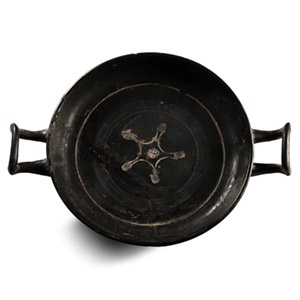
Greek Terracotta Black-Glazed Stemless Cup
Campanian, circa 4th century B.C.Sold for (Inc. bp): £572
With two lateral handles on a low, profiled ring foot; incised and stamped decoration to the interior comprising a central blossom surrounded by palmettes connected by curved lines, the whole framed by a concentric circle made up of dashes; restored. 227 grams, 20.5 cm
with S.C., Basel, prior 2003. Accompanied by a copy of an Art Loss Register certificate no.S00075178. This lot is accompanied by an illustrated lot declaration signed by the Head of the Antiquities Department, Dr Raffaele D’Amato. This lot is accompanied by an illustrated lot declaration signed by the Head of the Antiquities Department, Dr Raffaele D'Amato. -
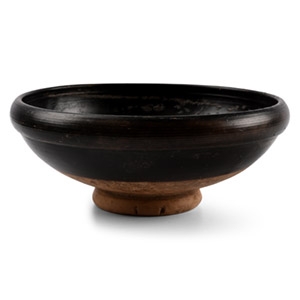
Greek Black-Glazed Bowl with Inverted Rim
South Italic, circa 4th century B.C.Sold for (Inc. bp): £156
Broad and shallow with basal ring, carinated rim. 276 grams, 15.3 cm
From the private collection of a Canadian gentleman living in Essex, UK, formed since the 1920s-circa 1990. Property of an Essex lady until the late 1990s; thence by descent. From the private collection of an Essex gentleman since the late 1990s. This lot is accompanied by an illustrated lot declaration signed by the Head of the Antiquities Department, Dr Raffaele D'Amato.
