
Loading, please wait...
LOT 0582
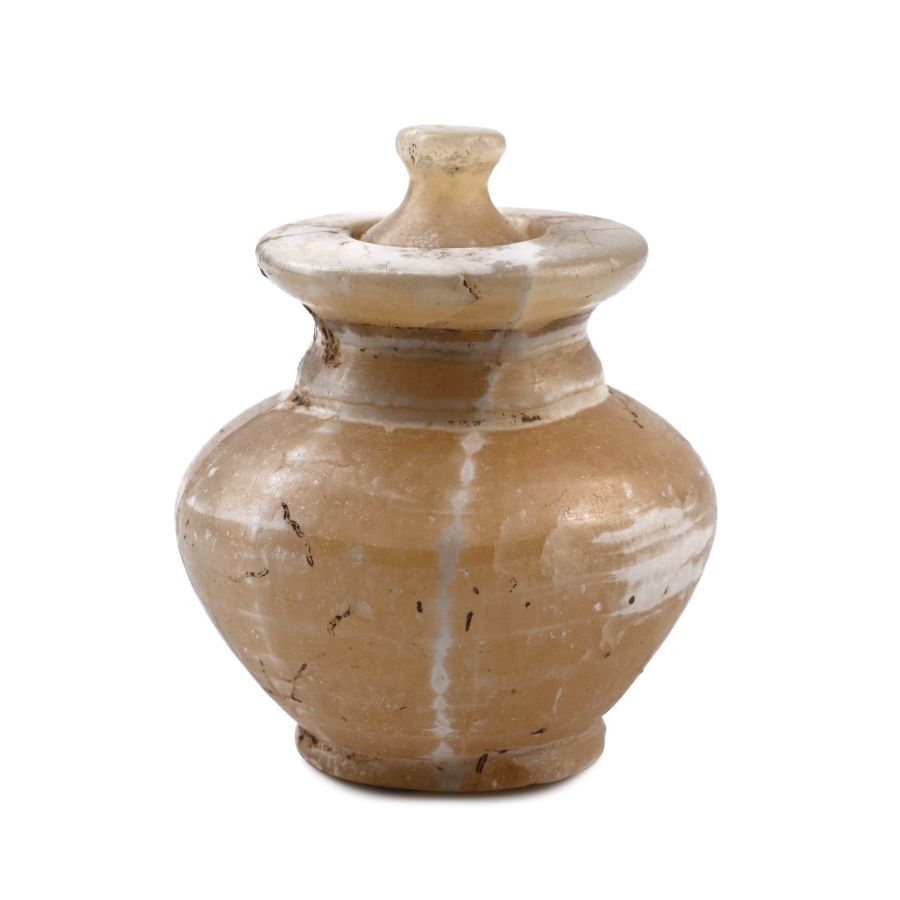
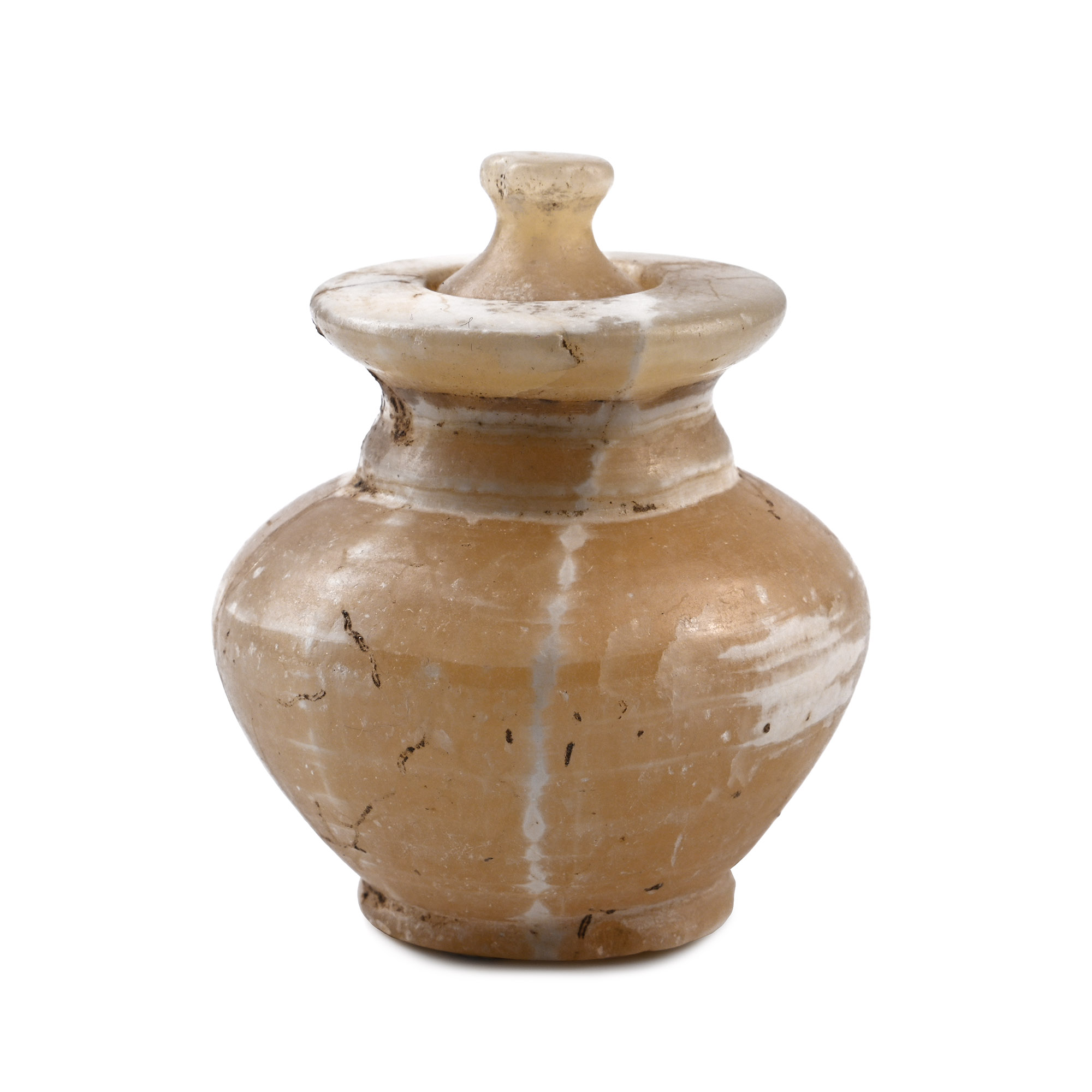
Greek Alabaster Cosmetic Pyxis with Lid
1ST MILLENNIUM B.C.
2 5/8 in. (168 grams, 68 mm).
Barrel-shaped in profile with flared foot, broad shoulder and gusseted neck, flange to the mouth; knop handle to lid.
ProvenanceAcquired in Switzerland, early 2000.
Private collection, 2010.
TimeLine Auctions follows a vetting process to ensure the authenticity and legality of all items, reinforcing our commitment to integrity and responsible trading. Each antiquity, antique, and coin lot undergoes thorough examination by a vetting committee of at least ten external specialists, professional trade association members, scientists, and archaeologists: Our Vetting Process
AUCTIONS:
TimeLine is a leading auction house specialising in antiquities, ancient art, collectables, natural history, coins, medals, and books. Our auctions offer museums, collectors, historians, and enthusiasts the opportunity to acquire unique and historically significant pieces.
-
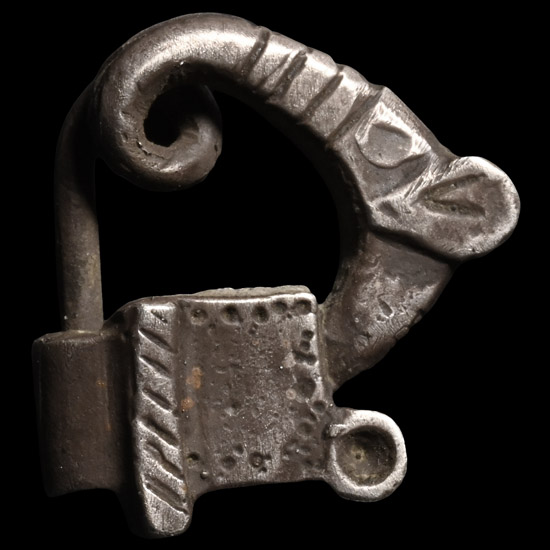
Phrygian Silver Bow Brooch
Iron Age, circa 8th-7th century B.C.Sold for (Inc. bp): £65
The bow formed as a stylised animal with teardrop-shaped ears and a long, curving trunk extending as the pin, square footplate with a small loop. 2.93 grams, 16.12 mm
From the private collection of a European gentleman (1942-2024), formed since the 1970s. -
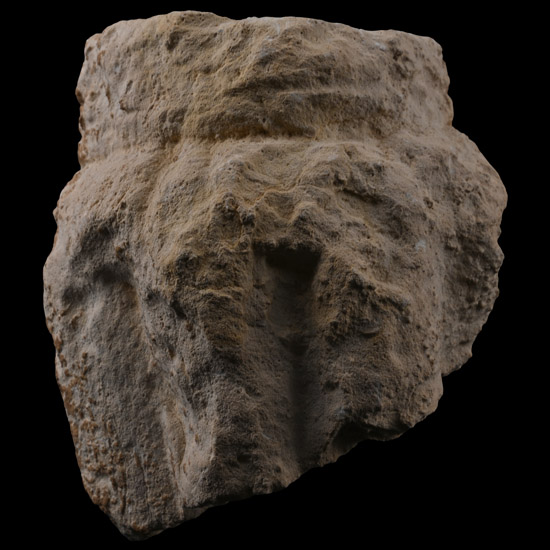
Graeco-Roman Stone Column Section
Late 1st century B.C.-early 1st century A.D.Sold for (Inc. bp): £26
A section showing tightly wrapped lotus petals. 492 grams, 95 mm
From the late collection of a Cornish couple formed from the early 1990s. -
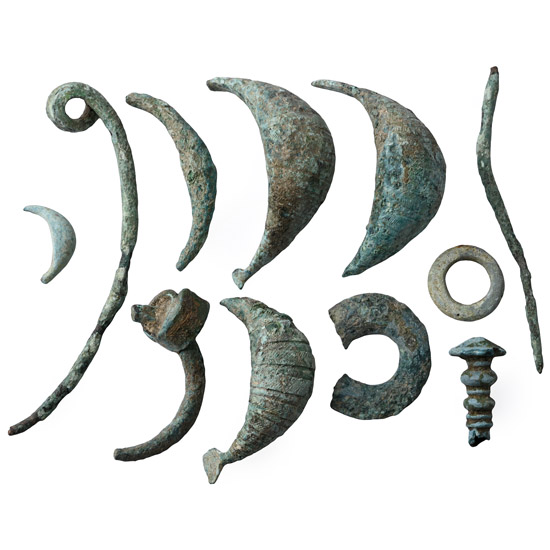
Villanovan Bronze Artefact Collection
Iron Age, circa 8th century B.C.Sold for (Inc. bp): £65
Mixed group of fragmentary artefacts, including bows from leech brooches and pins. 162 grams total, 18.5-90 mm
From the private collection of a European gentleman (1942-2024), formed since the 1970s.
