
LOT 3467
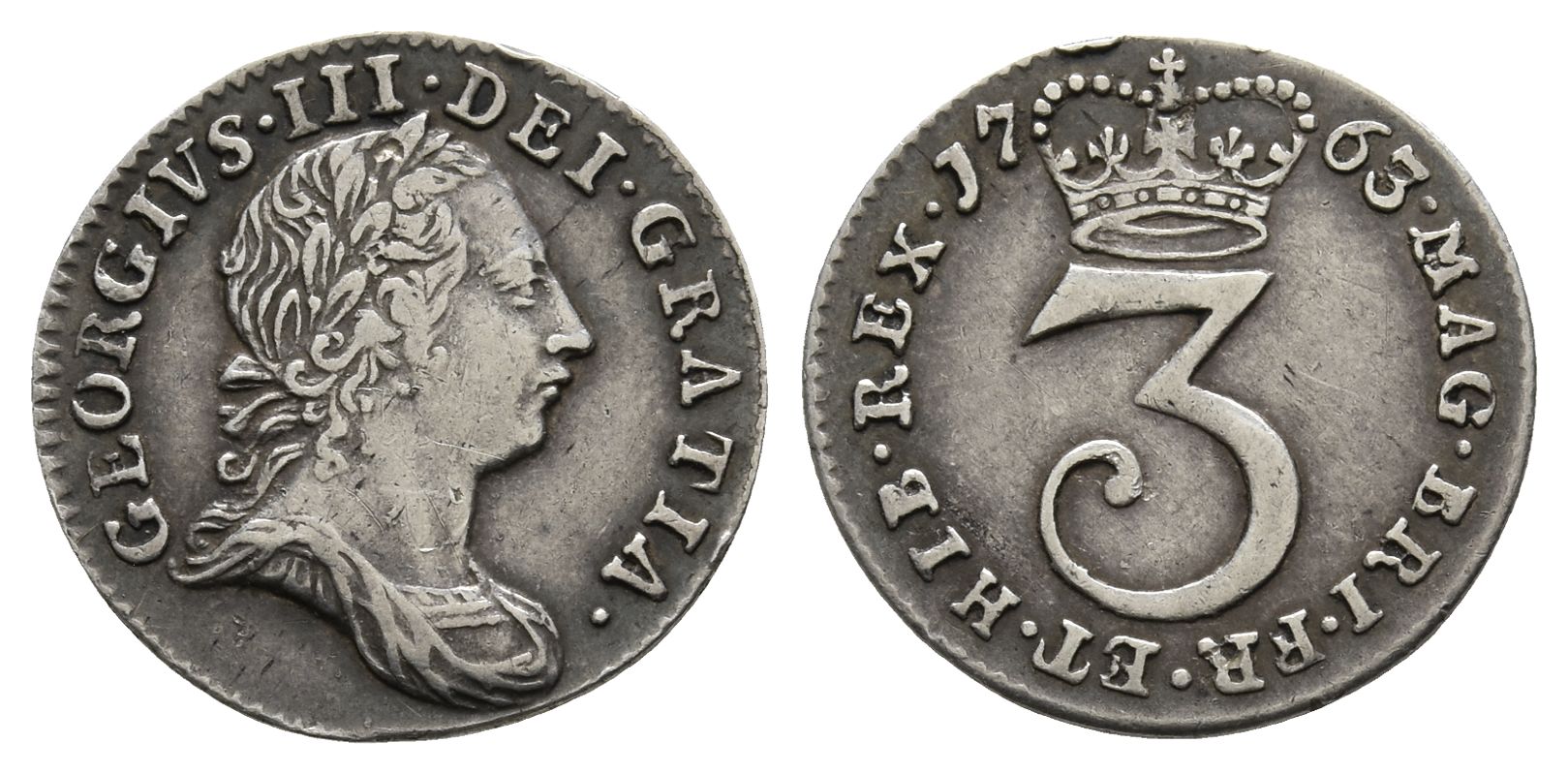
Great Britain. Hanover, George III AR Threepence. 1760-1820.
Dated 1763. GEORGIVS • III • DEI • GRATIA •, laureate and draped bust to right / MAG • BRI • FR • ET • HIB • REX •, large crowned 3; date above. Bull 2255; ESC 2034; SCBC 3753. Near Very Fine.(1.46gr, 17mm, 6h.).
ProvenanceEx Stocker collection, Kent, UK, 1955-early 2000s.
TimeLine Auctions follows a vetting process to ensure the authenticity and legality of all items, reinforcing our commitment to integrity and responsible trading. Each antiquity, antique, and coin lot undergoes thorough examination by a vetting committee of at least ten external specialists, professional trade association members, scientists, and archaeologists: Our Vetting Process
AUCTIONS:
TimeLine is a leading auction house specialising in antiquities, ancient art, collectables, natural history, coins, medals, and books. Our auctions offer museums, collectors, historians, and enthusiasts the opportunity to acquire unique and historically significant pieces.
-
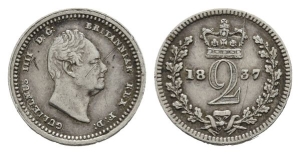
Great Britain. Hanover, William IV AR Twopence. 1830-1837.
Sold for (Inc. bp): £26
London mint. Dated 1837. Designs by William Wyon and Jean Baptiste Merlen. GULIELMUS IIII D:G: BRITANNIAR: REX F:D:, bare head to right / Crowned denomination within oak wreath. SCBC 3843. 0.93gr, 13mm, 6h.
Very Fine.
Acquired on the UK art market before 2000. Property of an Essex, UK, gentleman. -
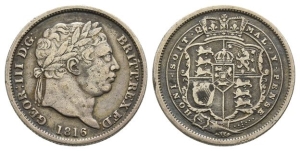
Great Britain. Hanover, George III AR Shilling. 1760-1820.
Sold for (Inc. bp): £33
London mint. Dated 1816. 'Bull Head' type. Last coinage. Engraved by Benedetto Pistrucci and Thomas Wyon. GEOR : III D : G : BRITT : REX F : D :, laureate head to right / Ornate crowned Royal shield overlaid with smaller crowned shield, all within Garter inscribed HONI • SOIT • Q MAL • Y • PENSE. Bull 2140; ESC 1228; SCBC 3790. 5.47gr, 24mm, 12h.
Near Very Fine.
Ex Stocker collection, Kent, UK, 1955-early 2000s. -
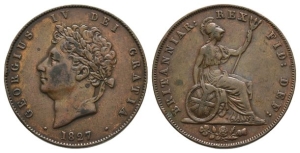
Great Britain. Hanover, George IV CU Halfpenny. 1820-1830.
Sold for (Inc. bp): £13
London mint. Dated 1827. GEORGIUS IV DEI GRATIA, laureate head to left; date below / BRITANNIAR : REX FID : DEF :, Britannia seated to right, resting hand on Union shield, holding trident; shamrock, rose, and thistle in exergue. Peck 1461; SCBC 3824. 9.09gr, 28mm, 12h.
Very Fine.
Ex Stocker collection, Kent, UK, 1955-early 2000s.
