
Loading, please wait...
LOT 0085
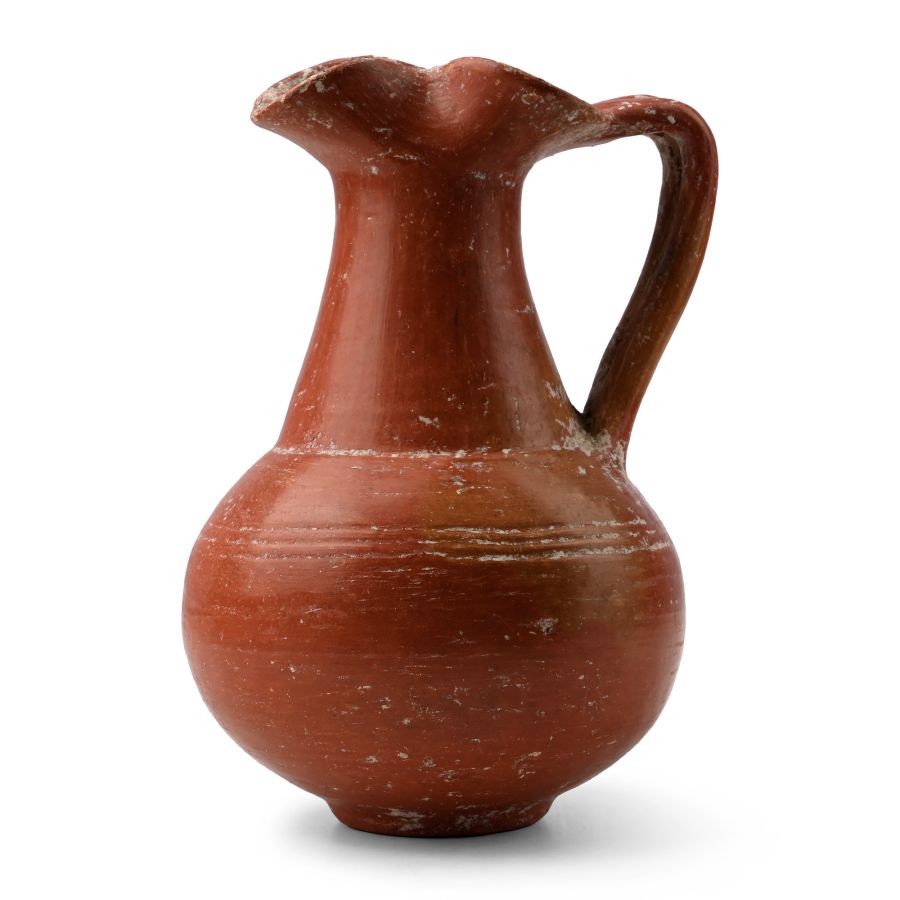
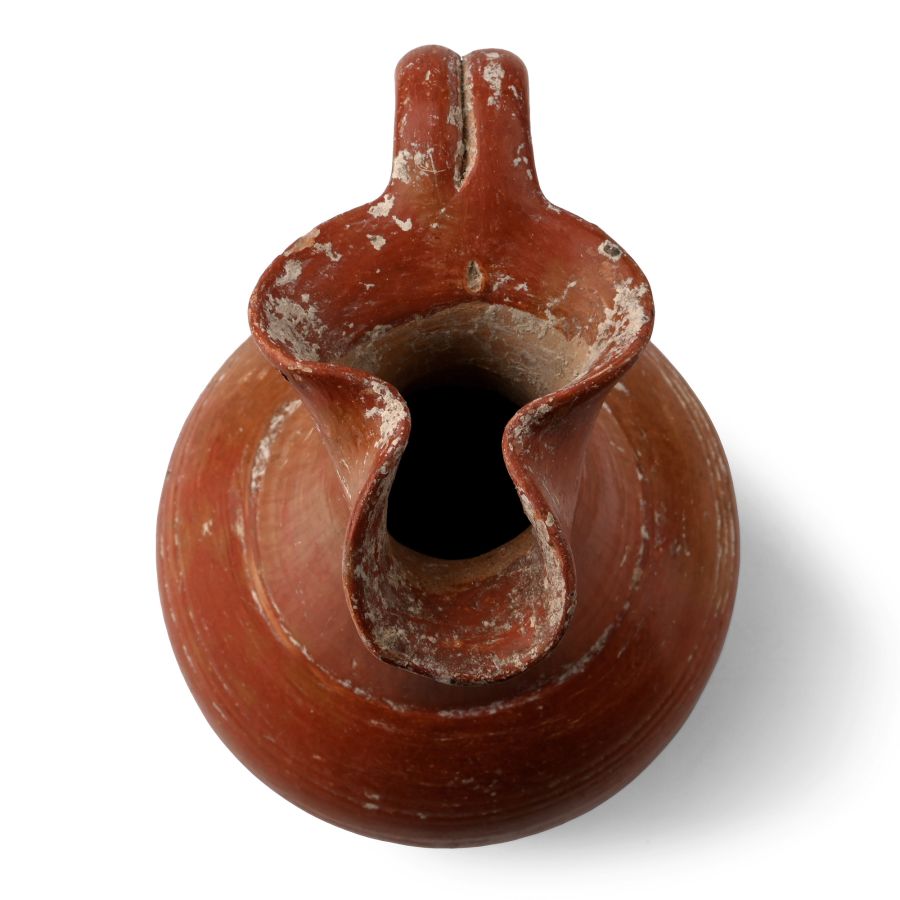
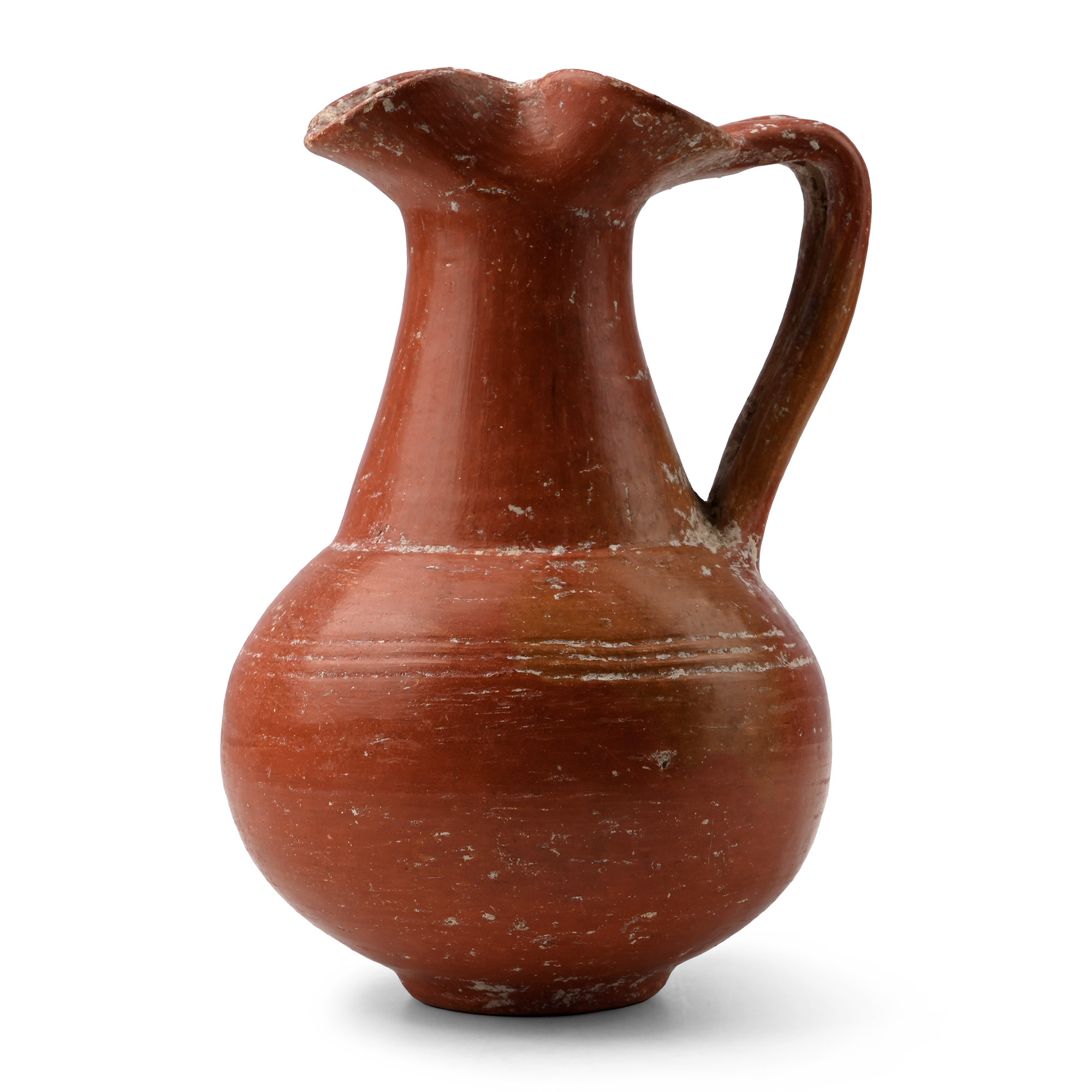
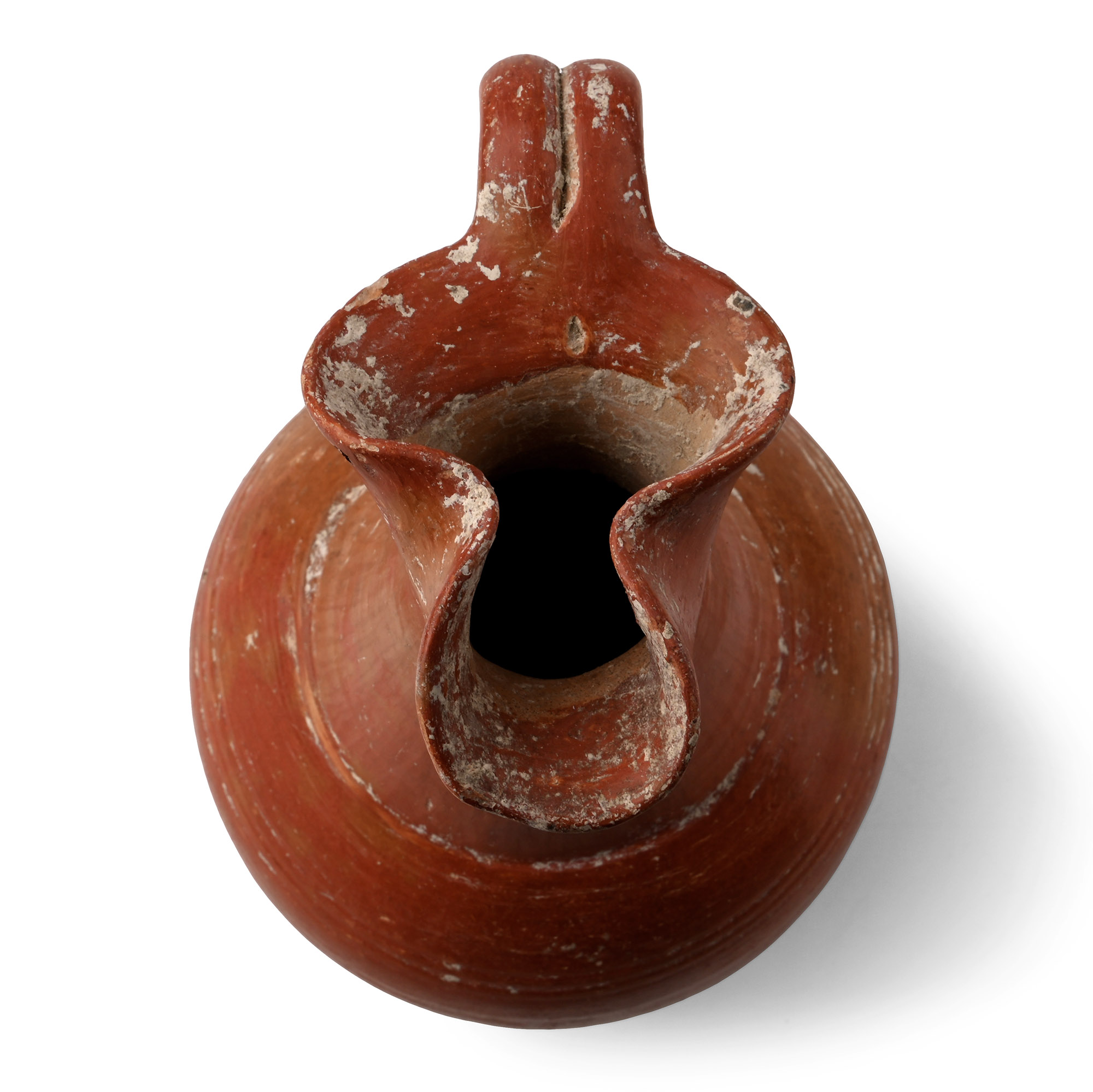
Graeco-Phoenician Glazed Terracotta Oinochoe
7TH CENTURY B.C.
6 5/8 in. (491 grams, 17 cm).
With a folded trefoil mouth, an applied ribbed handle and basal ring, and incised concentric rings above the equator.
ProvenancePrivate collection, acquired in the late 1980s-early 1990s; thence by descent.
LiteratureCf. Moscati, S., I Fenici, Milano, 1988, p.235, for a similar trefoil jug.
FootnotesThroughout the 7th century BC, the Phoenician ports received goods from the East, from Cyprus, Eastern Greece, Pithecussa, and even Etruria, likely in exchange for grain, oil, and wine. Among the various archaeological finds unearthed in these ports are Attic, Corinthian, and Rhodian pottery, some of which was manufactured by the Greek colonies of the West, such as Ischia-Pithecussa.
CONDITIONTimeLine Auctions follows a vetting process to ensure the authenticity and legality of all items, reinforcing our commitment to integrity and responsible trading. Each antiquity, antique, and coin lot undergoes thorough examination by a vetting committee of at least ten external specialists, professional trade association members, scientists, and archaeologists: Our Vetting Process
AUCTIONS:
TimeLine is a leading auction house specialising in antiquities, ancient art, collectables, natural history, coins, medals, and books. Our auctions offer museums, collectors, historians, and enthusiasts the opportunity to acquire unique and historically significant pieces.
LOT 0085
Graeco-Phoenician Glazed Terracotta Oinochoe
Estimate £800 - 1,000€930 - 1,160 (for guidance only)$1,080 - 1,350 (for guidance only)
-
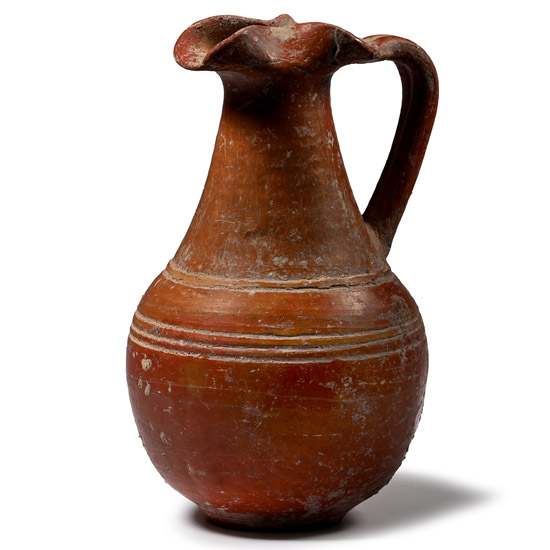
Phoenician Terracotta Jug with Handle
Circa 8th century B.C.Sold for (Inc. bp): £650
Globular body decorated with circumferential banding, low foot, conical neck with pinched spout, strap handle to the rear. 395 grams, 18.5 cm
Acquired in the mid 1980s-1990s. Private collection, Switzerland, thence by descent. Private collection, since the late 1990s. -
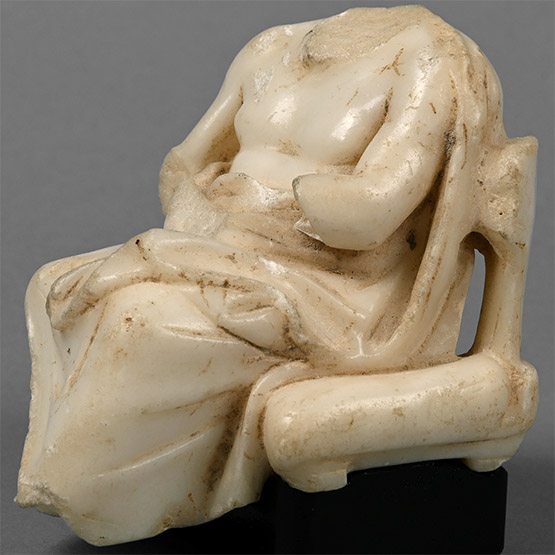
Greek Marble Figure of a Seated God or Philosopher
Hellenistic, 3rd-1st century B.C.Estimate: £15,000 - 20,000 (‡+bp*)
Opening Bid: £7,500
Carved in the round male figure in a seated pose wearing a loosely draped pallium on the shoulders and lower body, legs crossed at the knees; openwork frame to the chair with deep undercuts; mounted on a custom-made stand. 563 grams total, 86 mm high including stand
Formerly in a private collection, London. European private collection, acquired in 2002. Accompanied by a copy of an Art Loss Register certificate, 8 June 2004. This lot has been checked against the Interpol Database of stolen works of art and is accompanied by search certificate number no.13210-249309.
The statuette could represent Zeus or Chronos, based on similarities with two statues in the Vatican Museums and two statues in the Thebes Museum. The god is depicted seated, with his torso exposed, and his left hand, which normally holds the sceptre in statues of seated Zeus, is instead stretched out across his legs. -
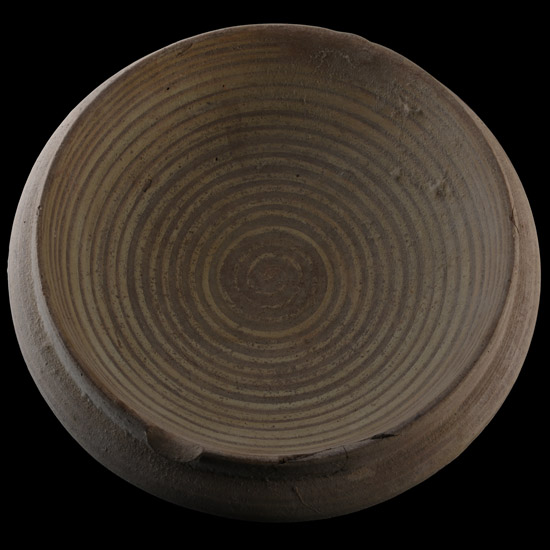
Phoenicio-Punic Terracotta Mortarium
Circa 100 B.C.Sold for (Inc. bp): £130
Comprising a wide, shallow body and a shallow rim, a curved flange below the rim, and spiral decoration on the inside. 620 grams, 21 cm
From the private collection of Mr Brian Edwards, New Malden, Surrey, UK, formed from the late 1970s-early 1980s; thence by descent. Accompanied by the original collector's data sheet with reference no.A84.
