
Loading, please wait...
LOT 0273
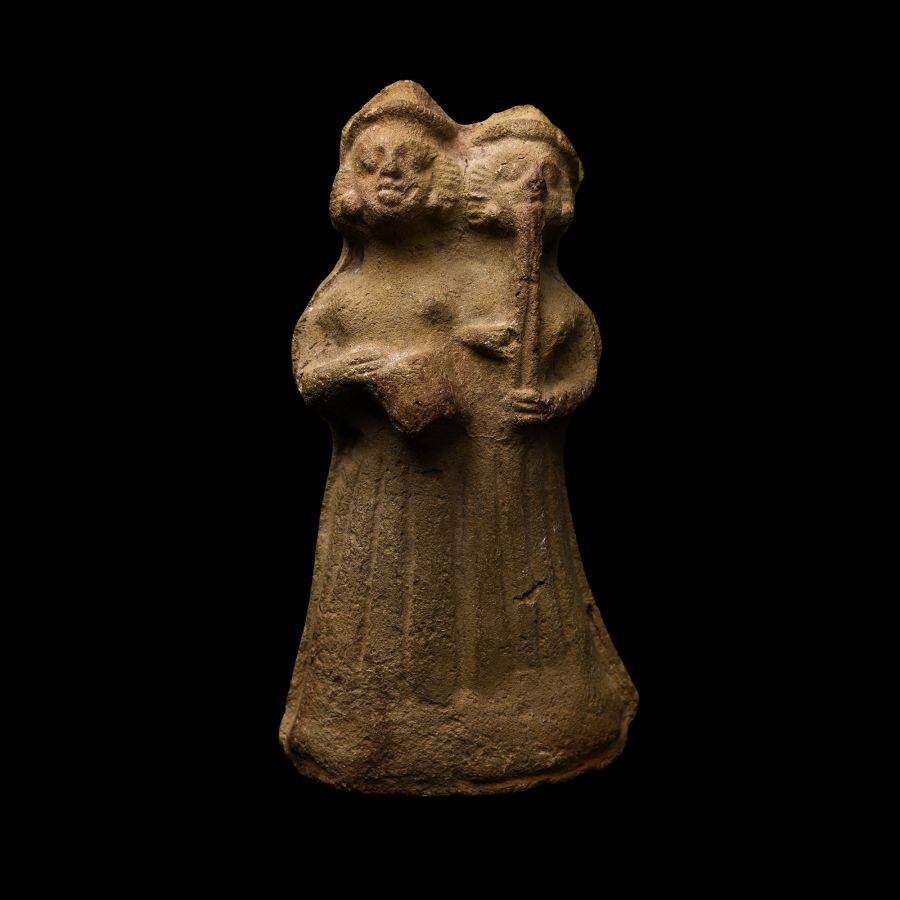
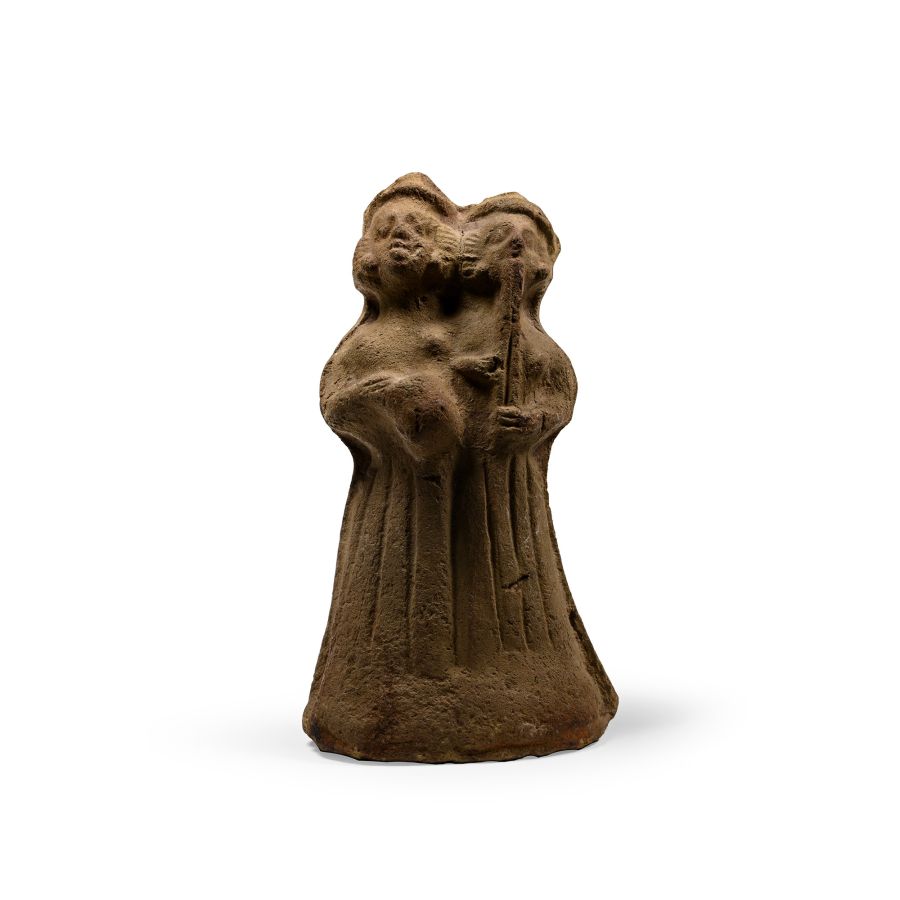
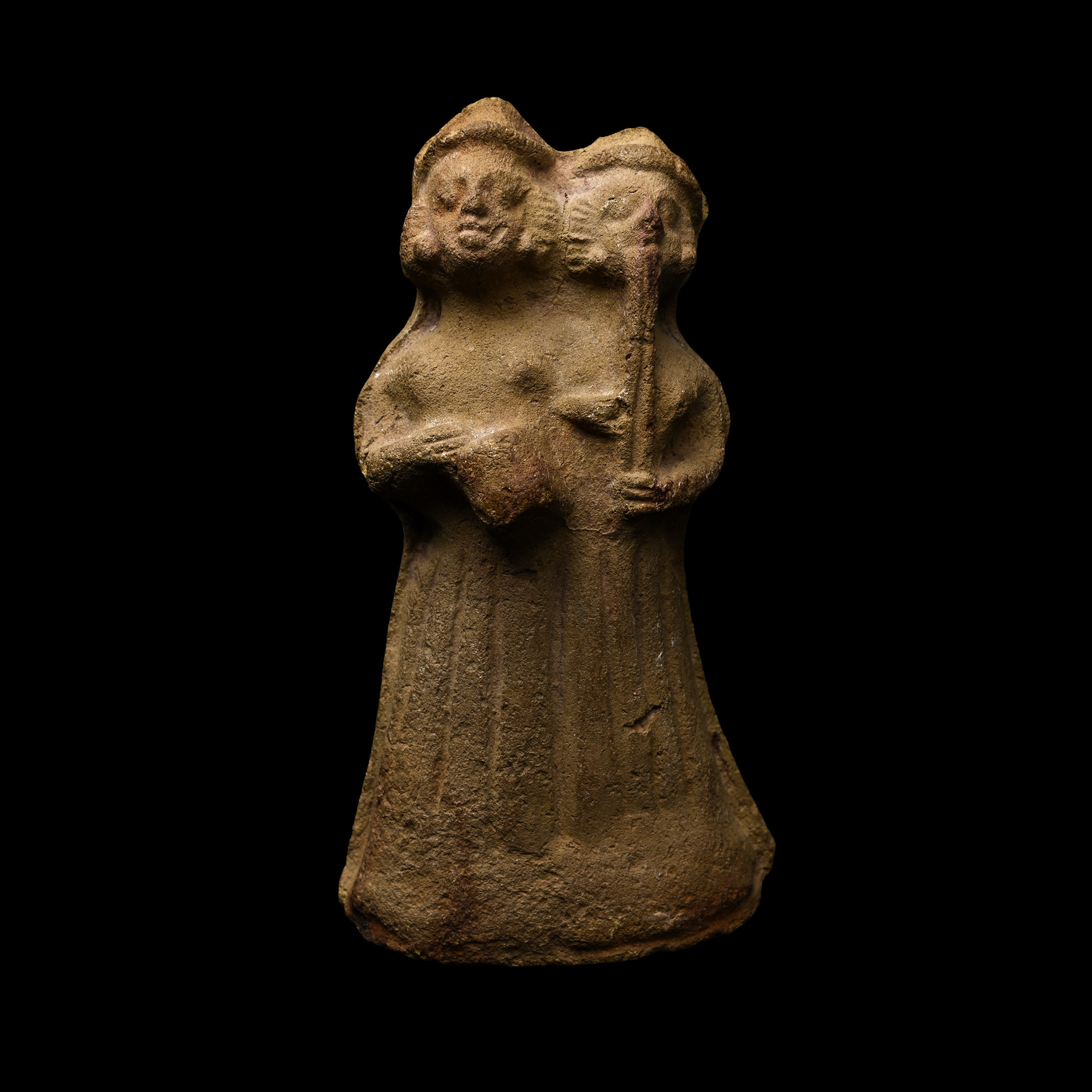
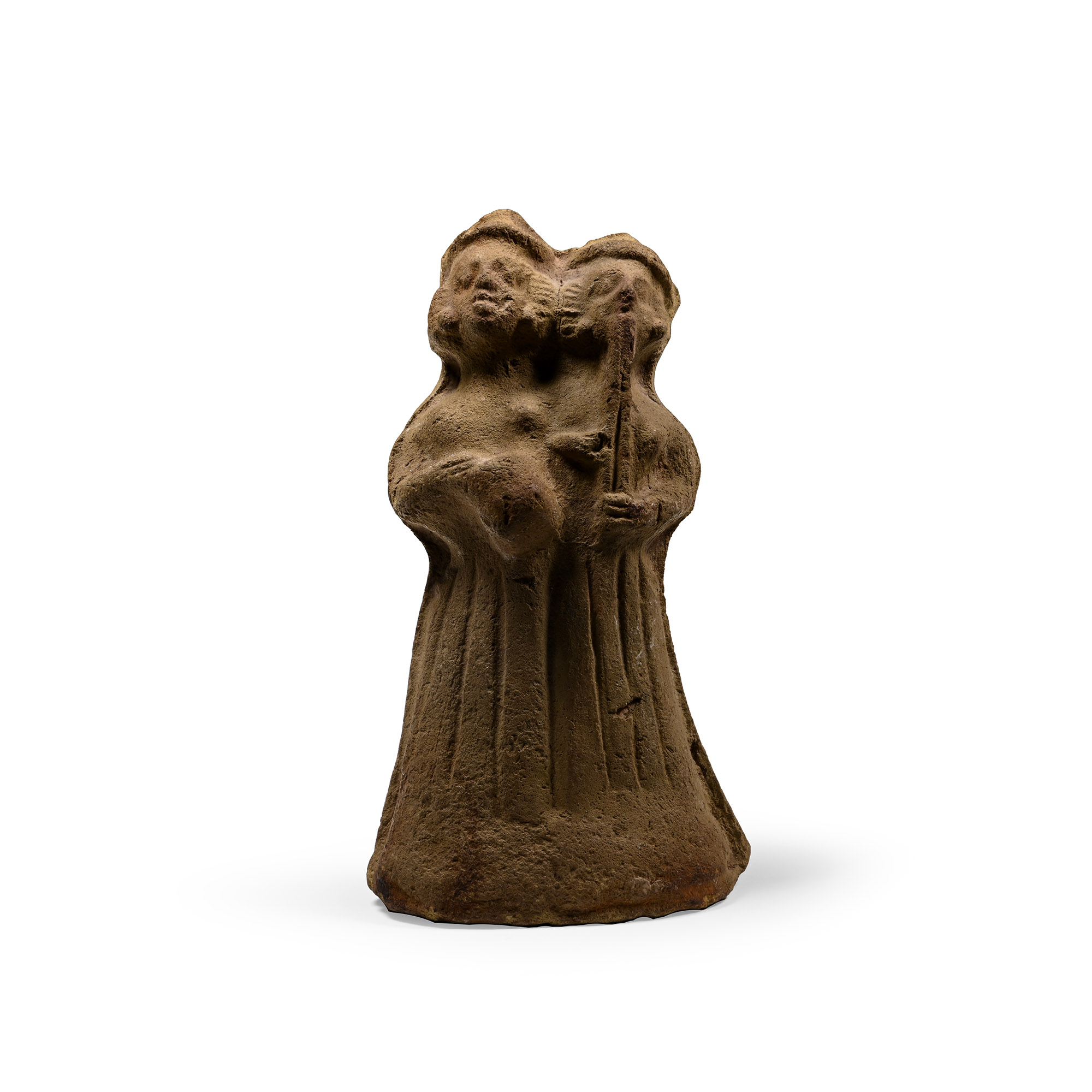
Graeco-Parthian Terracotta Figure of Musicians
3RD CENTURY B.C.-1ST CENTURY A.D.
4 in. (118 grams, 10.2 cm).
Modelled in the round as a joined pair of musicians dressed in long skirts wearing conical caps, one playing tambourine and the other oboes.
ProvenanceEx Monique Sancey collection, Neuchâtel, Switzerland.
with Bonhams, 14 May 2003, no.229.
European private collection.
Private collection, UK.
See Louvre Museum, item CA 6819, for the type; examples in Langin-Hooper, Spehanie M., Figurines in Hellenistic Babylonia, 2020, pp.100-146.
CONDITIONTimeLine Auctions follows a vetting process to ensure the authenticity and legality of all items, reinforcing our commitment to integrity and responsible trading. Each antiquity, antique, and coin lot undergoes thorough examination by a vetting committee of at least ten external specialists, professional trade association members, scientists, and archaeologists: Our Vetting Process
AUCTIONS:
TimeLine is a leading auction house specialising in antiquities, ancient art, collectables, natural history, coins, medals, and books. Our auctions offer museums, collectors, historians, and enthusiasts the opportunity to acquire unique and historically significant pieces.
LOT 0273
Graeco-Parthian Terracotta Figure of Musicians
Estimate £600 - 800€700 - 930 (for guidance only)$810 - 1,080 (for guidance only)
-
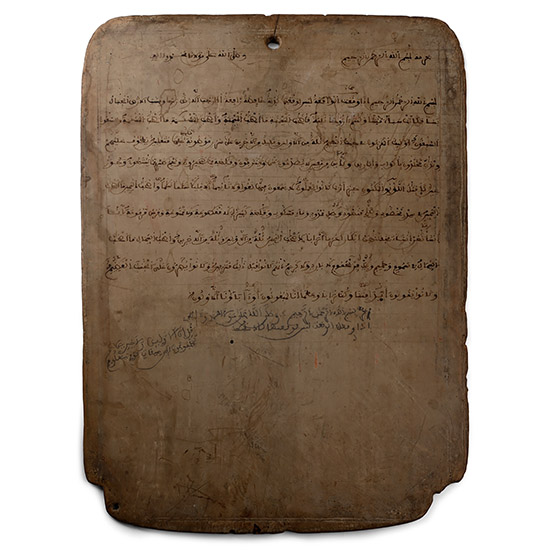
Large Bifacial Wooden Qur'an Board
Morocco, late 19th-early 20th century A.D.Sold for (Inc. bp): £234
Rectangular in plan with flanches to the lower corners and hole to centre-top; Side A with two lines of large calligraphic text above five lines of smaller text and tapering section beneath; Side B with ten lines of text and group of notes below. 716 grams, 39.3 x 28 cm
Private collection, UK. -
.jpg)
Old Babylonian Terracotta Cuneiform Tablet for the Loan of Money During the Reign of Sin-iqišam King of Larsa
1840-1836 B.C.Sold for (Inc. bp): £1,755
A pillow-shaped tablet, with cuneiform text to the broad faces and an edge, reading: 'Idnin-Sîn and Sutitum have obtained from the god Šamaš (a loan of) 5/6 mine 5 shekels of silver, the silver (has) an interest of 4 shekels 1/3. He° will have to repay the money at the time of sowing. Before (the god) Ea, Before (the goddess) Sugallitum Before (the god) Nanna Before Dani Seal of one (of the) witnesses... In the month of Tebitum The year of Sin-iqišam the king.' 85 grams, 59 mm
Ex private collection. with Bonhams, Antiquities, London, 21 October 1999, no.260 (Part). Private central European collection. Accompanied by copies of the relevant Bonhams catalogue pages. This lot has been checked against the Interpol Database of stolen works of art and is accompanied by search certificate number no.12244-219769. -
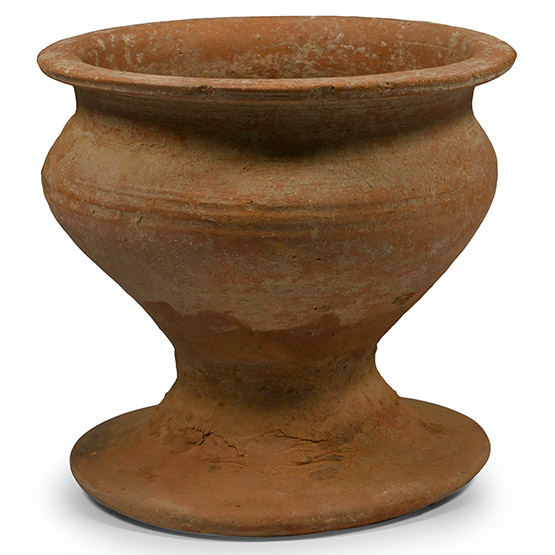
Western Asiatic Terracotta Jar
1st millennium B.C.Sold for (Inc. bp): £13
With trumpet-shaped base, thick stem, carinated bowl an everted rim; ribbed band to the equator. 1.06 kg, 16.8 cm
From the collection of a London, UK, gentleman, 1990s.
