
Loading, please wait...


LOT 0419
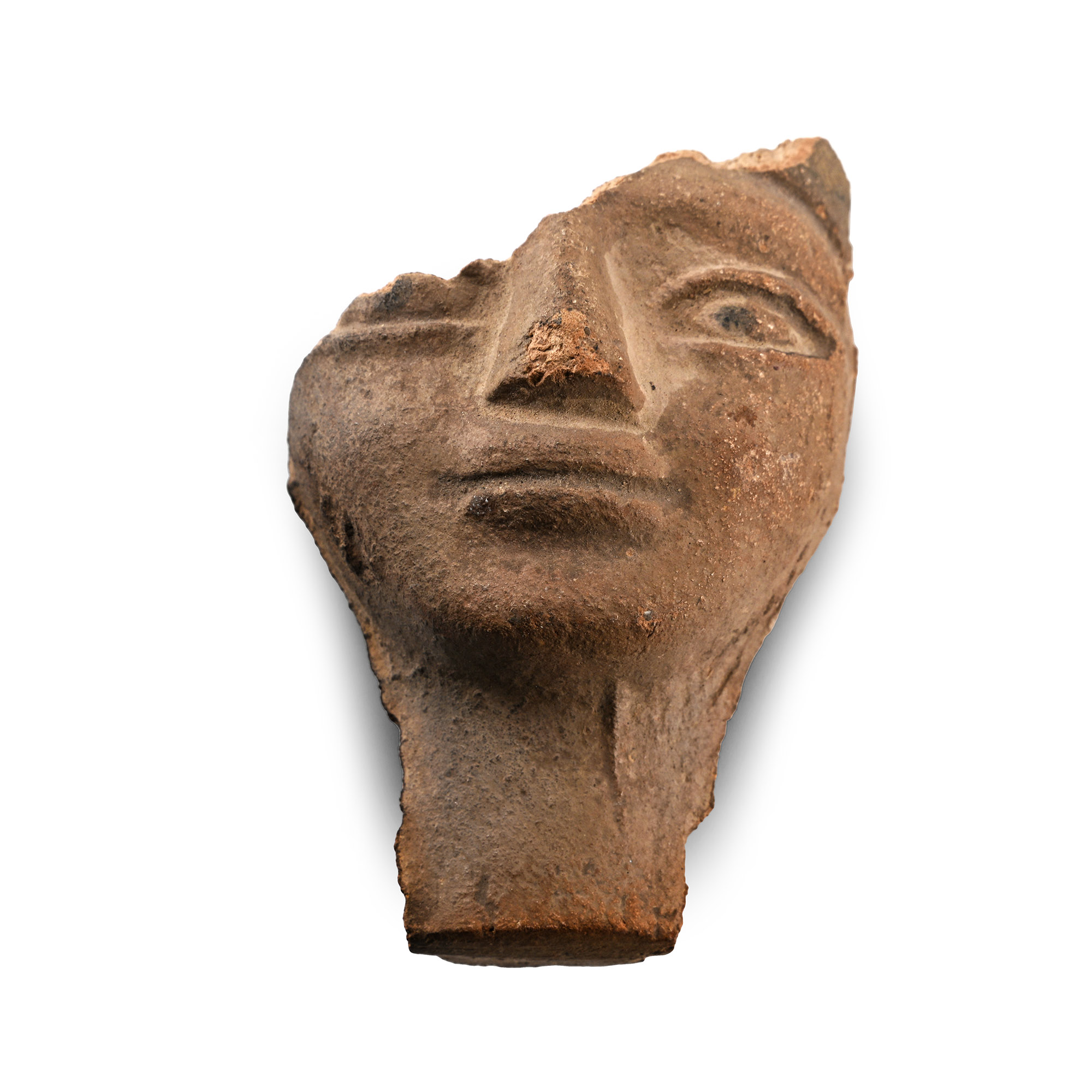
Graeco-Egyptian Terracotta Head of a Lady
HELLENISTIC PERIOD, CIRCA 2ND CENTURY B.C.
2 3/8 in. (35.4 grams, 62 mm).
Moulded in the half-round with fine facial detailing. [No Reserve]
ProvenanceAcquired 21st March 1965.
From the private collection of Peter Clayton, FCILIP, Dip, Arch, FSA, FRNS, Hemel Hempstead, Hertfordshire, UK; formed since the late 1950s.
Accompanied by an old handwritten information card by Peter Clayton, collection no.109.
TimeLine Auctions follows a vetting process to ensure the authenticity and legality of all items, reinforcing our commitment to integrity and responsible trading. Each antiquity, antique, and coin lot undergoes thorough examination by a vetting committee of at least ten external specialists, professional trade association members, scientists, and archaeologists: Our Vetting Process
AUCTIONS:
TimeLine is a leading auction house specialising in antiquities, ancient art, collectables, natural history, coins, medals, and books. Our auctions offer museums, collectors, historians, and enthusiasts the opportunity to acquire unique and historically significant pieces.
LOT 0419
Graeco-Egyptian Terracotta Head of a Lady
Estimate £100 - 140€120 - 160 (for guidance only)$140 - 190 (for guidance only)
-
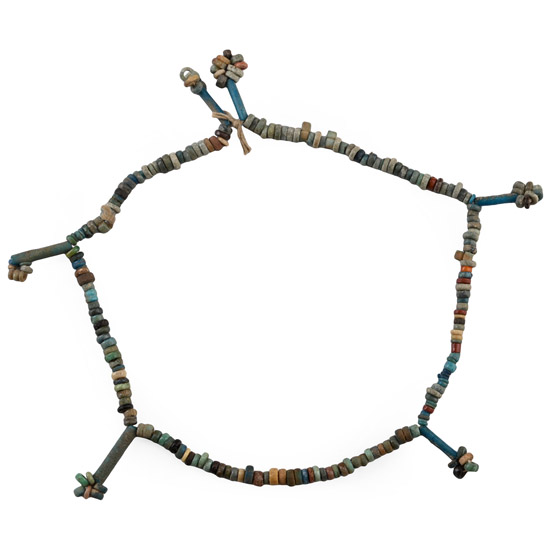
Egyptian Faience Mummy Bead Bracelet with Drops
Late Period-Ptolemaic Period, circa 664-30 B.C.Estimate: £60 - 80 (+bp*)
Opening Bid: £5
Composed of green- and blue-glazed disc and tubular beads, restrung. 4.64 grams, 27 cm
Excavated from Egypt in 1914. From the private collection of Mr David Sams and his wife Elizabeth Kate Sams, gentry and amateur archaeologists who travelled to Egypt in 1914 with their daughter Ethel. Mr Sams and his wife led digging expeditions from which these items come from the family estate of Mr and Mrs Sams, by direct descent to their granddaughter. -
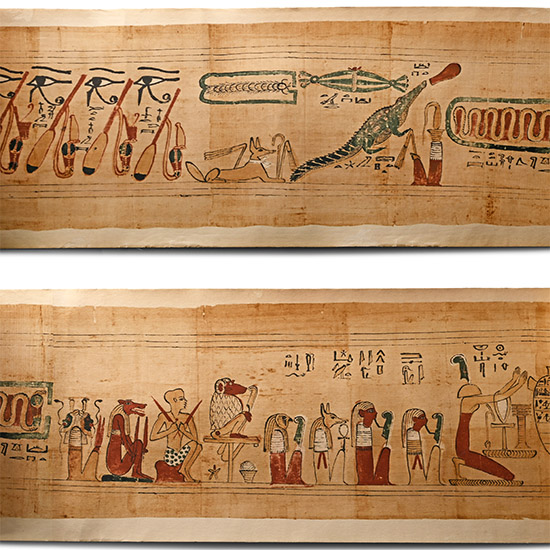
Egyptian Papyrus Museum Reproduction of Berlin 3127 in Tube
20th century A.D.Estimate: £60 - 80 (+bp*)
Bids: 1 | Current Bid: £5
Colour reproduction of Berlin Papyrus 3127 belonging to Amun-em-wia, who lived during the 21st Dynasty (Third Intermediate Period). 312 grams total, tube: 27.5 cm high
From the private collection of Peter Clayton, FCILIP, Dip, Arch, FSA, FRNS, Hemel Hempstead, Hertfordshire, UK; formed since the late 1950s. -
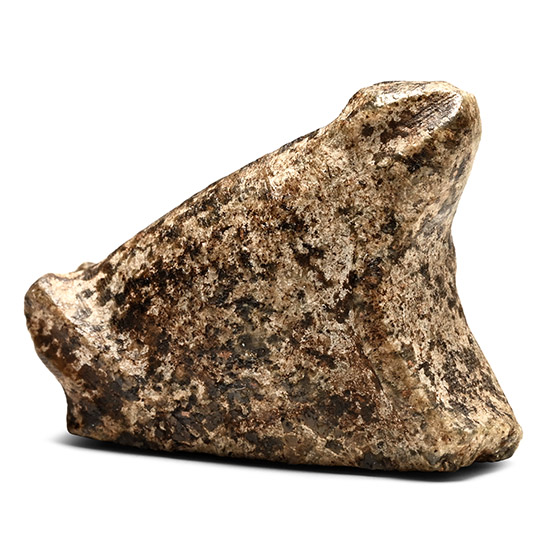
Egyptian Amulet in the Shape of a Squatting Frog
Late Period, 664-332 B.C.Estimate: £500 - 700 (‡+bp*)
Opening Bid: £275
Carved in the round in a squatting pose, with rear legs poised to leap. 9.2 grams, 27 mm
Ex Herbert A. Cahn, Basel, 1970s; thence by descent.
Frog amulets in ancient Egypt symbolised fertility, rebirth, and renewal. Associated with the goddess Heqet, who was linked to childbirth and life-giving forces, they were especially popular for fertility and for protection during pregnancy and labour. Their association with the annual Nile flood, which brought new life to the land, further emphasised their symbolism of revival and abundance.
