
Loading, please wait...
LOT 1759
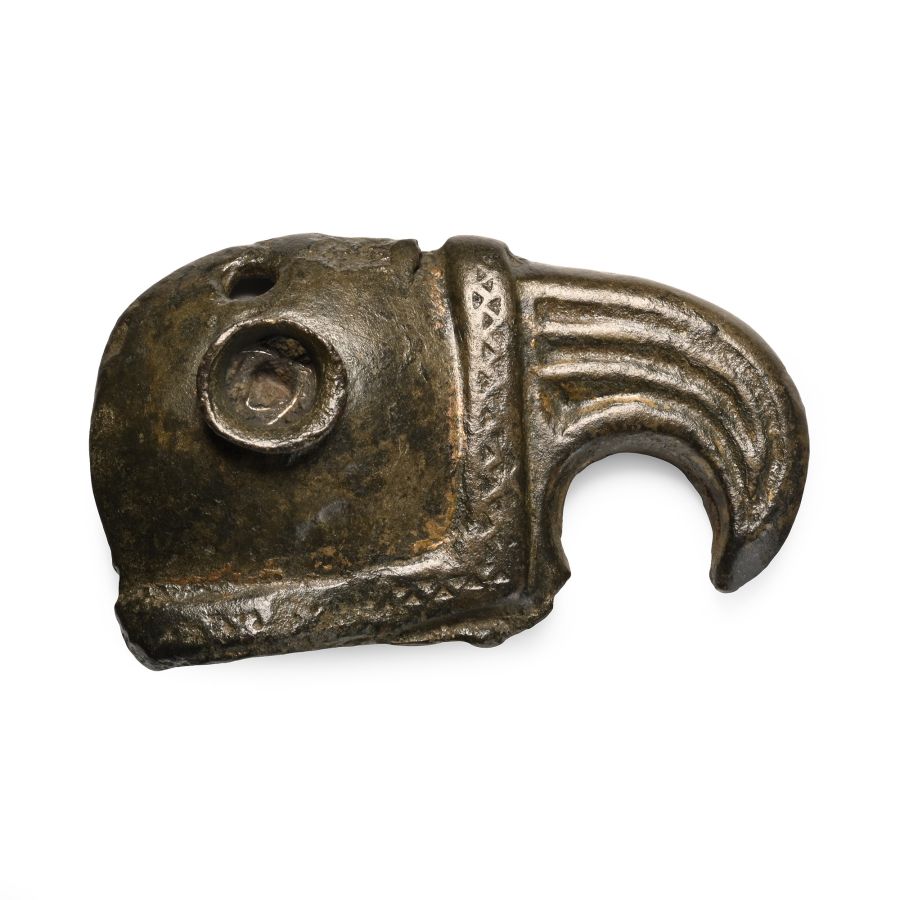
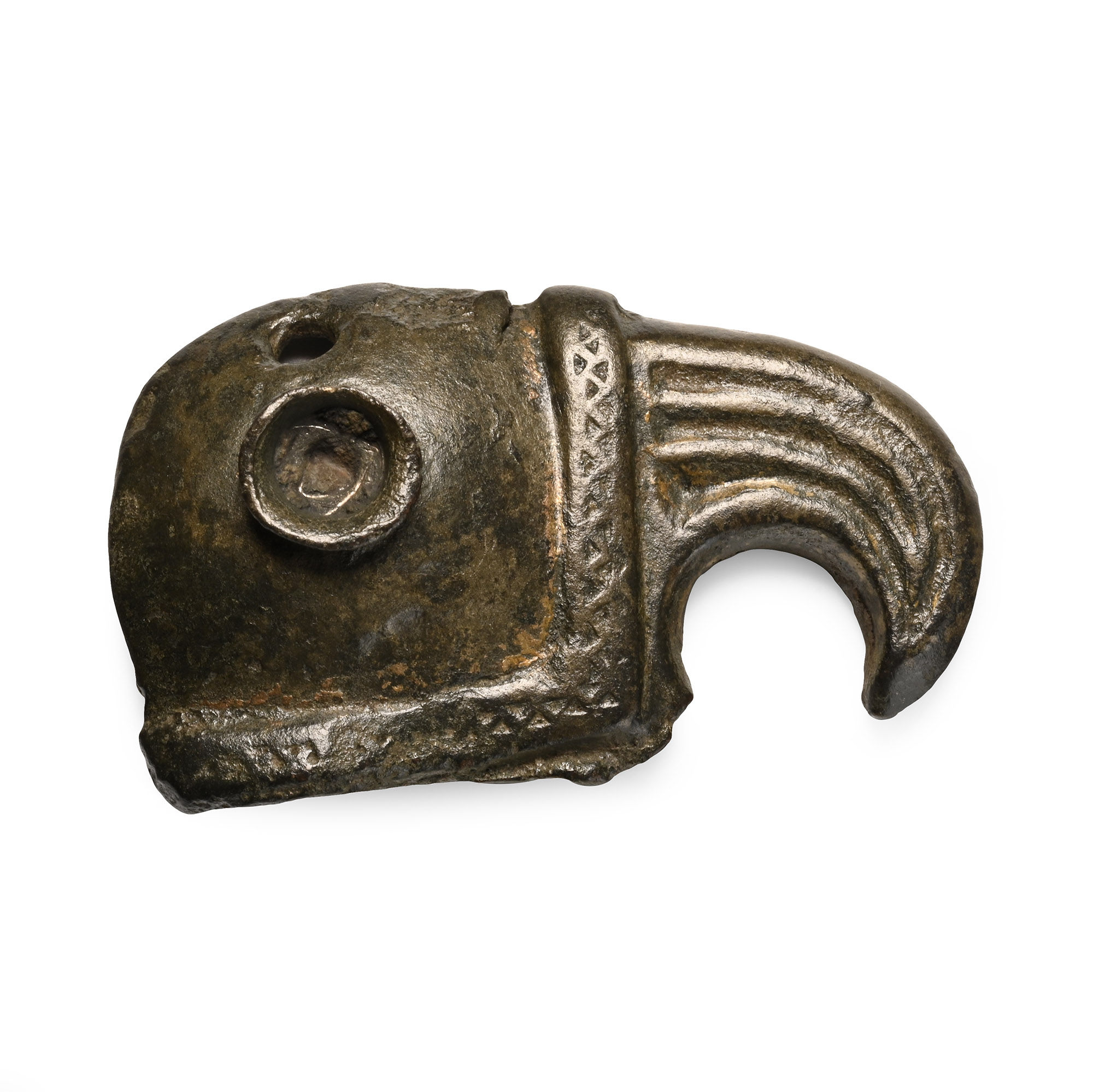
Gothic Bronze Eagle's Head Mount
CIRCA 6TH CENTURY A.D.
1 3/4 in. (16.8 grams, 45 mm).
With ribbing to the hooked beak, L-shaped band with stamped offset triangles, cell to accept a gemstone eye. [No Reserve]
ProvenanceEx German art market, 2000s.
Acquired from an EU collector living in London.
From the collection of a Surrey, UK, gentleman.
TimeLine Auctions follows a vetting process to ensure the authenticity and legality of all items, reinforcing our commitment to integrity and responsible trading. Each antiquity, antique, and coin lot undergoes thorough examination by a vetting committee of at least ten external specialists, professional trade association members, scientists, and archaeologists: Our Vetting Process
AUCTIONS:
TimeLine is a leading auction house specialising in antiquities, ancient art, collectables, natural history, coins, medals, and books. Our auctions offer museums, collectors, historians, and enthusiasts the opportunity to acquire unique and historically significant pieces.
-
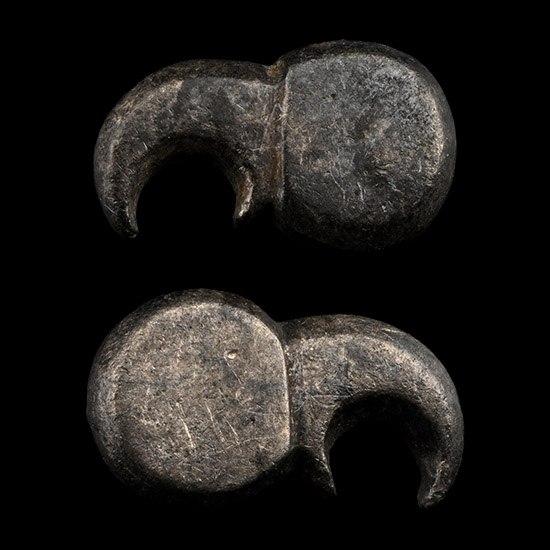
Ostrogothic Silver Raven-Headed Stud Pair
Circa 6th century A.D.Sold for (Inc. bp): £117
Matched pair, each a hollow-formed disc with hooked beak, two mounting studs to reverse. 5.11 grams total, 20-21 mm
London, UK, collection, 1990s. -
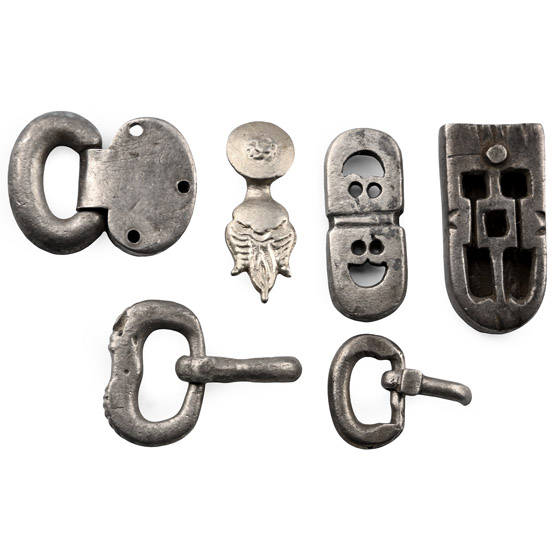
Migration Period Silver Buckle and Mount Collection
6th-8th century A.D.Sold for (Inc. bp): £72
Including kidney-shaped and other types, with openwork stiffener plate, strap end and other items. 26.34 grams total, 16-30 mm
Ex German art market, 2000s. Acquired from an EU collector living in London. From the collection of a Surrey, UK, gentleman. -
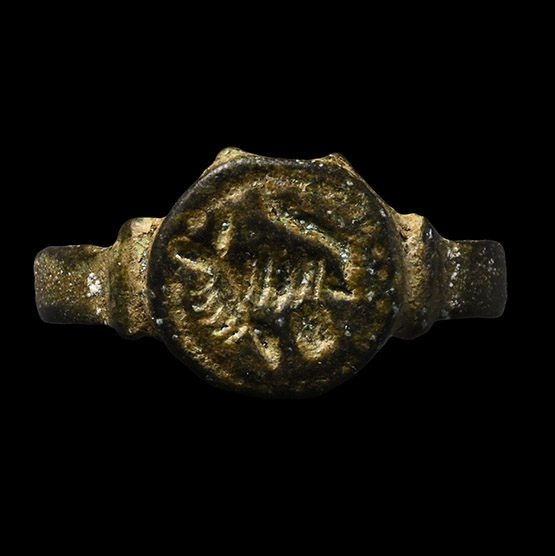
Merovingian Bronze Ring with Boar's Head
500-700 A.D.Sold for (Inc. bp): £111
Comprising a slender hoop and a discoid bezel with a stylised boar. 3.99 grams, 21.38 mm overall, 20.12 mm internal diameter (approximate size British Q, USA 8, Europe 17.49, Japan 16)
Acquired on the UK and EU art market before 2000. From the private collection of a Surrey, UK, gentleman.
The ring belongs to the Type 4a of Hadjadj classification. The image is reminiscent of Celto-Roman iconography, although the boar was also a totemic symbol of various Germanic warriors.
