
Loading, please wait...
LOT 2079
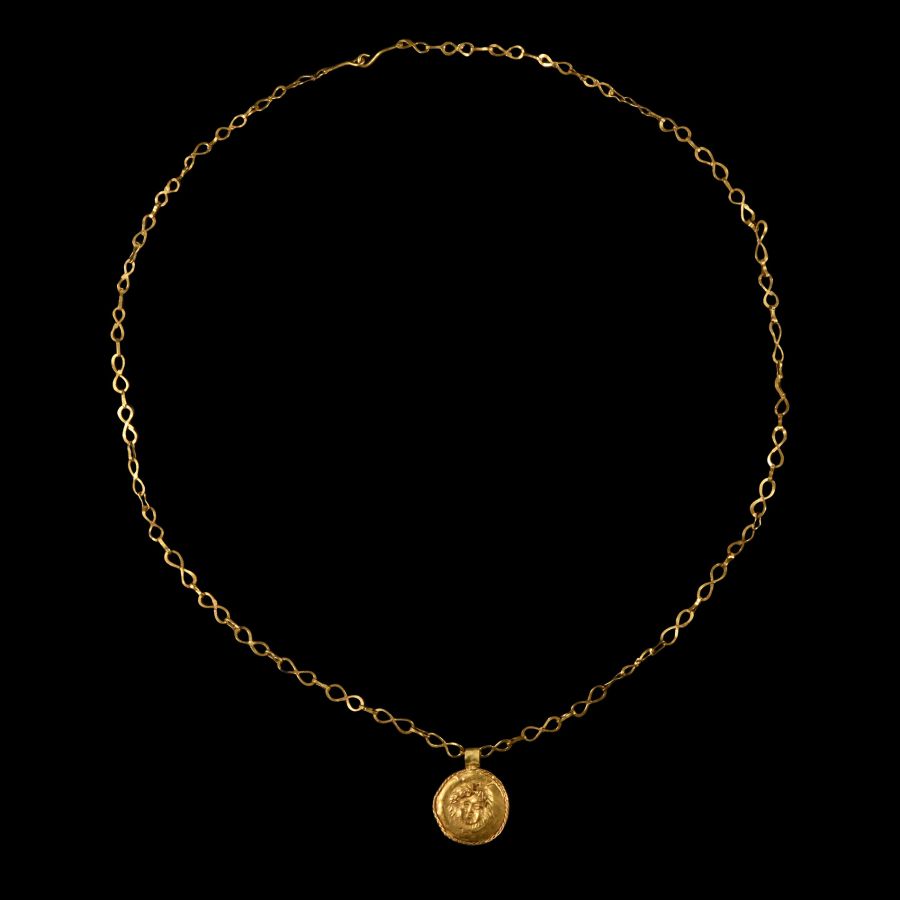
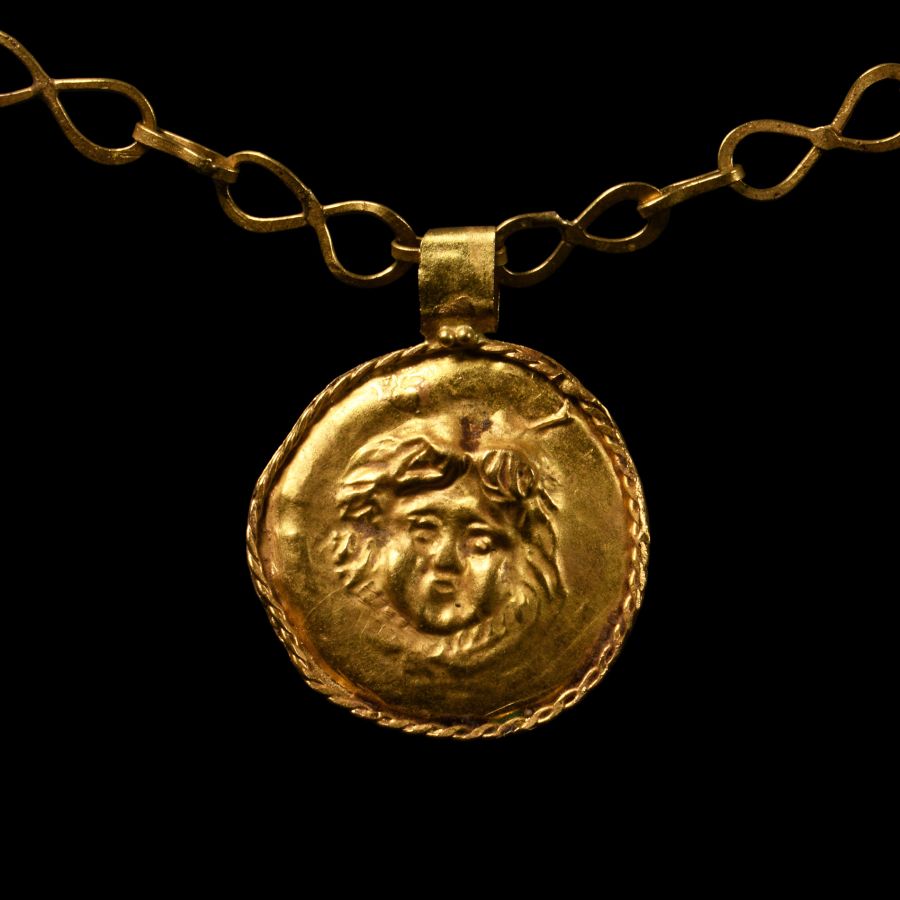
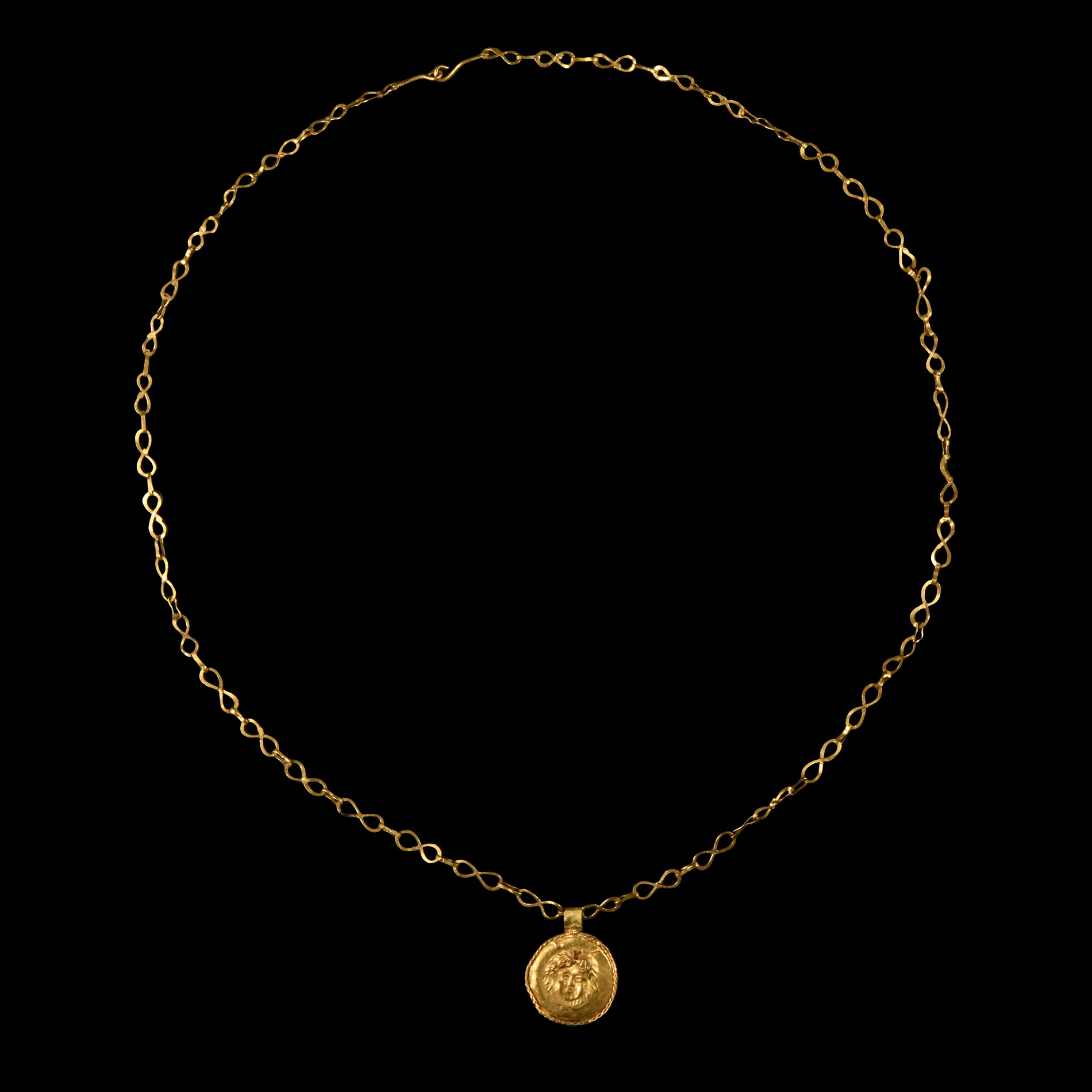
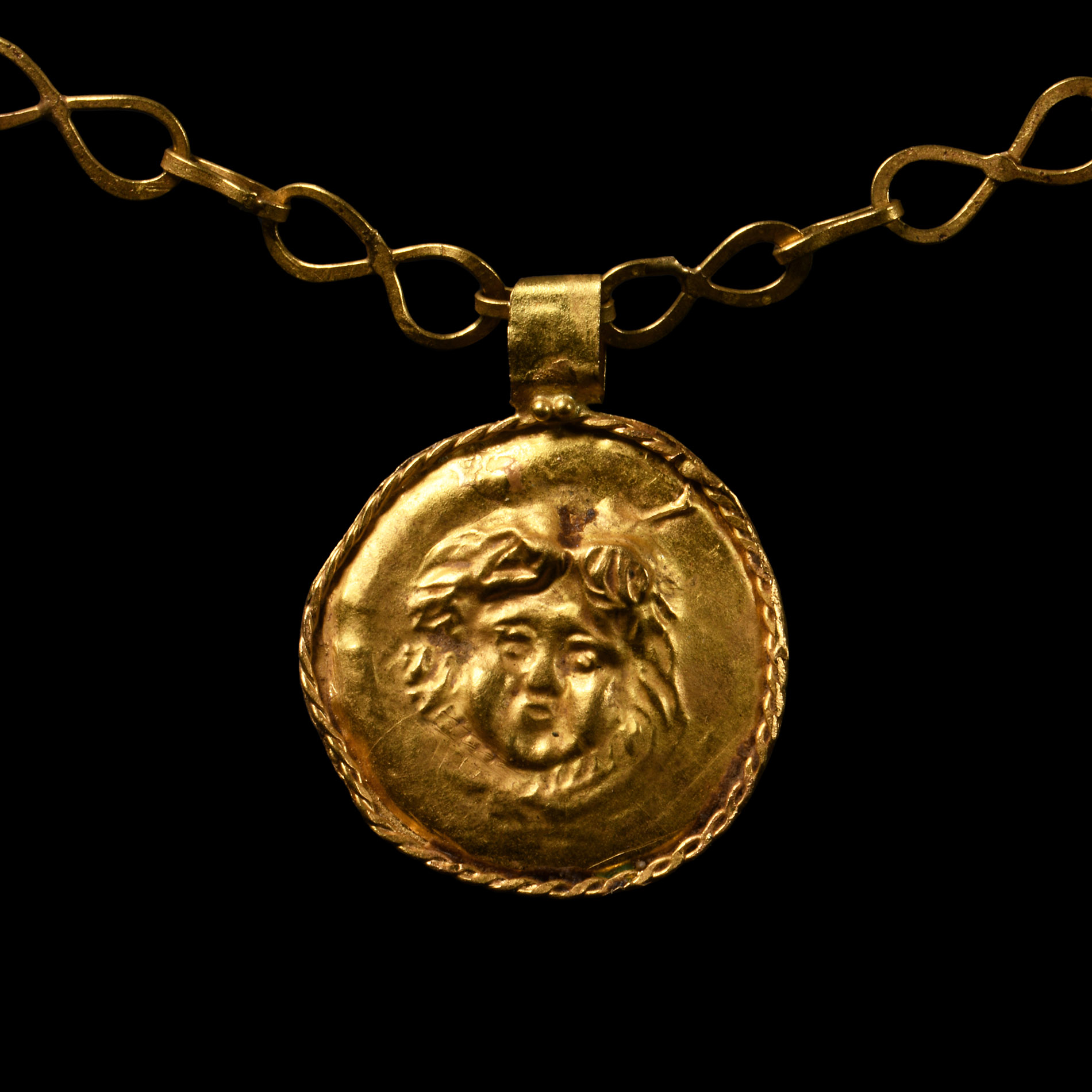
Gold Roman Style Medusa Pendant Necklace
20TH CENTURY A.D. OR EARLIER
18 1/8 in. (5.46 grams, 46 cm long).
Composed of flat-section figure-of-eight links and discoid pendant with an image of Medusa in relief.
ProvenanceFrom the collection of a North American gentleman, formed in the 1990s.
CONDITIONTimeLine Auctions follows a vetting process to ensure the authenticity and legality of all items, reinforcing our commitment to integrity and responsible trading. Each antiquity, antique, and coin lot undergoes thorough examination by a vetting committee of at least ten external specialists, professional trade association members, scientists, and archaeologists: Our Vetting Process
AUCTIONS:
TimeLine is a leading auction house specialising in antiquities, ancient art, collectables, natural history, coins, medals, and books. Our auctions offer museums, collectors, historians, and enthusiasts the opportunity to acquire unique and historically significant pieces.
LOT 2079
Gold Roman Style Medusa Pendant Necklace
Estimate £500 - 700€580 - 810 (for guidance only)$680 - 950 (for guidance only)
-
Post Medieval Bronze Knife Handle in the Form of a Bust
17th-19th century A.D.Sold for (Inc. bp): £26
A pommel modelled in the round, the head of a youth, with the remains of the fixing lug to the neck. 21.8 grams, 25 mm
Found Somerset, UK. -
Georgian Gold Memento Mori Brooch
Late 18th-19th century A.D.Sold for (Inc. bp): £65
With central glass inlay over a scrap of cloth, reserved lettering on a black enamelled field and floral ornament to the outer edge 'N.M.T.MDRY. D[.] *'; pin lug, pin and catchplate to reverse. 2.7 grams, 20 mm
Found UK. Property of an East Sussex, UK, teacher. -
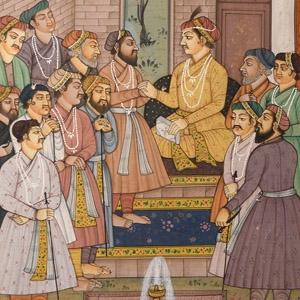
Framed Indian Watercolour Painting
India, 20th century A.D.Sold for (Inc. bp): £91
Showing a prince seated in a courtyard, receiving another figure whilst others stand in attendance, panel of text above; mounted in a reveal and a glazed wooden frame. 1 kg, 41 x 33.5 cm
Very fine condition, backboard absent.
Acquired on the UK art market, 1980s-1990s. The Woodbridge collection of Indo-Persian art.
