
Loading, please wait...
LOT 1859
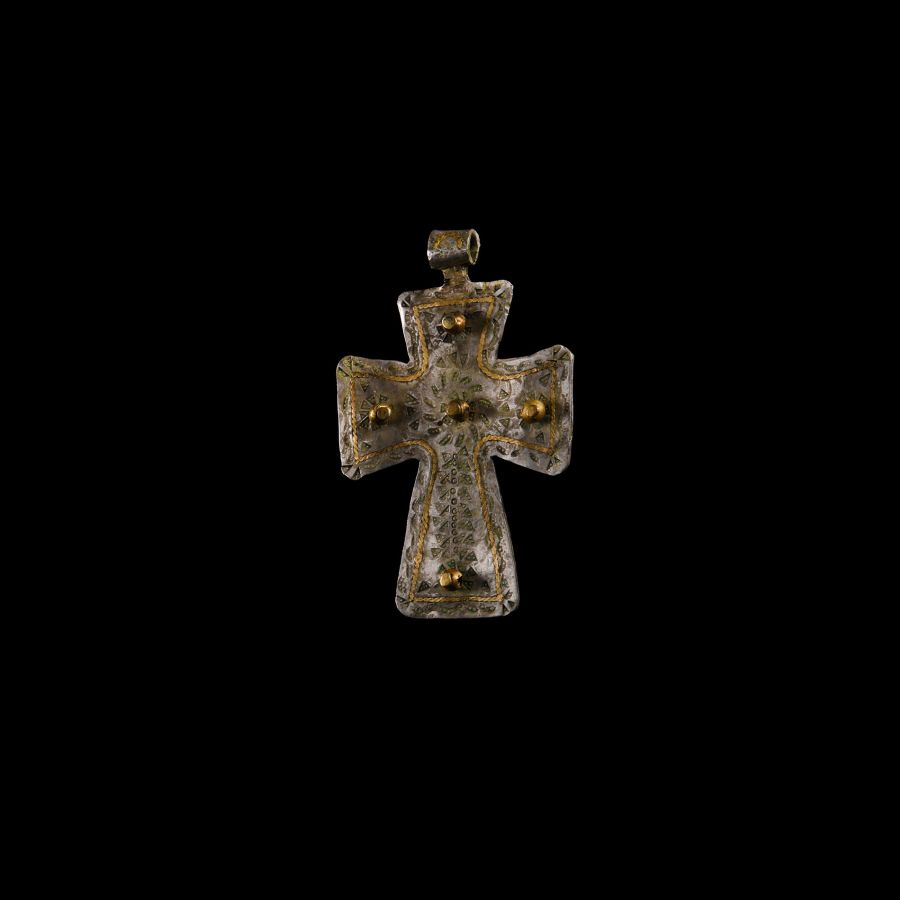
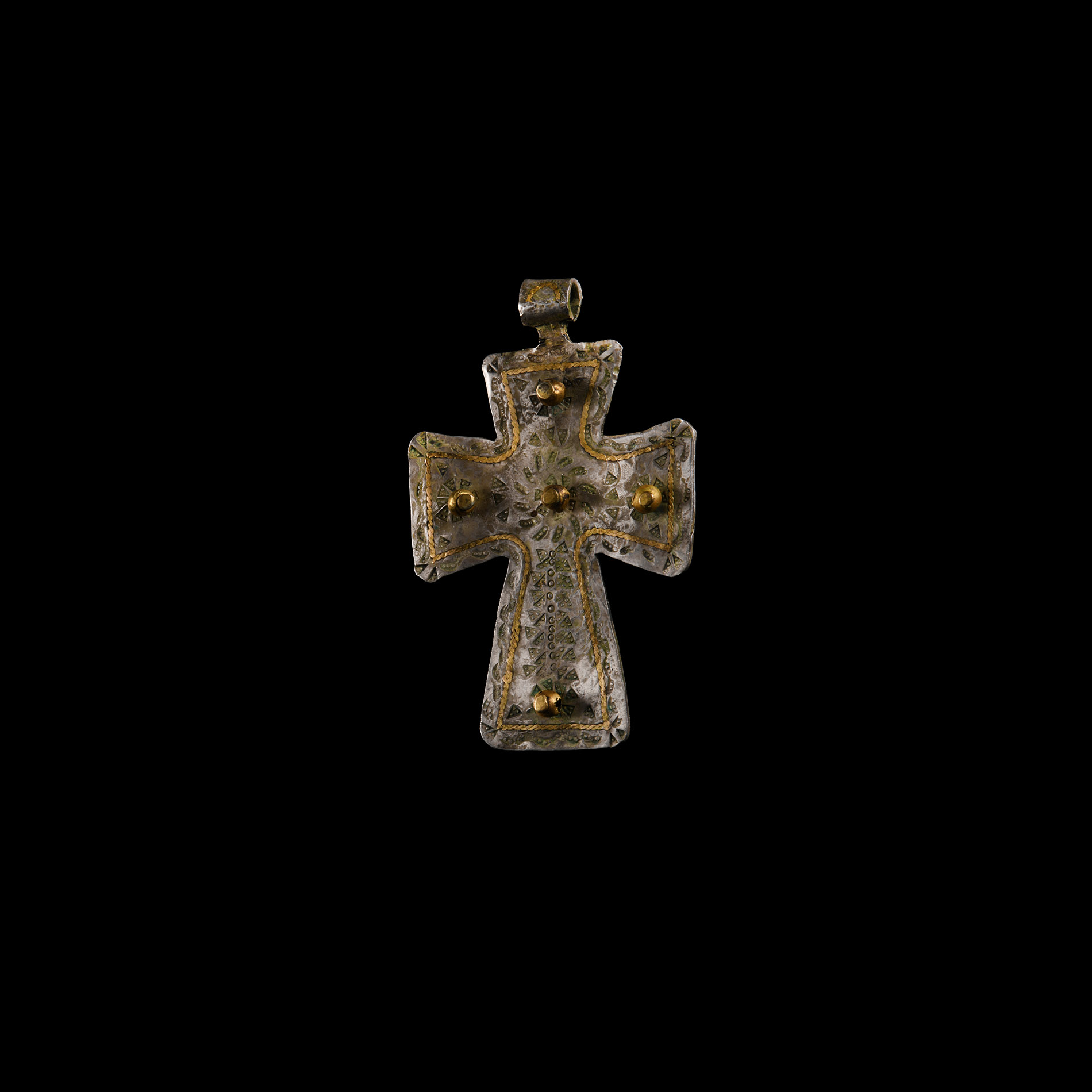
Gold Inlaid Silver Stamped Cross Pendant
19TH CENTURY A.D. OR EARLIER
2 1/2 in. (19.3 grams, 64 mm).
With five gold studs, inlaid gold ropework, triangular and pellet stamped motifs. [No Reserve]
ProvenanceFrom the collection of a North American gentleman, formed in the 1990s.
CONDITIONTimeLine Auctions follows a vetting process to ensure the authenticity and legality of all items, reinforcing our commitment to integrity and responsible trading. Each antiquity, antique, and coin lot undergoes thorough examination by a vetting committee of at least ten external specialists, professional trade association members, scientists, and archaeologists: Our Vetting Process
AUCTIONS:
TimeLine is a leading auction house specialising in antiquities, ancient art, collectables, natural history, coins, medals, and books. Our auctions offer museums, collectors, historians, and enthusiasts the opportunity to acquire unique and historically significant pieces.
-
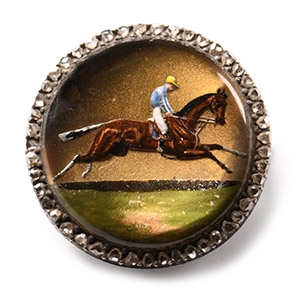
Racing Horse Owner's Jewel with Diamonds
Late 19th century A.D.Sold for (Inc. bp): £975
An 'Essex Crystal' depicting a galloping race horse with jockey dressed in blue and white silks with yellow cap, housed in it's original leather box from 'J. Moore, Watchmaker & Jeweller, 18 Corn Market, Derby'. 6.03 grams, 21.30 mm
Property of an Essex, UK, gentleman. This lot has been checked against the Interpol Database of stolen works of art and is accompanied by search certificate no.11911-204599. -
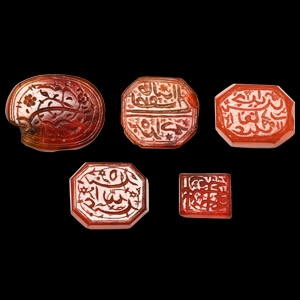
Carnelian Calligraphic Gemstone Collection
Circa 18th-19th century A.D.Sold for (Inc. bp): £65
Including three octagonal types with nasta'liq script; one ellipsoid, similar (chipped); one square with incised script. 8.47 grams total, 10-19 mm
Acquired 1970s-1996. Property of a North American collector. London collection, 2016. -
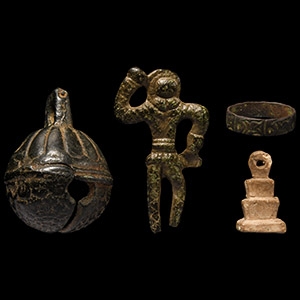
Post Medieval Mixed Artefact Group
16th century A.D. and laterSold for (Inc. bp): £7
Comprising: a decorative crotal bell retaining its pea; a tiered seal or weight; a finger ring decorated with foliate tendrils; a figure wearing period costume. 77.4 grams total, 19-50 mm
Acquired on the UK market, 1990s. Property of a retired academic.
