
Loading, please wait...
LOT 0984
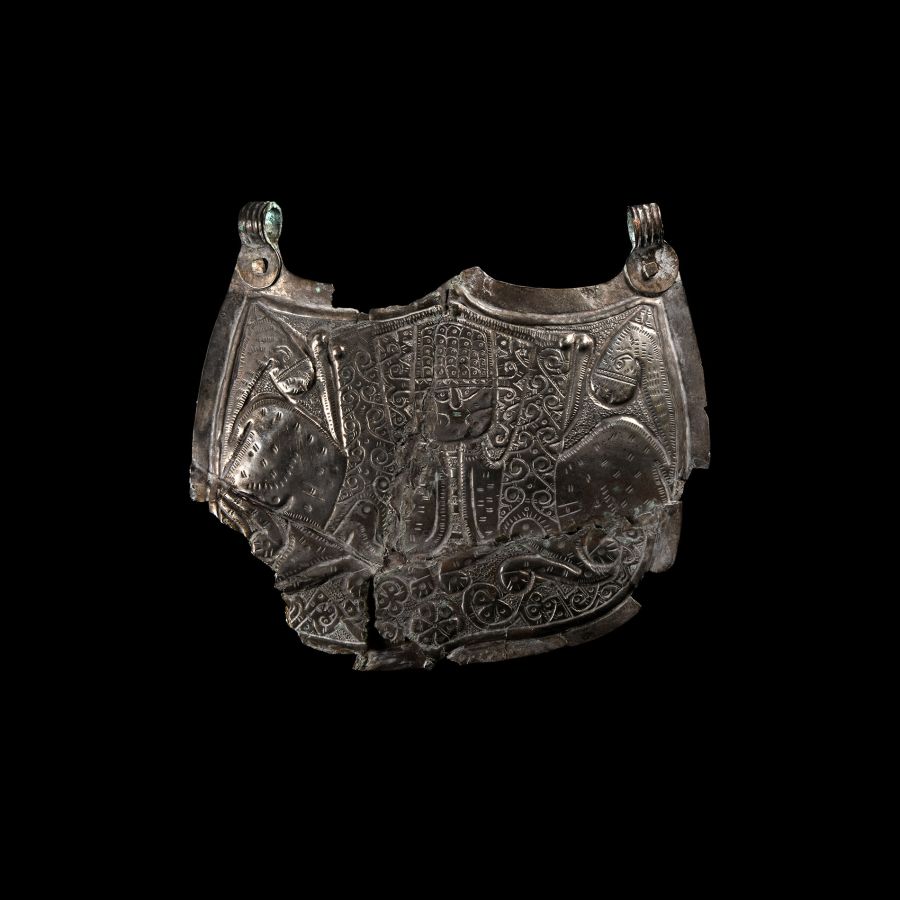
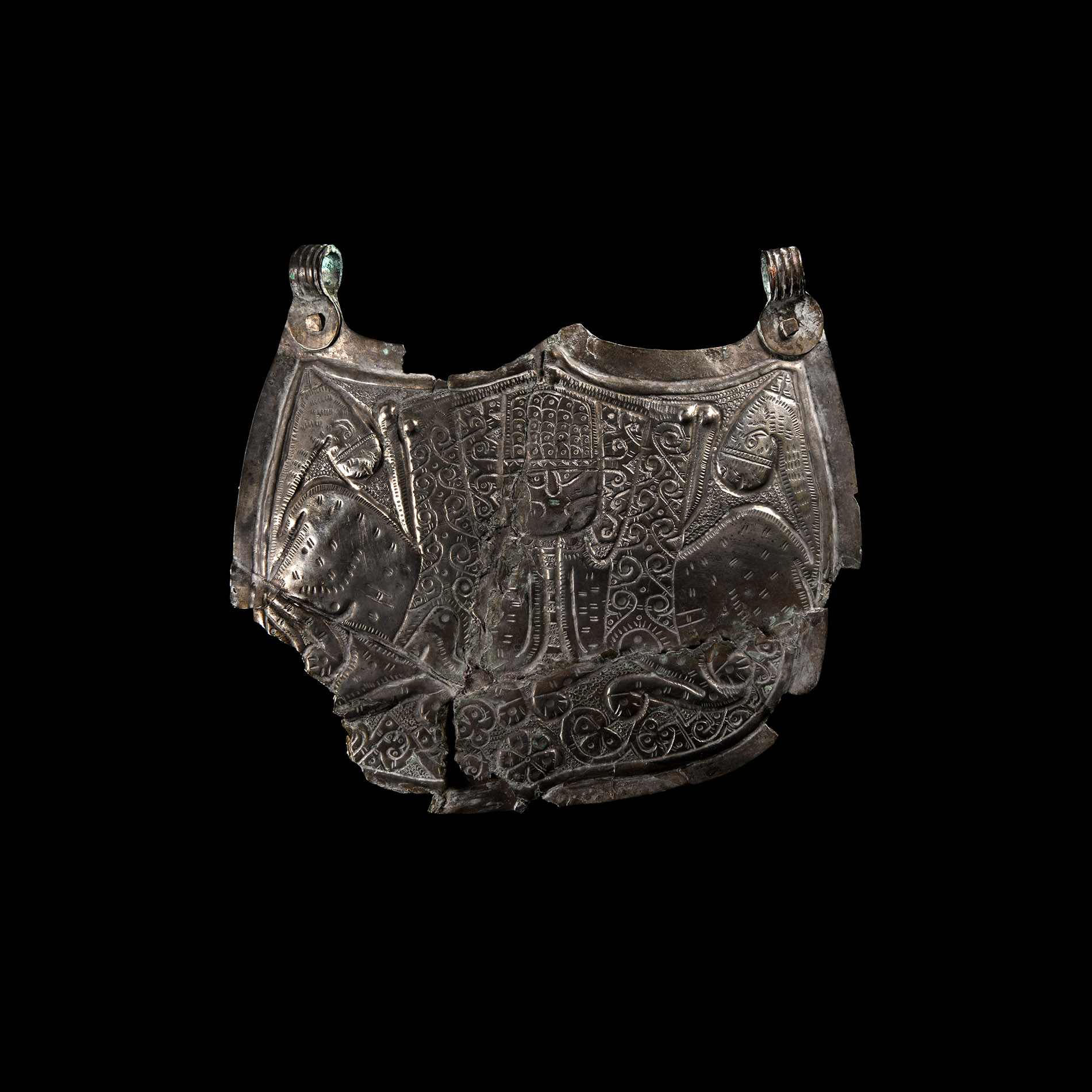
Ghurid Silver Pectoral with Animals
CENTRAL ASIA, 13TH CENTURY A.D.
6 3/4 in. (90 grams, 17 cm).
Featuring curved sides and bottom, scalloped upper edge; median figure in textured hat flanked by two resting camels on a pounced field; applied loop to each upper corner; some old repairs.
ProvenanceLondon, UK gallery 1971-early 2000s.
with Bonhams, London, Islamic & India Art sale, circa 2015, p.45, lot 55.
This lot has been checked against the Interpol Database of stolen works of art and is accompanied by search certificate no.202353.
Ghurid Dynasty metalwork is poorly represented when compared to the architecture of the period, and the majority of surviving pieces are items of jewellery mostly in Russian museum collections. The sculptural nature of the decoration of this repoussé sheet sets it apart from the more usual output of Iran at this time, recalling the fine silversmithing of the Sasanian period.
CONDITIONTimeLine Auctions follows a vetting process to ensure the authenticity and legality of all items, reinforcing our commitment to integrity and responsible trading. Each antiquity, antique, and coin lot undergoes thorough examination by a vetting committee of at least ten external specialists, professional trade association members, scientists, and archaeologists: Our Vetting Process
AUCTIONS:
TimeLine is a leading auction house specialising in antiquities, ancient art, collectables, natural history, coins, medals, and books. Our auctions offer museums, collectors, historians, and enthusiasts the opportunity to acquire unique and historically significant pieces.
LOT 0984
Ghurid Silver Pectoral with Animals
Estimate £1,200 - 1,700€1,390 - 1,970 (for guidance only)$1,620 - 2,300 (for guidance only)
-
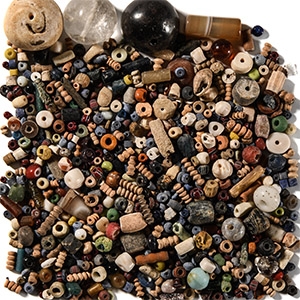
Western Asiatic Mixed Stone and Glass Necklace Bead Collection
1st millennium B.C. and laterSold for (Inc. bp): £364
Comprising a quantity of small beads, in mixed shapes, colours and materials; each pierced for stringing. 99 grams total, 2-21 mm
UK gallery, early 2000s. -
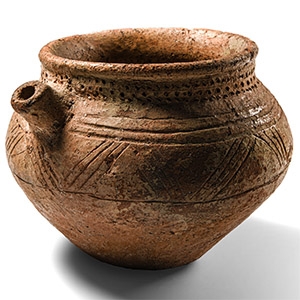
Mesopotamian Terracotta Pouring Vessel
3rd millennium B.C.Estimate: £1,000 - 1,400 (‡+bp*)
Opening Bid: £500
Formed as a pouring vessel with carinated body and short cylindrical spout, neck decorated with three concentric bands of pricked dots, incised bands below, combed chevrons to the equator featuring three raised knops to the rear. 438 grams, 11.8 cm wide
Acquired in Europe before 1990. -
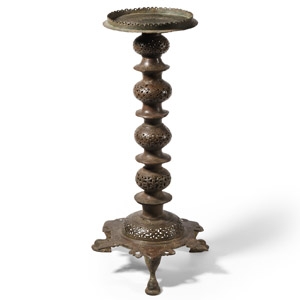
Western Asiatic Bronze Openwork Lamp Stand
Circa 12th century A.D.Sold for (Inc. bp): £1,300
Hollow-formed with openwork bulbs and interstitial flanges to the shaft; broad discoid platter with raised rim and pierced lobes; tripod base with openwork dome and low-relief scrollwork. 4.4 kg, 59 cm high
with a London, UK gallery 1971-early 2000s.
