
Loading, please wait...
LOT 2279
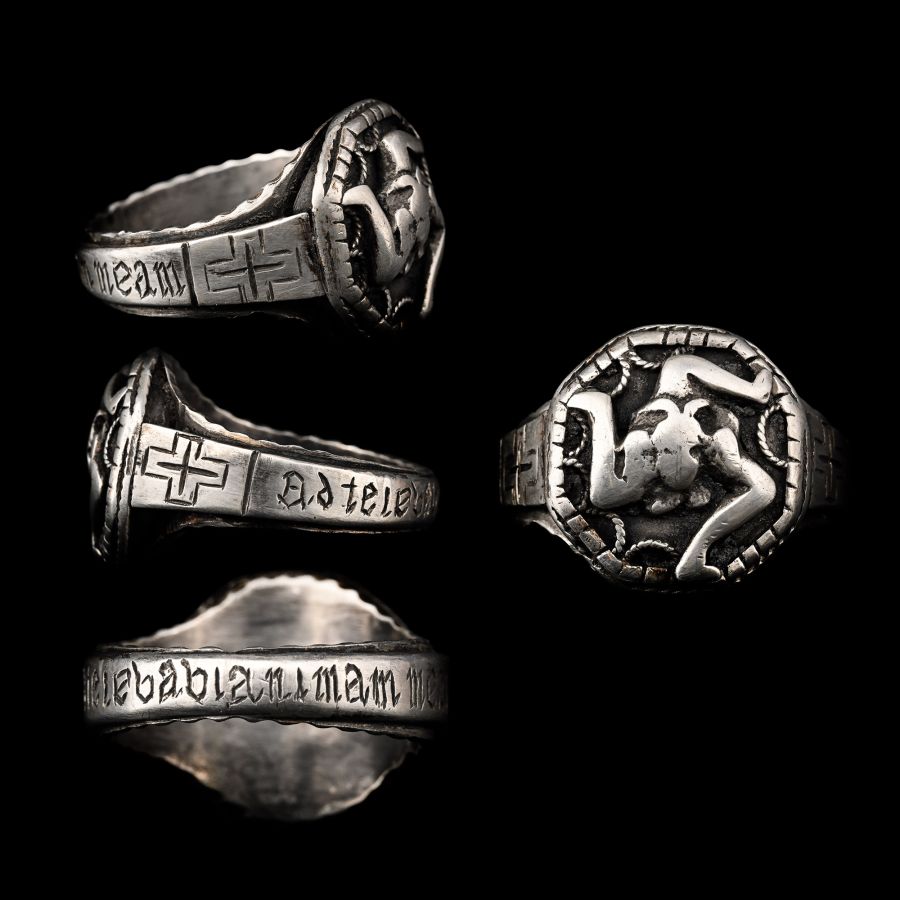
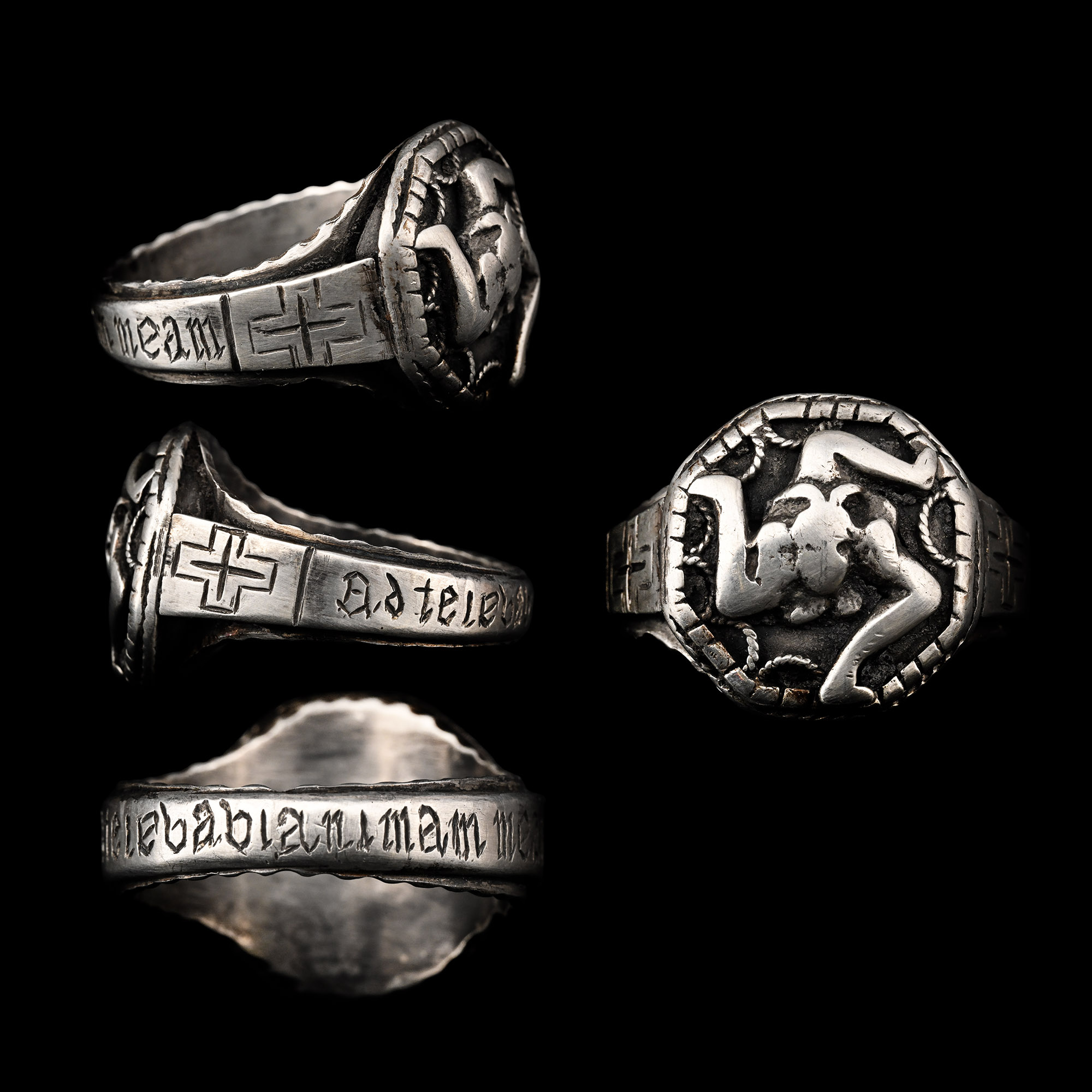
Georgian Silver Christian 'To You Lord I Lift Up My Soul' Triskele Ring
18TH-19TH CENTURY A.D.
1 1/8 in. (12.5 grams, 29.44 mm overall, 21.23 mm internal diameter (approximate size British X, USA 11 1/2, Europe 26.29, Japan 25)).
Flat-section hoop with inner sleeve; voided cross to each shoulder and incised blackletter script legend 'AD TE LEVAVI ANIMAM MEAM' ('To You Lord I Lift Up My Soul'); discoid bezel with beaded rim, high-relief triskele of bent legs with mask to the centre. [No Reserve]
ProvenanceEx Arundel, East Sussex, UK, private collection, 1970s-2000.
FootnotesThe text is the intro from the first Sunday of Advent. The triskele with central gorgoneion is the heraldic badge of the island of Sicily.
CONDITIONTimeLine Auctions follows a vetting process to ensure the authenticity and legality of all items, reinforcing our commitment to integrity and responsible trading. Each antiquity, antique, and coin lot undergoes thorough examination by a vetting committee of at least ten external specialists, professional trade association members, scientists, and archaeologists: Our Vetting Process
AUCTIONS:
TimeLine is a leading auction house specialising in antiquities, ancient art, collectables, natural history, coins, medals, and books. Our auctions offer museums, collectors, historians, and enthusiasts the opportunity to acquire unique and historically significant pieces.
LOT 2279
Georgian Silver Christian 'To You Lord I Lift Up My Soul' Triskele Ring
Sold for (Inc. bp): £221
-
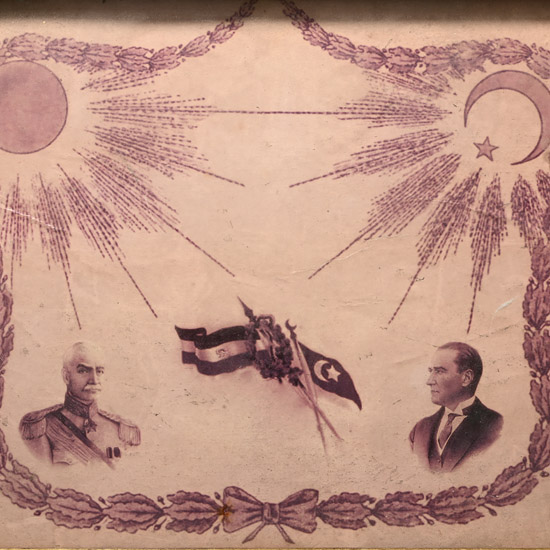
Reza Shah Pahlavi with Atatürk During a State Visit to Turkey Picture
20th century A.D.Estimate: £200 - 300 (+bp*)
Opening Bid: £90
A commemorative picture showing the profile pictures of Reza Shah Pahlavi and Mustafa Kemal Atatürk flanking the crossed flags, laurel wreath border with a sun on the upper left-hand corner, and a crescent moon with a star on the upper right-hand corner; set in a glazed wooden frame. 550 grams, 26.2 x 21.7 cm
Private collection, UK. -
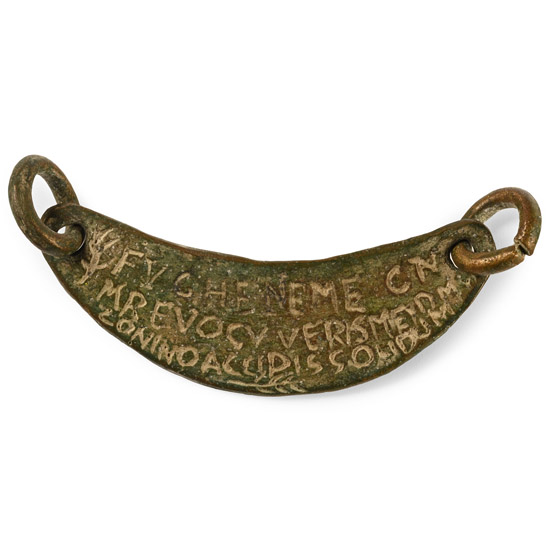
Roman Style Bronze Dedicatory Plaque
20th century A.D.Sold for (Inc. bp): £7
Crescent-shaped plaque pierced at each end to accept a mounting ring: enigmatic inscription in three lines following the curve of the edges, in capitals: 'fvcheme cn / mrevocv verismeidm / zonino accidis solidunt'. 12.4 grams, 54 mm
From a collection acquired on the UK art market from various auction houses and collections mostly before 2000. From an important Cambridgeshire estate; thence by descent. -
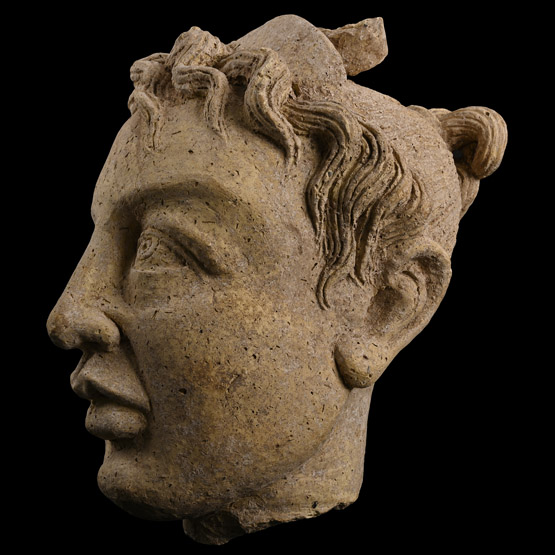
Life-Size Greek Style Terracotta Head
20th century A.D.Sold for (Inc. bp): £104
Hollow-formed female head with diadem, hair drawn back and tied at the rear of the head, exaggerated facial features. 3.16 kg, 29 cm
Acquired on the UK art market.
