
Loading, please wait...
_900x900.jpg "Georgian Period Bloodstone Gemstone with Christ Fishing")
_200x200.jpg "Georgian Period Bloodstone Gemstone with Christ Fishing")
.jpg "Georgian Period Bloodstone Gemstone with Christ Fishing")
LOT 0376
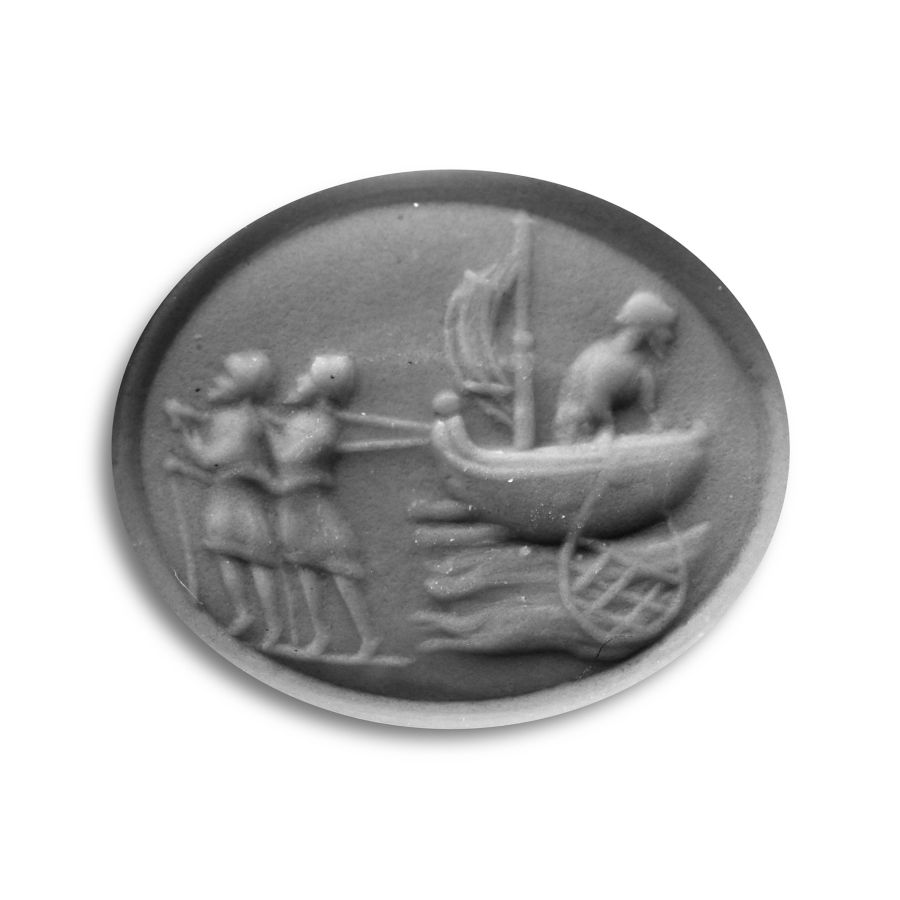
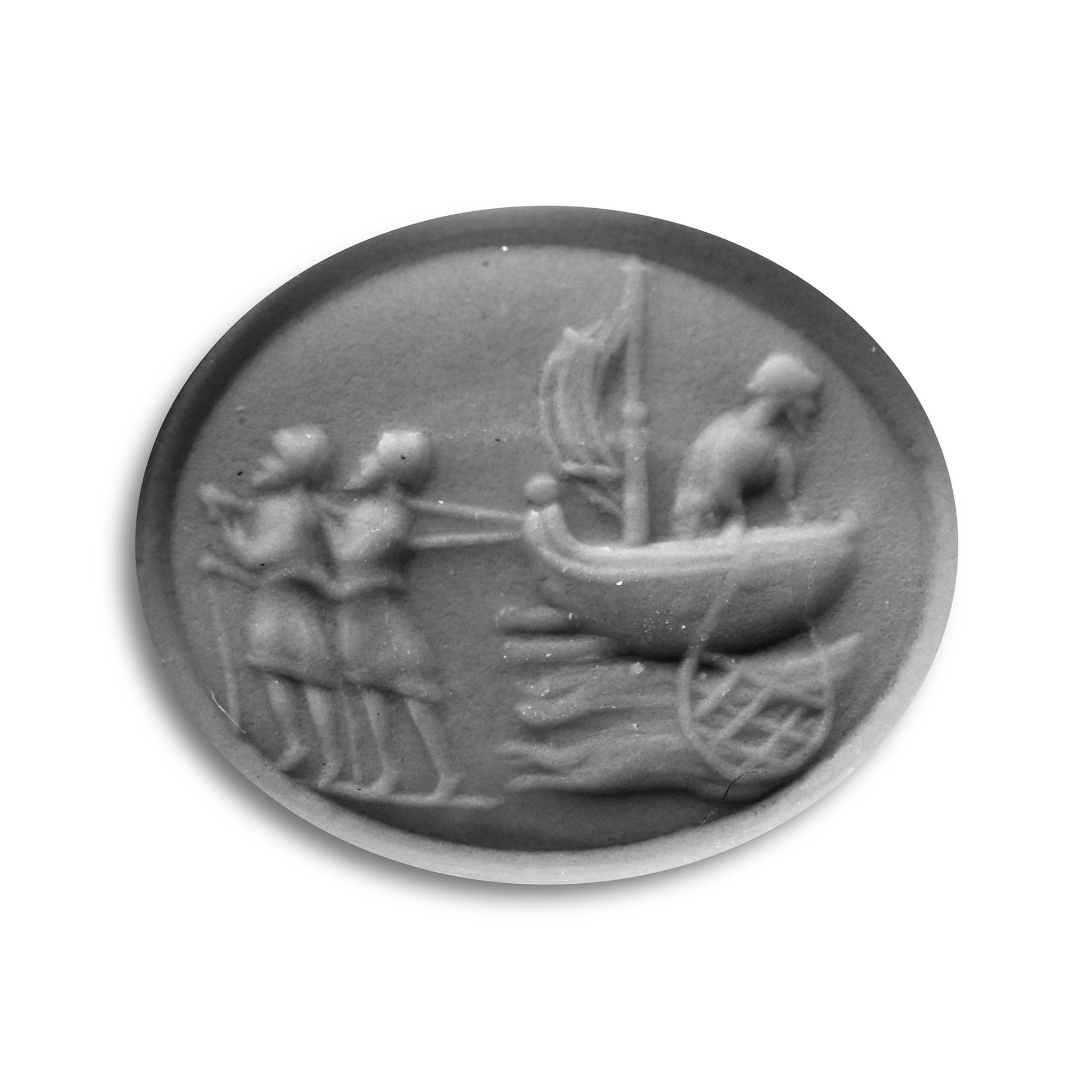
Georgian Period Bloodstone Gemstone with Christ Fishing
17TH-18TH CENTURY A.D.
1/2 in. (0.55 grams, 14 mm).
Oval heliotrope intaglio showing a boat on water with an open sail, Christ casting a net in the water, and the boat drawn by the disciples; supplied with a museum-quality impression.
ProvenanceAcquired on the European art market.
CONDITIONTimeLine Auctions follows a vetting process to ensure the authenticity and legality of all items, reinforcing our commitment to integrity and responsible trading. Each antiquity, antique, and coin lot undergoes thorough examination by a vetting committee of at least ten external specialists, professional trade association members, scientists, and archaeologists: Our Vetting Process
AUCTIONS:
TimeLine is a leading auction house specialising in antiquities, ancient art, collectables, natural history, coins, medals, and books. Our auctions offer museums, collectors, historians, and enthusiasts the opportunity to acquire unique and historically significant pieces.
LOT 0376
Georgian Period Bloodstone Gemstone with Christ Fishing
Estimate £600 - 800€700 - 930 (for guidance only)$810 - 1,080 (for guidance only)
-
.jpg)
Post Medieval Silver Ring with Vibrant Blood Orange Glass Insert
France, 18th century A.D.Sold for (Inc. bp): £208
Flat-section hoop and ellipsoid bezel with leaf detail to the shoulder, orange glass insert. 2.07 grams, 21.36 mm overall, 17.44 x 15.72 mm internal diameter (approximate size British O, USA 7, Europe 14.98, Japan 14)
Private collection, Europe. Acquired on the English art market. -
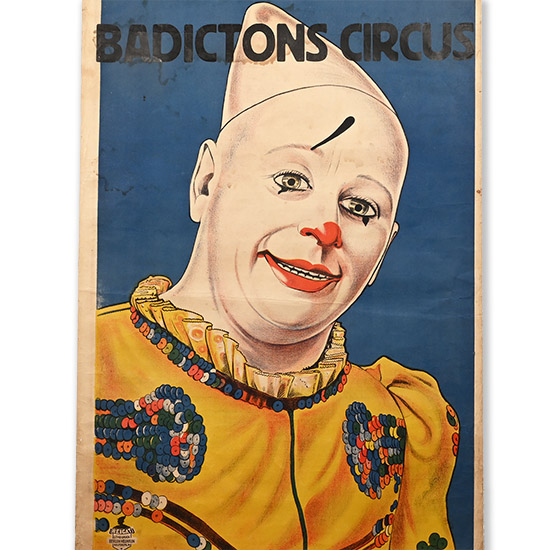
Badictons Circus Original Advertising Poster
1920s A.D.Sold for (Inc. bp): £364
Off-white ground with overprinted pierrot image, 'Badictons Circus' title; printer's logo bottom left 'Beigat Litho-Druck / Berlin-NeuKolln / Reuterstr.34' and reference 'No.109'. 22 grams, 70.5 x 46.5 cm
Acquired on the UK art market. Property of a Harwich, UK, collector. -
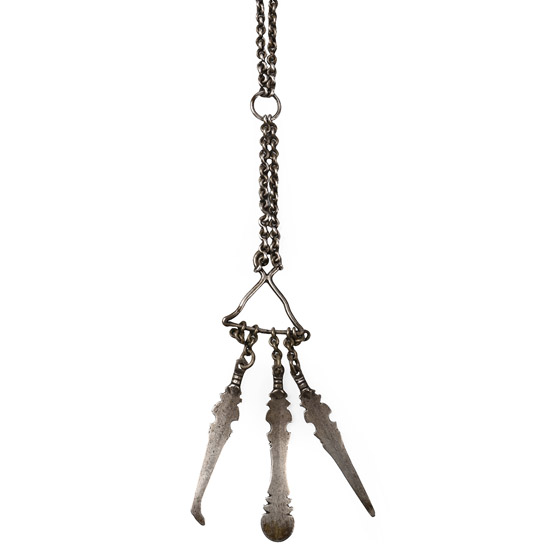
Post Medieval Silver Betel Container
18th-19th century A.D.Sold for (Inc. bp): £78
Hanging chatelaine with a hinged hexagonal container suspended from one side and three grooming tools on the other end. 18.45 grams, 11.3 cm
Acquired on the European art market.
