
Loading, please wait...

LOT 2041
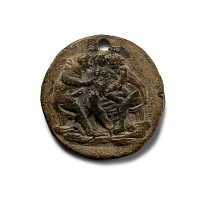
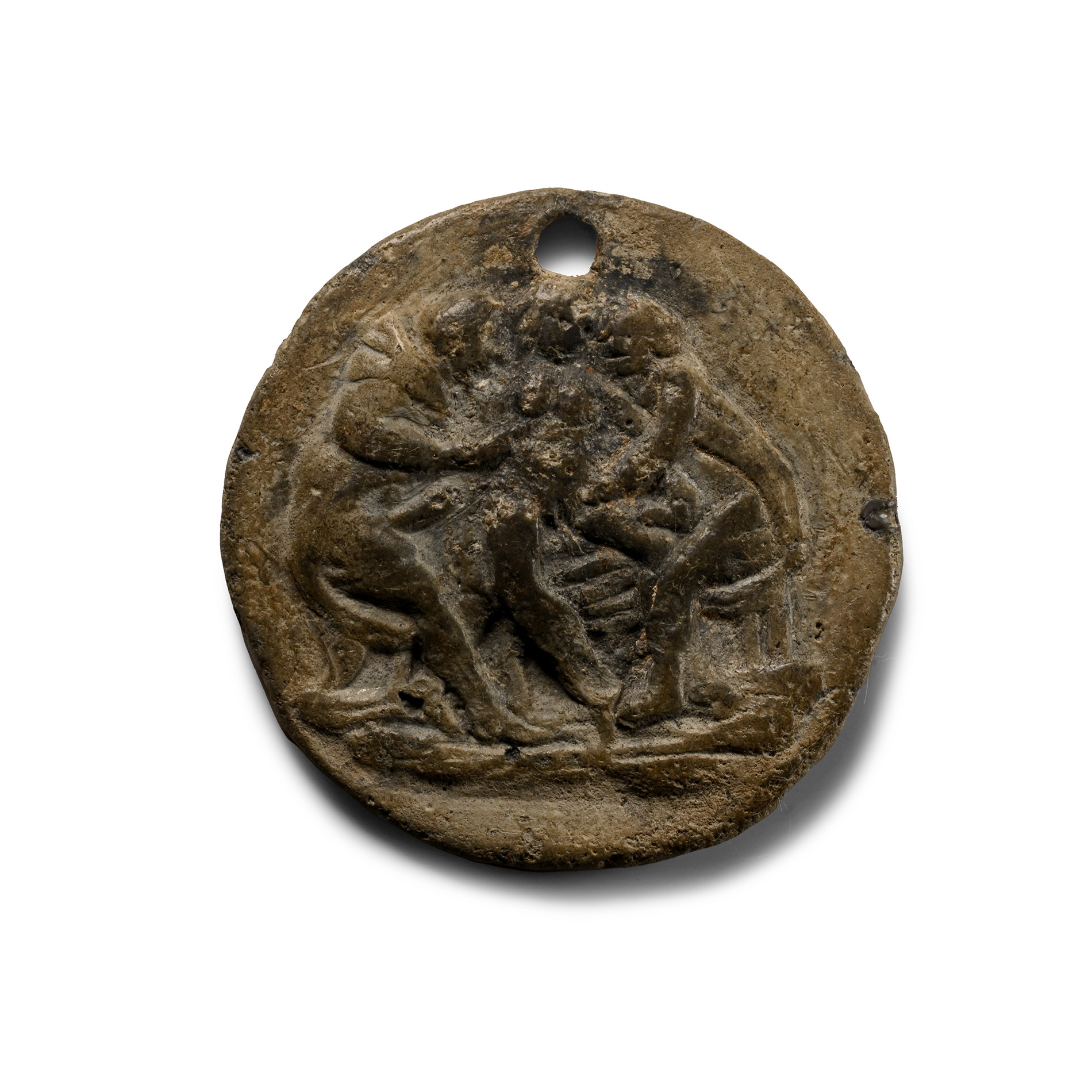
Georgian Lead Erotic Bawdy Pendant
18TH CENTURY A.D.
2 in. (72 grams, 51 mm).
Disc with low-relief scene depicting a seated nude female flanked by two gentlemen; pierced above. [No Reserve]
ProvenanceFound near Bristol, UK.
Seen by Bristol Museum and identified as from 1700s.
TimeLine Auctions follows a vetting process to ensure the authenticity and legality of all items, reinforcing our commitment to integrity and responsible trading. Each antiquity, antique, and coin lot undergoes thorough examination by a vetting committee of at least ten external specialists, professional trade association members, scientists, and archaeologists: Our Vetting Process
AUCTIONS:
TimeLine is a leading auction house specialising in antiquities, ancient art, collectables, natural history, coins, medals, and books. Our auctions offer museums, collectors, historians, and enthusiasts the opportunity to acquire unique and historically significant pieces.
-
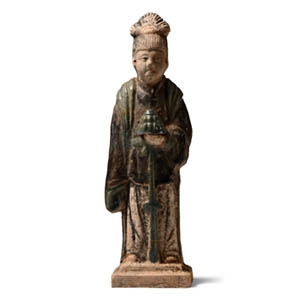
Chinese Ming Style Glazed Terracotta Figure
20th century A.D.Sold for (Inc. bp): £26
Standing in floor-length robes with bouffant hair and holding a fruit in the left hand. 263 grams, 17 cm
From the private collection of H. Norry, 1980s-1990s. -
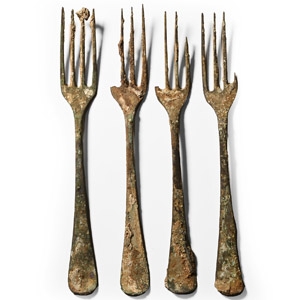
'Nuestra Senora de la Luz' Shipwreck Fork Set
Sunk 1752 A.D.Sold for (Inc. bp): £169
Group of four table forks, each with tapering shank, slightly scooped finial, four-prong head. 67 grams total, 16.5-18.7 cm
Salvaged by Ruben Collado Amatriain in 1992. Accompanied by original signed declarations in both English and Spanish from Ms Mariana Faine Collado, daughter of Mr Ruben Collado Amatriain. -
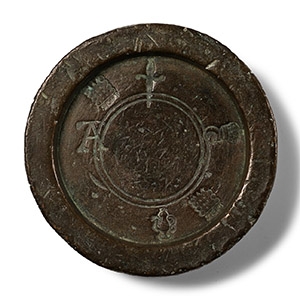
Large Georgian Bronze Trade Weight
Late 18th century A.D.Sold for (Inc. bp): £33
Discoid in plan with recess to upper face, stamped markings including dagger, crowned G and others. 453 grams, 70 mm
From a private Barnsley, UK, family collection.
