
Loading, please wait...
LOT 1528
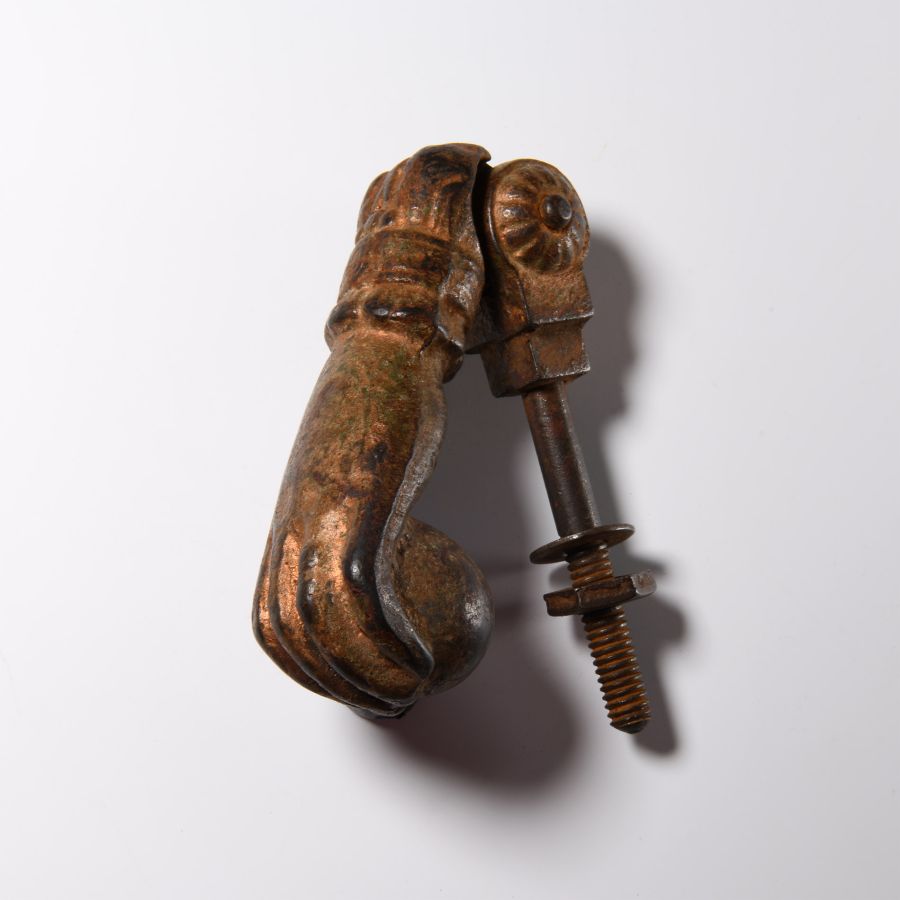
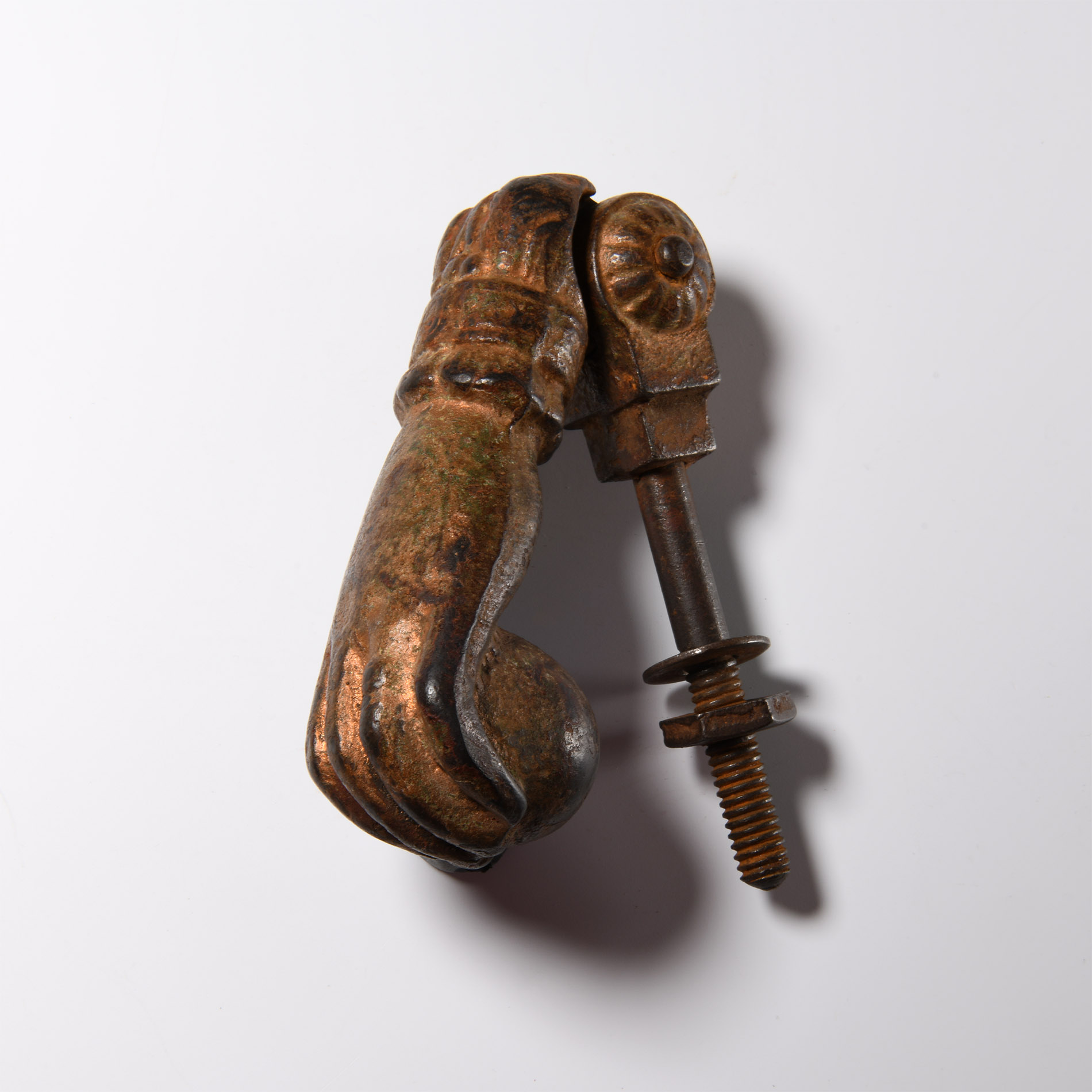
Georgian Iron Door Knocker
18TH-19TH CENTURY A.D.
8 1/4 in. (771 grams, 21 cm).
Formed as a left hand holding an apple(?) with a rouched cuff, hinge with lateral rosettes, securing rod with screw thread, washer and nut. [No Reserve]
ProvenanceAcquired on the UK art market.
Property of a European gentleman living in London.
TimeLine Auctions follows a vetting process to ensure the authenticity and legality of all items, reinforcing our commitment to integrity and responsible trading. Each antiquity, antique, and coin lot undergoes thorough examination by a vetting committee of at least ten external specialists, professional trade association members, scientists, and archaeologists: Our Vetting Process
AUCTIONS:
TimeLine is a leading auction house specialising in antiquities, ancient art, collectables, natural history, coins, medals, and books. Our auctions offer museums, collectors, historians, and enthusiasts the opportunity to acquire unique and historically significant pieces.
-
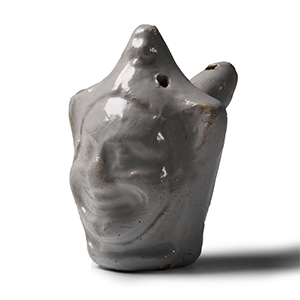
Elizabethan Glazed Ceramic Fool's Head Whistle
Circa 16th century A.D.Sold for (Inc. bp): £260
Complete with mouthpiece and sounding hole. 43 grams, 54 mm
Acquired 1960s-1990s. Late Alison Barker collection, a retired London barrister. -
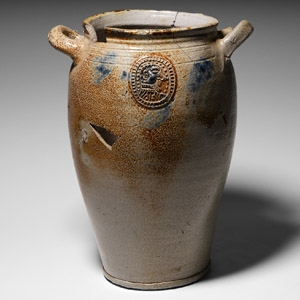
Post Medieval Glazed Bellarmine Ceramic Jar
Late 16th century A.D.Sold for (Inc. bp): £234
Of piriform shape, raised medallion displaying male bust in profile right to shoulder on two faces; damaged and repaired. 3.44 kg, 32.5 cm high
Acquired 1960s-1990s. Late Alison Barker collection, a retired London barrister. -
.jpg)
Post Medieval Lock and Other Mechanism Group
Mainly 19th century A.D.Sold for (Inc. bp): £13
Including a pair of brass drop-handles, a mechanical bell and a multiple lock. 2.2 kg total, 16-26 cm
Fair condition.
Acquired on the UK art market. Property of a European gentleman living in London.
