
Loading, please wait...


LOT 0345
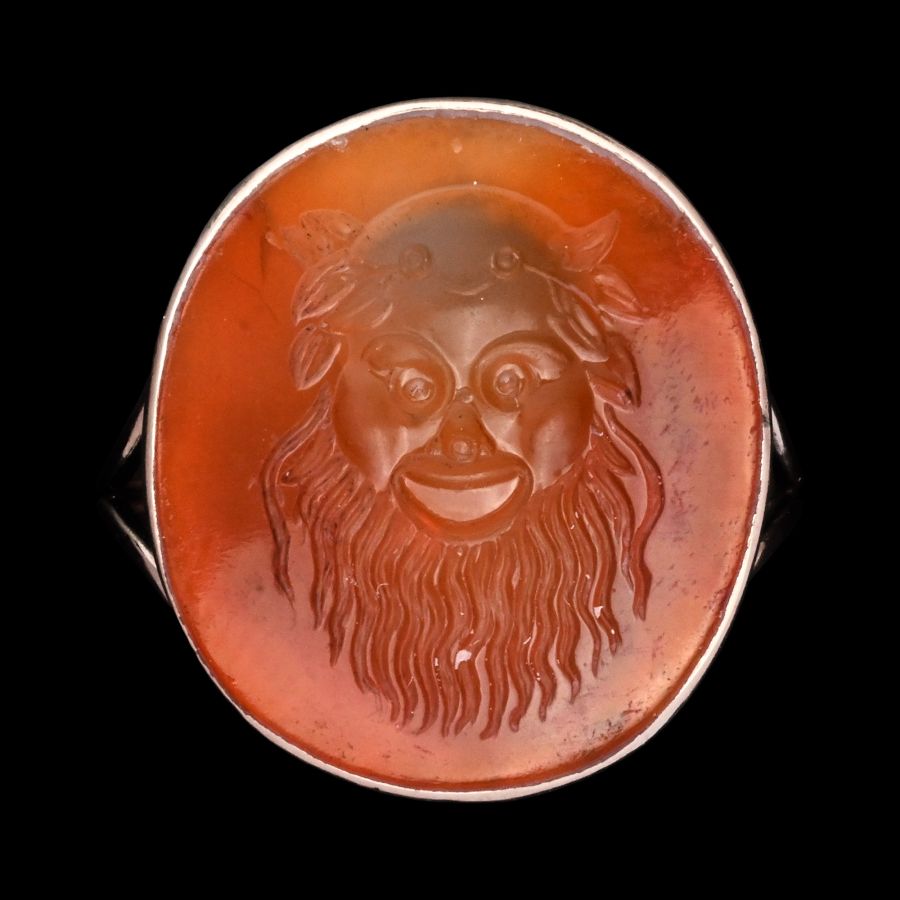
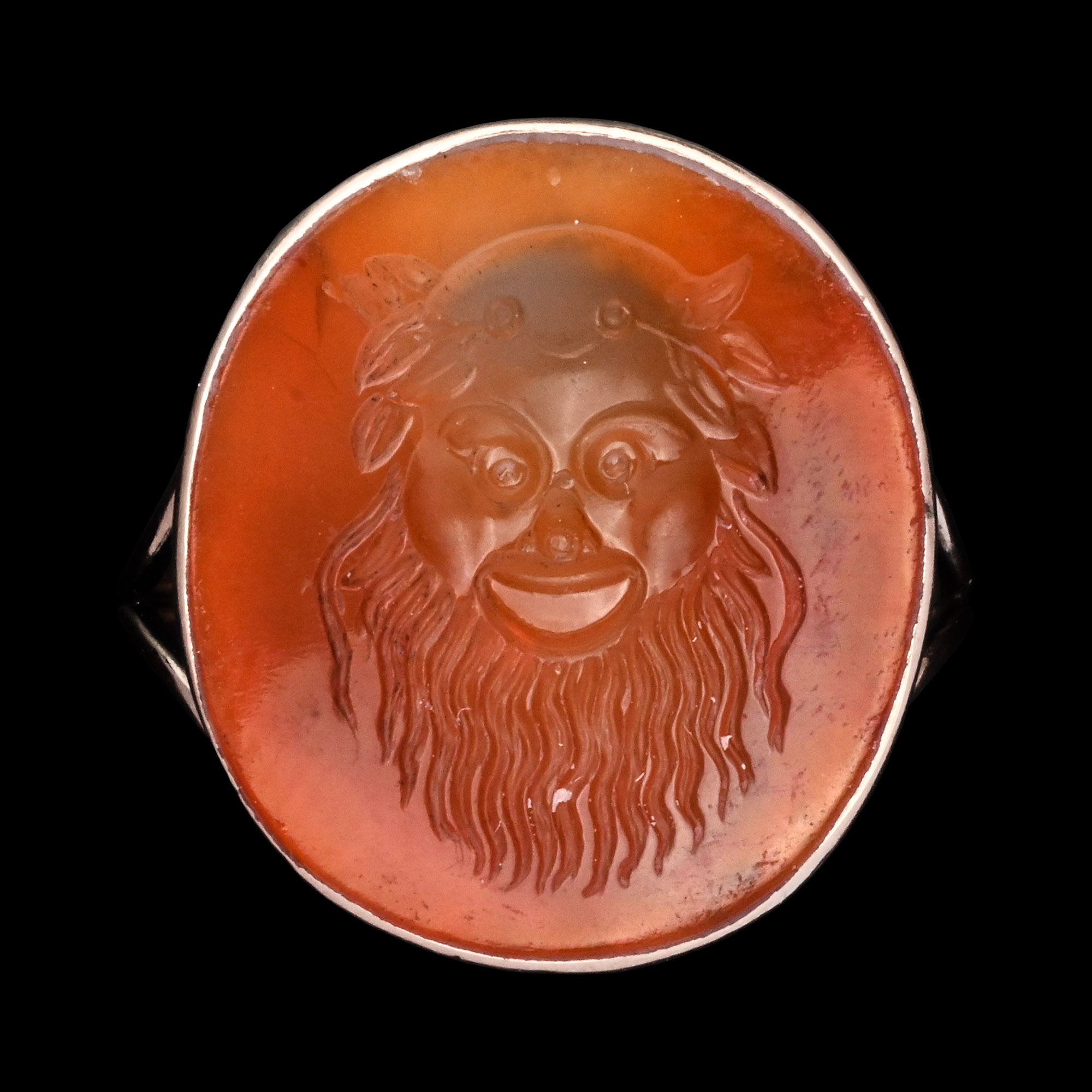
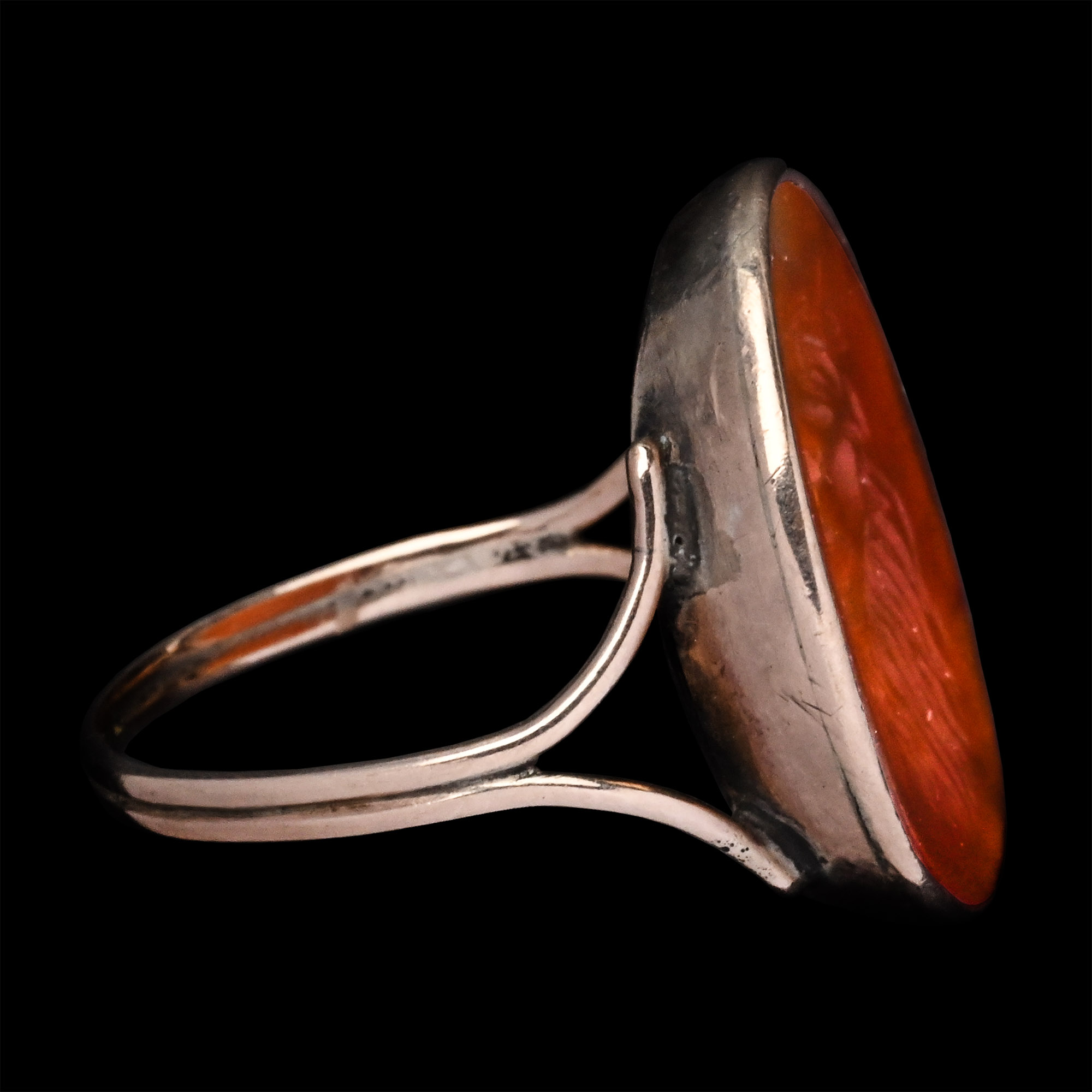
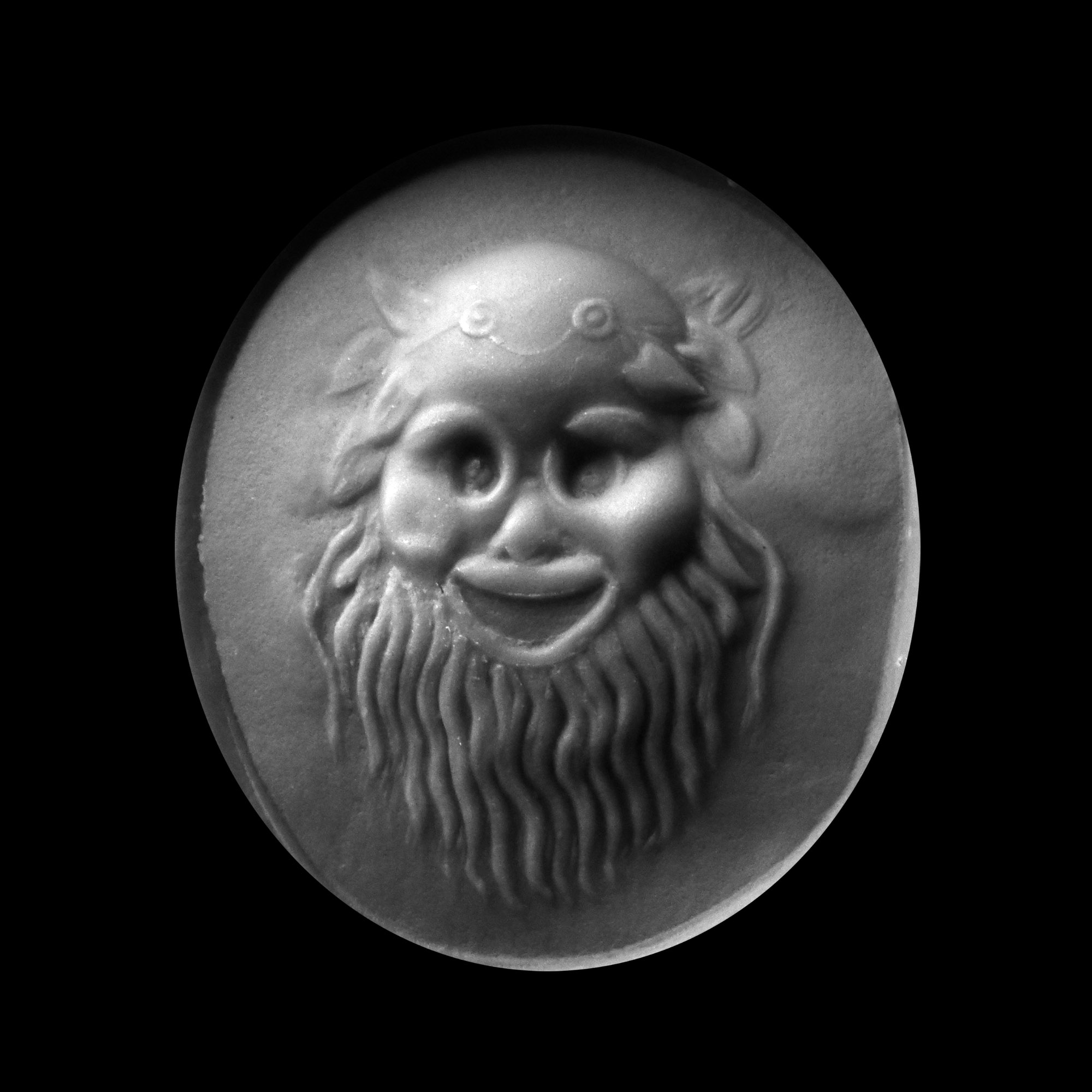
Georgian Gold Ring with Carnelian Gemstone with Head of Papposilenus
ITALY, 18TH CENTURY A.D.
7/8 in. (3.31 grams, 21.59 mm overall, 18.67 mm internal diameter (approximate size British P, USA 7 1/2, Europe 16.23, Japan 15)).
Narrow hoop forked at the shoulders and supporting an oval open-backed setting with a slightly convex orange carnelian intaglio depicting the head of Papposilenus facing, wearing a wreath on his bald head, long beard and open mouth; supplied with a museum-quality impression.
ProvenanceAcquired on the European art market.
This lot has been checked against the Interpol Database of stolen works of art and is accompanied by search certificate number no.13317-257960.
Cf. for a similar example see Pirzio Biroli Stefanelli, L., La Collezione Paoletti, Stampi in vetro per impronte de intagli e cammei, Tomo I, Roma, 2007, cassetto 9, fig. 574.
FootnotesThe image, derived from Graeco-Roman mythology, represents Papposilenus, a semi-bestial figure with a round face dominated by a thick, unkempt beard and a completely bald head. The subject depicted is the eldest Silenus (the meaning of his name) and the wisest of Dionysus’s retinue; indeed, the infant Dionysus was entrusted to his care.
CONDITIONTimeLine Auctions follows a vetting process to ensure the authenticity and legality of all items, reinforcing our commitment to integrity and responsible trading. Each antiquity, antique, and coin lot undergoes thorough examination by a vetting committee of at least ten external specialists, professional trade association members, scientists, and archaeologists: Our Vetting Process
AUCTIONS:
TimeLine is a leading auction house specialising in antiquities, ancient art, collectables, natural history, coins, medals, and books. Our auctions offer museums, collectors, historians, and enthusiasts the opportunity to acquire unique and historically significant pieces.
LOT 0345
Georgian Gold Ring with Carnelian Gemstone with Head of Papposilenus
Estimate £2,000 - 3,000€2,320 - 3,480 (for guidance only)$2,700 - 4,050 (for guidance only)
-
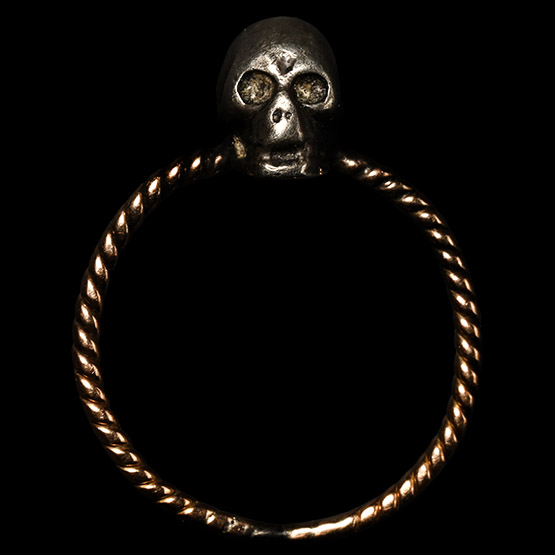
Georgian Gold Ring with Silver Skull
19th-20th century A.D.Sold for (Inc. bp): £585
Beaded wire hoop with applied silver skull motif; usage wear to inner face. 2.93 grams, 25.00 mm overall, 16.81 mm internal diameter (approximate size British M, USA 6, Europe 12.46, Japan 12)
Private collection, Europe. Acquired on the English art market. -
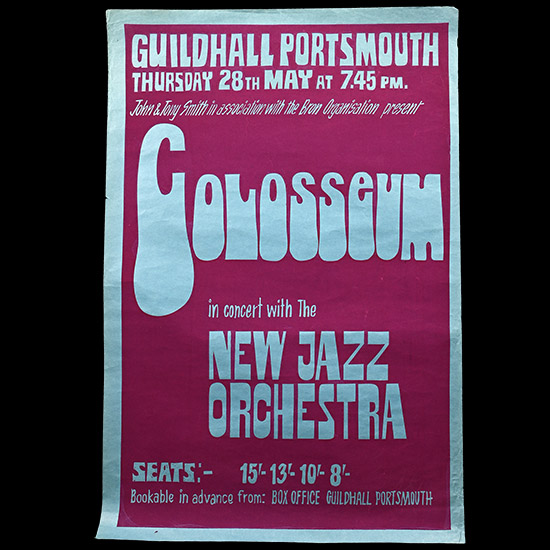
Original Colosseum Poster by David Arnott
1970 A.D.Estimate: £80 - 100 (+bp*)
Opening Bid: £40
Printed poster on mid-blue coarse paper with rose overprint; Guildhall Portsmouth concert with 'Colosseum' band and 'New Jazz Orchestra'. 22 grams, 76.2 x 51 cm
Acquired on the UK art market. Property of a Harwich, UK, collector.
'Colosseum' were an innovative band in the late 1960s, mixing blues, rock and jazz-based improvisational styles. Members of the group were previously with John Mayall's 'Bluesbreakers'. The original band split up in 1971, and reformed in 1994 and toured in Germany and elsewhere. With a new line-up, they are still playing today. -
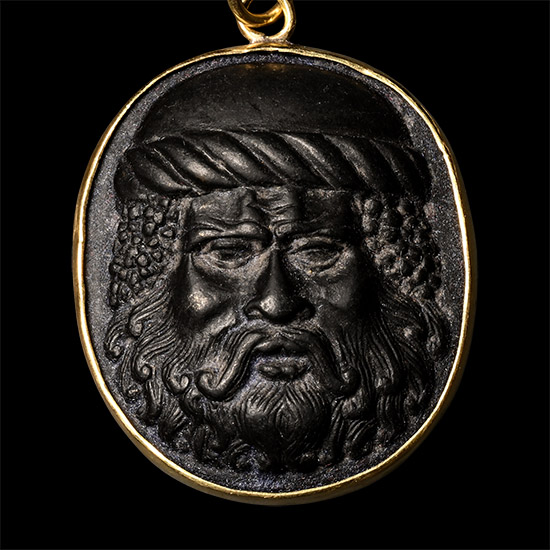
Gold Pendant with Glass Head
19th century A.D.Estimate: £500 - 700 (+bp*)
Opening Bid: £250
In low-relief, facing bust with braided band to his brow and bunch of grapes to each temple. 11.5 grams, 44 mm
Private collection, Europe. Acquired on the English art market.
