
Loading, please wait...
LOT 2148
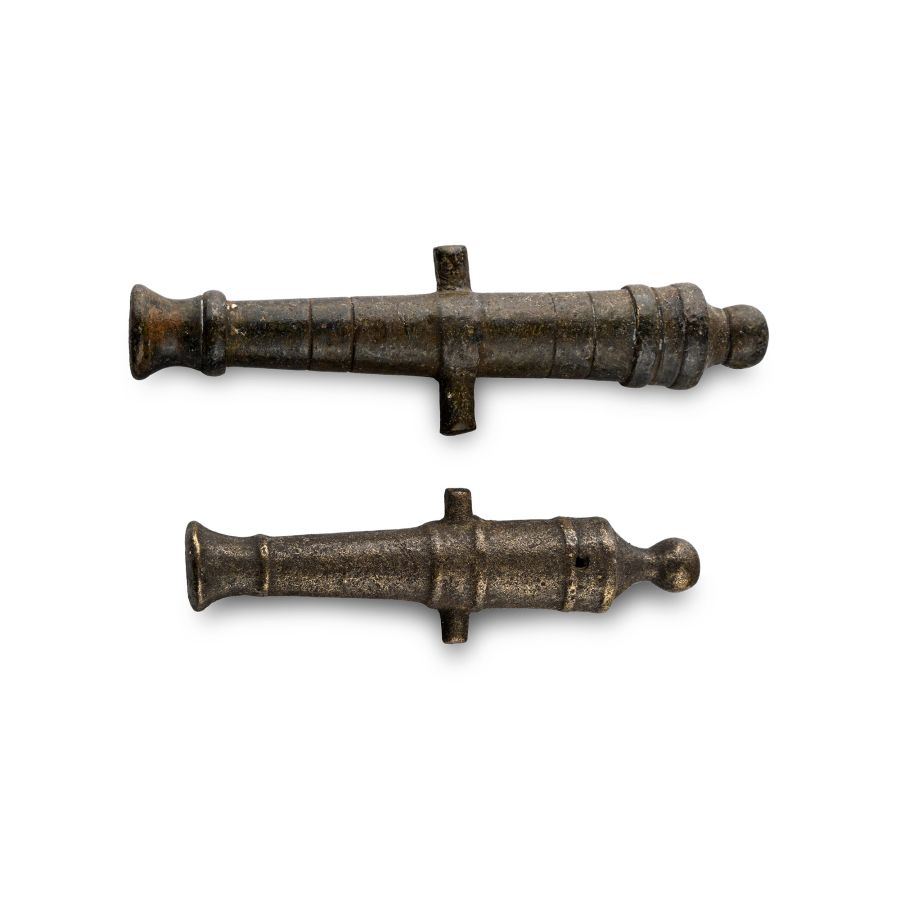
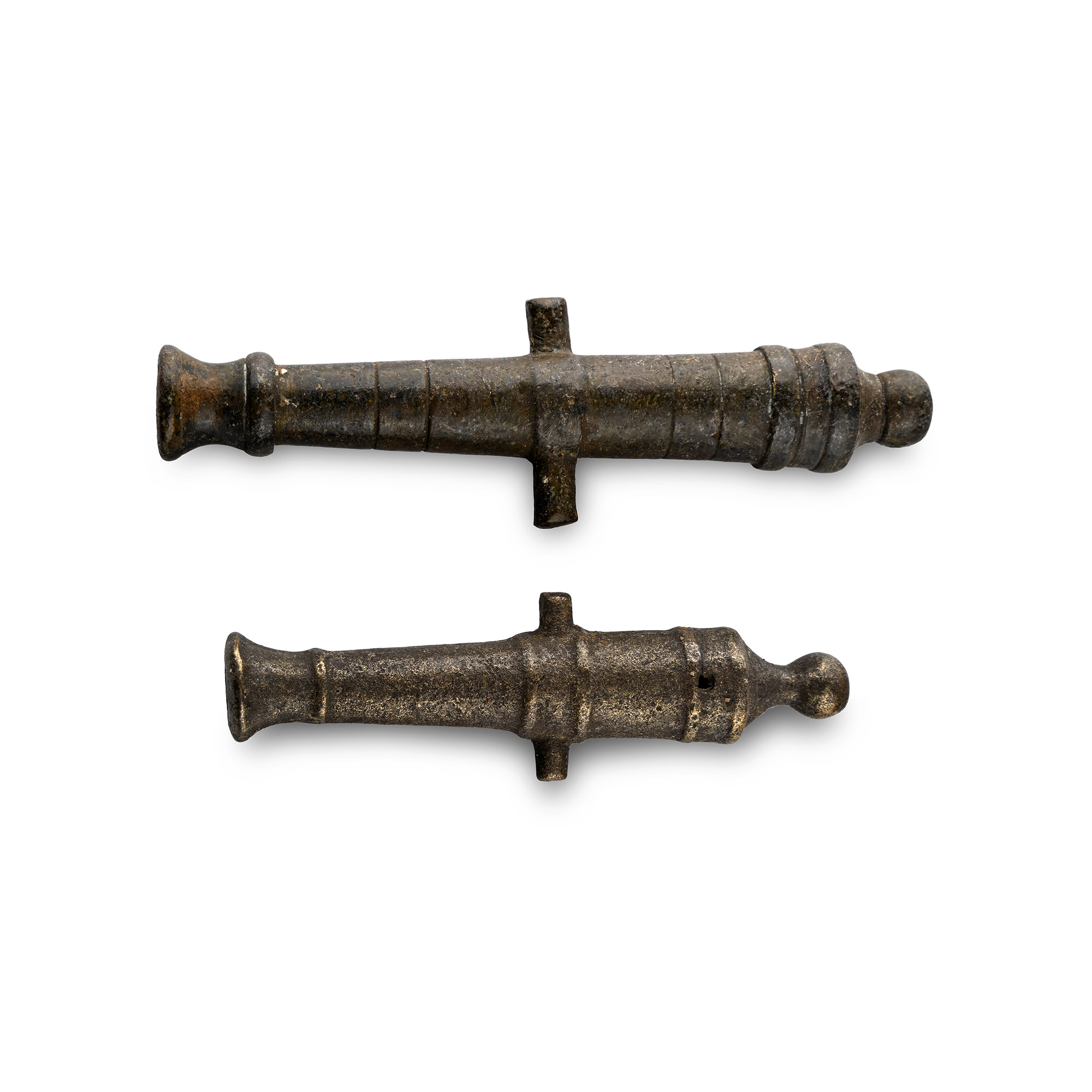
Georgian Bronze Toy Cannon Group
18TH-19TH CENTURY A.D.
2 7/8 - 3 1/2 in. (97 grams total, 73-91 mm).
Two barrels for toy cannons, each with lateral trunnions. [2, No Reserve]
ProvenanceFound East Anglia, UK.
This lot is accompanied by an illustrated lot declaration signed by the Head of the Antiquities Department, Dr Raffaele D'Amato.
TimeLine Auctions follows a vetting process to ensure the authenticity and legality of all items, reinforcing our commitment to integrity and responsible trading. Each antiquity, antique, and coin lot undergoes thorough examination by a vetting committee of at least ten external specialists, professional trade association members, scientists, and archaeologists: Our Vetting Process
AUCTIONS:
TimeLine is a leading auction house specialising in antiquities, ancient art, collectables, natural history, coins, medals, and books. Our auctions offer museums, collectors, historians, and enthusiasts the opportunity to acquire unique and historically significant pieces.
-
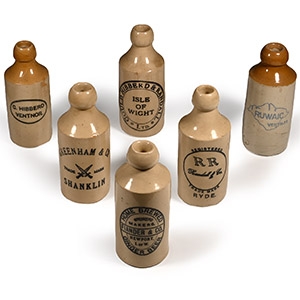
Antique Isle of Wight Ginger Beer Bottle Collection
Late 19th-early 20th century A.D.Sold for (Inc. bp): £65
Comprising: one stamped 'RR Randall & Co. RYDE.'; one stamped 'GOULD, HIBBERD & RANDALL LTD. ISLE OF WIGHT'; one stamped 'RUWAIC VENTNOR'; one stamped 'C. HIBBERD VENTNOR.'; one stamped 'GREENHAM & CO SHANKLIN'; one stamped 'HOME BREWED GINGER BEER. FIANDER & CO. NEWPORT I. OF W.; accompanied by a booklet by Stephen Day, Castaways- collectable containers. 3.07 kg total, 16.5-17.5 cm
From the private collection of an East Anglian gentleman, 1970s-early 2000s. This lot is accompanied by an illustrated lot declaration signed by the Head of the Antiquities Department, Dr Raffaele D'Amato. -
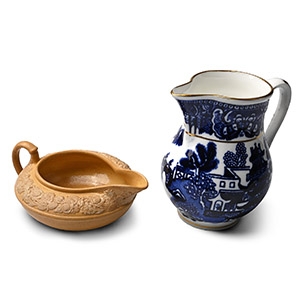
Vintage Ceramic Jug Group
20th century A.D.Sold for (Inc. bp): £7
Comprising: a Coalfort glazed milk jug; squat jug recalling the design of a Roman oil lamp. 220 grams total, 9.5-10.6 cm
From the private collection of a Canadian gentleman living in Essex, UK, formed since the 1920s-circa 1990. Property of an Essex lady until the late 1990s; thence by descent. From the private collection of an Essex gentleman since the late 1990s. This lot is accompanied by an illustrated lot declaration signed by the Head of the Antiquities Department, Dr Raffaele D'Amato. -
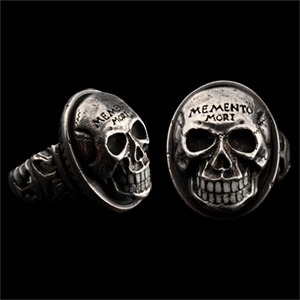
Large Enamelled Silver Memento Mori Skull Ring
Late 19th-20th century A.D.Sold for (Inc. bp): £845
With D-section hoop, openwork motif on each side of an oval bezel with half-round skull; engraving 'MEMENTO MORI' to the forehead. 31.33 grams, 35.34 mm overall, 19.25 mm internal diameter (approximate size British Q, USA 8, Europe 17.49, Japan 16)
From a private collection, Warwickshire, UK. Property of a Buckinghamshire, UK, gentleman collector. This lot is accompanied by an illustrated lot declaration signed by the Head of the Antiquities Department, Dr Raffaele D'Amato.
