
.jpg "Gallienus BI Antoninianus.")
LOT 2965
Gallienus BI Antoninianus. AD 253-268. Samosata mint.
IMP C P LIC GALLIENVS P F AVG, radiate, draped, and cuirassed bust to right / ROMAE AETERNAE, Roma seated to left on shield, presenting Victory to emperor, standing to right. MIR 36, 1701g. Near Very fine. Very rare.(3.98gr, 22mm, 12h.).
ProvenanceFrom the collection of a gentleman, acquired on the London art market in the 1990s.
TimeLine Auctions follows a vetting process to ensure the authenticity and legality of all items, reinforcing our commitment to integrity and responsible trading. Each antiquity, antique, and coin lot undergoes thorough examination by a vetting committee of at least ten external specialists, professional trade association members, scientists, and archaeologists: Our Vetting Process
AUCTIONS:
TimeLine is a leading auction house specialising in antiquities, ancient art, collectables, natural history, coins, medals, and books. Our auctions offer museums, collectors, historians, and enthusiasts the opportunity to acquire unique and historically significant pieces.
-
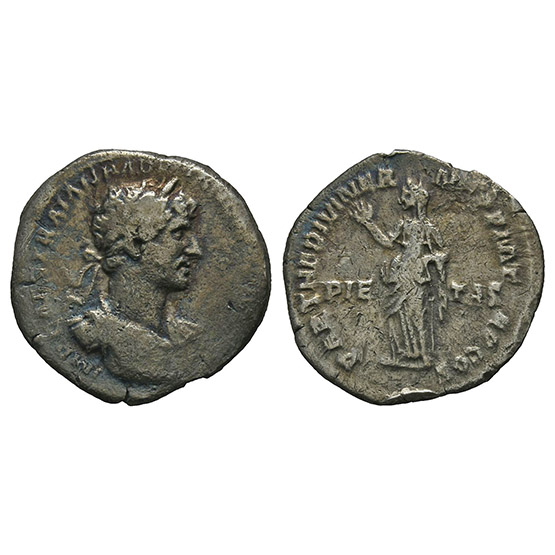
Hadrian AR Denarius. AD 117. Rome mint.
Sold for (Inc. bp): £65
IMP CAES TRAIAN HADRIANO [AVG DIVI TRA], laureate and cuirassed bust to right, with exposed breastplate / PARTH F DIVI NER NEP P M TR P COS, Pietas standing to left, raising right hand, PIE-TAS across fields. RIC II.3 128; Strack 39. 2.66gr, 19mm, 6h.
Near Very Fine.
From the private collection of an Essex, UK, lady. -
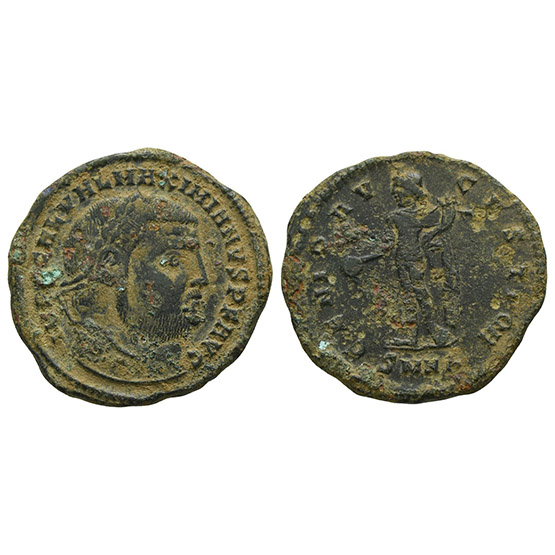
Galerius BI Nummus. AD 308-310. Nicomedia mint.
Sold for (Inc. bp): £13
1st officina. IMP C GAL VAL MAXIMIANVS P F AVG, laureate head to right / GENIO AVGVSTI CMH (ligate), Genius standing to left, modius on head, holding patera and cornucopia; SMNA in exergue. RIC VI 54a. 6.34gr, 26mm, 6h.
Near Very Fine.
Private collection, acquired 1980–1985. -
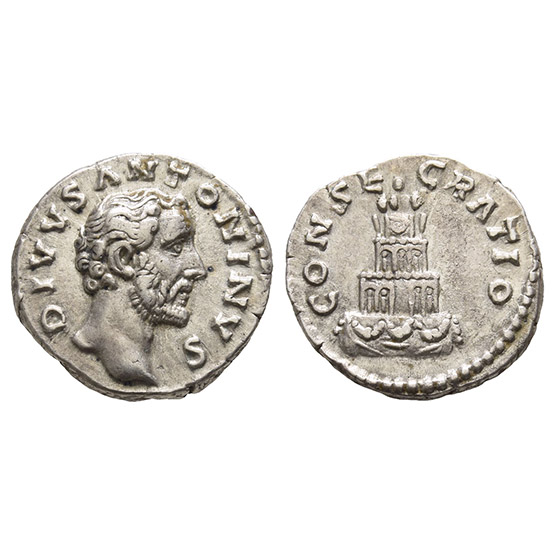
Divus Antoninus Pius AR Denarius. AD 161. Rome mint.
Sold for (Inc. bp): £117
DIVVS ANTONINVS, bare head to right / CONSECRATIO, decorated funeral pyre of four tiers, surmounted by quadriga. RIC 436; Cohen 164. 3.23gr, 17mm, 6h.
Near Extremely Fine.
Ex German art market, 2000s. Acquired from an EU collector living in London. From the collection of a Surrey, UK, gentleman.
