
Loading, please wait...
LOT 1942
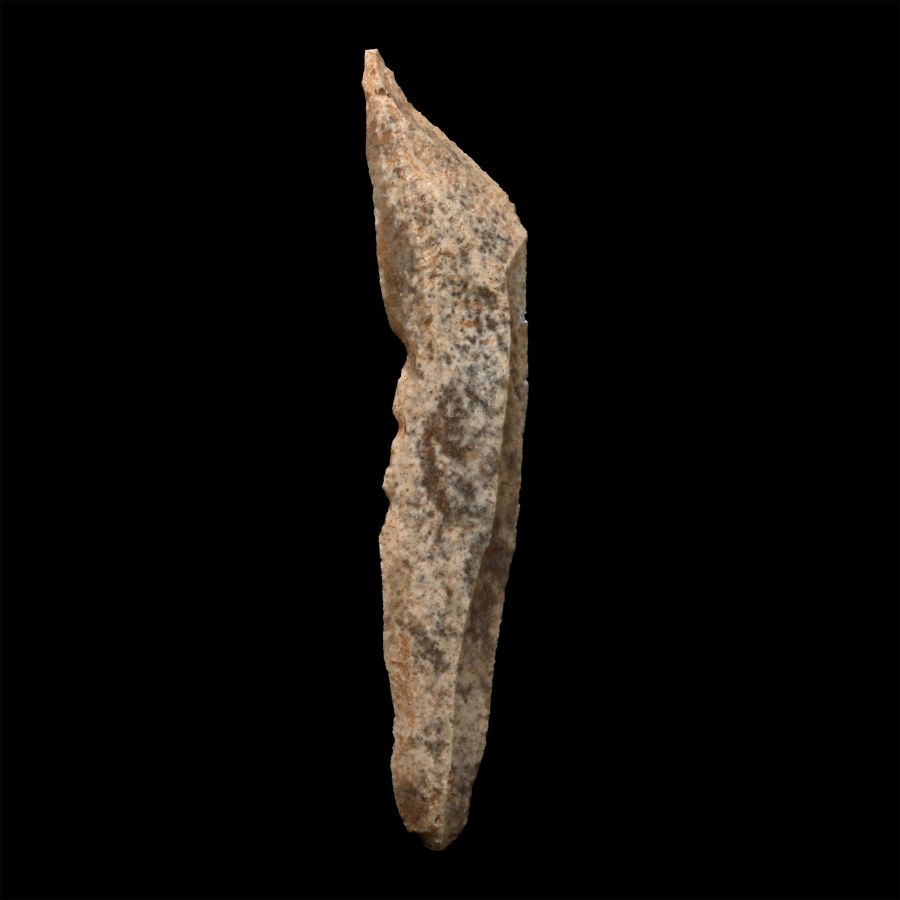
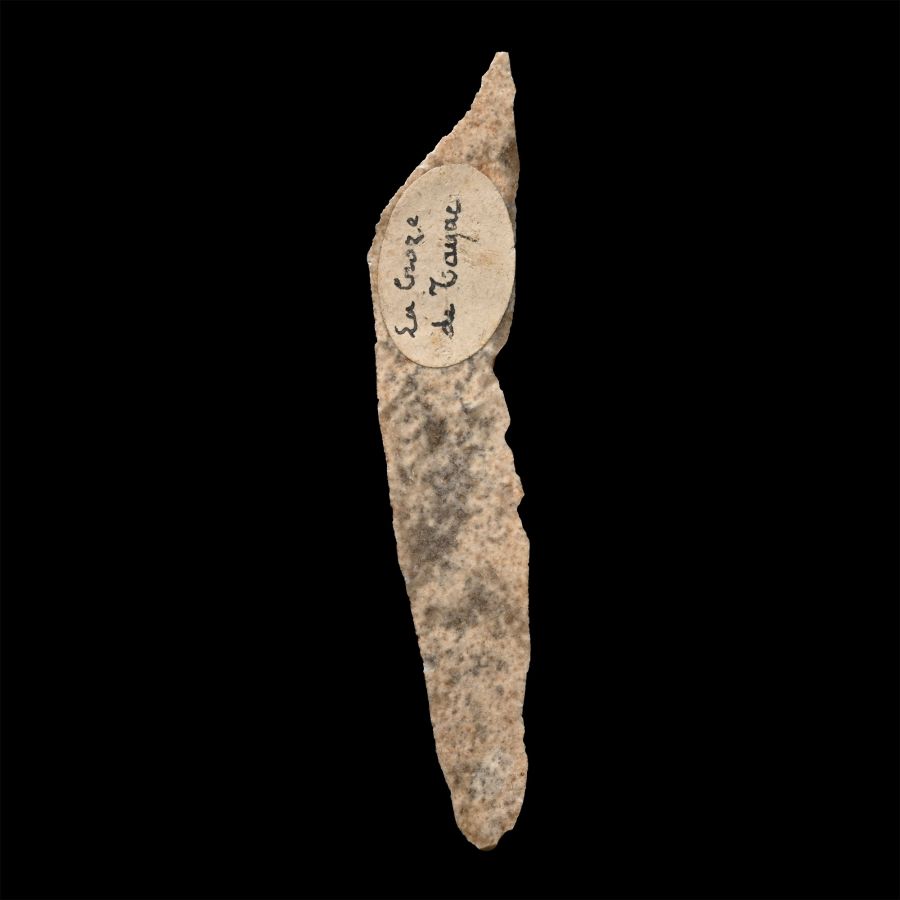
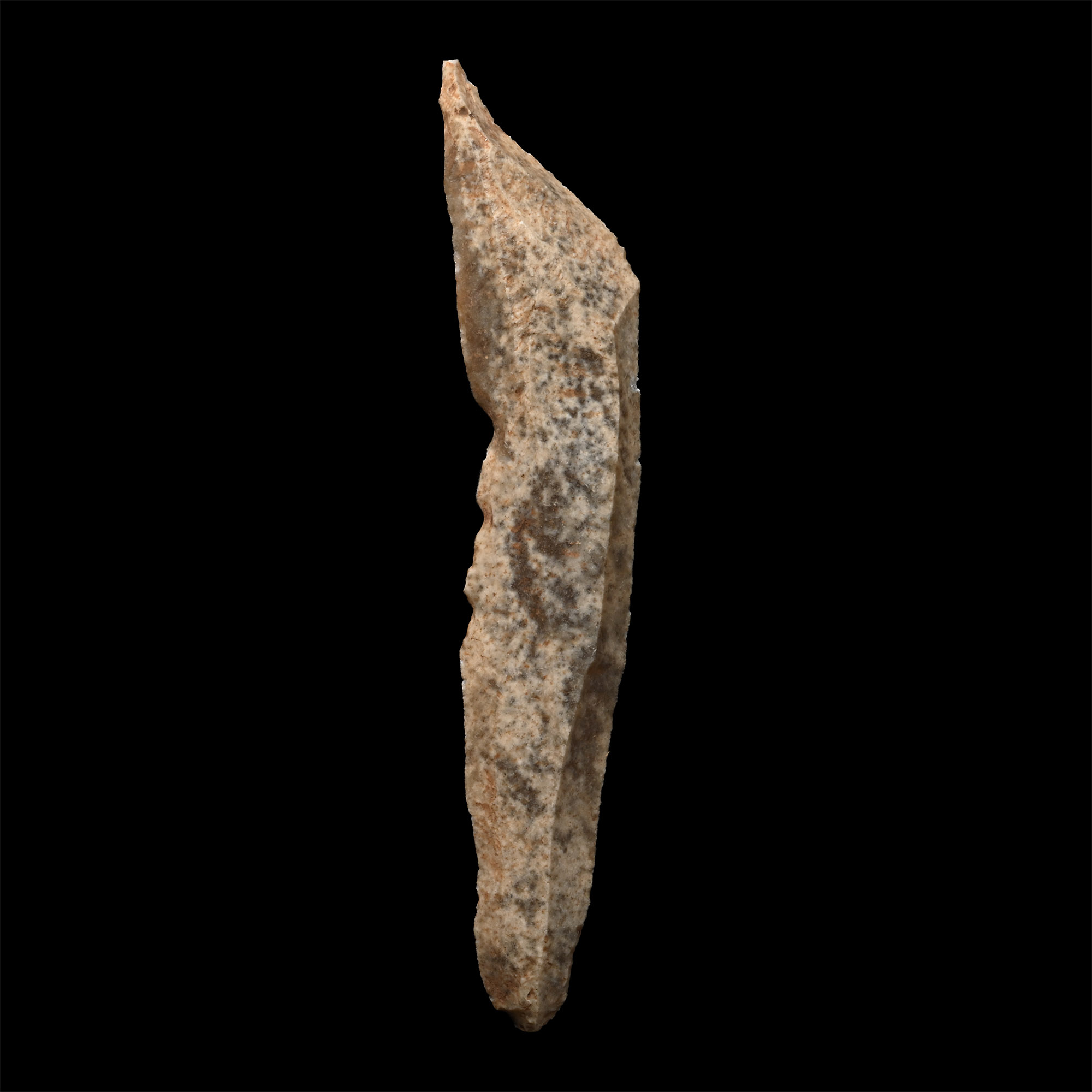
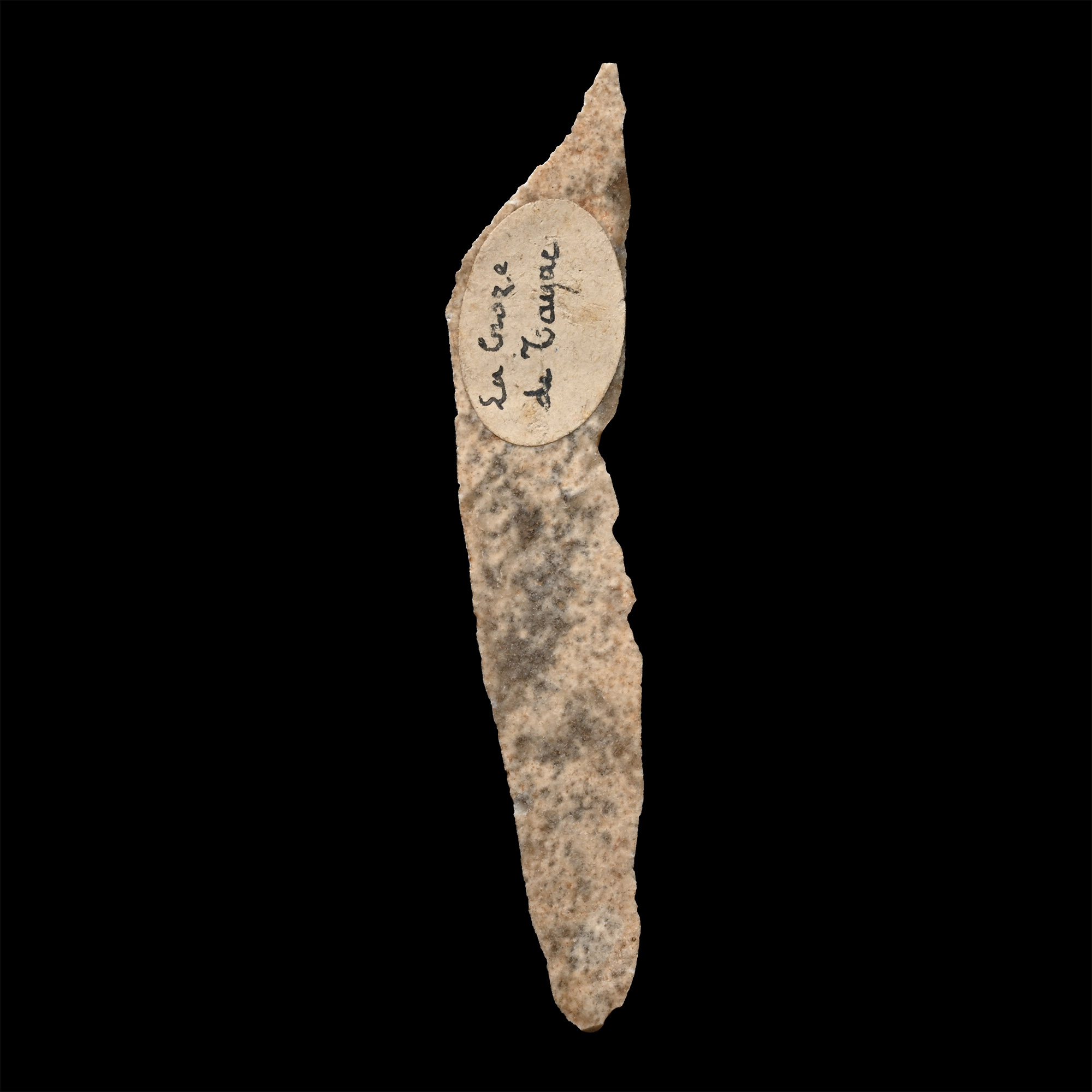
French Stone Age Knapped Flint Burin
GRAVETTIAN PERIOD, CIRCA 33,000-21,000 B.P.
3 in. (4.95 grams, 78.34 mm).
Slender and pointed with facets to the outer face. [No Reserve]
ProvenanceFrom Le Groze - Du Tay.
Acquired in the 1970s-1990s.
From the collection of the famous UK musician and amateur archaeologist, Victor Brox (1941-2023).
Acquired on the UK art market at auction after being sold by Mr Brox’s family.
From the private collection of an East Anglian, UK, specialist collector.
The Burin is a characteristic lithic tool of the Gravettian period.
CONDITIONTimeLine Auctions follows a vetting process to ensure the authenticity and legality of all items, reinforcing our commitment to integrity and responsible trading. Each antiquity, antique, and coin lot undergoes thorough examination by a vetting committee of at least ten external specialists, professional trade association members, scientists, and archaeologists: Our Vetting Process
AUCTIONS:
TimeLine is a leading auction house specialising in antiquities, ancient art, collectables, natural history, coins, medals, and books. Our auctions offer museums, collectors, historians, and enthusiasts the opportunity to acquire unique and historically significant pieces.
-
.jpg)
Large Stone Age Acheulean Knapped Flint Handaxe with Attractive Orange Patina
Late Lower Palaeolithic Period, circa 300,000-200,000 В.P.Sold for (Inc. bp): £208
Cordate in plan with rounded edge; marked at the base 'St. Meme Charente B. Lanceols' Achuleen Superieur'. 629 grams, 14.8 cm
Found St Même, Charente, France, with old inked label 'St Même, Charente, B.Lanceols' (Biface Lanceolate), Acheuleen Supérieur.' Acquired from the UK estate sale of famous musician, Victor Brox (1940-1923); his prehistoric artefacts collection created during the 1980s and 1990s. -
.jpg)
Very Large Stone Age Flint Core Group
Neolithic Period, 3rd millennium B.C.Estimate: £400 - 600 (+bp*)
Opening Bid: £200
Comprising: one tongue-shaped core with parallel facets to one face, cortex to reverse, old inked inscription to base 'La Bonnetierre / Abilly (FR)'; one similar, leaf-shaped with small patch of cortex, old inked inscription to side 'Les Pivots / Le Gd. Pressigny / Imbre Loire (FR) mounted on a custom-made stand. 8.01 kg total, 24-30 cm
Found at la Bonnetière, Abilly, Indre-Loire, France. From an old collection, Mons, Belgium. Private collection London, UK. -
.jpg)
Stone Age Mousterian Hand Axe
Palaeolithic Period, 300,000-40,000 B.P.Sold for (Inc. bp): £85
Piriform type with cortex to lower body, inked findspot 'Kervouter (29)'. 129 grams, 76 mm
Discovered in Kervouster, Guengat, France, according to inscription. Accompanied by a French Ministry of Culture export permit no.CBC 257548, and EU licence no.2026DMF0025.
