
Loading, please wait...
LOT 1953
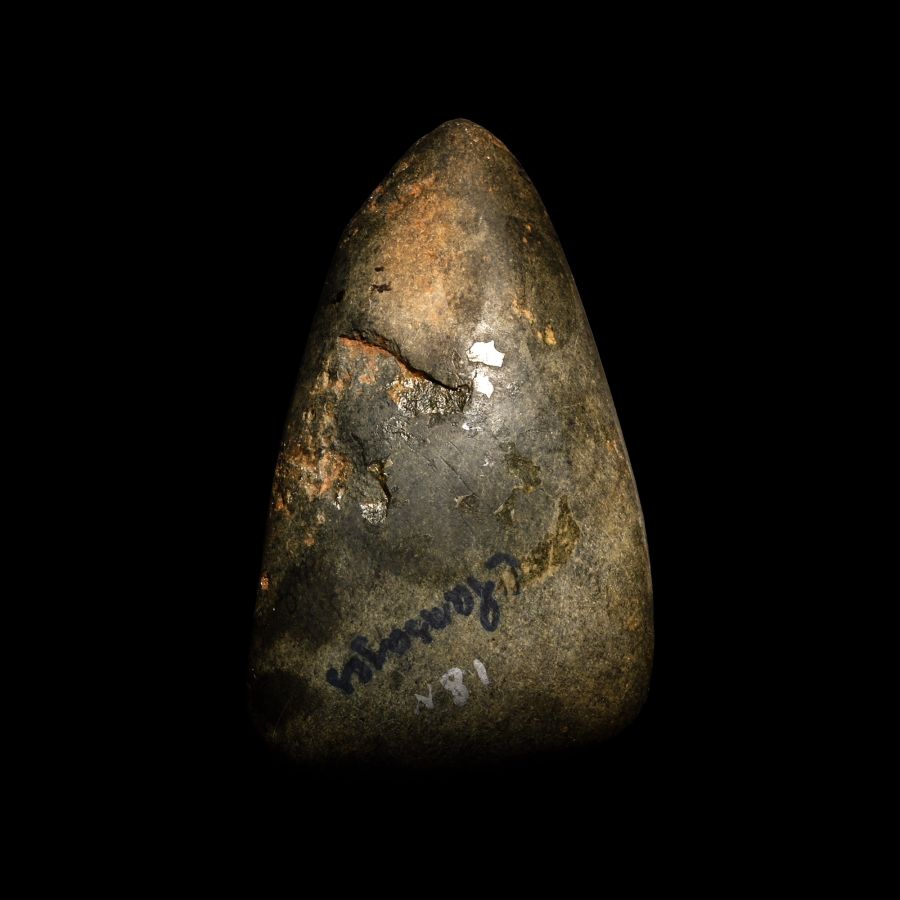
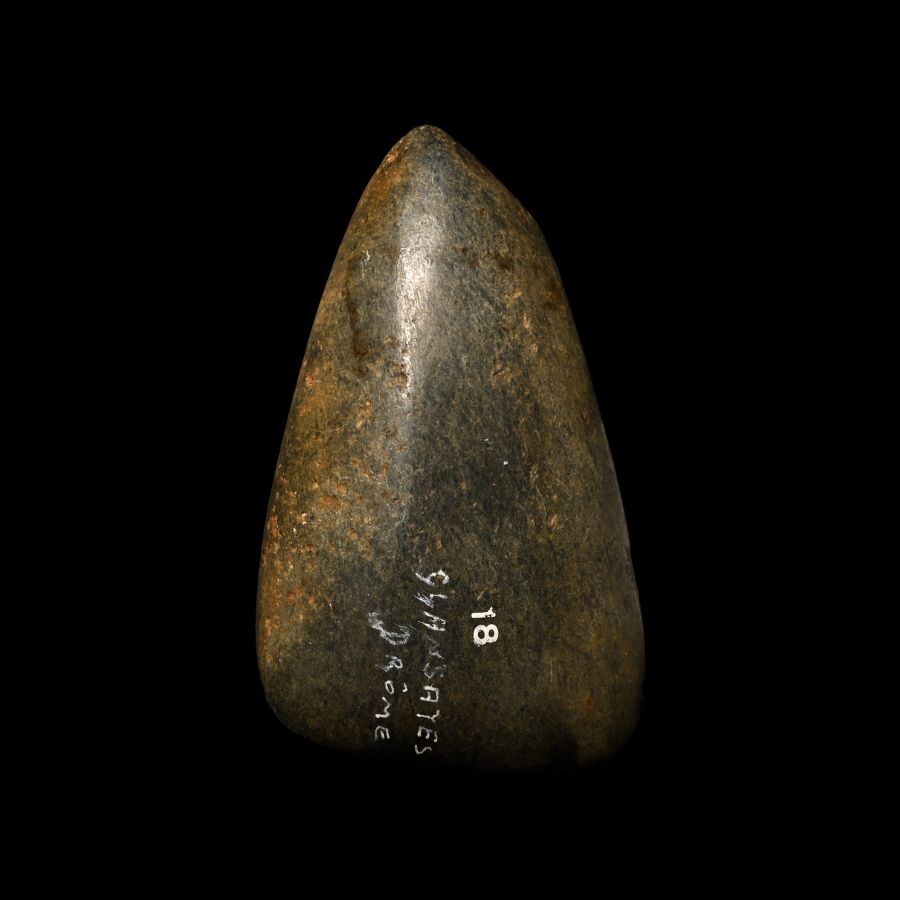
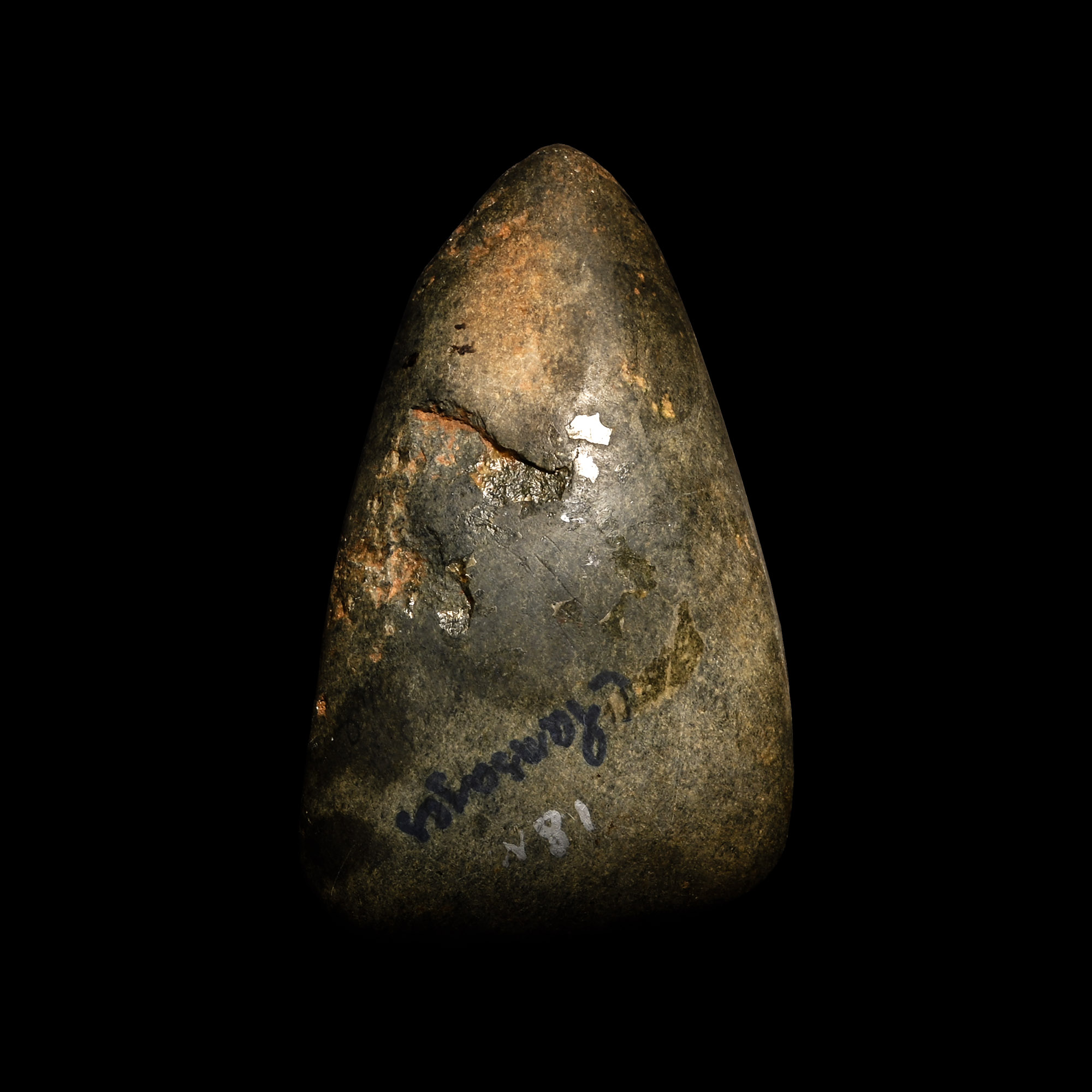
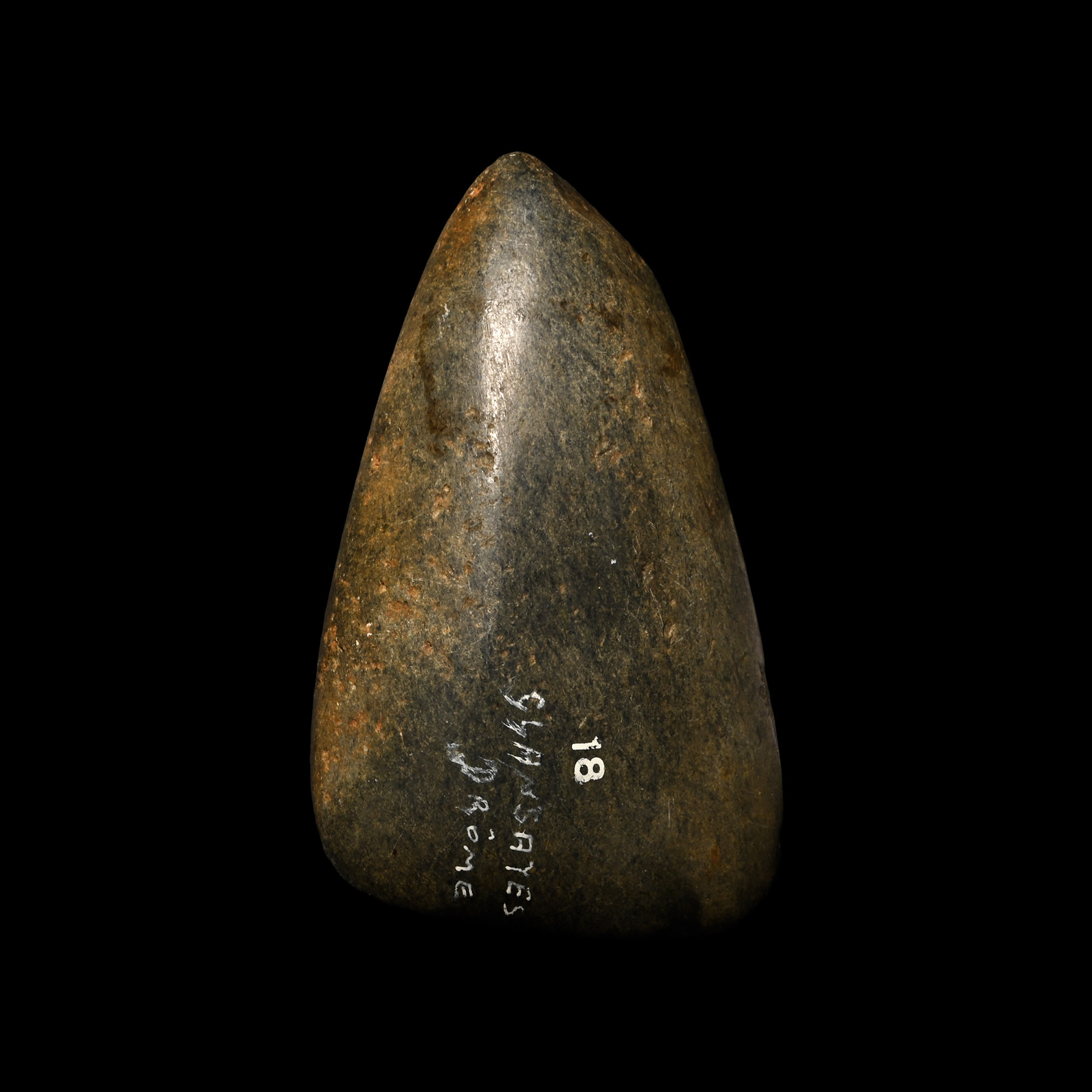
French Stone Age Green Stone Polished Axe Head
NEOLITHIC PERIOD, CIRCA 6000 B.P.
2 3/4 in. (92 grams, 69 mm).
With broad cutting edge and pointed butt; inked findspot '18 Clansayes Drome'. [No Reserve]
ProvenanceFrom Clansayes, Drome, France.
From a collection acquired at Bonhams in the 2020s.
TimeLine Auctions follows a vetting process to ensure the authenticity and legality of all items, reinforcing our commitment to integrity and responsible trading. Each antiquity, antique, and coin lot undergoes thorough examination by a vetting committee of at least ten external specialists, professional trade association members, scientists, and archaeologists: Our Vetting Process
AUCTIONS:
TimeLine is a leading auction house specialising in antiquities, ancient art, collectables, natural history, coins, medals, and books. Our auctions offer museums, collectors, historians, and enthusiasts the opportunity to acquire unique and historically significant pieces.
-
.jpg)
Stone Age Tenerian Saharan Knapped Flint Blade Core
Neolithic Period, circa 6000 B.P.Sold for (Inc. bp): £26
Rectangular in plan and wedge-shaped in section, with fluted surface showing removal of worked flakes. 173 grams, 83.77 mm
Ex old German collection formed in the 1970s. Acquired on the European art market. -
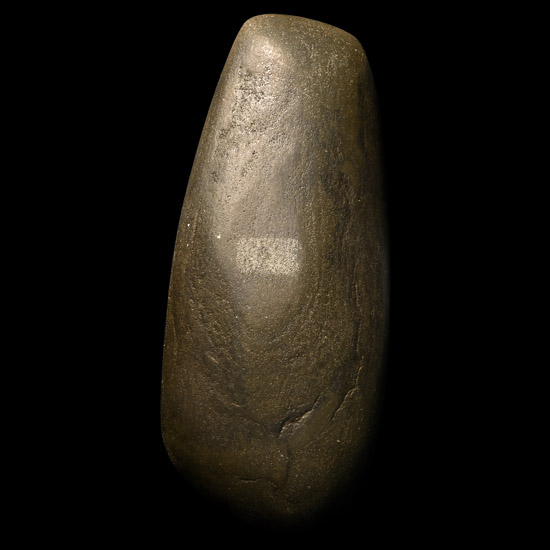
British Stone Age Polished Green Tuff Axe Head
Neolithic Period, circa 6000 B.P.Sold for (Inc. bp): £85
Tongue-shaped in plan and plano-convex in profile; fine polished finish. 255 grams, 13.2 cm
Found by Mr David near Ravenglass on the beach in the 1990s. Acquired on the UK art market. From a private collection in the 2020s. -
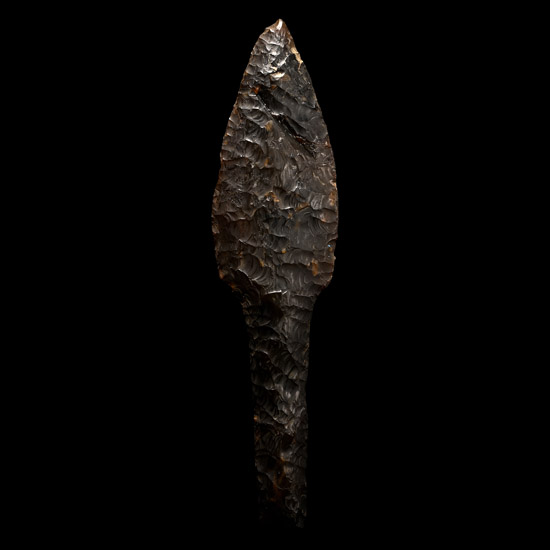
Scandinavian Type VIB Knapped Flint Dagger
Early Bronze Age, circa 1800 B.C.Sold for (Inc. bp): £260
With lentoid-section shank, leaf-shaped blade; repaired. 58.4 grams, 16.2 cm
From as European collection formed after 1968. From the private collection of a North Somerset, UK, gentleman collector.
