
Loading, please wait...
LOT 2033
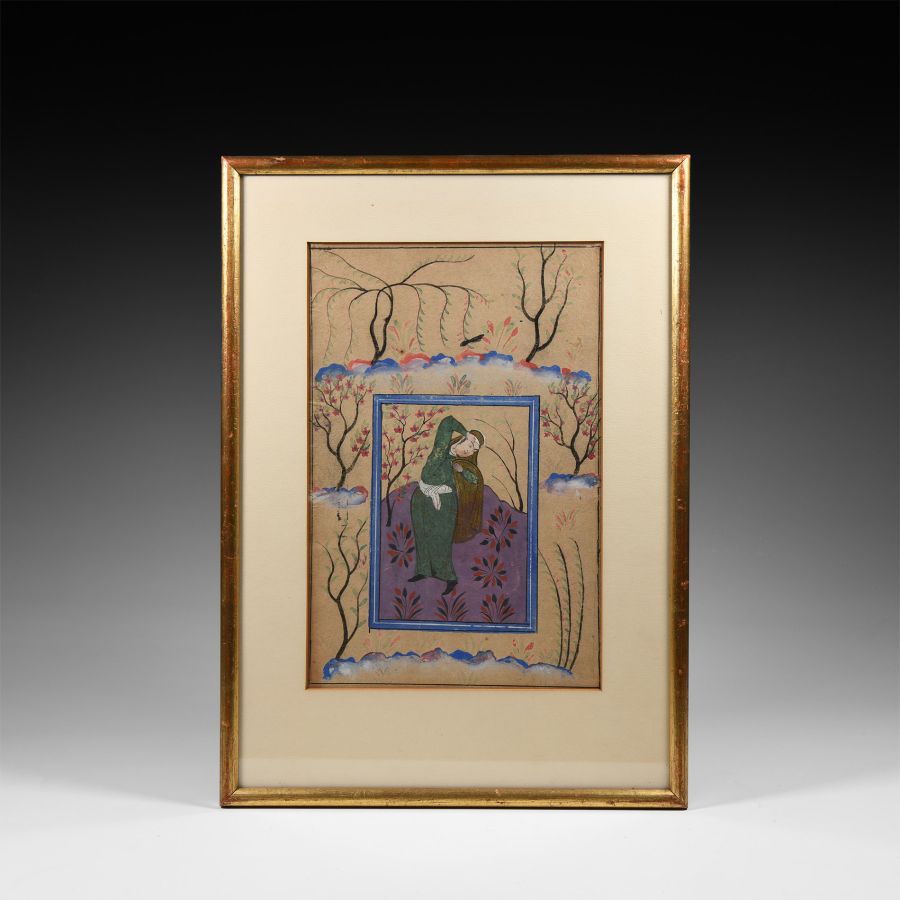
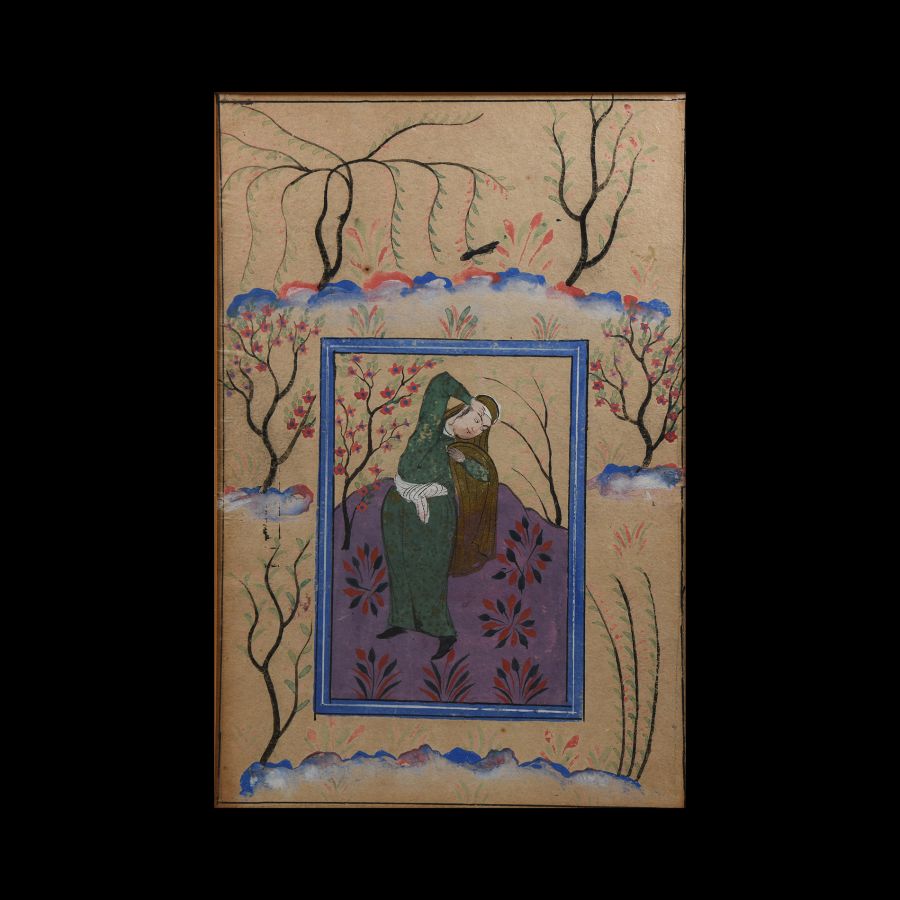
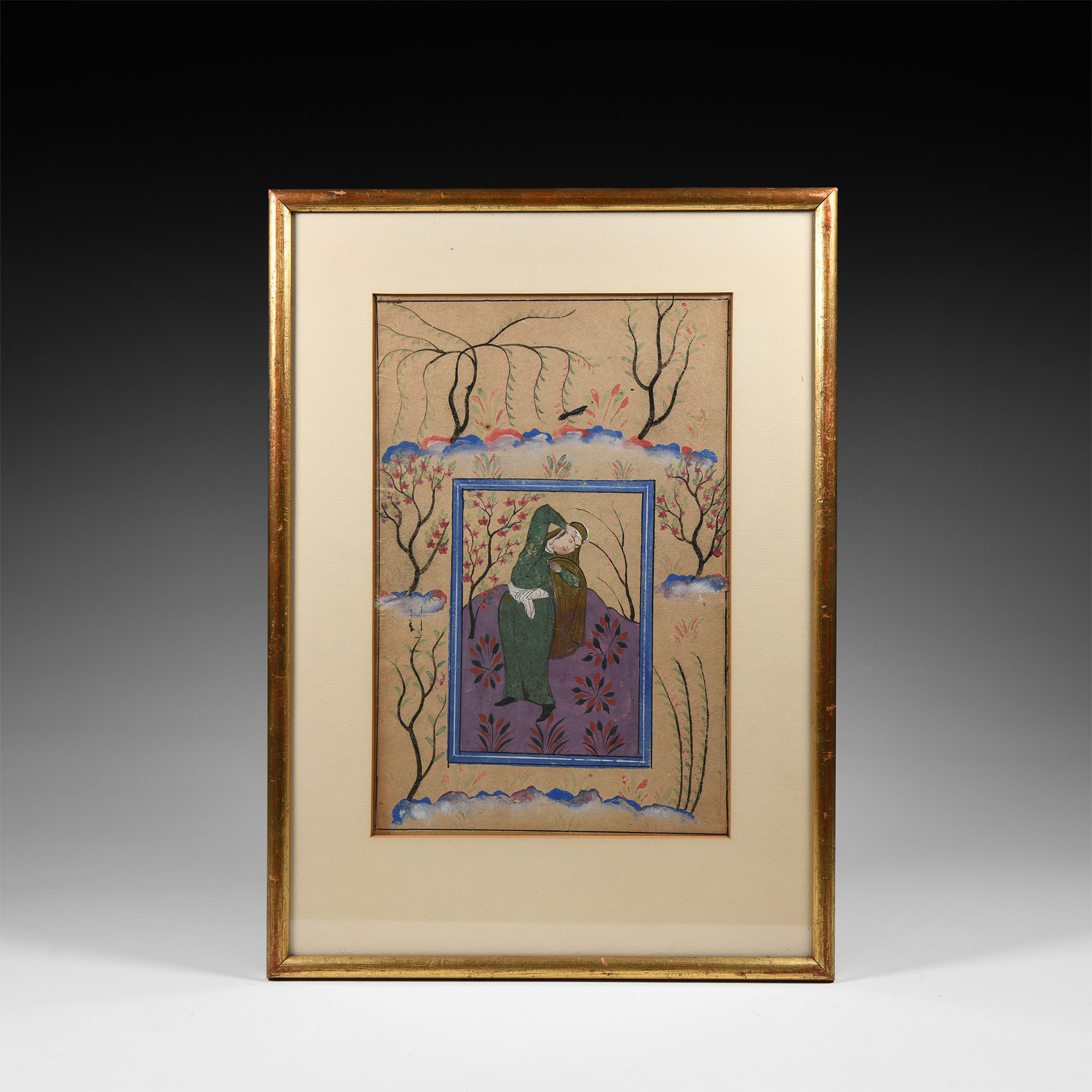
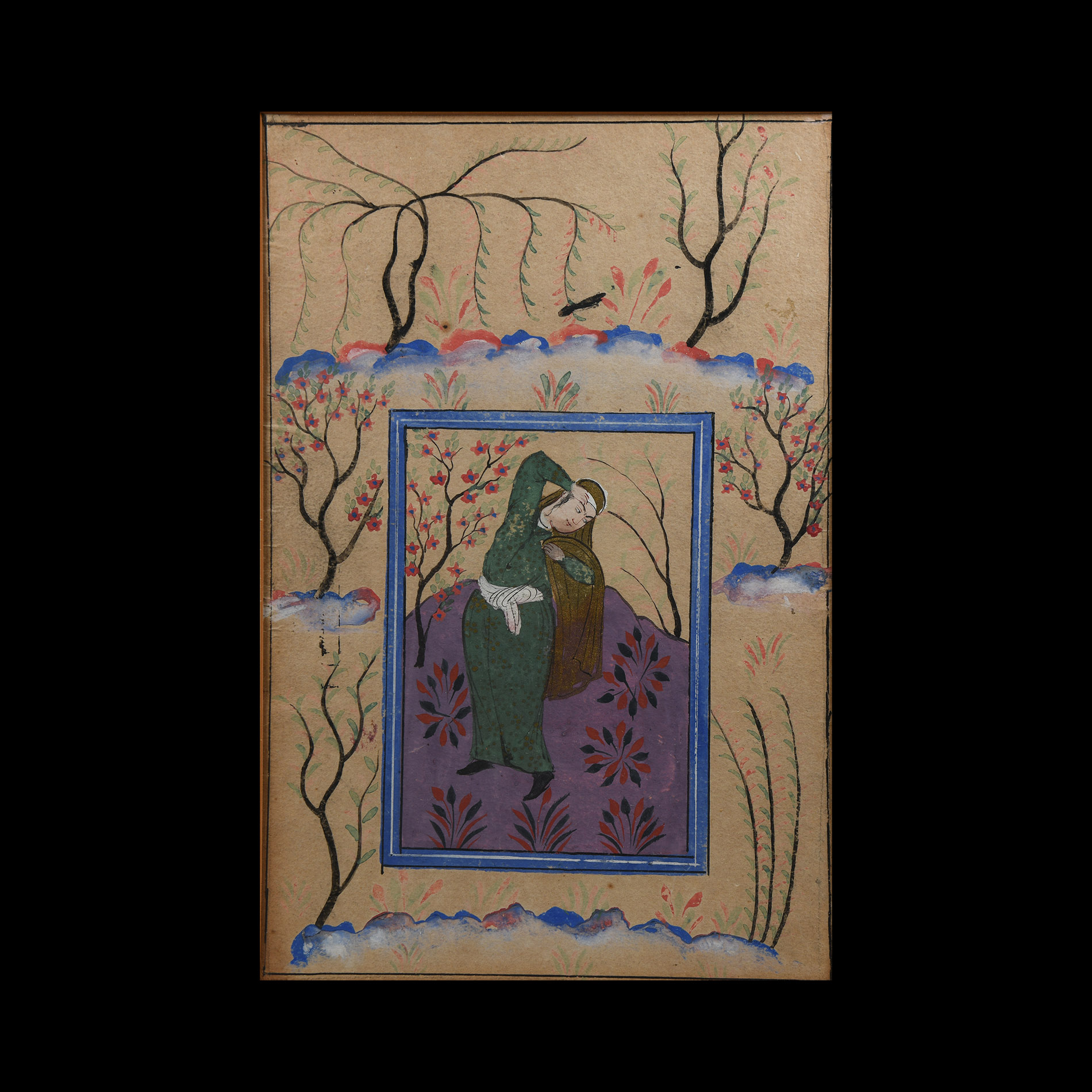
Framed Watercolour Painting
PERSIA, LATE 19TH-20TH CENTURY A.D.
17 1/8 x 12 1/4 in. (904 grams, 43.5 x 31.2 cm).
Showing a female figure in a stylised landscape within a blue and white frame, itself set in a larger landscape composed of wispy flowering trees and sparse bushes; mounted in a reveal and a glazed wooden frame.
ProvenanceAcquired on the UK art market, 1980s-1990s.
The Woodbridge collection of Indo-Persian art.
TimeLine Auctions follows a vetting process to ensure the authenticity and legality of all items, reinforcing our commitment to integrity and responsible trading. Each antiquity, antique, and coin lot undergoes thorough examination by a vetting committee of at least ten external specialists, professional trade association members, scientists, and archaeologists: Our Vetting Process
AUCTIONS:
TimeLine is a leading auction house specialising in antiquities, ancient art, collectables, natural history, coins, medals, and books. Our auctions offer museums, collectors, historians, and enthusiasts the opportunity to acquire unique and historically significant pieces.
LOT 2033
Framed Watercolour Painting
Estimate £80 - 100€93 - 116 (for guidance only)$108 - 135 (for guidance only)
-
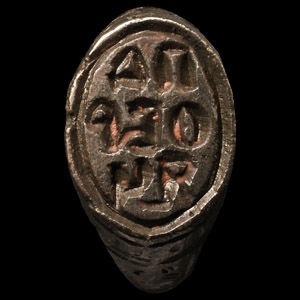
Post Medieval Inscribed Bronze Signet Ring
Circa 17th century A.D.Sold for (Inc. bp): £33
The hoop expanding at the shoulders to an oval bezel, ornamental dashing to the shoulders and inscription over three lines to the bezel. 5.33 grams, 22.39 mm overall, 18.30 mm internal diameter (approximate size British Q, USA 8, Europe 17.49, Japan 16)
Private collection formed since the 1940s. UK art market. Property of an Essex gentleman. -
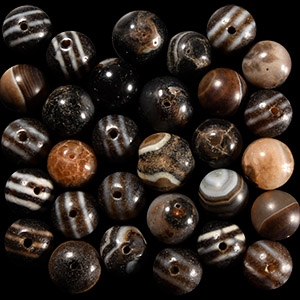
Agate and Other Necklace Bead Group
20th century A.D.Sold for (Inc. bp): £111
Comprising banded agate spheres displaying various colours, and petrified wood Pumtek beads; drilled for suspension. 248 grams total, 17-18 mm
UK gallery, early 2000s. -
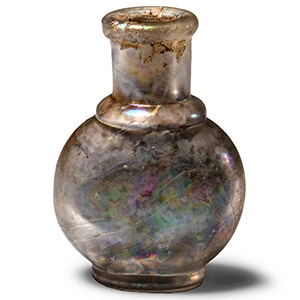
Post Medieval Glass Perfume Bottle
17th-18th century A.D.Sold for (Inc. bp): £39
Of miniature size with a flask-shaped body; iridescent surfaces. 12.1 grams, 35 mm high
Acquired 1960s-1990s. Late Alison Barker collection, a retired London barrister.
