
Loading, please wait...
LOT 2870
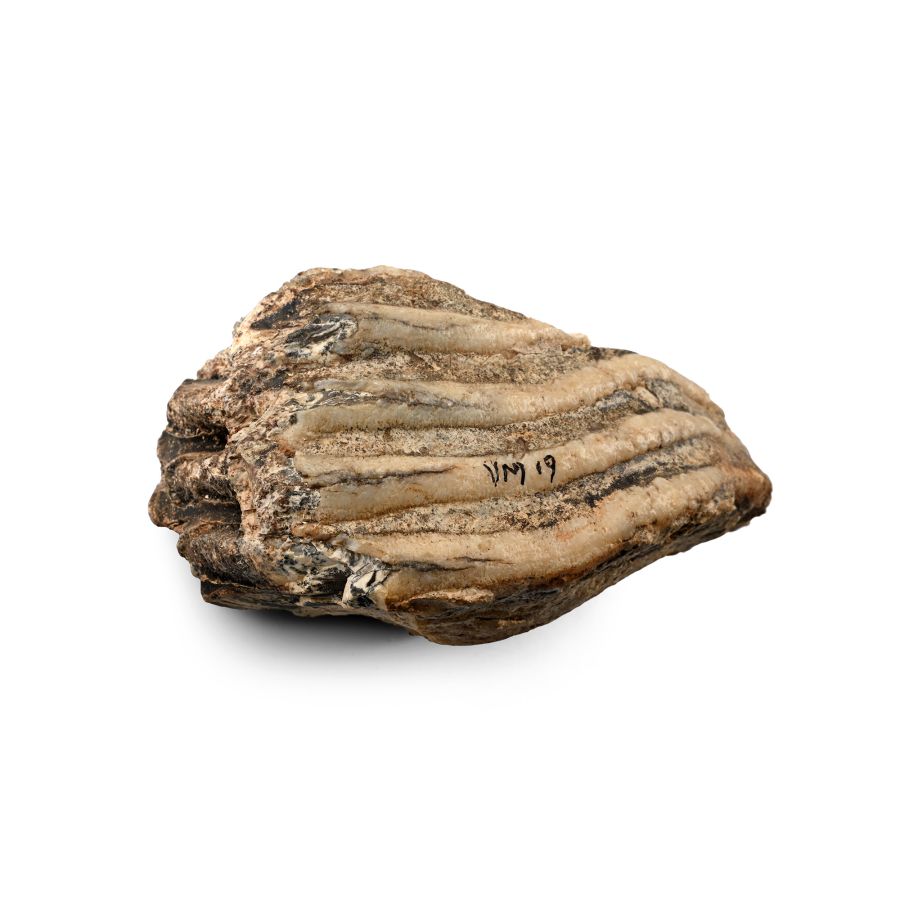
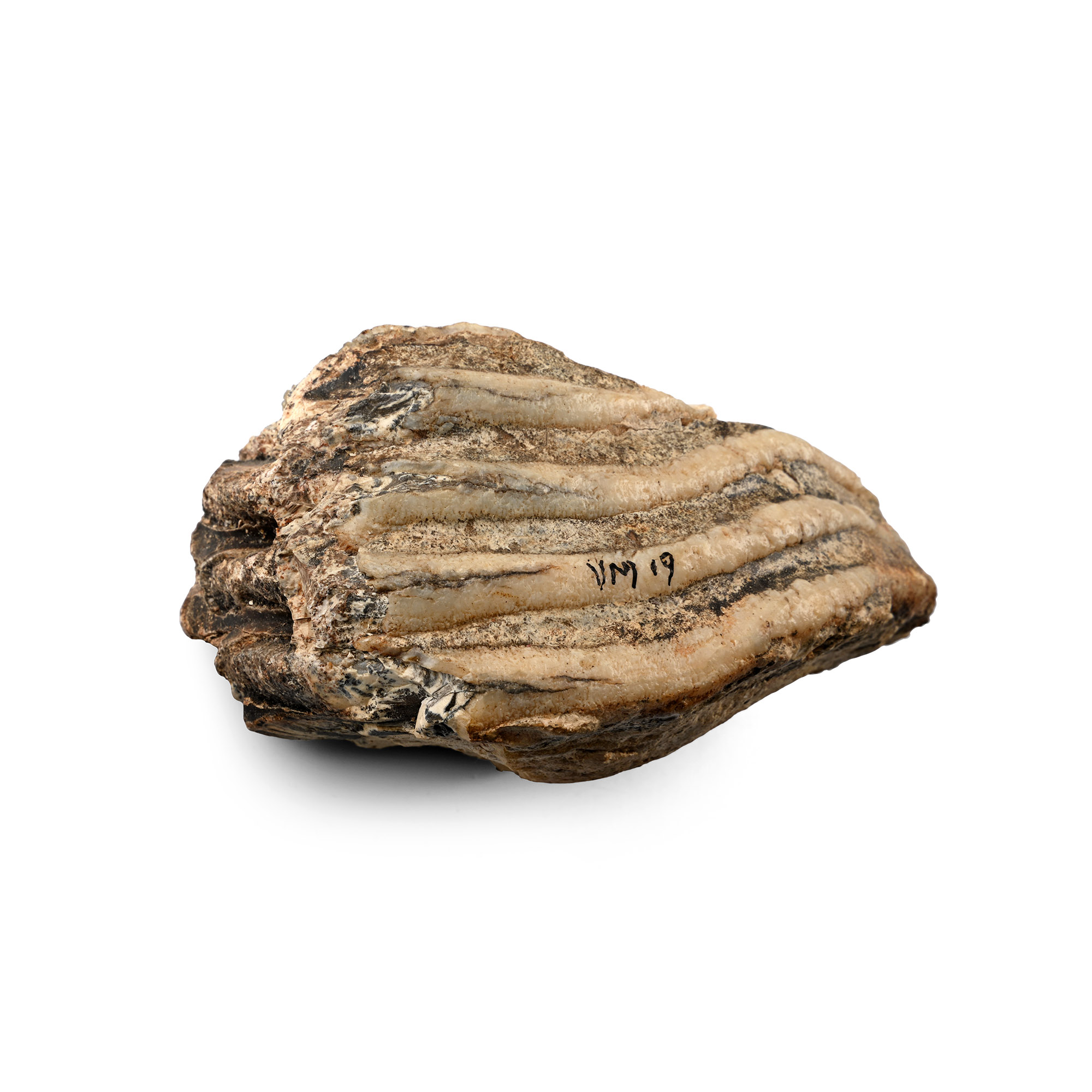
Fossil Woolly Mammoth Molar Tooth
DEVENSIAN PERIOD, 110,000-12,000 YEARS B.P.
5 1/4 in. (600 grams, 13.2 cm).
From Mammuthus Primigenius, inked collector's note 'VM19' to one side. [No Reserve]
ProvenanceFrom Asland, Montana, USA.
From the private collection of Kenneth Machin (1936-2020), Buckinghamshire, UK; his collection of antiquities and natural history was formed since 1948; thence by descent.
TimeLine Auctions follows a vetting process to ensure the authenticity and legality of all items, reinforcing our commitment to integrity and responsible trading. Each antiquity, antique, and coin lot undergoes thorough examination by a vetting committee of at least ten external specialists, professional trade association members, scientists, and archaeologists: Our Vetting Process
AUCTIONS:
TimeLine is a leading auction house specialising in antiquities, ancient art, collectables, natural history, coins, medals, and books. Our auctions offer museums, collectors, historians, and enthusiasts the opportunity to acquire unique and historically significant pieces.
-
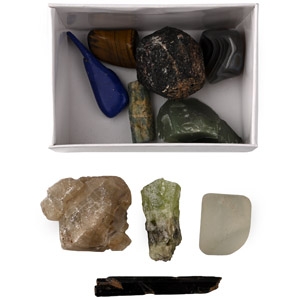
Crystal and Mineral Display Specimen Collection
Sold for (Inc. bp): £20
Comprising: tiger's eye, tourmaline, almandine garnet, agate, sodalite, topaz, and others. 250 grams total, 24-61 mm
Property of a North West London, UK, lady. -
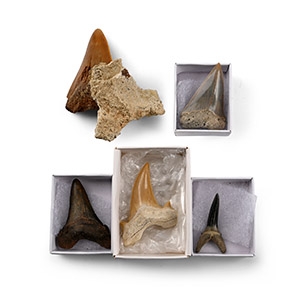
Extinct Shark's Tooth Collection
Eocene Period, circa 58-36 million years B.P.Sold for (Inc. bp): £72
Comprising a Megalodon tooth in matrix, Carcharocles megalodon with good enamel and serrations from Aurora, North Carolina, USA; Isurus hastalis from Tremblor Formation, Sharktooth Hill, Kern County, California, USA; specimens 135 and 137 from Striatolamia sp. from the Pungo River Formation, Aurora, North Carolina, USA; specimen 127: Otodus obliquus from Khourigha, Morocco, North Africa. 164 grams total, 47-97 mm
From the private collection of Kenneth Machin (1936-2020), Buckinghamshire, UK; his collection of antiquities and natural history was formed since 1948; thence by descent. -
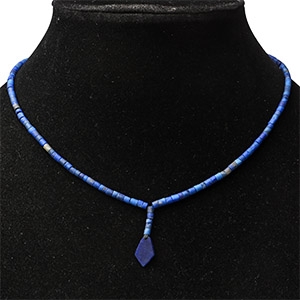
Lapis Lazuli Bead Necklace String
Sold for (Inc. bp): £26
Composed of small cylindrical beads, central feature a lozenge-shaped pendant; restrung. 5.4 grams, 31.5 cm
From the London, UK, art market in the 1990s.
