
Loading, please wait...
LOT 2434
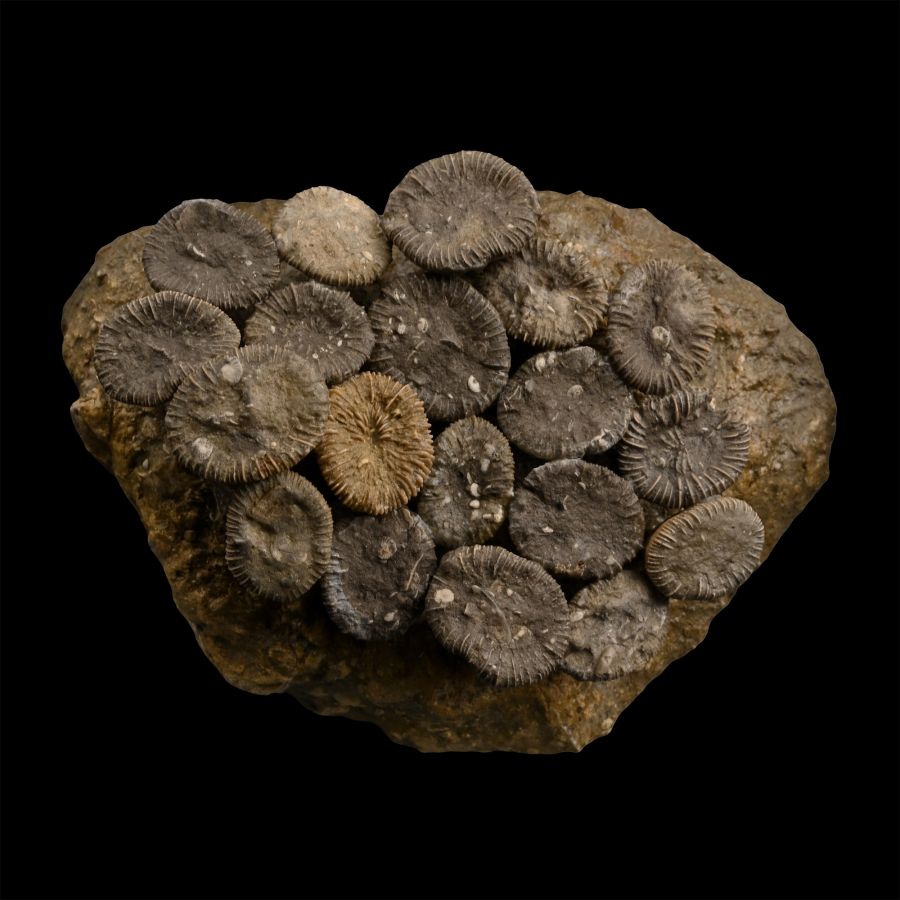
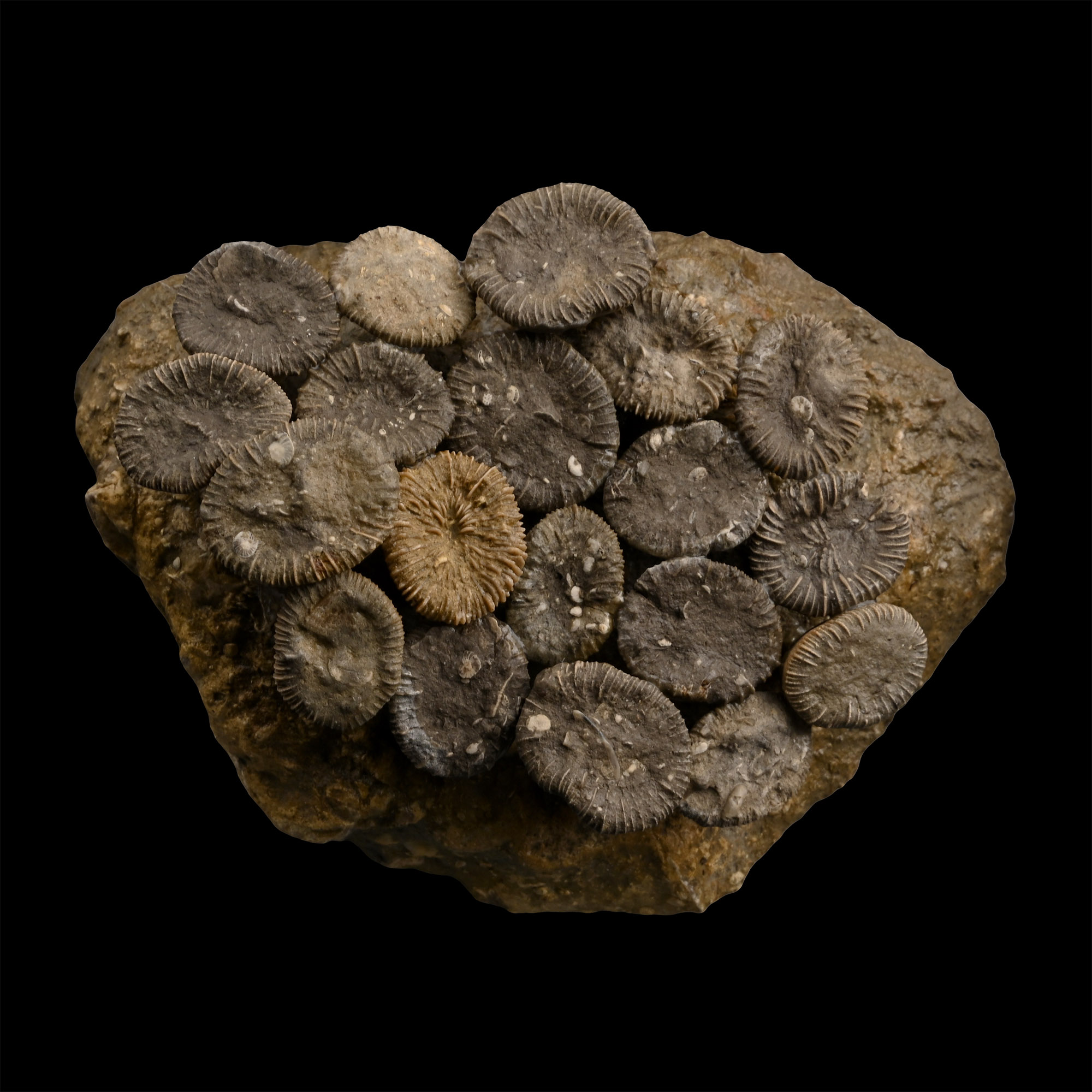
Fossil Trochocyathus Coral Colony Display
CENOZOIC ERA, CIRCA 56-52 MILLION YEARS B.P.
3 5/8 in. (270 grams total, 92 mm).
A reconstructed cluster of Trochocyathus sp. coral specimens arranged on a matrix; held in a collector's display case. [No Reserve]
ProvenanceFrom Lleida, Spain.
From a Cambridgeshire, UK, collection.
TimeLine Auctions follows a vetting process to ensure the authenticity and legality of all items, reinforcing our commitment to integrity and responsible trading. Each antiquity, antique, and coin lot undergoes thorough examination by a vetting committee of at least ten external specialists, professional trade association members, scientists, and archaeologists: Our Vetting Process
AUCTIONS:
TimeLine is a leading auction house specialising in antiquities, ancient art, collectables, natural history, coins, medals, and books. Our auctions offer museums, collectors, historians, and enthusiasts the opportunity to acquire unique and historically significant pieces.
-
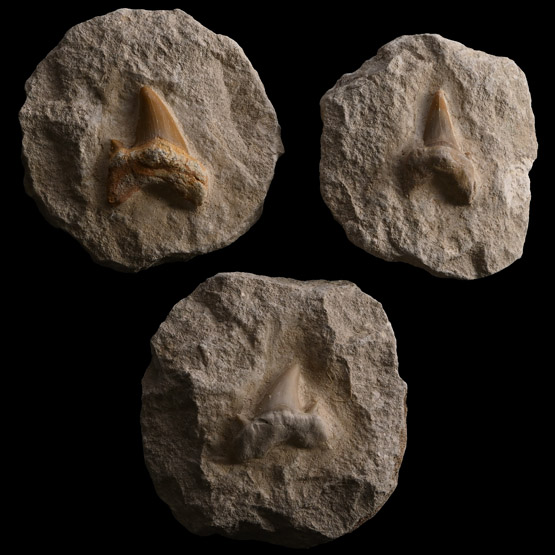
Fossil Otodus Obliquus Shark Tooth Group
Eocene Period, circa 56-33 million years B.P.Sold for (Inc. bp): £13
Comprising three tooth specimens, each set on a sandstone matrix. 727 grams total, 77-85 mm
From a Cambridgeshire, UK, collection. -
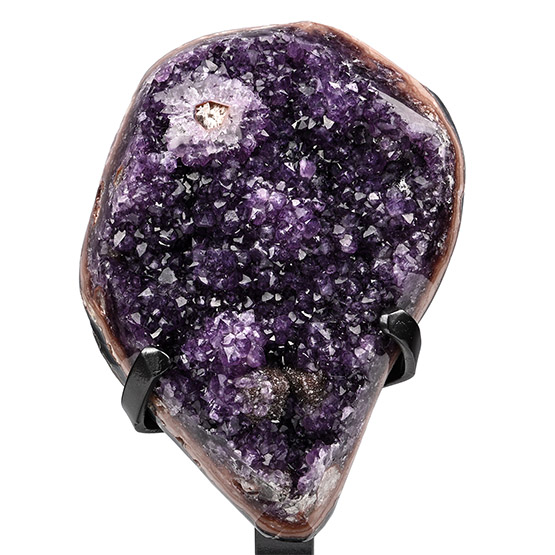
Teardrop-Shaped Amethyst Crystal Geode Display
Cretaceous Period, circa 120-140 million years B.P.Estimate: £1,200 - 1,700 (+bp*)
Opening Bid: £600
The inner surface lined with vibrant dark purple amethyst crystals, and an area of brown-orange druze quartz, the polished edges of the geode displaying vibrant banding; mounted on a custom-made display stand. 4.14 kg, 20 x 16 x 10 cm, 29 cm including stand
From Artigas, Uruguay. Property of a London lady. -
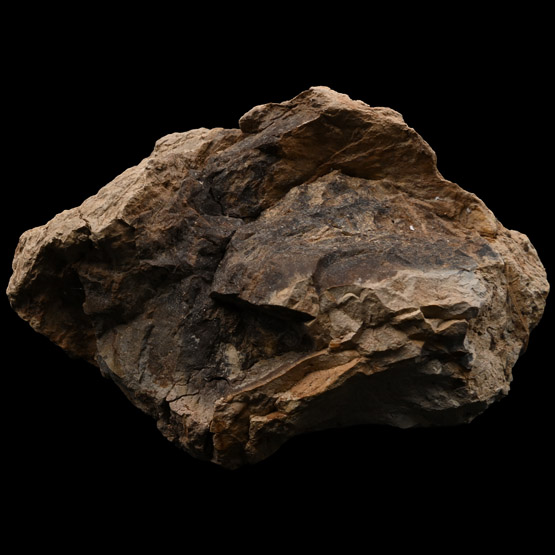
Fossil Tyrannosarus Rex Dinosaur Coprolite
Late Cretaceous Period, circa 70-66.5 million years B.P.Sold for (Inc. bp): £85
An irregular mass of fossilised dung. 105 grams, 67 mm
From a Lincolnshire, UK, collection.
