
Loading, please wait...
LOT 2474
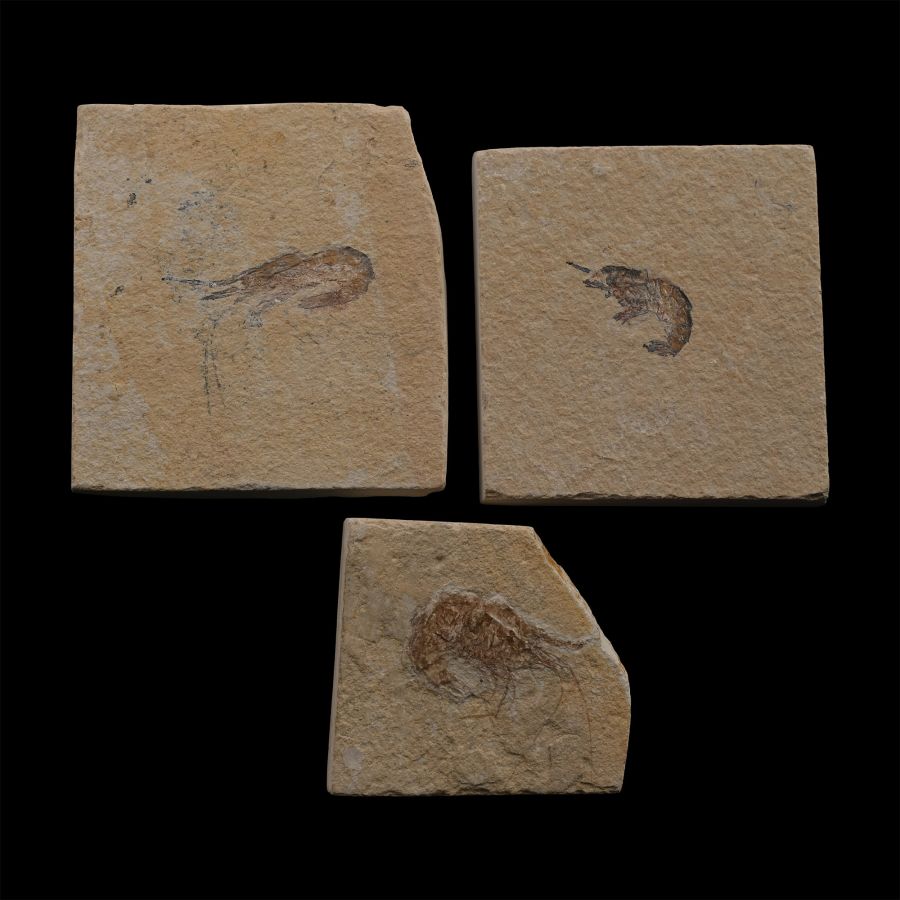
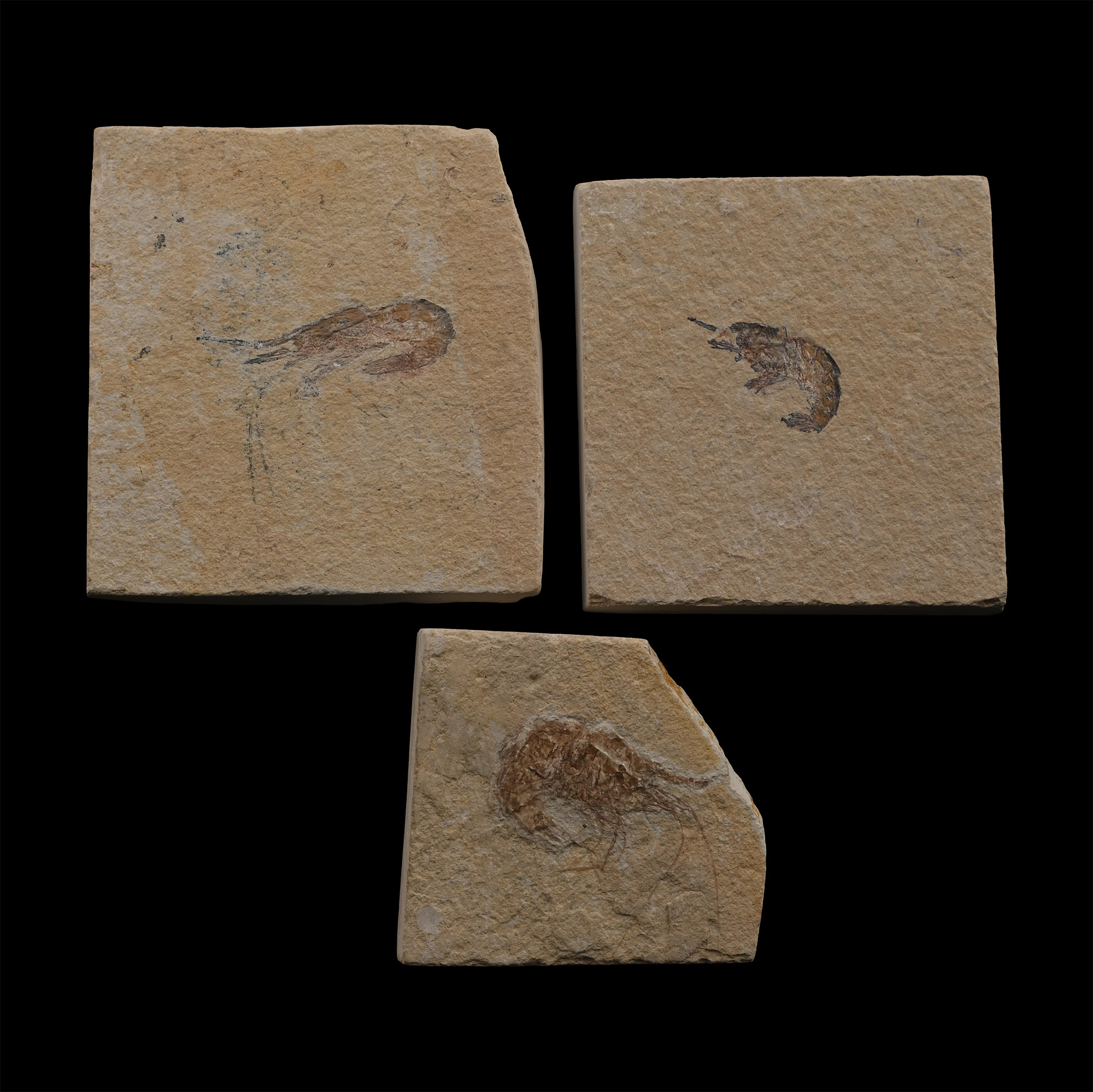
Fossil Shrimp Group
CRETACEOUS PERIOD, CIRCA 110 MILLION YEARS B.P.
2 1/4 - 3 1/4 in. (295 grams total, 59-82 mm).
Comprising three matrices, each with a Carpopenaeus sp. specimen. [3, No Reserve]
ProvenanceFrom Lebanon.
From a Lincolnshire, UK, collection.
TimeLine Auctions follows a vetting process to ensure the authenticity and legality of all items, reinforcing our commitment to integrity and responsible trading. Each antiquity, antique, and coin lot undergoes thorough examination by a vetting committee of at least ten external specialists, professional trade association members, scientists, and archaeologists: Our Vetting Process
AUCTIONS:
TimeLine is a leading auction house specialising in antiquities, ancient art, collectables, natural history, coins, medals, and books. Our auctions offer museums, collectors, historians, and enthusiasts the opportunity to acquire unique and historically significant pieces.
-
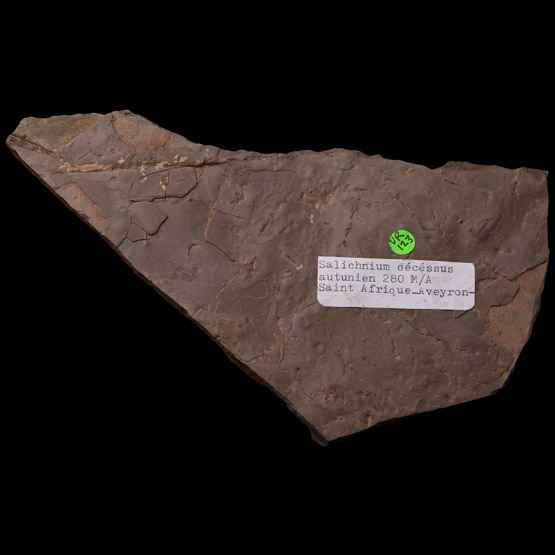
Reptile Footprints in Matrix
Permian Period, circa 299-298 million years B.P.Sold for (Inc. bp): £85
The matrix containing three Salichnium decessus type fossilised amphibian footprints; an information sticker on the reverse. 227 grams, 18 cm
From Saint Afrique, Aueyron, France. From the private collection of Kenneth Machin (1936-2020), Buckinghamshire, UK; his collection of antiquities and natural history was formed since 1948; thence by descent. -
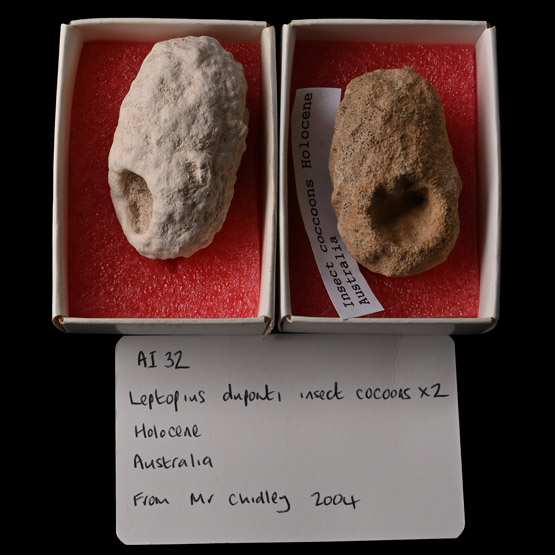
Australian Fossil Insect Cocoon Pair
Holocene Period, from 11,700 B.P.Sold for (Inc. bp): £20
Two insect cocoons from Leptopius duponti, each with a characteristic opening. 121 grams total, 53-57 mm
From Australia. From the private collection of Kenneth Machin (1936-2020), Buckinghamshire, UK; his collection of antiquities and natural history was formed since 1948; thence by descent. -
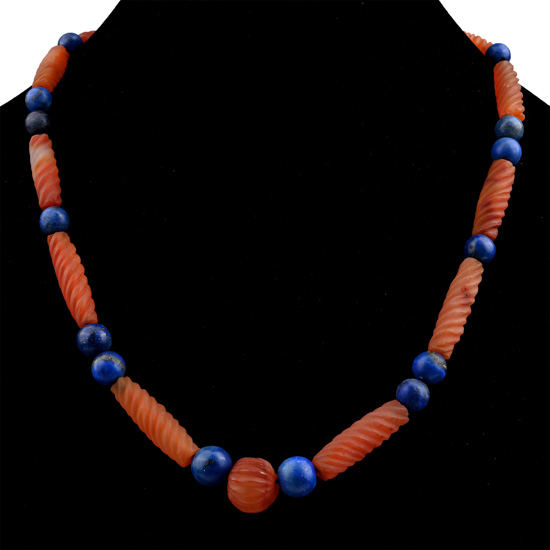
Bactrian Style Lapis Lazuli and Other Stone and Glass Bead Necklace String
20th century A.D.Sold for (Inc. bp): £13
Composed of spherical beads interspersed with glass barleytwist beads, and a large melon bead at the centre; restrung. 67 grams, 49 cm
From London, UK, gallery collection, 1990s.
