
Loading, please wait...
LOT 2827
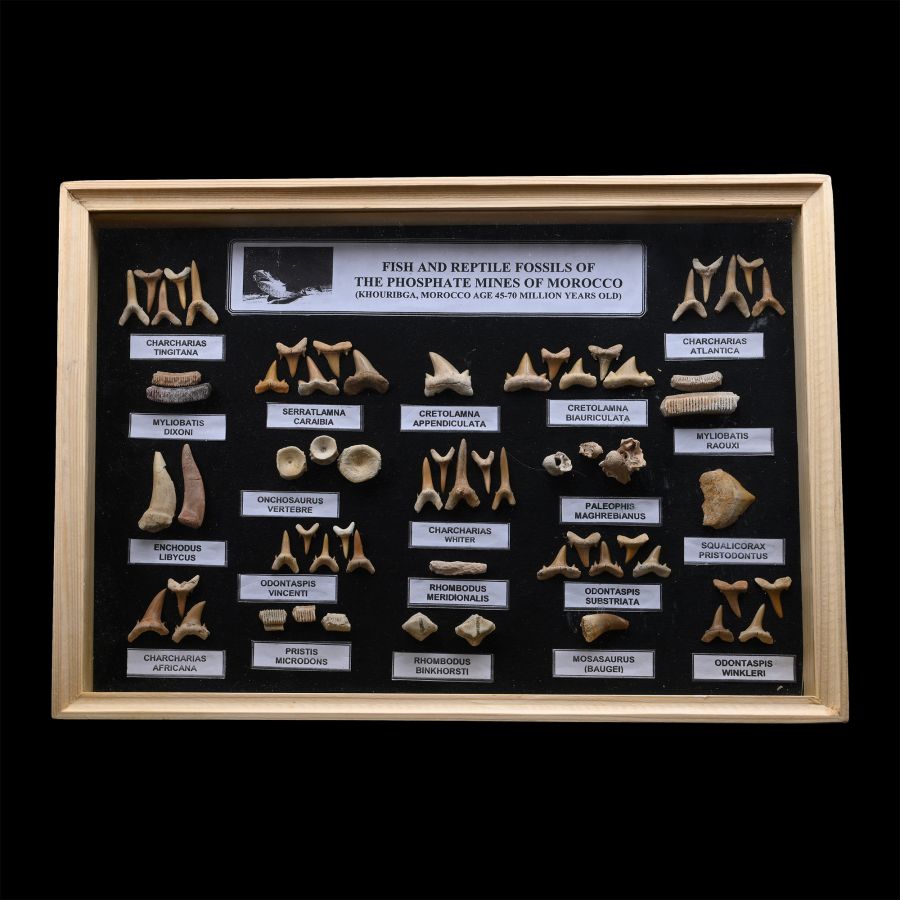
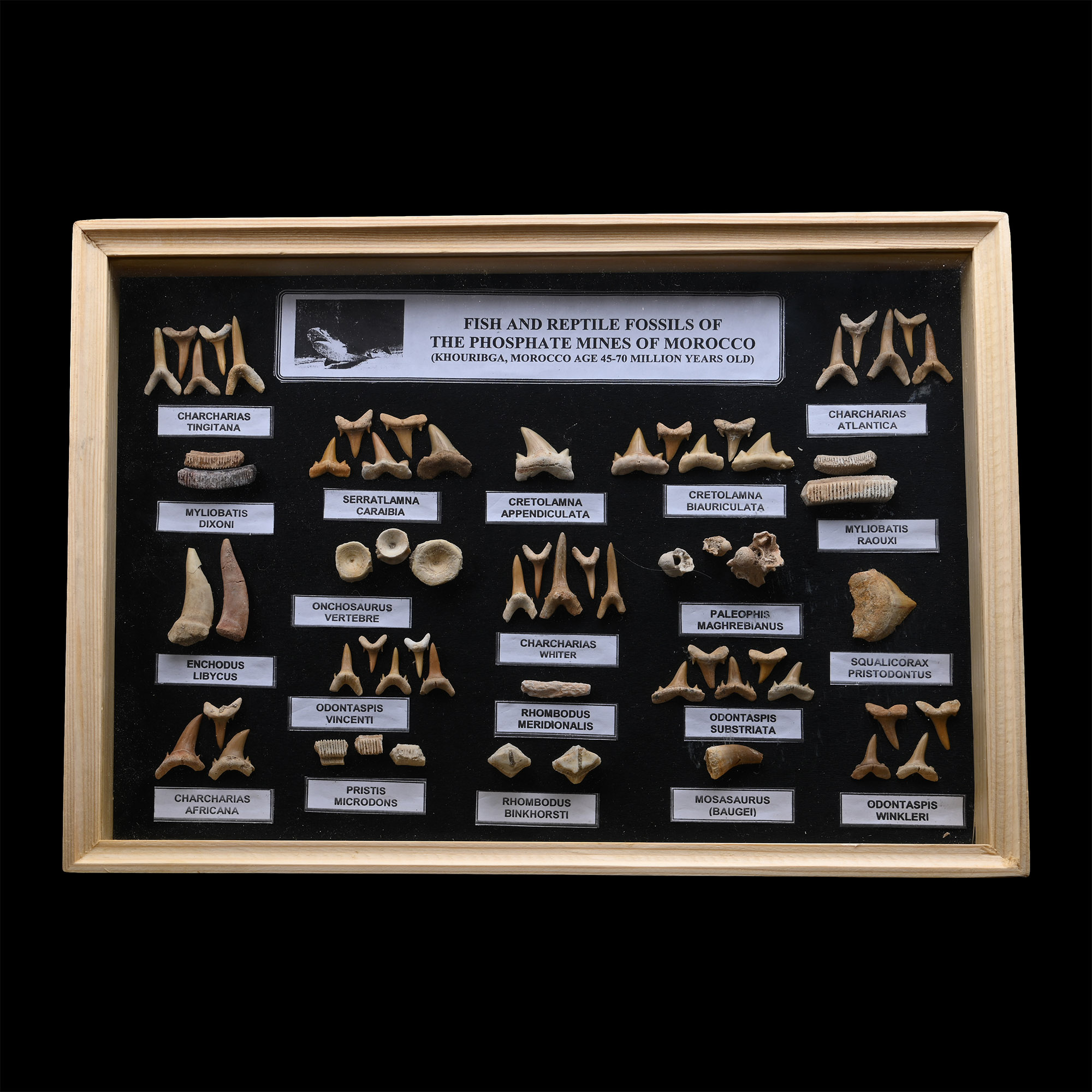
Fossil Shark Tooth Display Case
CRETACEOUS-EOCENE PERIOD, CIRCA 70-45 MILLION YEARS B.P.
9 5/8 x 13 1/2 in. (950 grams, 24.4 x 34.4 cm).
A glazed display case with mounted specimens of various teeth, vertebrae and ray palates, with identifying labels. [No Reserve]
ProvenanceFrom a Cambridgeshire, UK, collection.
CONDITIONTimeLine Auctions follows a vetting process to ensure the authenticity and legality of all items, reinforcing our commitment to integrity and responsible trading. Each antiquity, antique, and coin lot undergoes thorough examination by a vetting committee of at least ten external specialists, professional trade association members, scientists, and archaeologists: Our Vetting Process
AUCTIONS:
TimeLine is a leading auction house specialising in antiquities, ancient art, collectables, natural history, coins, medals, and books. Our auctions offer museums, collectors, historians, and enthusiasts the opportunity to acquire unique and historically significant pieces.
-
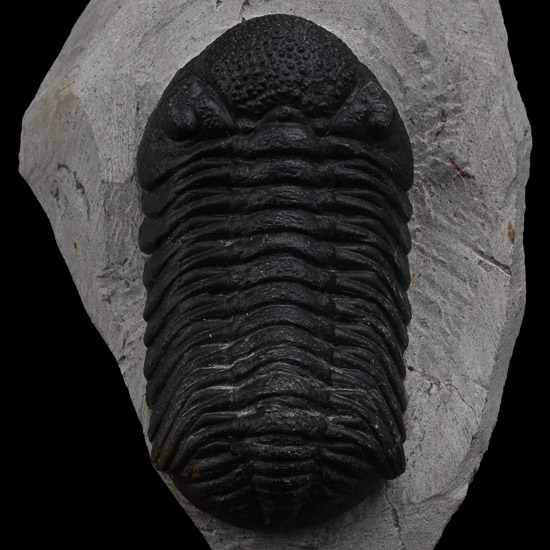
Fossil Phacops Trilobite on Matrix
Devonian Period, circa 444-439 million years B.P.Sold for (Inc. bp): £46
The aquatic arthropod showing good detail in the carapace, resting on an irregular matrix. 302 grams, 11.3 cm
From Morocco, North Africa. From a Cambridgeshire, UK, collection. -
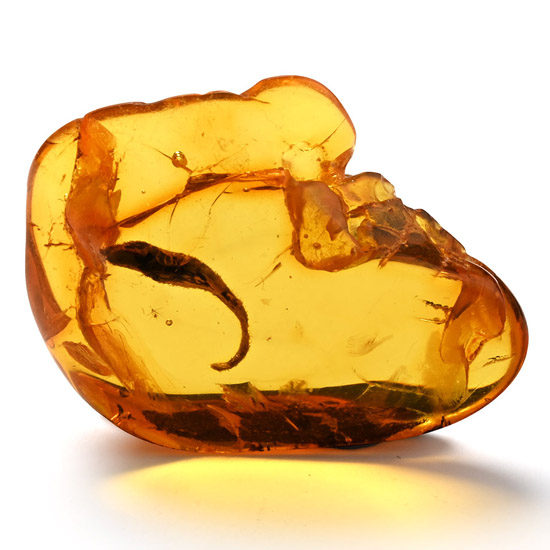
Polished Amber with Inclusion
Oligocene Period, circa 45 million years B.P.Sold for (Inc. bp): £91
Transparent polished specimen with an unidentified inclusion. 0.98 grams, 22 mm
From a Lincolnshire, UK, collection. -
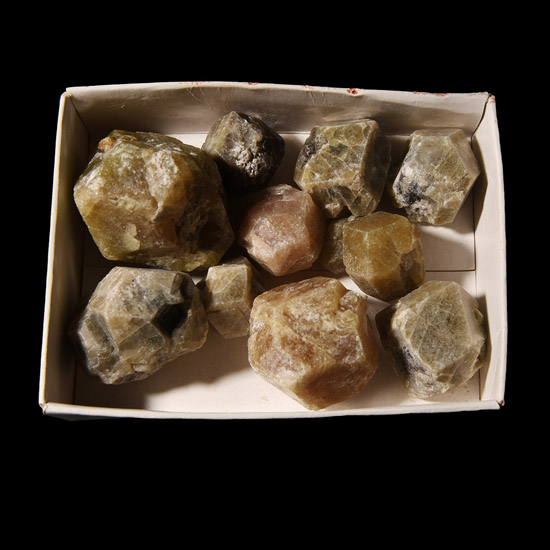
Group of Grossular Garnet Mineral Specimens
Sold for (Inc. bp): £26
A group of grossular garnet mineral specimens; held in a white card collector's tray. 314 grams total, 20-42 mm
Fine condition.
Mineral Imports, London, UK. Gregory, Bottley & Lloyd (Gregory's).
