
Loading, please wait...
_900x900.jpg "Fossil Sawfish Rostral Spine Group")
_200x200.jpg "Fossil Sawfish Rostral Spine Group")
.jpg "Fossil Sawfish Rostral Spine Group")
LOT 2833
Fossil Sawfish Rostral Spine Group
CRETACEOUS PERIOD, CIRCA 100-66 MILLION YEARS B.P.
2 - 2 1/8 in. (27 grams total including box, 50-55 mm).
From Onchopristus numidus sawfish. [2, No Reserve]
ProvenanceEx Cambridgeshire, UK, collection.
CONDITIONTimeLine Auctions follows a vetting process to ensure the authenticity and legality of all items, reinforcing our commitment to integrity and responsible trading. Each antiquity, antique, and coin lot undergoes thorough examination by a vetting committee of at least ten external specialists, professional trade association members, scientists, and archaeologists: Our Vetting Process
AUCTIONS:
TimeLine is a leading auction house specialising in antiquities, ancient art, collectables, natural history, coins, medals, and books. Our auctions offer museums, collectors, historians, and enthusiasts the opportunity to acquire unique and historically significant pieces.
-
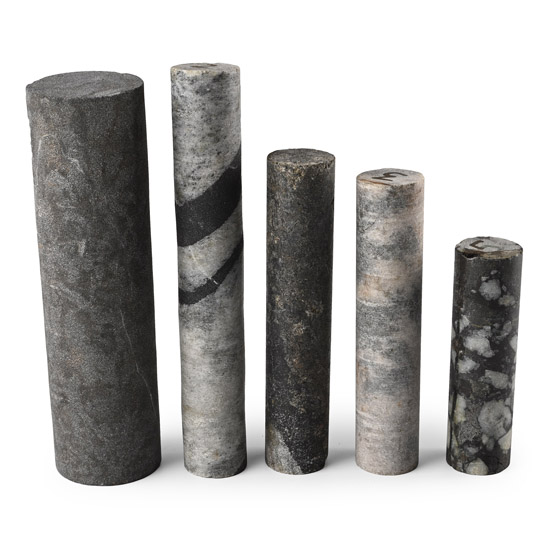
Granite Core Sample Mineral Display Specimen Group
Sold for (Inc. bp): £26
Comprising five different cylindrical core samples. 3.35 kg total. 11.5-20.5 cm
Ex property of a North West London, UK, lady. -
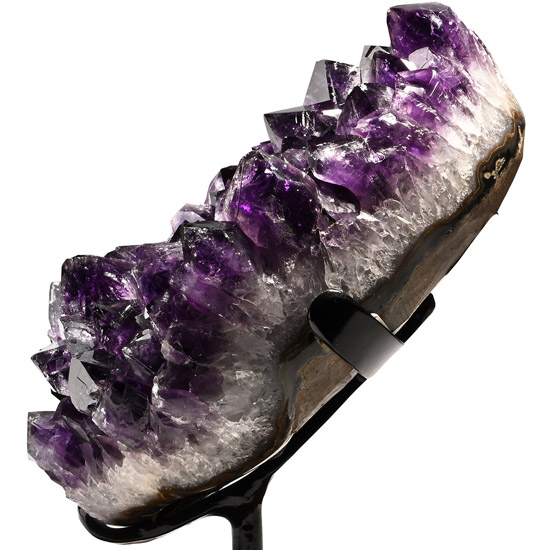
Mounted Amethyst Crystal Display
Sold for (Inc. bp): £1,040
A polished geode section lined with large well-formed prismatic amethyst crystals displaying deep purple colour; mounted on a custom-made wooden display stand. 2.95 kg total, 23.5 cm including stand
From Artigas, Uruguay. Property of a London lady. -
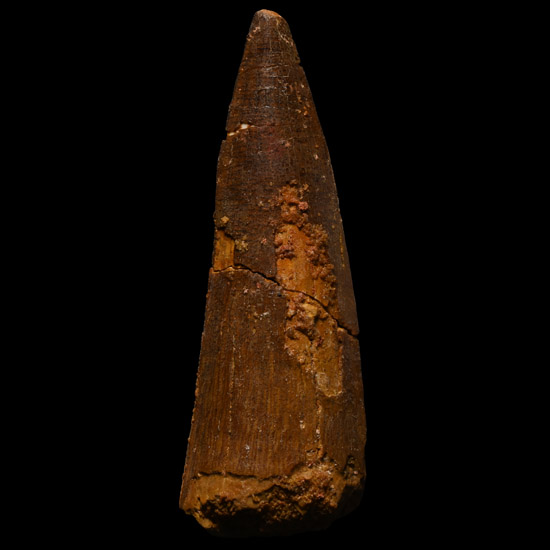
Large Spinosaurus Dinosaur Fossil Tooth
Cretaceous Period, circa 125-113 million years B.P.Sold for (Inc. bp): £39
Displaying deep brown patina, repaired. 18.86 grams, 63 mm
From Morocco, North Africa. From a Cambridgeshire, UK, collection.
The Spinosaurus was both a beachcomber type scavenger and an active hunter taking small stranded Plesiosaurs, Pterosaurs, turtles and large fish; adults weighed up to 21 tonnes and grew up to 18 meters long.
