
Loading, please wait...
LOT 2539
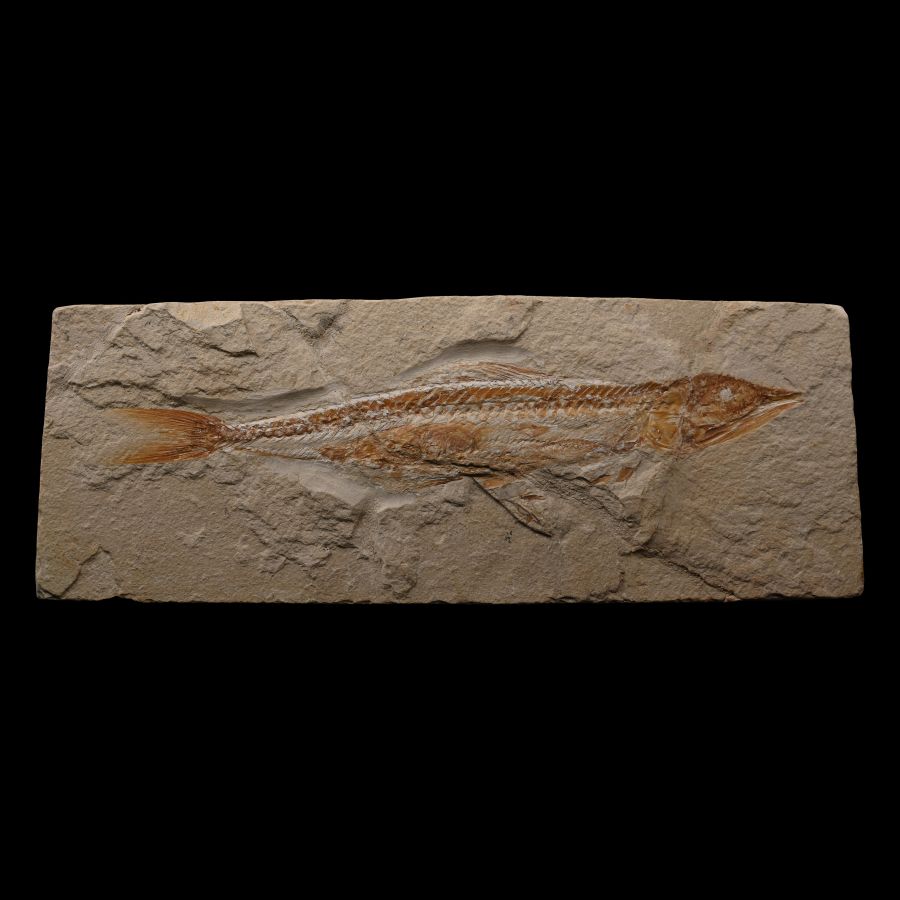
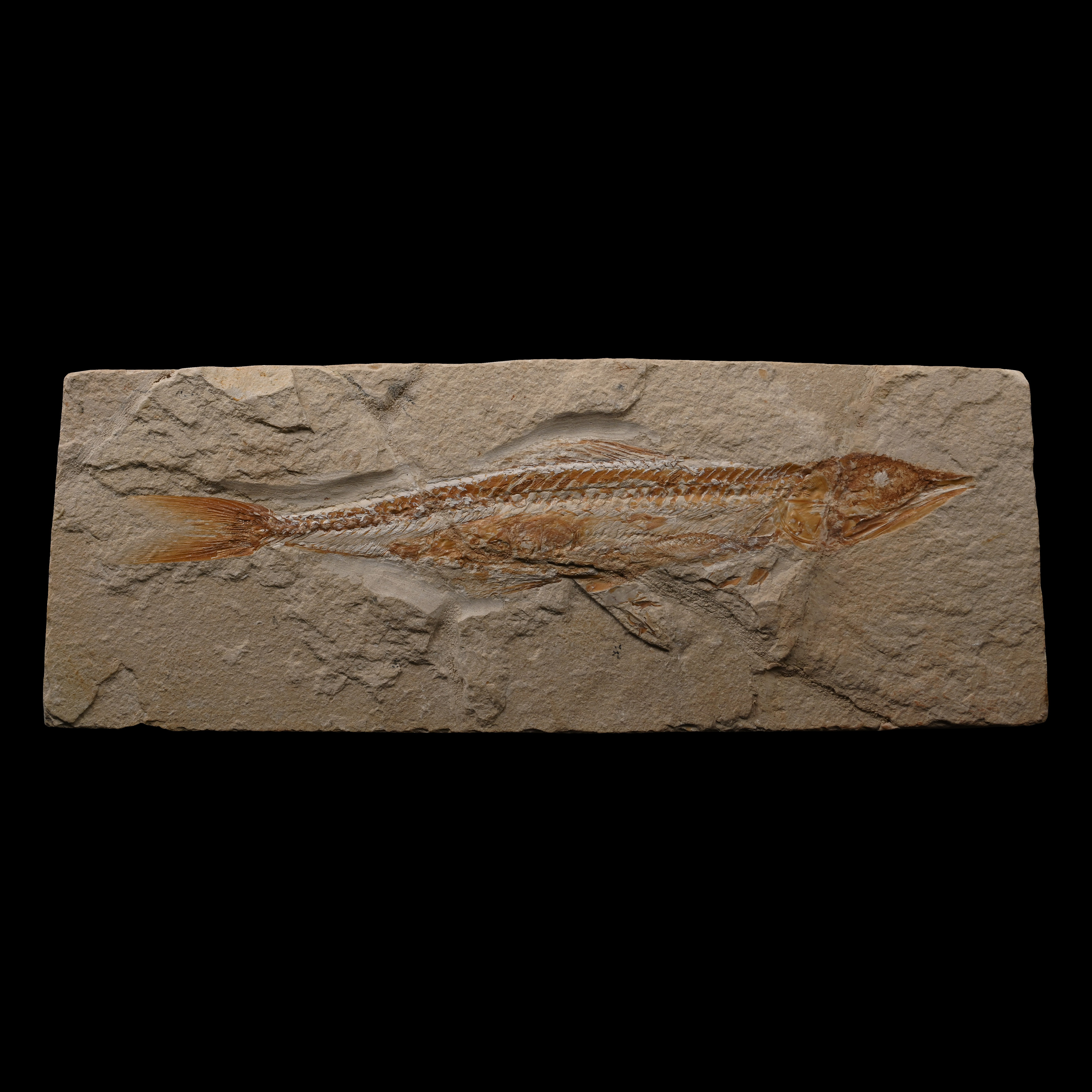
Fossil Prionolepis Fish
CRETACEOUS PERIOD, CIRCA 100 MILLION YEARS B.P.
8 5/8 in. (552 grams, 22 cm).
Middle-sized fish of slender shape, a pointed snout and a forked caudal fin; traces of its last meal, a whole fish, in its stomach.
ProvenanceFrom Lebanon.
From a Cambridgeshire, UK, collection.
TimeLine Auctions follows a vetting process to ensure the authenticity and legality of all items, reinforcing our commitment to integrity and responsible trading. Each antiquity, antique, and coin lot undergoes thorough examination by a vetting committee of at least ten external specialists, professional trade association members, scientists, and archaeologists: Our Vetting Process
AUCTIONS:
TimeLine is a leading auction house specialising in antiquities, ancient art, collectables, natural history, coins, medals, and books. Our auctions offer museums, collectors, historians, and enthusiasts the opportunity to acquire unique and historically significant pieces.
-
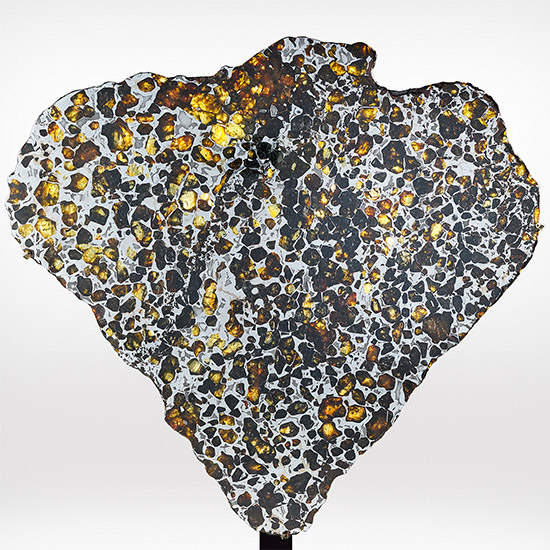
Seymchan Meteorite Cross-Section
Circa 4.5 billion years B.P.Sold for (Inc. bp): £8,450
A magnificent polished cross-section from the Seymchan pallasite meteorite, revealing the honeycomb-like structure characteristic of pallasites, with translucent olivine crystals embedded within iron-nickel crystals; accompanied by a custom-made display stand. 356 grams, 23.2 cm
Discovered in 1967, recovered from the bed of the river Hekandue in the Magadan District, Russia (62° 54’ N, 152° 26’ E).
The main mass of 272.3 kilograms was found during a survey in June 1967 by geologist F. A. Mednikov. The mass was a triangular-shaped thumb-printed meteorite lying among the stones of the brook bed. A second specimen of 51 kilograms was found with a mine detector at a distance of 20 meters from the first in October 1967 by I. H. Markov. During a new expedition in 2004, Dmitri Kachalin recovered about 50 kilograms of new material. Remarkably, about 20% of the new specimens were found to contain olivine crystals, and so revealed the silicate nature of the meteorite. The pallasitic structure was not previously discovered during studies on small metal-only sections of the original mass. The distortion of the Widmanstatten patterns is interpreted as shearing of the superheated meteorite as it broke up in the Earth's atmosphere. -
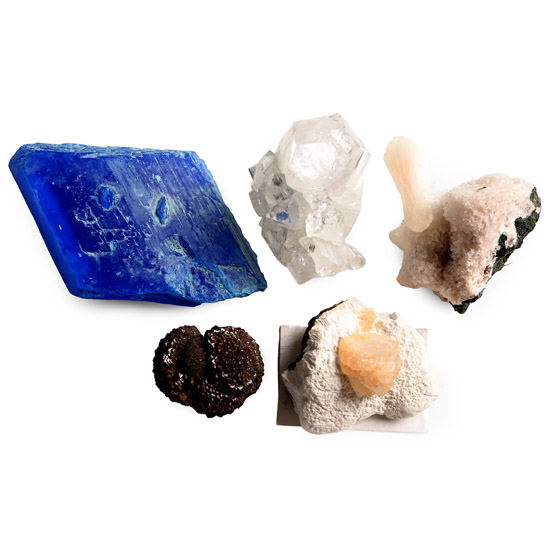
Mixed India and USA Crystal and Mineral Specimen Group
Sold for (Inc. bp): £20
Comprising: chalcanthite from Planet Mine, La Paz County, Arizona, USA; apophylite from Pune, Maharashtra, India; stilbite from Jalgaon District, Nashik Division, Maharashtra, India; pyrite from Ottawa, Franklin County, Kansas, USA; heulandite from India. 355 grams total, 3.7-10.3 cm
From the property of a Cornwall, UK, gentleman. -
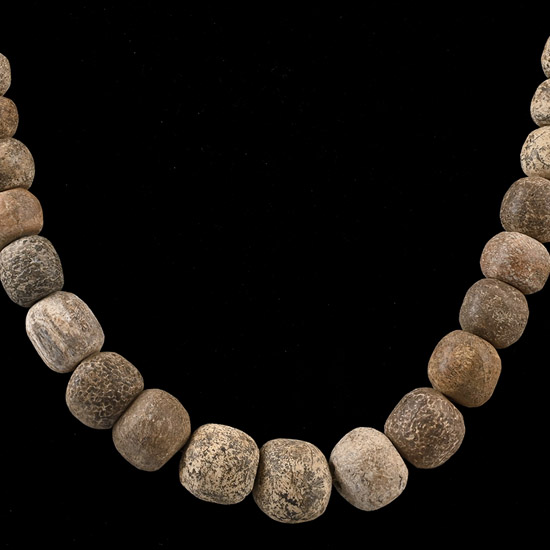
Woolly Mammoth Bone Bead Necklace String
Pleistocene Epoch, 2.6 million-11,700 years B.P.Sold for (Inc. bp): £65
Restrung, using recently polished Mammuthus primigenius spherical bone beads. 150 grams total, 58 cm
Ex Ancient Art Shop, Windsor, UK, 1990s. Ex private West County, UK, collection.
The mammoth lineage branched from the Asian elephant around 6 million years ago, and later on, the Woolly Mammoth, Mammuthus primigenius, evolved in eastern Siberia. Woolly mammoths, being slightly smaller than living African elephants, were foragers and ate grass, as well as small, nutritious flowering plants that flourished in the environment where they lived. They may also have used their curved tusks to dig through snow and eat plants that other foragers were unable to reach.
