
Loading, please wait...
LOT 2735
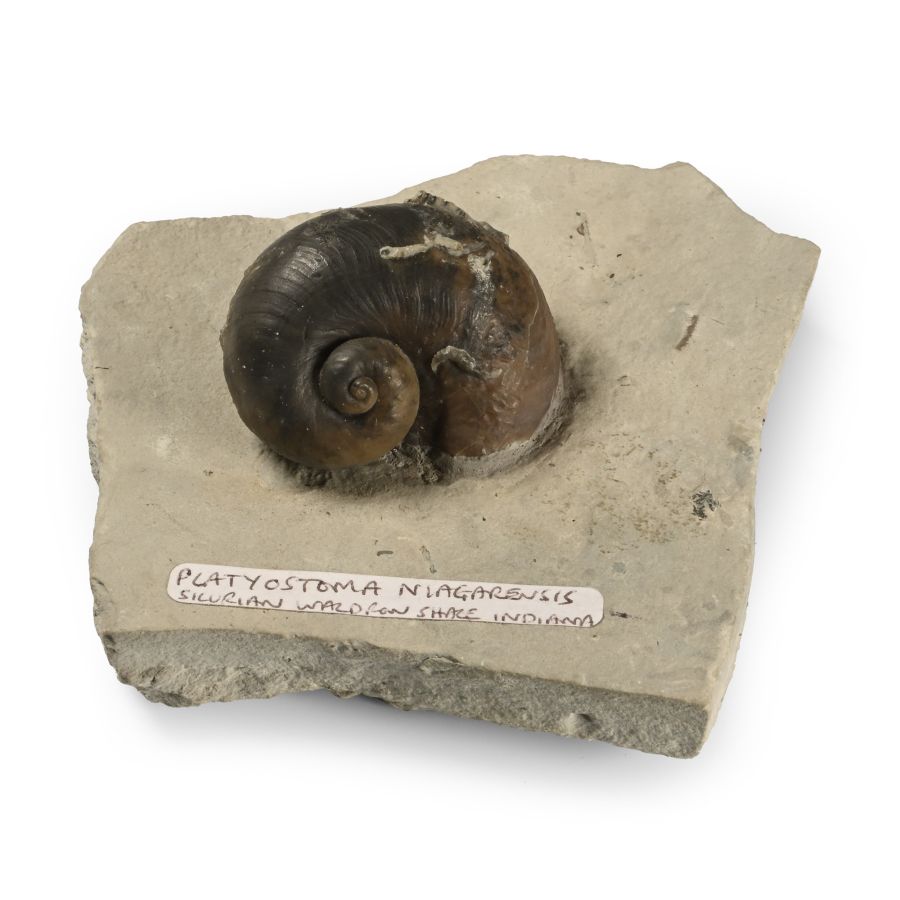
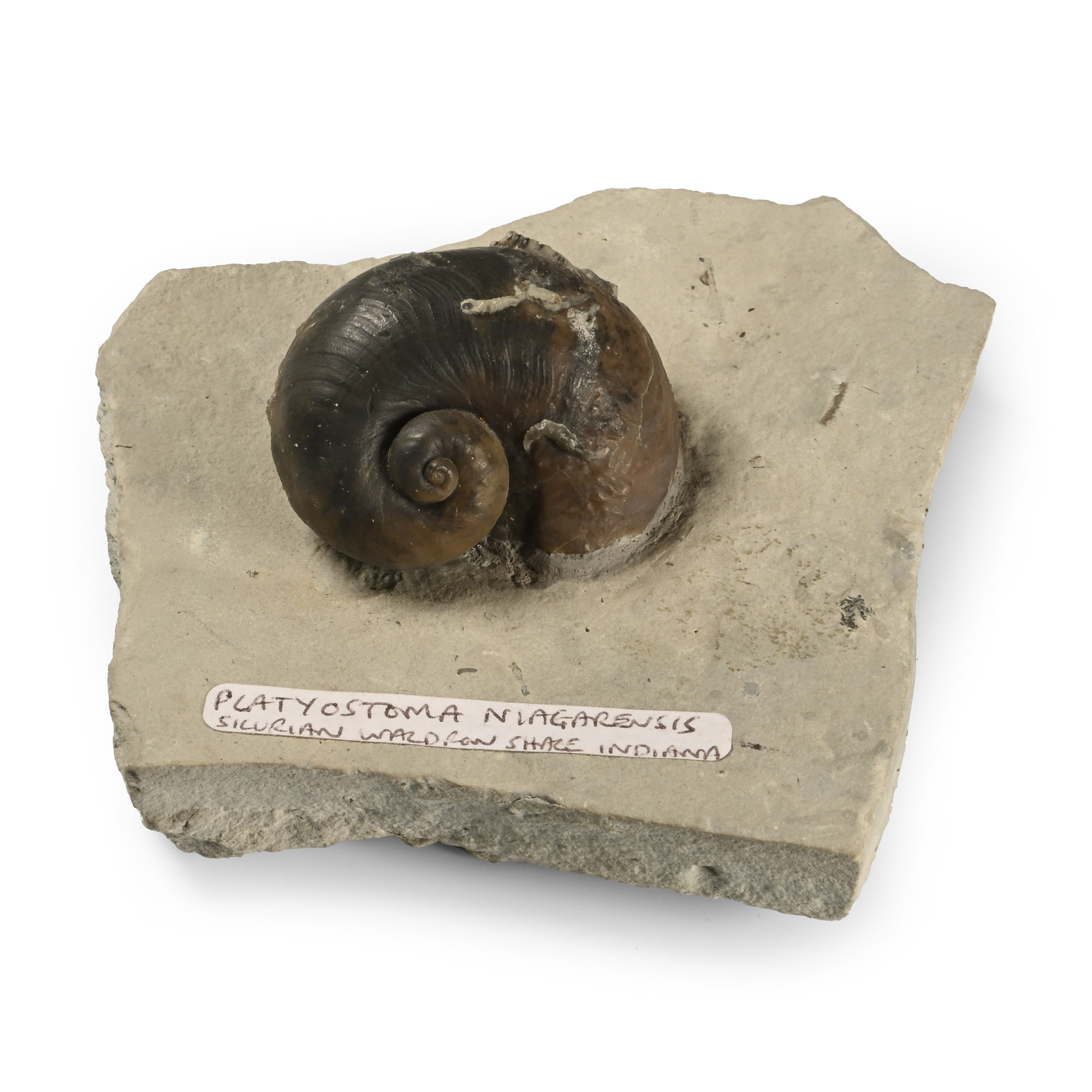
Fossil Platyostoma Gastropod on Matrix
SILURIAN PERIOD, CIRCA 430 MILLION YEARS B.P.
3 5/8 in. (242 grams, 92 mm).
Platyostoma niagarensis set on an irregular matrix. [No Reserve]
ProvenanceAcquired Hunstanton, UK.
From the private collection of Kenneth Machin (1936-2020), Buckinghamshire, UK; his collection of antiquities and natural history was formed since 1948; thence by descent.
TimeLine Auctions follows a vetting process to ensure the authenticity and legality of all items, reinforcing our commitment to integrity and responsible trading. Each antiquity, antique, and coin lot undergoes thorough examination by a vetting committee of at least ten external specialists, professional trade association members, scientists, and archaeologists: Our Vetting Process
AUCTIONS:
TimeLine is a leading auction house specialising in antiquities, ancient art, collectables, natural history, coins, medals, and books. Our auctions offer museums, collectors, historians, and enthusiasts the opportunity to acquire unique and historically significant pieces.
-

Large Fossil Ammonite Cluster
Jurassic Period, 201-174 million years B.P.Sold for (Inc. bp): £59
Comprising several different size ammonites, Gagaticeras or Promicroceras, on a nodule. 1.79 kg, 18 cm
From Yorkshire coast. From a Lincolnshire, UK, collection. -
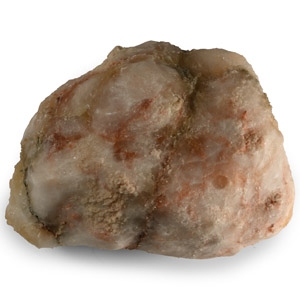
Gypsum Pink Alabaster Specimen
Estimate: £20 - 30 (+bp*)
Opening Bid: £3
Displaying natural veining and areas of darker colour. 843 grams, 11.4 cm
From Aust Cliff, River Severn, Gloucestershire, UK. Acquired from Milton Keynes Geological Society 1998. From the private collection of Kenneth Machin (1936-2020), Buckinghamshire, UK; his collection of antiquities and natural history was formed since 1948; thence by descent. -

Large Rainbow-coloured Carborundum Crystal Display Specimen
Sold for (Inc. bp): £33
A large cluster of silicon carbide showing beautiful iridescence. 1 kg, 16 cm
From the private collection of Kenneth Machin (1936-2020), Buckinghamshire, UK; his collection of antiquities and natural history was formed since 1948; thence by descent.
Carborundum rarely occurs in nature, but is commercially formed by heating carbon and silicon at very high temperatures, producing extremely strong bands of crystals.
